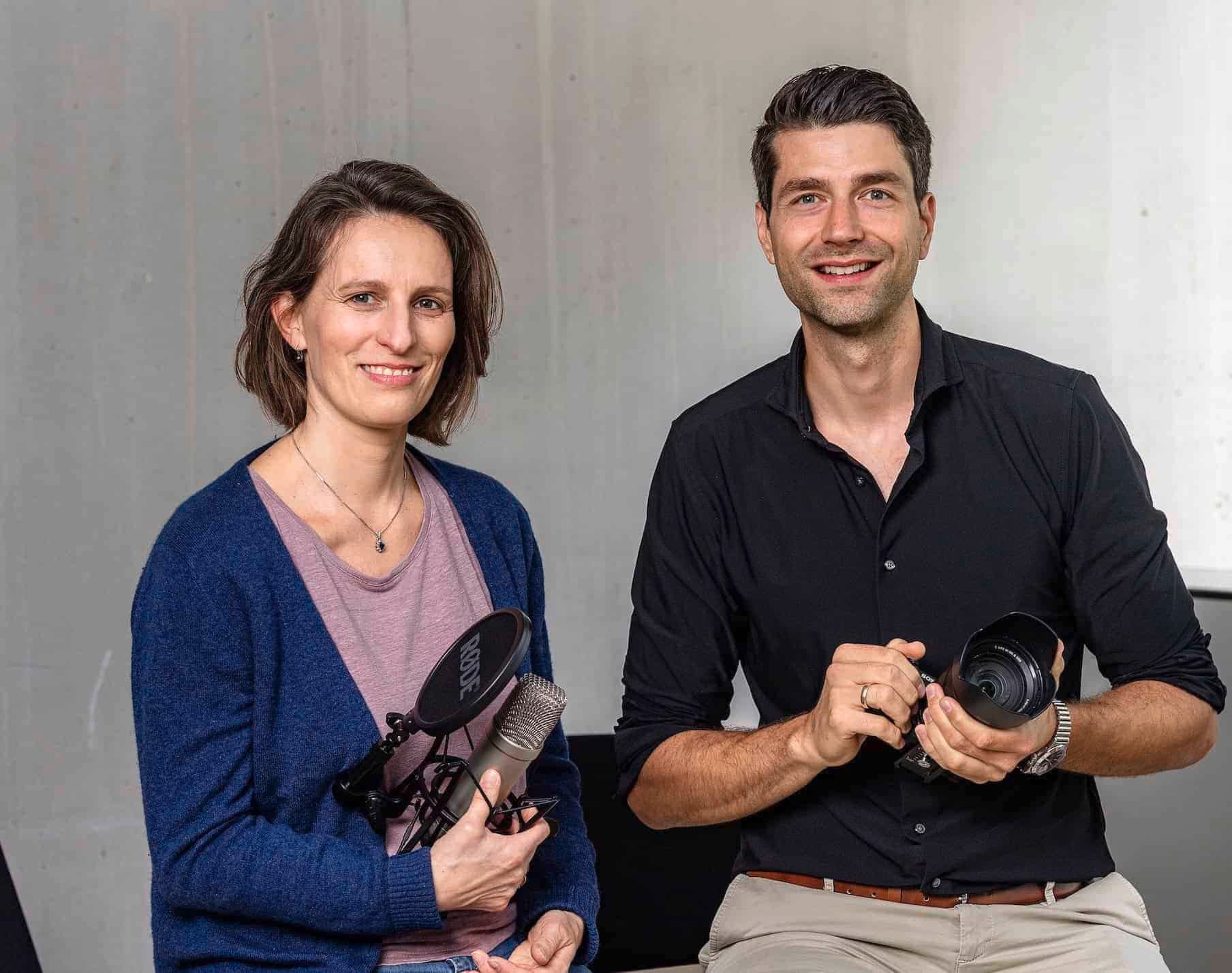

PITCH & PEOPLE Folge 4: Svenja Lassen
Entrepreneur and angel investor Svenja Lassen wants to bring more women to the investment table, as they provide invaluable added value for founders. In our video podcast Pitch & People, Lassen talks about why diversity enables better decisions, how the first pitch takes off, and why angel investments take longer than some marriages.


More female investors, more female founders: How Svenja Lassen makes the ecosystem more diverse
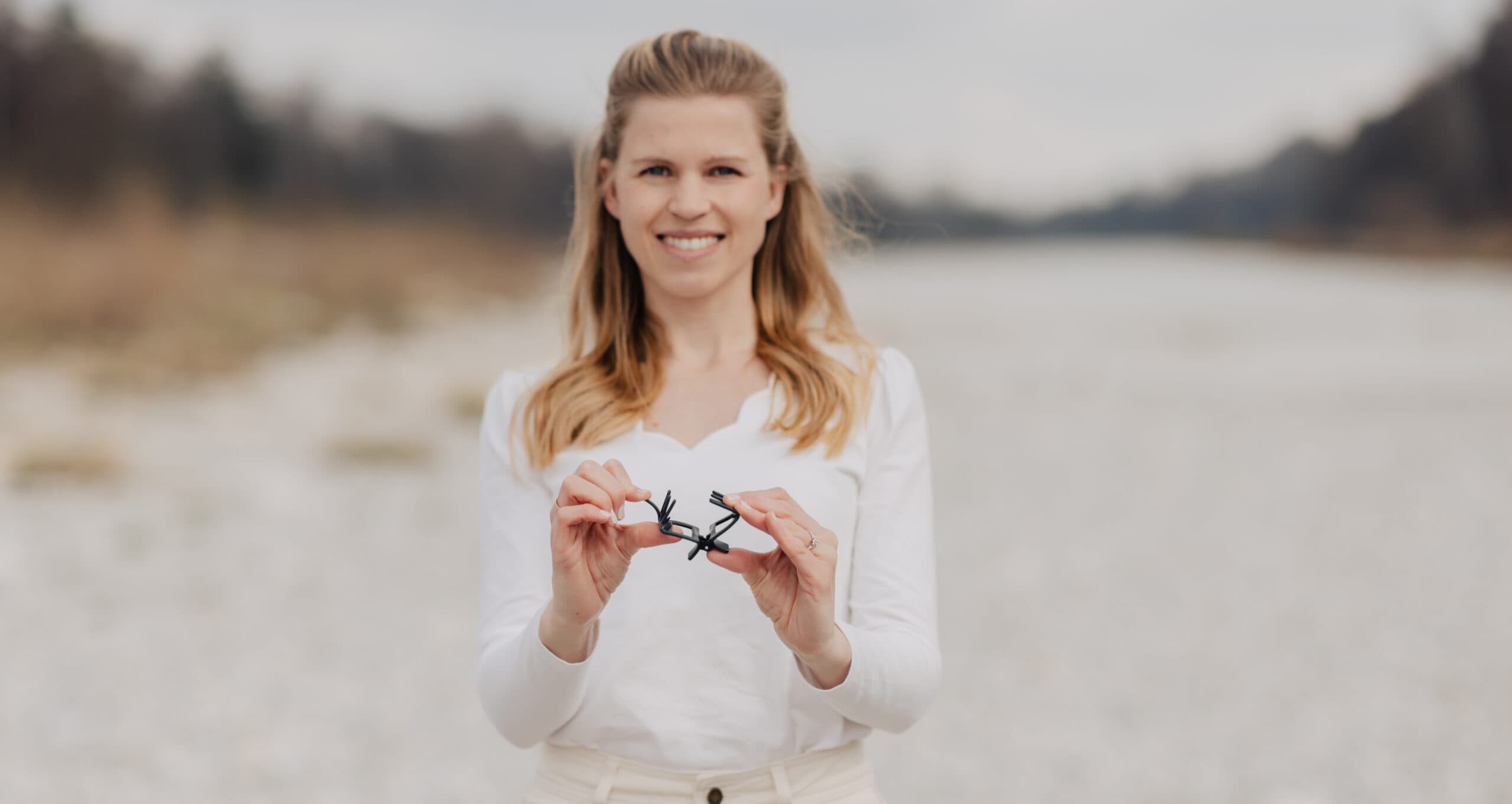
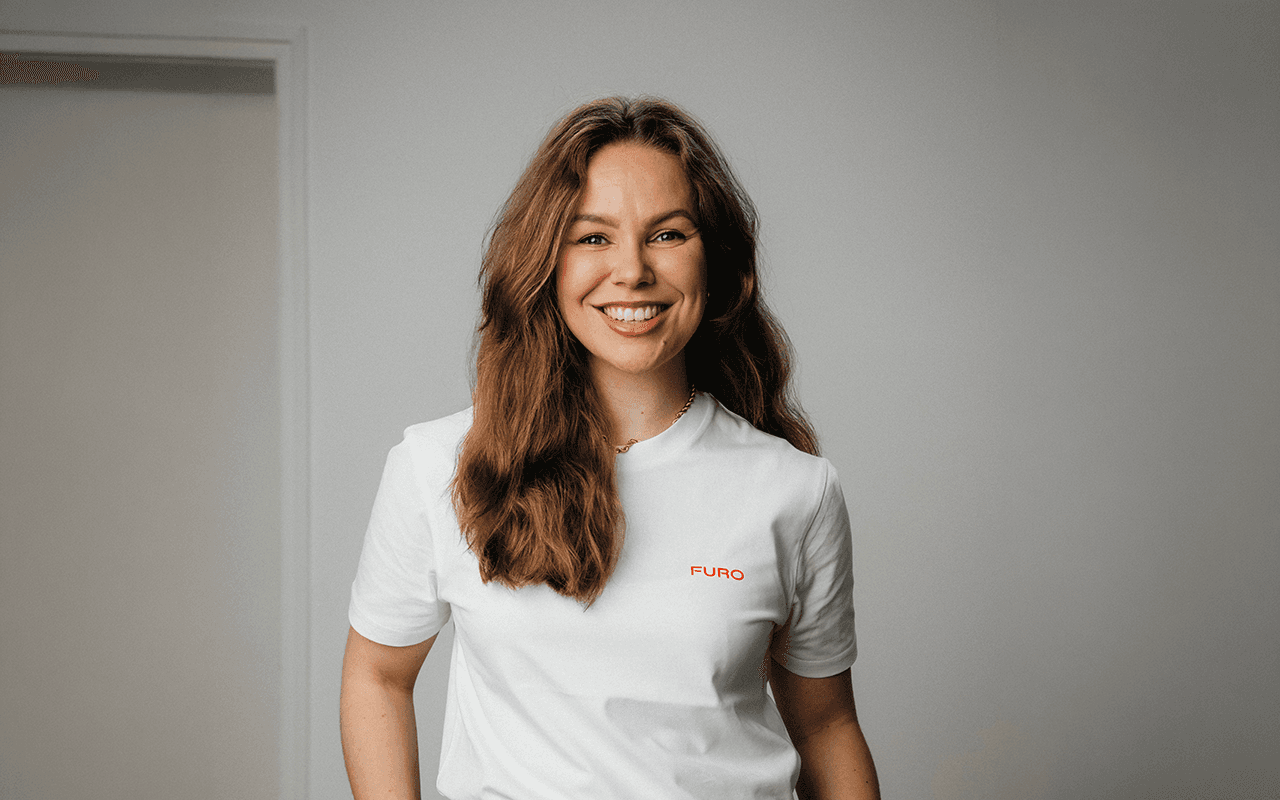
Svenja Lassen is a journalist, business coach, and since 2019 an established part of the startup scene. In 2020, she founded the Female Investors Network (FIN) to close a gap. There are not only too few female founders, but also far too few female investors. Her goal: equality – and thus better decisions about which startups get funded.
A look at the numbers shows why this is necessary: In Germany, only 13.6 percent of business angels are female. In 2019, when Lassen entered the ecosystem, the share was only 8 percent. For the trained journalist, this is also related to a lack of targeted outreach and traditional roles in dealing with money. Svenja Lassen’s message is clear:
“Take care of your finances. Money means influence.”
With the FIN Academy, she has been offering an online training program for aspiring business angels since 2022 – seven cohorts, over 215 trained women who are already investing. The next round starts on October 6. The approach is deliberately practical and communal: cohort-based learning, rapid transfer to application – for example at FIN Pitch Nights, where startups answer questions live. Community, transparency, and fun are central levers for Lassen to make getting started easier.
€5,000 is enough
“You might think: angel investing is only for the ‘rich and famous,’ but that’s a myth.”
explains Svenja Lassen. Pooling models already enable tickets from around €5,000. Nevertheless, one should note: the investment remains high-risk capital, so use a maximum of 5 to 10 percent of total assets, diversify well, and support multiple startups. What’s special about being a business angel: Beyond capital, network and expertise count – from industry knowledge to first customer contacts.
When you invest, you need patience: the angel commitment often lasts longer than an average marriage – five to seven years are the rule rather than the exception. Exit windfalls are possible, but not predictable. That’s why Lassen advises having a clear investment thesis: if you prefer a shorter perspective, you’re more likely to participate in more mature startups with a recognizable track record.
What women do differently
Women bring different questions and priorities as investors, often with an impact focus (environment, climate, food, education). Many deliberately invest in female founders and mixed teams or reject deals without impact. During the Corona crisis, founders report that female angels were essential with empathy and soft skills. As consumers, women also offer decisive market perspectives – ignoring them risks developing past actual needs. Early diversity in the founding team and among investors helps avoid bias.
From “25 by 25” to “30 by 30”
Originally, Svenja Lassen wanted the FIN Academy to achieve 25 percent female investors across Germany by 2025. That didn’t quite work out. What does put Lassen in a “all the more reason” mentality is this reality. She doesn’t view this as a setback but as a mission. Now the goal is 30 percent female investors by 2030. This requires education, visibility, and recognition that business angels are indispensable enablers of innovation.