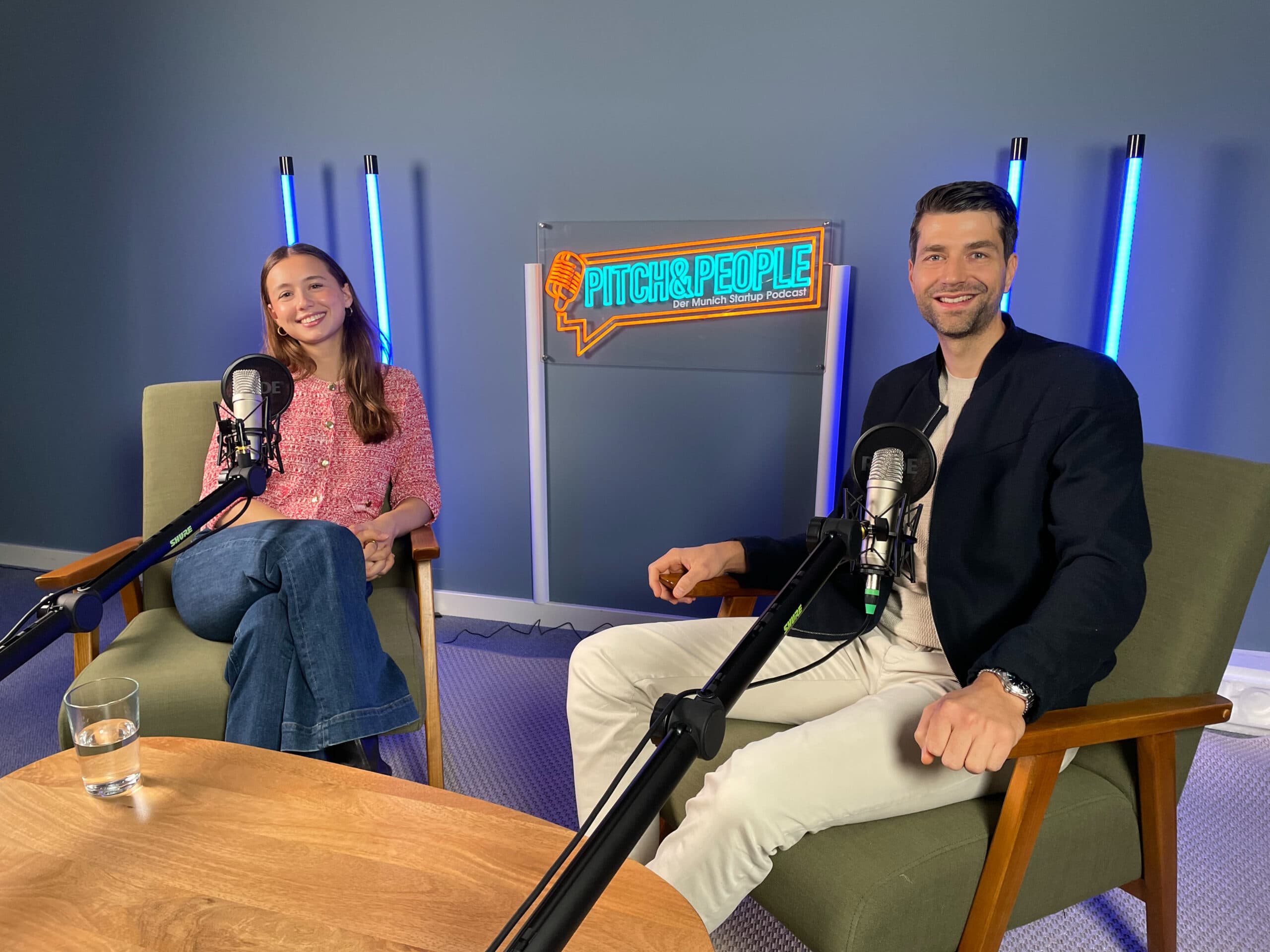

PITCH & PEOPLE Episode 56: Women in Business
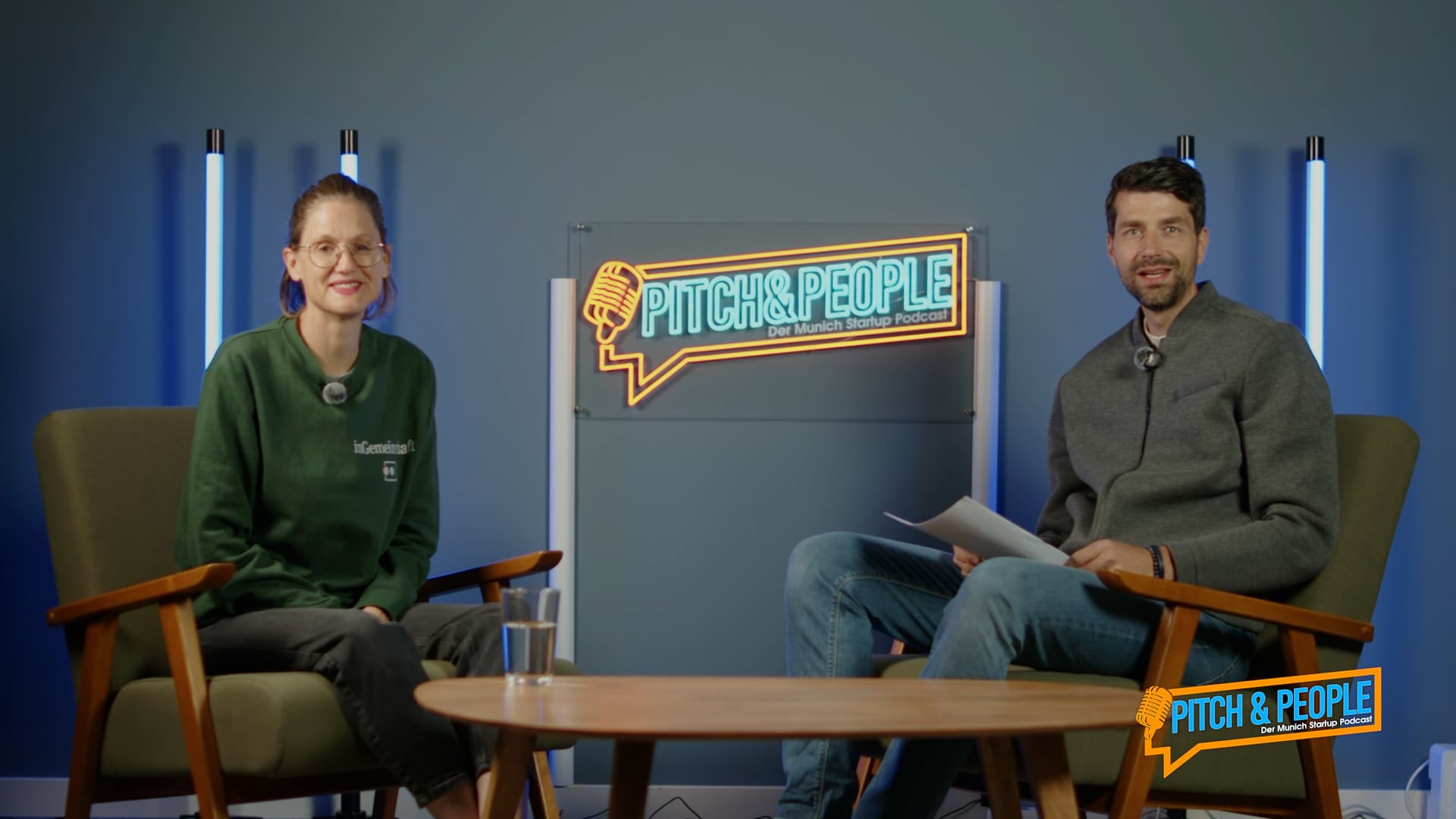
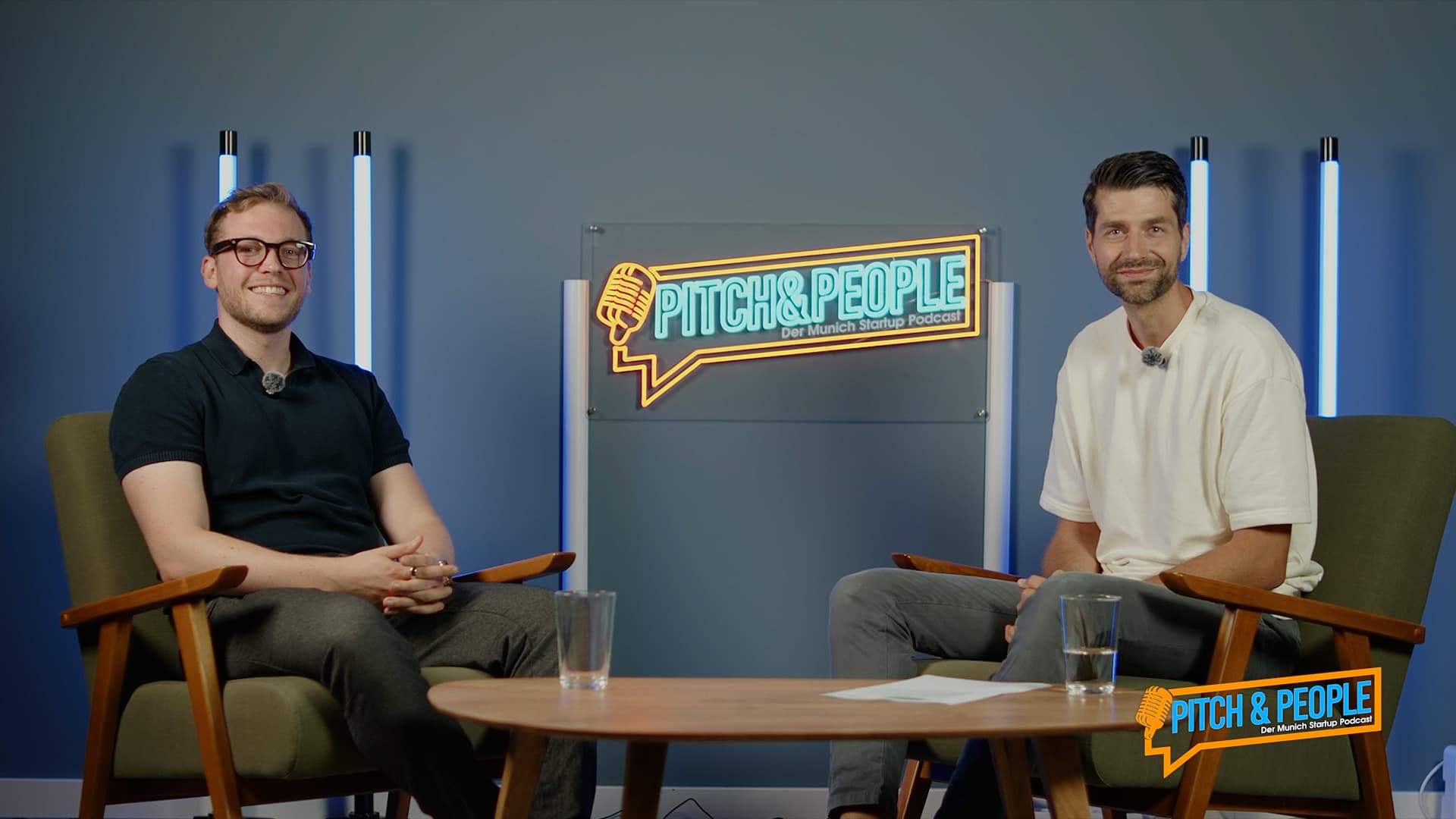
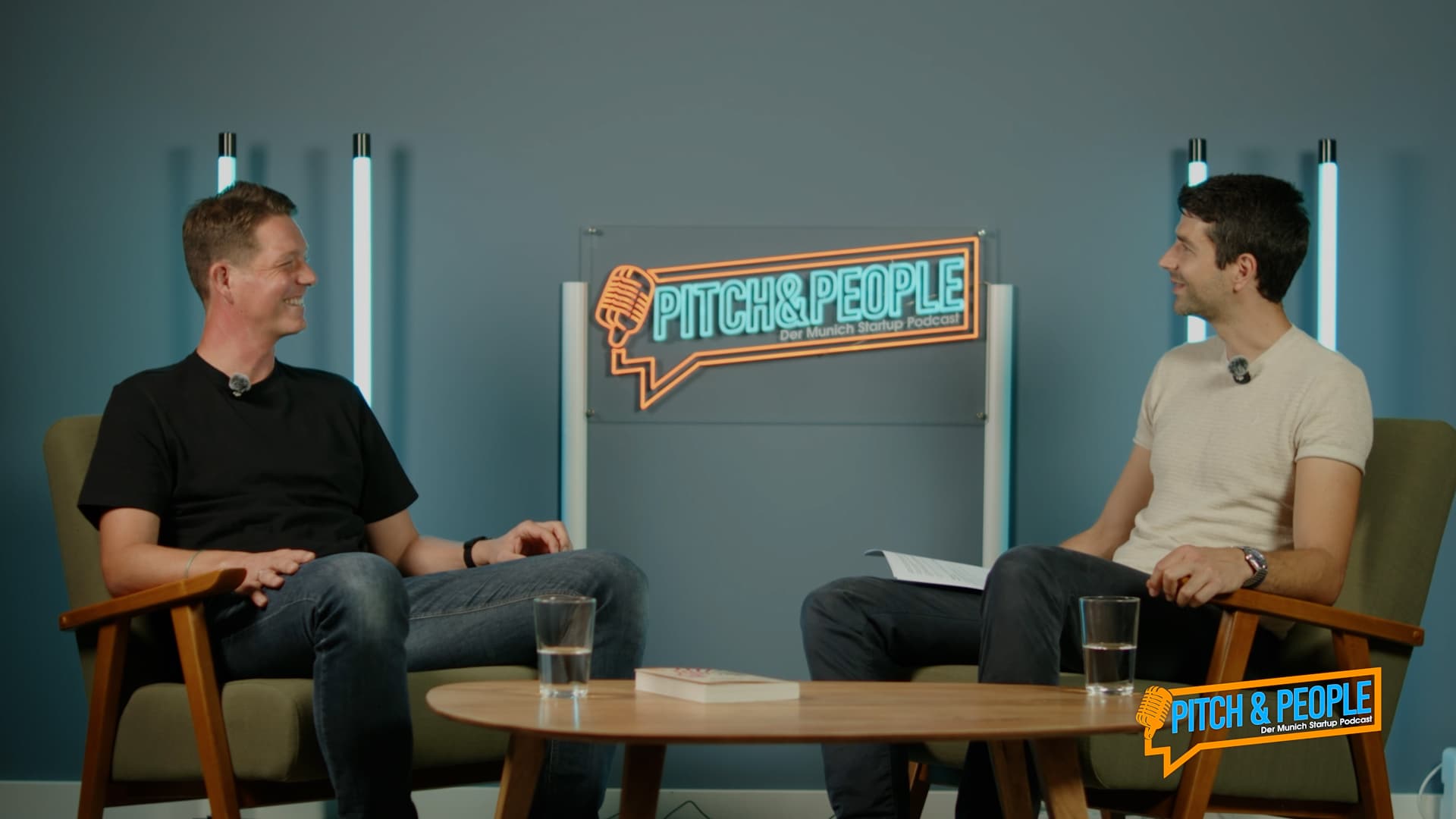
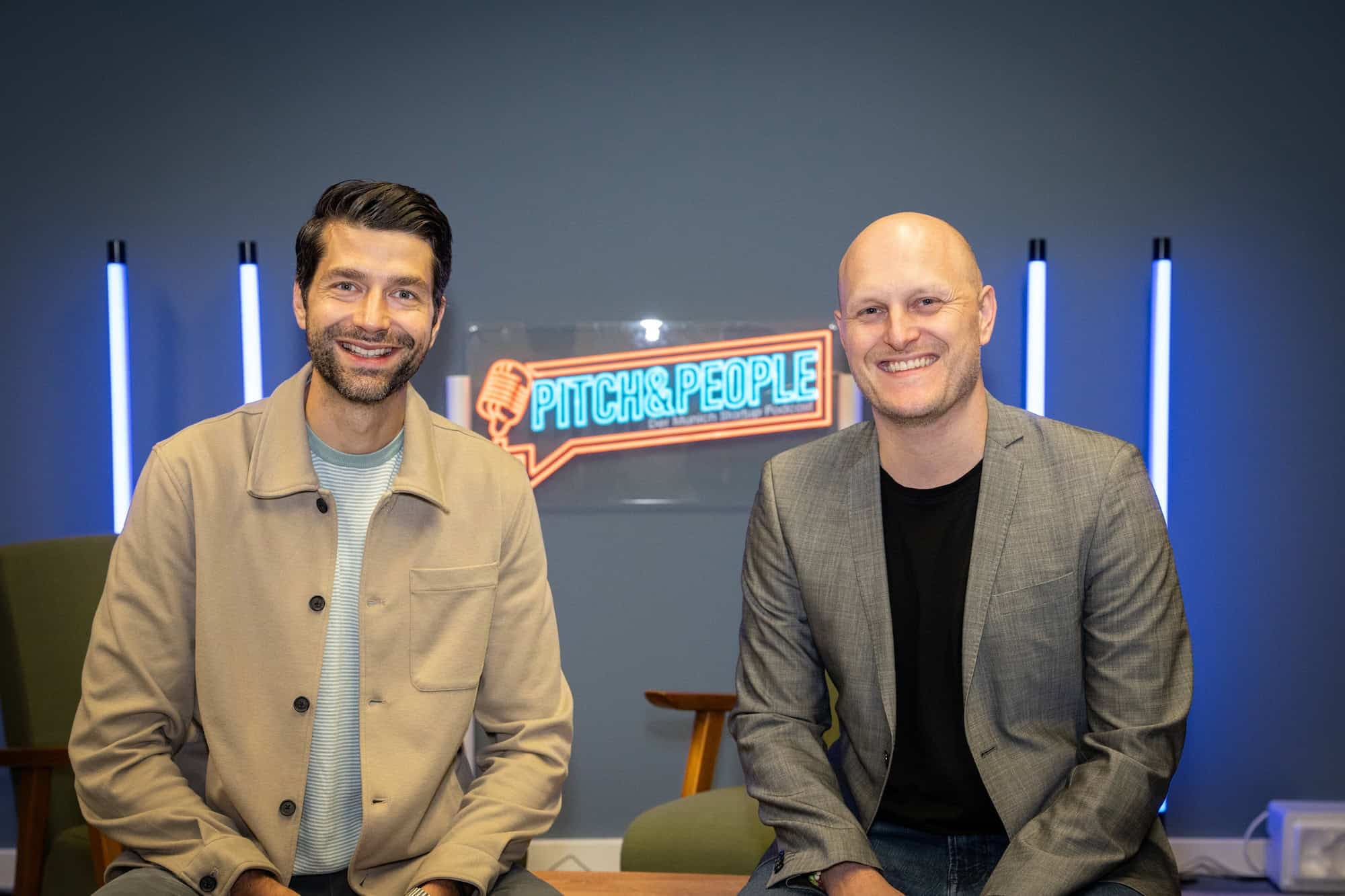
In the latest episode of Pitch & People, Laura Müller, co-founder of Women in Business e.V., talks about the lack of female role models, self-confidence when founding a business, and her journey to becoming an entrepreneur. She also shares the business ideas she is pursuing and why she refuses to let herself be pressured during the launch.


Many people dream of founding their own company. They brainstorm ideas, develop concepts, and wait for the right moment. Laura Müller didn’t want to wait any longer. The co-founder of the non-profit organization Women in Business e.V. set herself an unusual challenge: to lay the foundation for her own startup within 100 days. She documents every step publicly on social media.
In the latest episode of Pitch & People, she talks about how a spontaneous decision turned into a concrete startup project and why Instagram, of all platforms, is helping her find co-founders, potential customers, and new business ideas.
“Less talk, more action”
The idea for her 100-day challenge came about during a walk with a friend. Müller had long talked about founding her own company at some point. But eventually, the thought turned into a direct call to action: Why not just get started?
“Don’t talk so much, just do it, because you learn the most by doing,”
is how Müller describes her motivation. Whether a finished company actually emerges in the end was initially secondary to her. What was crucial was to finally take action.
Her plan is ambitious: Within 100 days, she wants to develop business ideas, test their market potential, and ideally lay the foundation for founding a company. At the same time, she publishes daily insights into her progress, challenges, and decisions. It quickly becomes clear that starting a business rarely follows a fixed schedule.
How Instagram helps launch a startup
At the start of her challenge, Müller gathers various business ideas. She researches trends, engages with her community, and tries to find out which products could actually be in demand.
Ultimately, two approaches crystallize: Fiber Jelly, a high-fiber snack in jelly form, and a performance nutrition brand focused on women.
The idea for Fiber Jelly arises in part from feedback from her community. Müller then delves deeper into international nutrition trends and discovers similar products on the American and British markets.
Yet social media provides her with more than just inspiration and potential customers. It also connects her with a potential business partner. A medical professional with e-commerce experience notices the venture through her posts and sends her a direct message. That contact evolves into a collaboration. By the time of the podcast recording, on day 37 of her challenge, Müller has already found a co-founder.
“Personal branding offers an enormous advantage: you share your visions, challenges, and goals with others, make yourself visible, and thereby reach people who approach you on their own initiative.”
For Müller, this is a decisive advantage. Instead of solely searching for contacts, partners, and potential supporters herself, she makes her venture visible and thereby reaches people interested in similar topics.
Why Reach Alone Doesn’t Build a Startup
As helpful as social media is for her startup, Müller sees a challenge in it: Anyone who publishes their progress every day automatically puts themselves under pressure.
Originally, for example, she had planned only ten days for ideation. In retrospect, an ambitious timeframe. Added to that are the expectations of her community, who regularly want to know how far the project has progressed.
Yet Müller doesn’t want to be driven by likes and follower counts.
“Social media can be a huge lever, but I’m not doing this whole project because I thought, ‘that’s a strong content format.’ I’m doing it because I want to start a company, and then I simply document that on social media.”
For her, the focus is on the business, not content production. Her reach is meant to support her entrepreneurial activities, not become an end in itself.
Women in Business: More Women Should Have the Confidence to Start a Business
The fact that Müller is taking the plunge into entrepreneurship herself today is also tied to her previous engagement. Around two years ago, she founded the non-profit association Women in Business e.V. together with fellow female peers. The association originated as a student initiative and is now aimed at female students and young professionals beyond individual universities.
Now with around 800 members, the organization offers free workshops, talks, networking events, and its own mentoring program called Femtoring. The goal: to facilitate women’s access to professional networks, leadership positions, and entrepreneurship.
Müller sees a lack of role models as a particular problem here. Many young women don’t initially perceive starting their own business as a realistic career option.
She herself had long envisioned a traditional corporate career path. It was only through her collaboration with entrepreneur and investor Diana zur Löwen that she came into closer contact with the startup scene. Today, Müller wants to give other women similar experiences with Women in Business.
“There is simply a lack of role models, of female founders who need to be visible and then serve as role models, so that other young female professionals and students think: That is a possible path for me, maybe I could take it too.”
The fact that she is now publicly documenting her own founding journey fits right into this mission. She not only showcases successful female entrepreneurs, but also the often uncertain path to getting there.

Laura Müller is the co-founder of the non-profit association Women in Business e.V., where she serves as board member for marketing. The association has around 800 members and supports female students and young professionals through workshops, networking, and mentoring. Müller gained her first experience in the startup world by working with entrepreneur and investor Diana zur Löwen. With her publicly documented challenge “Founding in 100 Days,” she is now taking the leap into entrepreneurship herself.
When are 100 days a success?
Whether Müller will actually be sitting in front of a notary founding a company at the end of her challenge remains to be seen. For her, however, success cannot be measured by a signature alone.
What is more important is that she makes consistent use of the 100 days, tests her ideas, and works on her venture every day. At the same time, the initial experimental phase has long since turned into a more tangible project that she is pursuing together with her co-founder.
The 100-day challenge is therefore more than just a social media experiment. It shows how startup ideas can be developed in public, what opportunities a dedicated community offers, and why taking the first step is often harder than the actual execution.
And perhaps that is precisely the most important message: Anyone wanting to start a company doesn’t have to wait for the perfect moment. Sometimes it’s enough to just get started.