
The Munich deeptech startup Hemato develops a cloud-based AI platform for analyzing blood samples. The technology enables faster and more precise diagnostics of blood cancer and immune diseases. Currently, analysis is performed manually by specialists and takes approximately 20 minutes per sample. Hemato’s solution aims to reduce this time to one minute and significantly reduce false-negative results.
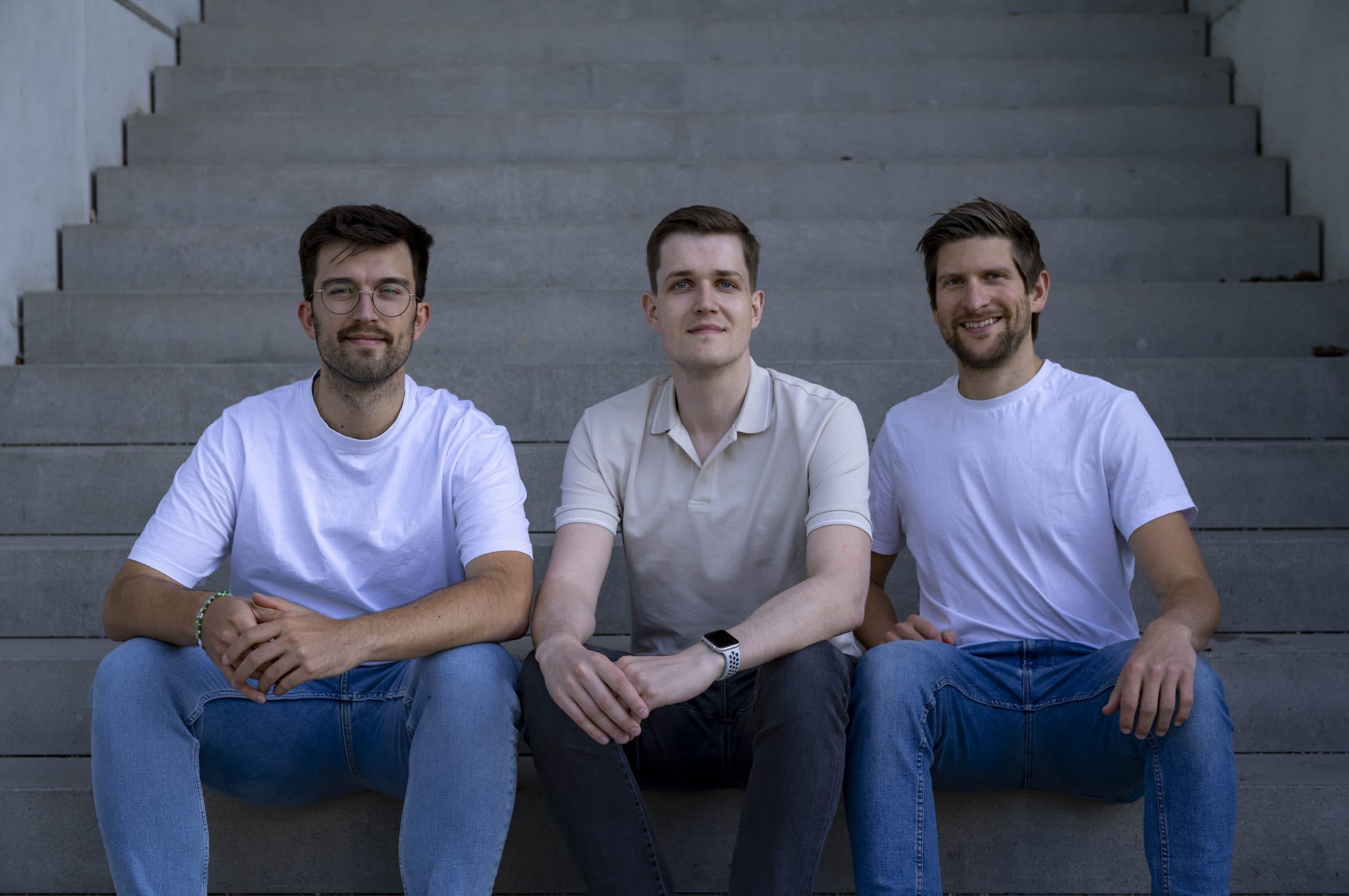
Karsten Miermans, CEO and co-founder of Hemato, emphasizes the importance of the funding round:
“Our goal is to bring AI-powered precision diagnostics to immunomedicine, to relieve the often overburdened staff in clinical laboratories, and to enable the right treatment for every patient at the right time.”
Investors recognize Hemato’s significant market potential
The funding round was led by Lumo Labs. In addition to Bayern Kapital, Cross Atlantic Angels participated, as well as existing investors such as Elaia, Heal Capital, the High-Tech Gründerfonds (HTGF) and Becker Ventures. With these funds, the company plans to advance the development of its AI-powered diagnostic solution and accelerate market entry.
Monika Steger, Managing Director of Bayern Kapital, says:
“With hema.to’s AI-powered analysis platform, blood data analysis time can be reduced to a fraction of the usual manual time. This not only relieves clinical laboratories and promotes patient care, but also addresses a global market with a volume of several billion dollars.”
Sven Bakkes, partner at Lumo Labs, also sees great opportunities:
“We are delighted to welcome Hemato to our portfolio. Their AI-powered platform analyzes raw cytometry data in seconds and detects more diseases than manual analysis – soon also in early stages. For clinicians, this means dramatic time savings. For patients, it can make the critical difference between a missed diagnosis and a life-saving early intervention.”
Currently, Hemato’s analysis platform is already being used in initial clinical laboratories and hospitals. In the future, the analysis capabilities of the solution are to be expanded beyond blood cancer to include additional disease conditions, particularly other autoimmune diseases. Additional use cases, such as for clinical trials and therapy monitoring, are also planned.