
Munich Startup: What does your startup do? What problem are you solving?
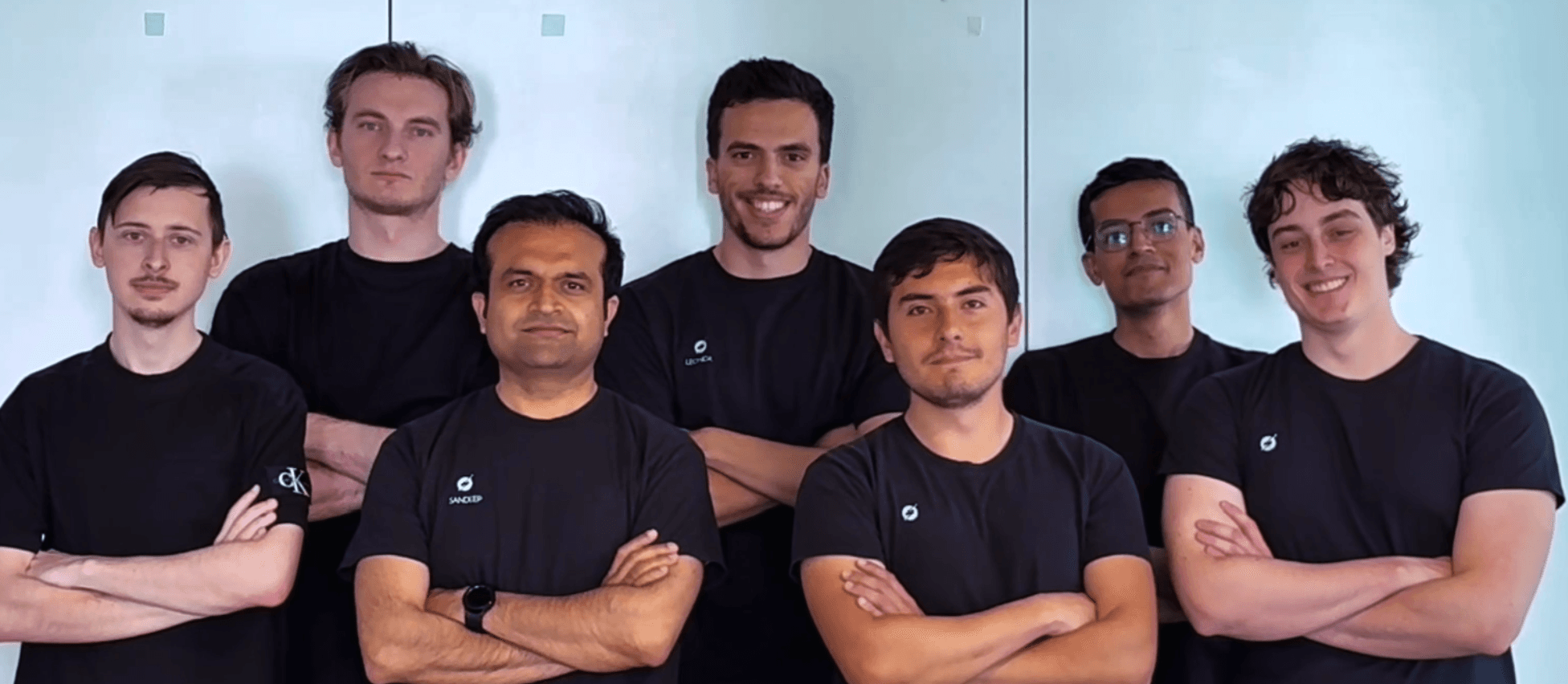
Hendrik Kramer, CEO and co-founder: Fernride is advancing the future of autonomous logistics. Our goal: to replace dangerous, monotonous tasks currently performed by humans with safe and efficient automation solutions while simultaneously creating better, safer, and more qualified jobs.
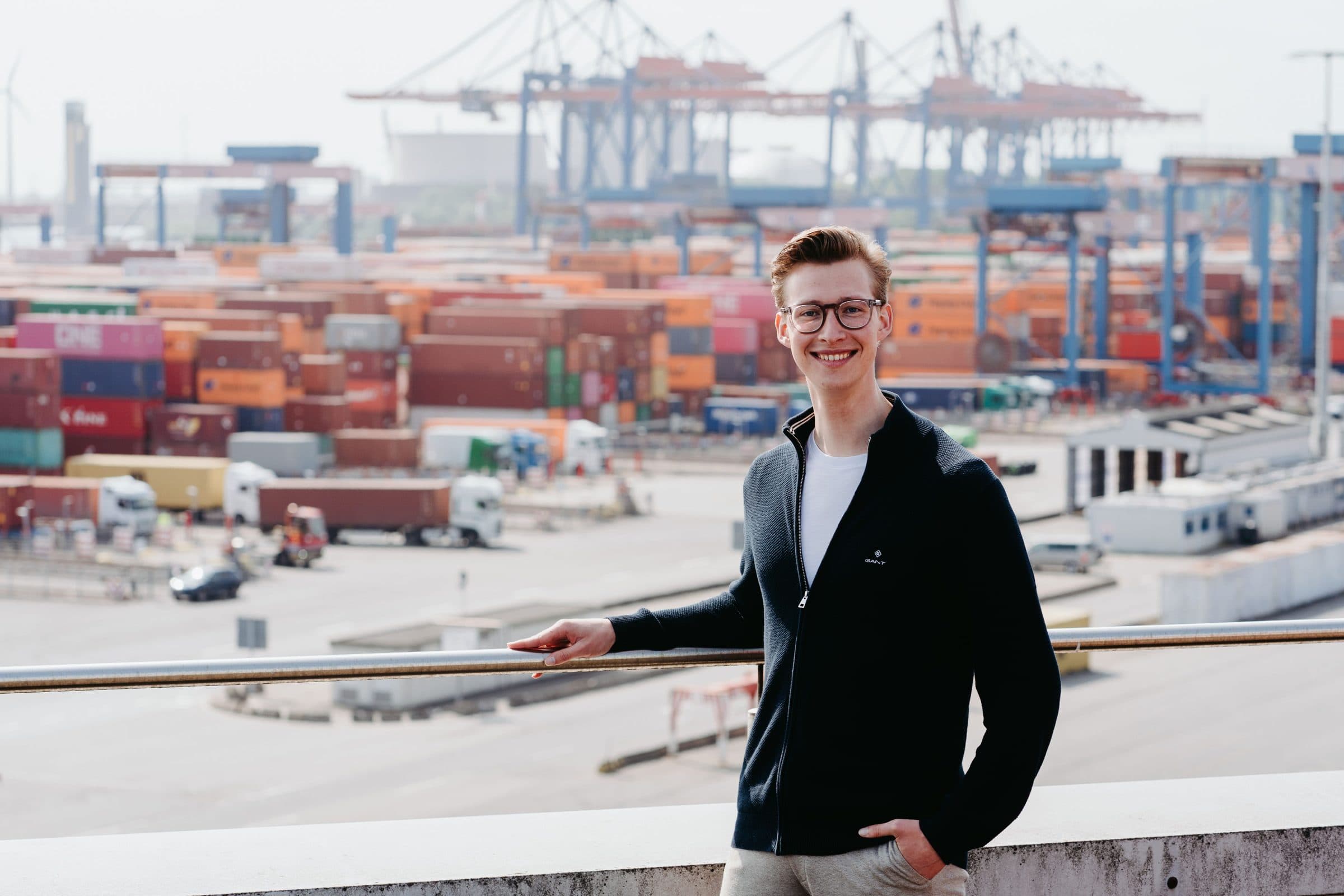
With our Ground Autonomy Platform, we provide scalable automation for industrial applications: from container terminals and factory logistics to defense transport and autonomous long-haul trucking. Our technology combines AI-based autonomy with human remote control and modular, vehicle-agnostic hardware. This enables companies and authorities to deploy automation safely and flexibly.
Fernride was founded in 2019 based on over ten years of research at the TU München and now has more than 150 employees. Our goal: to set the European standard for autonomous logistics with Europe’s first fully certified autonomous truck system by 2025.
Munich Startup: But that already exists, doesn’t it?
Hendrik Kramer: Autonomous vehicles exist as pilot projects, but truly scalable solutions for industrial logistics in mixed traffic that are safe, certified, and economically viable are still lacking. That’s exactly where Fernride comes in.
What sets us apart: we don’t just bring autonomy, we combine it with human intelligence through remote control technology. This enables a safe and gradual transition to full automation, without the radical step that many others have tried unsuccessfully.
And: we are the first in Europe to put a certified autonomous trucking system compliant with the Machinery Directive into operation. That definitely doesn’t exist yet, but now it does with Fernride.
Fernride emerged from a vision at TUM
Munich Startup: What’s your founding story?
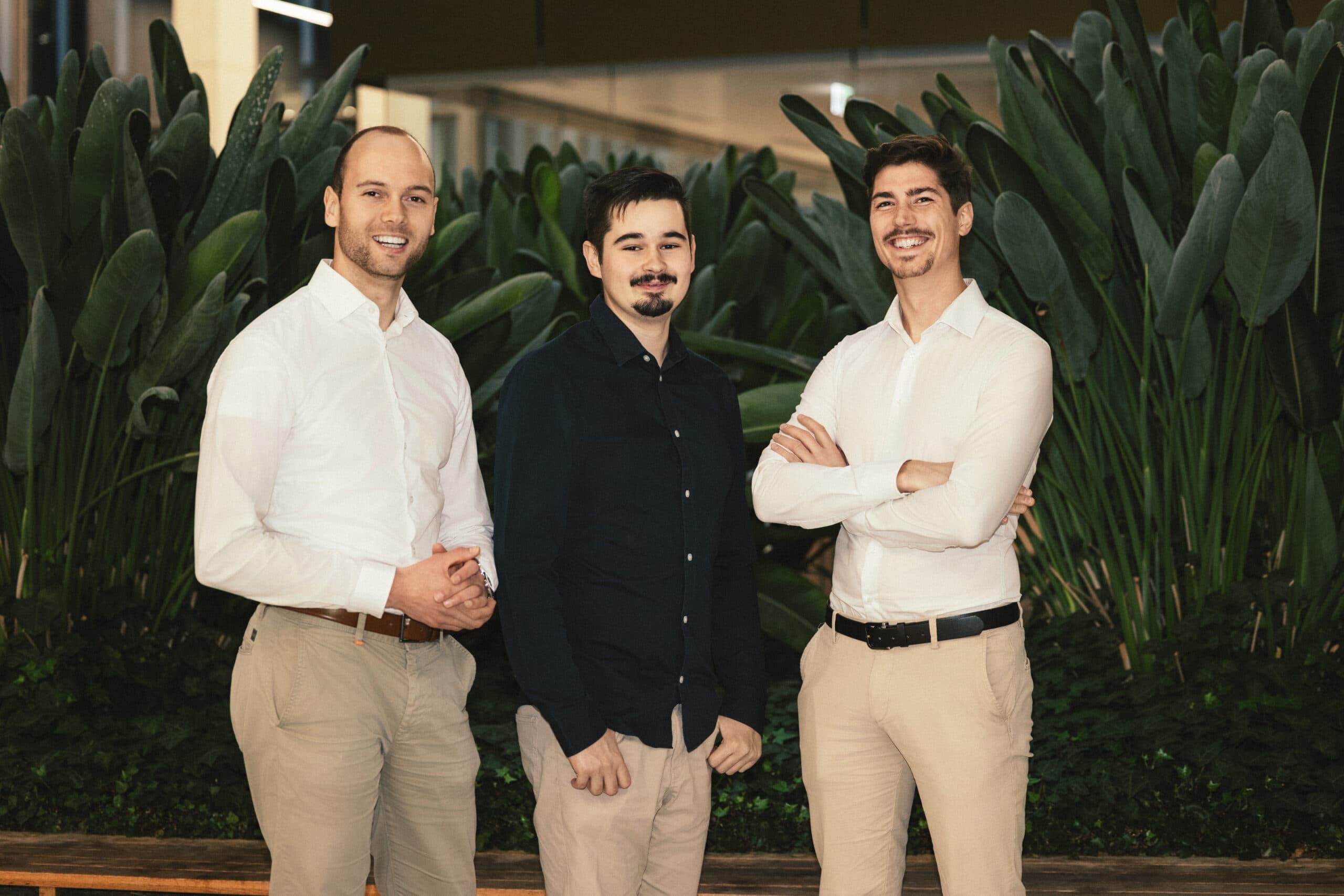
Hendrik Kramer: We founders met at the TU München, where we conducted research for years on teleoperation and autonomous driving technologies. From this shared vision and scientific foundation, Fernride was created in 2019.
Munich Startup: What have been your biggest challenges so far?
Hendrik Kramer: The challenges we are addressing with our solution—such as shortage of skilled workers, safety risks, and efficiency problems—are significant and affect entire industries. Demand for our technology is correspondingly high. For us as a startup, one of the biggest challenges is maintaining focus amid all the possibilities and scaling strategically where we can achieve the greatest impact.
Munich Startup: Where do you want to be in one year, and where in five years?
Hendrik Kramer: In one year, we want to successfully scale our first use cases and further advance our operational rollout. In five years, we aim for expansion into additional industries and scenarios, with the clear goal of bringing autonomous trucking to open roads in Europe.
Munich as a location: tradition meets innovation
Munich Startup: How have you experienced Munich as a startup location so far?
Hendrik Kramer: Munich is an ideal location for us. The city combines a strong tradition in the automotive and mechanical engineering industries with a growing tech and startup ecosystem. We particularly benefit from access to excellent talent, especially through our proximity to the TU München, as well as from strong industrial partners who are open to innovation. The network, infrastructure, and support for deep tech startups make Munich a true innovation hub for autonomous mobility.
Munich Startup: Outsource or do it yourself?
Hendrik Kramer: We have extensive expertise in autonomous driving, but we need many strong partnerships to scale successfully. We neither develop hardware (compute, sensors) nor trucks ourselves and partner with the best possible manufacturers in these areas. Autonomous driving can only scale together.