
Munich Startup: What does your startup do? What problem do you solve?
Catharina van Delden, Co-Founder & CEO: In the “new normal” of global volatility, supply chain security is the central success factor. No tomatoes: no ketchup. No rice: no sushi. No hops: no beer.
We’re building a data-driven platform that translates agricultural reality into operationally relevant KPIs and delivers concrete, prioritized action options. Risk is the driver: climate extremes are one of the major causes, but price fluctuations, geopolitical disruptions, plant pests, logistics bottlenecks, and regulatory changes are equally relevant.
We make actionable signals visible early on from heterogeneous field data and anchor them directly in existing procurement workflows, so that buyers and agricultural managers can prioritize risks, make hedging or procurement decisions, and stabilize supply chains.
Munich Startup: But that already exists, doesn’t it?
Catharina van Delden: There are tools for weather data, satellite images, or ERP reports. We connect this field reality with purchasing metrics like price volatility and delivery reliability and anchor insights in operational procurement processes. In short: we translate the warning “drought approaching” into the concrete impact on costs, volumes, and delivery times – and deliver prioritized action options for purchasing teams. Not just more data, but decisions that can be implemented immediately.
Real drought experience leads to founding idea
Munich Startup: What’s your founding story?
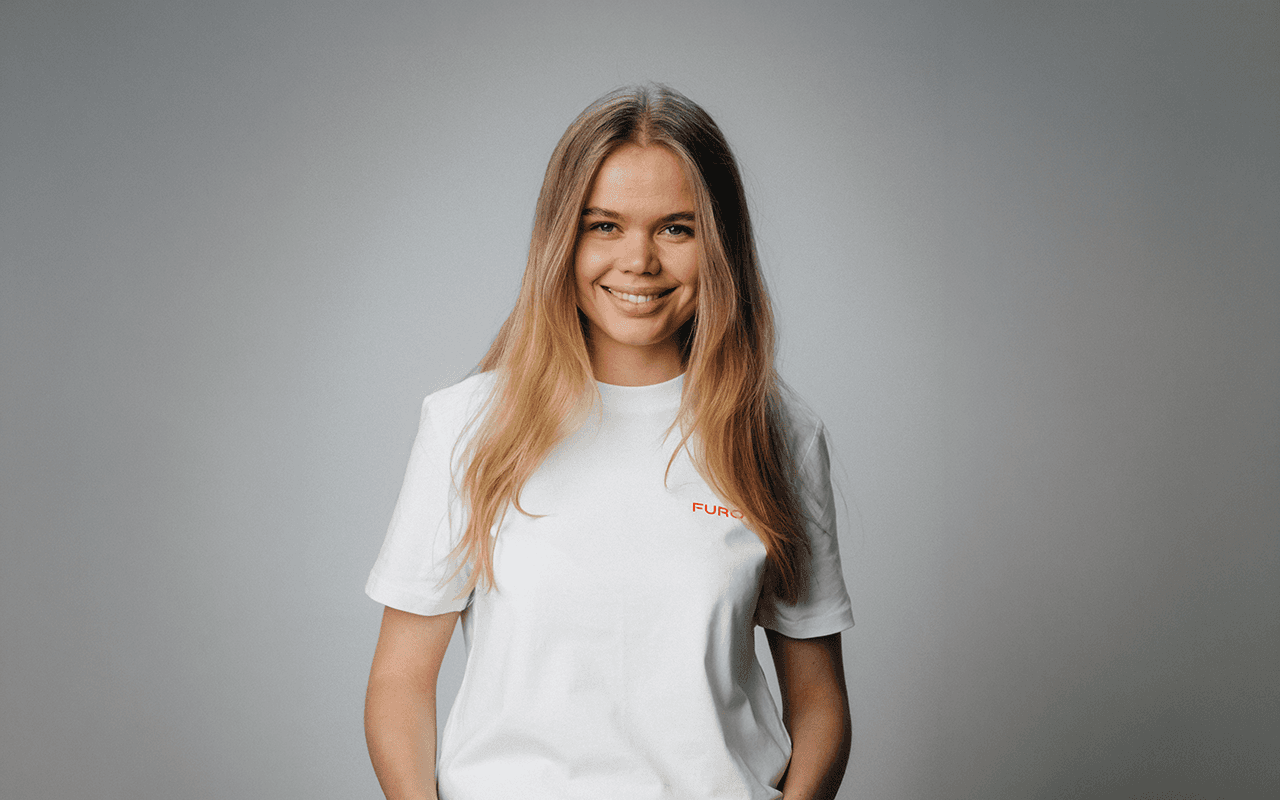
Catharina van Delden: We are the founders: Stefanie Seisenberger Glenn and myself, Catharina van Delden. I’m CEO and built an Enterprise-SaaS with Innosabi (also a Munich startup) and Steffi is CTO with deep data and tech experience and most recently worked at Google. The breakthrough insight came on my family farm in Uruguay: In the first year we experienced a drought there like the country hadn’t seen in decades. A striking example of how quickly field volatility threatens production and supply chains. After over 100 conversations with buyers and agricultural managers, we founded Finches to translate this new reality into concrete, prioritized procurement decisions.
Munich Startup: What have been your biggest challenges so far?
Catharina van Delden: Hiring was one of our biggest challenges. Especially in a young startup, it’s essential to find employees you can trust one hundred percent and who are willing to go on the adventure of founding with you. To be successful, everyone has to set their ego aside and work together as a team. We invested a lot of time in designing our hiring process to ensure we select the right talent and personalities. While this was difficult and took much longer than expected, the result was worth it.
Finches: On the way to becoming the global standard for climate risk-based procurement
Munich Startup: Where do you want to stand in one year, where in five years?
Catharina van Delden: In one year: multiple co-creation partnerships with major customers in progress, measurable reduction of supply shocks at pilot customers, and first product subscription revenue. In five years: standard stack for climate risk-based procurement in CPG/agri-industry – embedded in sourcing processes of major food and commodity companies. Global from the start: because agricultural supply chains are too.
Munich Startup: How have you experienced Munich as a startup location so far?
Catharina van Delden: Munich is an ideal location for us: strong in deeptech, close to industrial partners, and with a growing agri-food ecosystem. Particularly valuable is the support from UTUM – Funding for Innovators, who supported and funded us early on. The network around TUM opens doors to research, talent, and pilot projects with leading food and agricultural companies. This combination of technical excellence, industry connections, and honest founder support makes Munich the best place for us to build Finches with the ambition: Building a global company out of Munich.
Munich Startup: Risk or security?
Catharina van Delden: Both. Our product reduces business risk for buyers – at the same time, building a data-connecting product is itself a structural risk. Strategy: minimize risk through fast, customer-centric co-creation and thus deliver security for our customers.