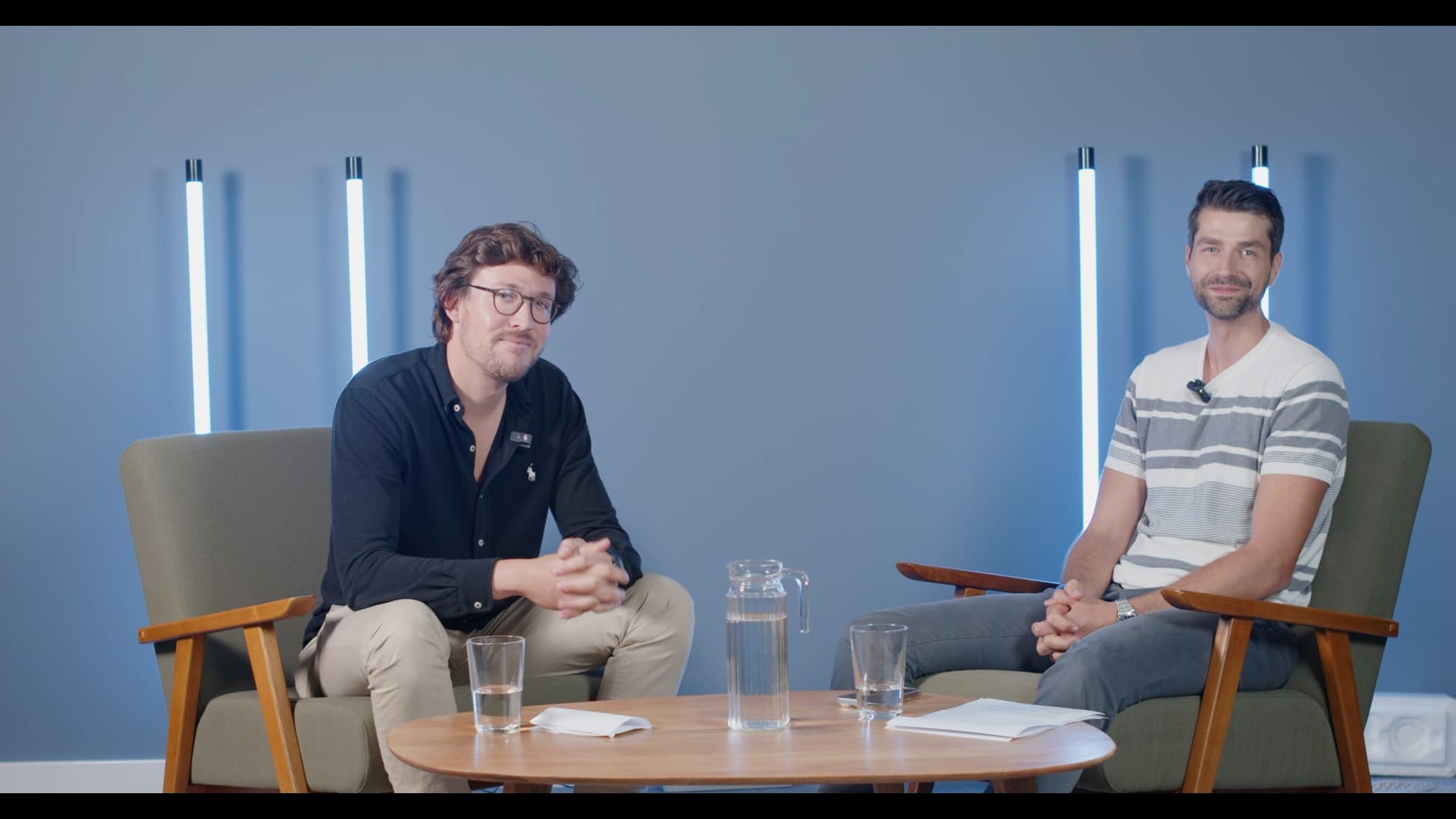

PITCH & PEOPLE Folge 7: YFood
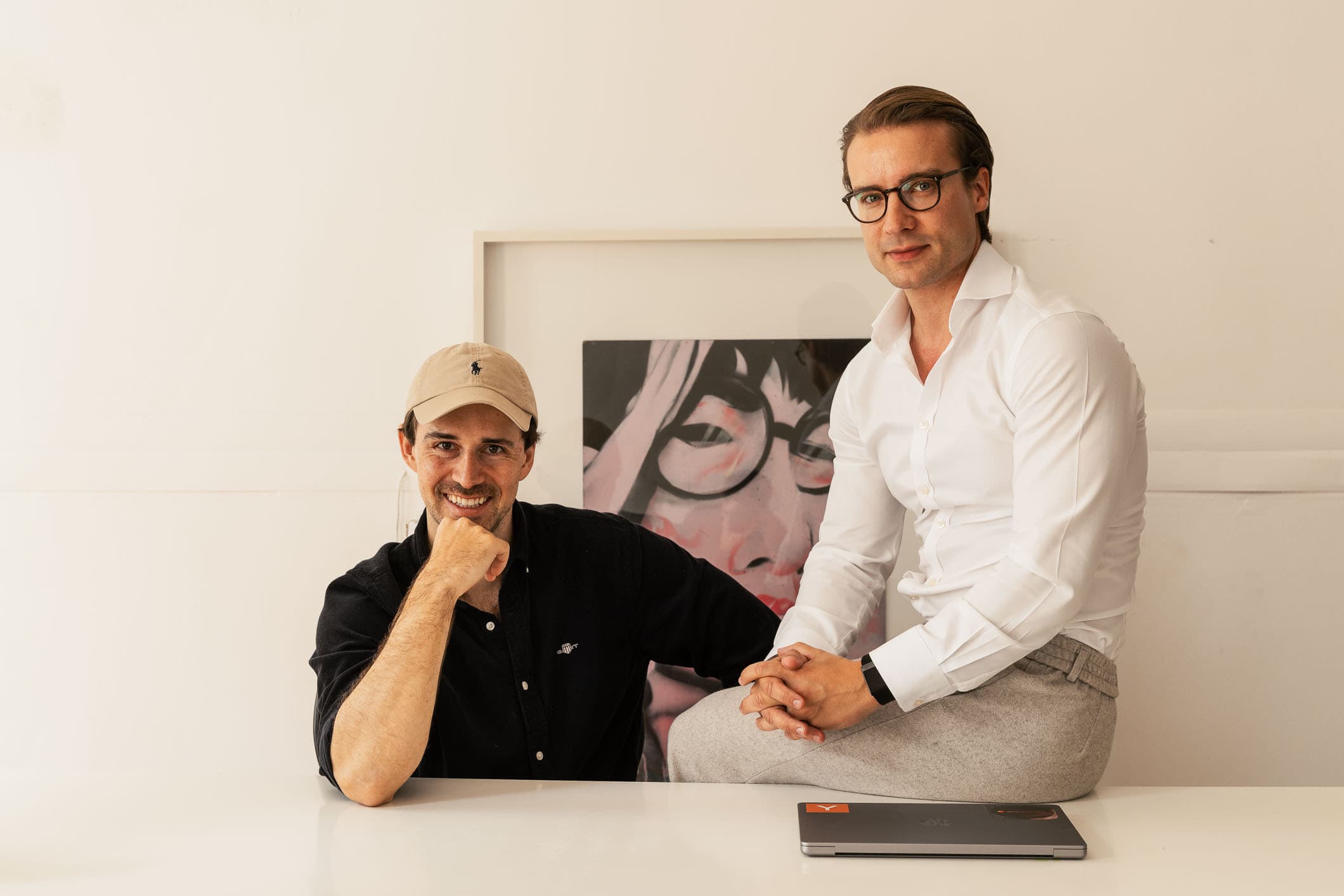
YFood founder Benjamin Kremer is living the dream of many startup founders while feeling the pressure that comes with success. His Munich company has evolved from a pitch on “The Lion’s Den” to a European market leader and now wants to become what Red Bull is for energy drinks: a global symbol for modern nutrition. With prominent support from Kai Pflaume and others, Kremer is driving expansion forward – and speaks openly about how thin the line really is between vision, responsibility and mental strain.


Pressure, vision, prominence – the recipe behind YFood
“We all have this problem from time to time: you have so much to do, you’re on the go all day and simply don’t find the time to eat healthily and in a balanced way”,
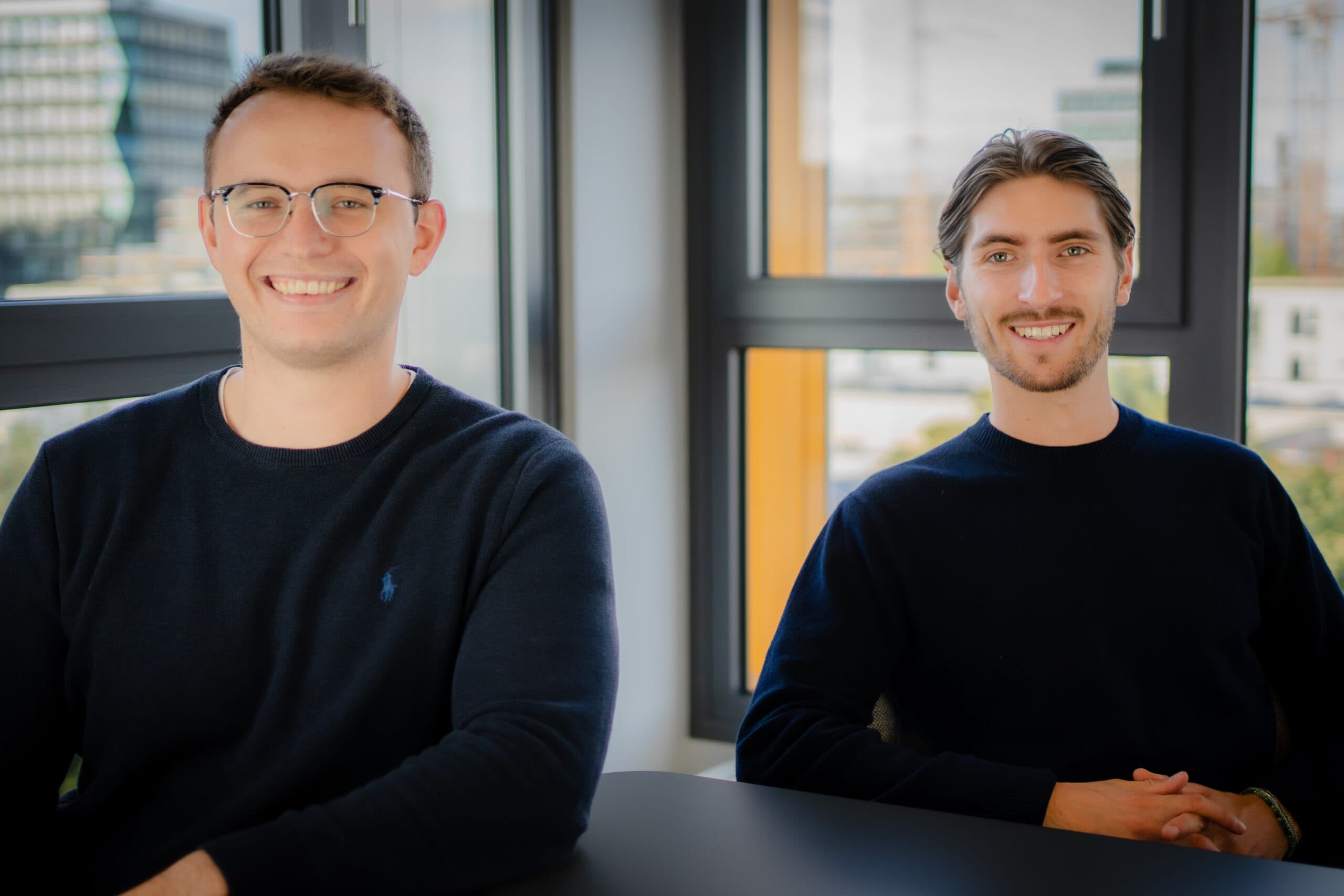
says Benjamin Kremer, founder of YFood. That’s how it all started. Together with co-founder Noel Bollmann, he founded YFood in 2017 with the mission to make healthy eating possible anywhere and anytime. Today, the company employs around 200 people and has sold over 100 million meals across Europe. YFood is currently growing particularly strongly in the UK.
Kremer emphasizes that YFood still sees itself as a startup despite its size:
“We want to keep the agility and dynamism and not fall into corporate structures.”
With Nestlé behind and Red Bull in sight
A decisive step in the company’s history was Nestlé’s involvement, which the founders remain very happy about. Kremer and Bollmann hold 51 percent of the shares, Nestlé 49 percent. This gives them “the best of both worlds” – control over the company and access to a global network. Kremer takes criticism of the large corporation in stride:
“Anyone who does something new will experience criticism. But the cases where you make an innovation and avoid criticism entirely are very rare.”
Looking ahead, he states the goal clearly:
“Our vision is ultimately to not remain a German company with YFood, but to build an international company, a global brand. Our North Star, our great role model, is Red Bull.”
When success means pressure
Behind this success story lies hard work and psychological strain. Kremer tells Munich Startup that in the early years there was hardly a day without new challenges. The pressure was omnipresent: decisions had to be made quickly, often with far-reaching consequences.
The initial phase shaped him especially. YFood was bootstrapped, financed with his own money and that of family and friends. Every mistake could have had existential consequences. Kremer talks about a time when he and his team had no option to fail because there was no one to step in.
Even today, in a phase with less operational burden, the pressure remains. It has changed – from long work days to strategic responsibility. Kremer knows: every decision can influence the future of hundreds of employees.
To cope with this, he relies on balance through family, friends and sport. His co-founder meditates regularly; for himself, clear breaks and exercise are the way to deal with stress. Over the years, says Kremer, he has learned to develop “one level more professionalism” in dealing with pressure.
Kai Pflaume, Sophia Thomalla and the power of the brand
In parallel with building the product, YFood early on pursued a marketing strategy that catapulted the young Munich company into visibility. Collaborations with well-known faces were an important building block.
“Especially in Germany, we worked with many influencers. Kai Pflaume at the beginning, who by the way is a very nice guy and worked really well for us. Then also MontanaBlack, Sophia Thomalla and Knossi.”
This strategy proved decisive. YFood invested strategically in online marketing and its own sales force to be present in supermarkets – and to stay there. Kremer knows that products in retail only get one chance: if they don’t sell, they disappear from the shelves.
The interplay of visibility, influencer marketing and direct presence in retail makes YFood a brand that shines far beyond the product – an approach strongly reminiscent of Red Bull.
Freedom as a driver
Despite his success, Kremer remains down to earth. Material goals have never driven him, he says. What is more important is the freedom to shape his own life and work. For him, success means creating something that makes sense and brings joy – not growth at any cost.
Today, YFood is working to make healthy eating available worldwide. Kremer’s goal remains the same as in 2017, only the dimension has changed. He wants to create a global brand that rethinks nutrition and is internationally relevant.