
Munich Startup: What measurable difference does your solution make today?
Lukas Paetzmann, co-founder & CEO: At Articly, we automatically transform text content into audio experiences like podcasts for our customers. Concretely, we see three effects: First, our partners reach audiences who consume traditional texts little – for example in situations like traveling, in the car, or while multitasking. Second, content utilization increases significantly: an article can be repurposed multiple times. And third, monetization potential is created immediately through audio ads and sponsorships.
Munich Startup: Why are you faster, better, or bolder than established providers?
Wolf Weimer, founder & CEO: Because we don’t just build technology and “throw it over the fence,” but complete workflows and audio products – always closely coordinated with our customers. Our approach is a clear managed service: we take the complexity away from our partners instead of just delivering a tool.
Lukas Paetzmann: This also includes continuously integrating the leading AI and text-to-speech models. Our customers always get state-of-the-art – without having to build expertise themselves or worry about technological developments.
Shift to B2B platform was decisive
Munich Startup: What decision was the most important so far?
Wolf Weimer: The most important decision was the clear shift from a consumer app to a B2B and platform model. We understood early on that the bigger leverage lies in scaling through strong partners and existing distributors. Since we started understanding Articly as an AI service partner for media companies, mobility companies, and communicators, we’ve been able to make major progress. This massively accelerated our growth and positioned us strategically very differently. But we’ve stayed true to ourselves: we wanted to stand for first-class audio experiences from the start.
Munich Startup: Which phase gave you the most growing pains?
Lukas Paetzmann: The biggest phase with growing pains was clearly the transition from first pilots to scaling operations. In the early phase – despite all the automation – many manual processes were still necessary, even in projects with renowned publishers. There had to be significantly more human checks than we liked long-term.
Fortunately, I’m an early riser and Wolf tends to work late shifts – that helped during that phase. And we learned from it: automation is not just our product promise for customers, but also crucial internally.
The future: personalized audio
Munich Startup: Where do you want to be in five years and what needs to happen by then?
Lukas Paetzmann: In five years we see ourselves as a leading player for AI audio in the German media landscape – with broad market coverage across publishers, mobility, and corporations. A central lever will be personalized audio: tailored podcasts and briefings, like we already offer in the ICE portal – just scaled significantly further.
Wolf Weimer: In AI years, five years is almost a horizon of 20 years in earlier times… By then the world will look somewhat different and our products will sound and feel somewhat different. I can hardly wait! But one thing is certain – we’ll be operating internationally more than today. Munich remains our home though.

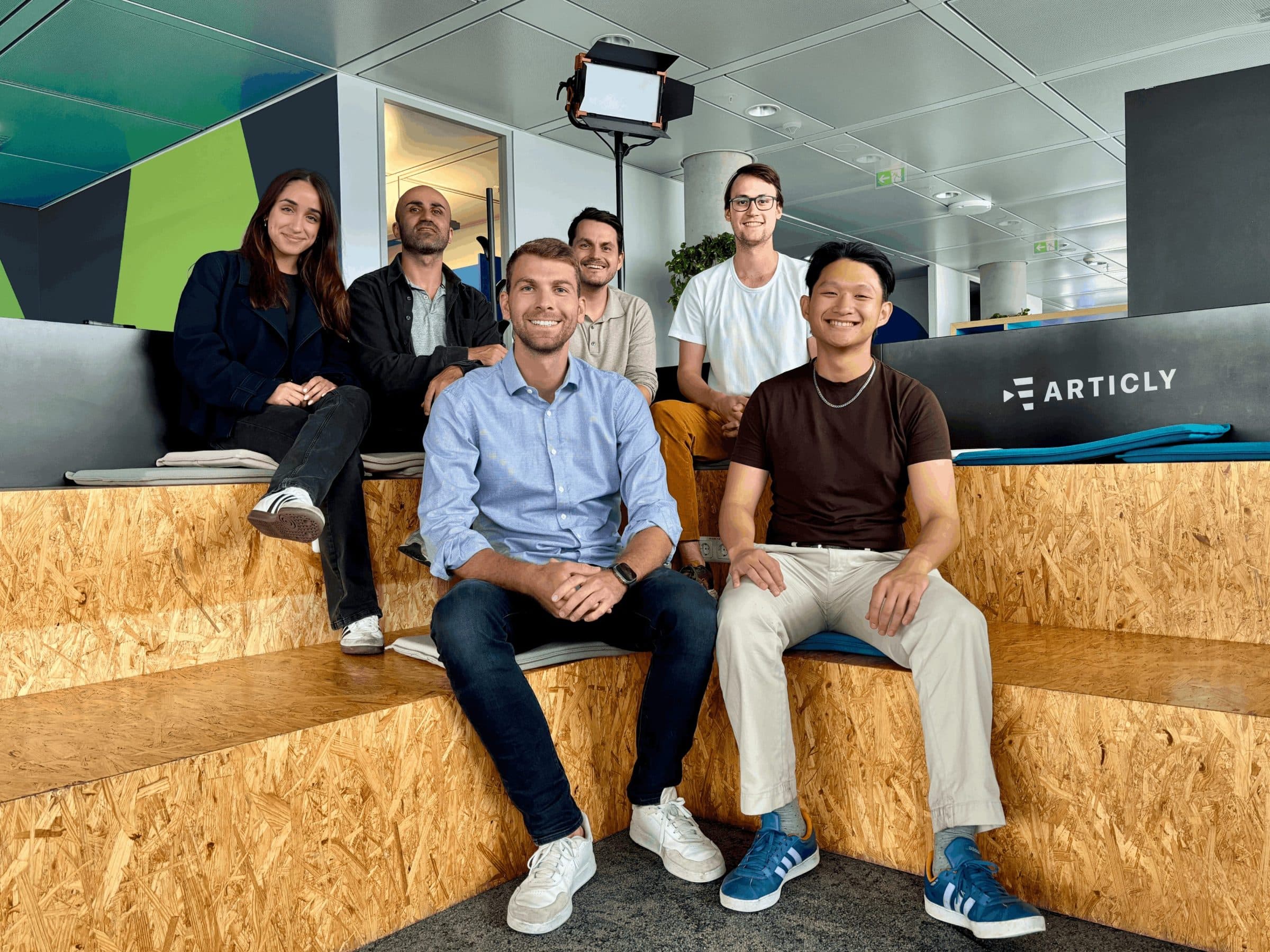
Articly was founded in 2020 and offers AI-based audio solutions for companies and media companies. The platform automatically transforms text into high-quality audio formats and opens new paths for reach and monetization.
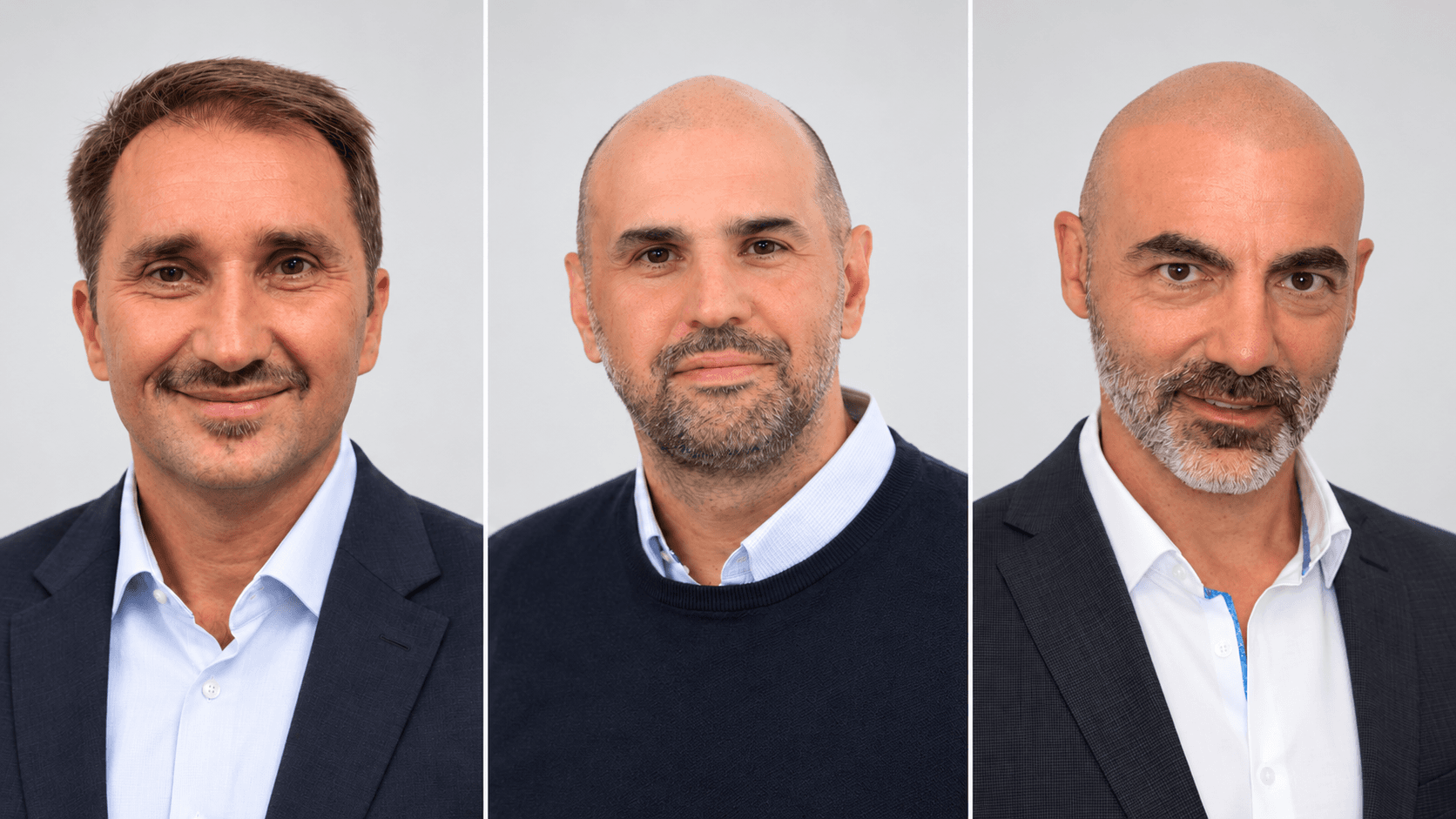
The startup was founded by Wolf Weimer, who started Articly initially as a side hustle. Later, Lukas Paetzmann joined, whom he knows from studying at Zeppelin University. Both bring international experience from positions at PwC, Google, and study stays in London and Rotterdam.
(Photo: Cineworx)
Munich Startup: What works particularly well in the Munich startup ecosystem and where would you like more support?
Wolf Weimer: We’re extremely satisfied with Munich as a location. Particularly strong is access to talent – for example through the TU München, where we were able to recruit excellent developers. Many of our customers are also located right here, such as O2 Telefónica, ProSiebenSat.1, or Burda. Within the ecosystem itself we’re very well networked, for example through the Media Lab Bayern or our innovation space Wayra. And last but not least, we were able to establish our own event in this city with the AI Audio Day because there’s such a dense scene of partners, sponsors, and speakers in Munich.
Munich Startup: Remote team or office culture?
Wolf Weimer: As digital as we operate, remote actually works pretty well for us…
Lukas Paetzmann: …but good office culture is also very important to me. Working together is simply more fun and often more productive. But that’s probably the only thing where Wolf and I might disagree a bit.