
Wer kennt sie nicht? Die grünen Reisebusse, die mittlerweile auf allen deutschen Autobahnen zu sehen sind und durch ihr auffälliges Design gleich ins Auge stechen. Und wer hat sich nicht schon einmal diebisch gefreut, im Stau neben eben genau so einem Bus zu stehen und dessen WLAN anzuzapfen? Schon längst macht FlixBus der Deutschen Bahn und Co. heftig Konkurrenz bzw. läuft ihnen gar den Rang ab.
Das Münchner Unternehmen bietet mit 120.000 täglichen Verbindungen zu 1000 internationalen Zielen mittlerweile Europas größtes Fernbusnetz. 2015 beförderte FlixBus mit insgesamt 20 Millionen Kunden erstmals mehr Reisende als der innerdeutsche Luftverkehr. Doch wie haben die Gründer Daniel, André und Jochen aus dem einstigen Münchner Startup einen derartigen Marktriesen geschaffen, der unaufhaltsam dem Erfolg entgegenfährt?
-

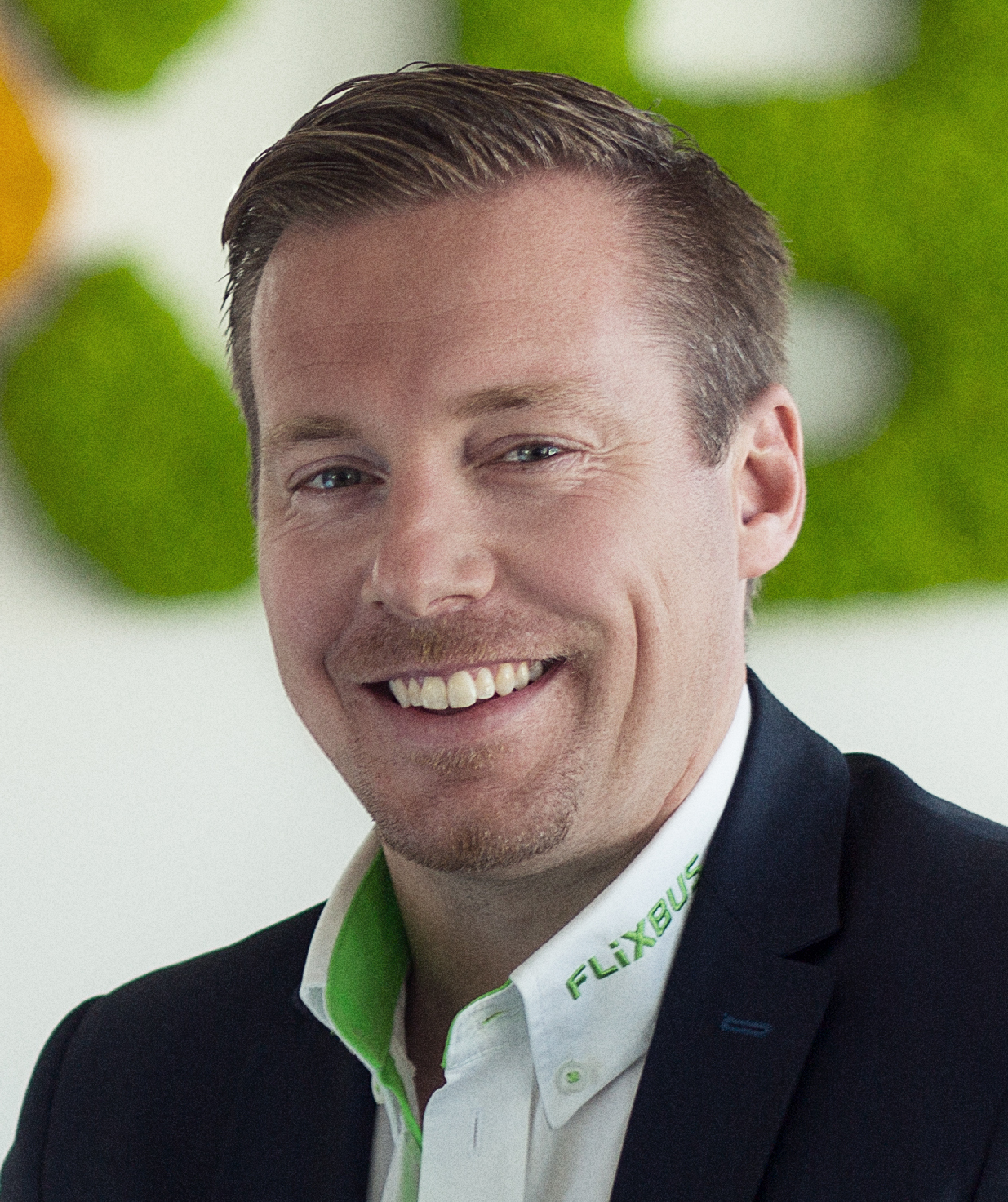
- André Schwämmlein
-

- Daniel Krauss

-

- Jochen Engert

Daniel und André sind alte Schulfreunde, sie kennen sich von Kindheit an, studieren beide in Franken. Bereits 2005 gründen sie ein gemeinsames Unternehmen, das sie nach zwei Jahren allerdings schon wieder verkaufen. Beide studieren eine Zeit lang im Ausland, genauer gesagt in China, bevor es Daniel in die USA zieht, wo er für einen Automobilzulieferer arbeitet. Danach kehrt er nach Bayern zurück und arbeitet in München für Microsoft. Zusätzlich macht er währenddessen seinen Master in Organisations- und Personalentwicklung in Erlangen. Die Freunde treffen sich in Deutschland wieder und schnell ist klar: Sie wollen wieder etwas Gemeinsames auf die Beine stellen. Mit an Bord ist auch Jochen, den André vom Fußball kennt.
„Wir haben uns viele Gedanken gemacht und tausende Ideen gesammelt, von Stricksocken bis zu diversen Onlineportalen war alles dabei“,
erinnert sich Daniel.
„Eines Tages kam dann André mit der Info, dass das Personenbeförderungsgesetz gelockert werden sollte und dann haben wir gleich losgelegt. Wir dachten uns: Wenn sich ein Markt derartig öffnet, lässt sich mit Technologie und einer neuen Herangehensweise sicherlich was Cooles aufbauen.“
„Geld allein ist nicht alles“
Bereits 2010 beginnen die Gedanken zum Projekt FlixBus Form anzunehmen, 2011 gründet man eine GbR, die dann später in eine GmbH umgewandelt wird. 2012 werden die Vorbereitungen auf das Geschäft immer intensiver, schließlich soll die Gesetzeslockerung Anfang 2013 über die Bühne gehen. So kommt es dann auch und im Februar 2013 rollen die ersten FlixBusse über die Straßen.
Es dauerte allerdings zunächst einige Monate bis man sich über das anzuwendende Modell einig ist: Soll man Busse mieten, leasen oder am Ende sogar gleich kaufen? Oder vielleicht doch lieber mit Partnerunternehmen zusammenarbeiten? Diese Entscheidung zu treffen, war laut Founder Daniel in der frühen Unternehmensgeschichte der wichtigste Punkt:
„Wir drei haben ein Jahr mit der Partnersuche verbracht und sind durch ganz Deutschland getingelt, um mit Busunternehmen zu sprechen.“
Als nächster Schritt stand die Kapitalsuche auf der Agenda.
„Da gehört natürlich auch immer eine Menge Glück dazu“,
meint Daniel. Sie lernen ihren ersten Business Angel, Dr. Heinz Raufer, Gründer von hotel.de, über den Businessplan Wettbewerb Nordbayern kennen und kommen durch ihn an weitere wertvolle Kontakte:
„Ein knappes halbes Jahr später kam dann die zweite Business Angel Runde und mit GoLife die erste VC-Runde“,
erklärt Daniel und betont gleichzeitig:
„Geld ist aber nicht alles. Wenn man einen Investor findet, ist es schon sehr wichtig, dass er zu einem selbst und zum Unternehmen passt. Know-how und ein gutes Netzwerk sind außerdem nicht zu unterschätzen.“
Mit diesen zwei wichtigen Punkten kann ein weiterer Business Angel dienen, der sich in der Branche bestens auskennt: Harald Baumann von Baumann Bus. Ein Fachmann, der nicht nur mit Geld, sondern auch mit Expertise unterstützen kann.
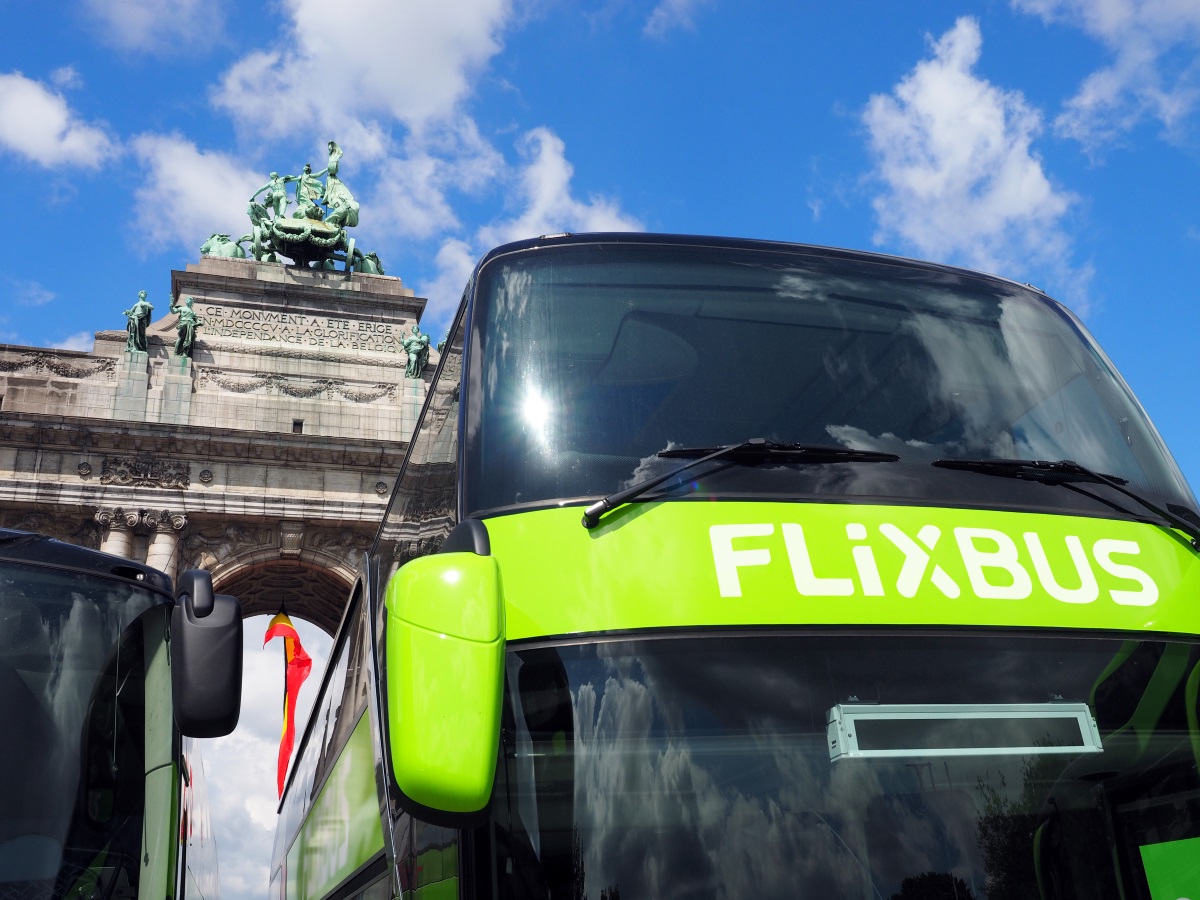
© FlixBus
Zum damaligen Zeitpunkt wird es dann auch langsam aber sicher Zeit für ein eigenes Büro. Also bewerben sich Daniel, André und Jochen beim LMU EC. Doch die dort zur Verfügung stehenden Kapazitäten werden schnell ausgeschöpft und als sie anfangen, Praktikanten einzustellen, die auch die Büros anderer Lab-Bewohner in Beschlag nehmen, ist ihre Zeit nach weniger als einem halben Jahr im LMU EC gezählt und man sucht sich neue Räumlichkeiten in der Theresienstraße. Bis Ende 2012 zählt das Unternehmen bereits 30 Mitarbeiter.
Die Geschichte mit MeinFernbus
Doch wie es immer so ist, die Konkurrenz schläft nicht und der Wettbewerber schlechthin ist kein geringerer als MeinFernbus aus Berlin. Die Gründer haben etwa ein dreiviertel Jahr Vorsprung, was die Planungen angeht und somit auch einige Vorteile auf ihrer Seite. Daniel erinnert sich:
„MeinFernbus war immer ein bisschen größer als FlixBus, dafür aber mehr Verkehrsunternehmen während wir mehr IT-Unternehmen waren und aggressiver im Marketing zu Werke gegangen sind.“
Ein Jahr lang machen sich die beiden Startups gegenseitig gehörig Feuer unterm Hintern, bis die Einsicht kommt, dass man dadurch die eigene Existenz gefährdet.
„Wir wollten keinen lachenden Dritten, der aus unserer Konkurrenz hervorgeht“,
sagt Daniel und so kommt man zu einem Konsens:
„Wir wollten das Beste aus beiden Welten vereinen, um uns mehr auf Europa konzentrieren zu können, anstatt uns gegenseitig auf dem Heimatmarkt zu bekämpfen.“
So einigen sich die beiden Parteien auf eine Zusammenarbeit unter dem international besser anwendbaren Namen FlixBus, im strahlenden Grün der Marke MeinFernbus. So wird aus den beiden Konkurrenten Anfang 2015 ein Unternehmen.
Was sagt der Münchner über Berlin?
Wenn Berlin und München in einem Atemzug genannt werden, dann wird schnell die Frage nach den Unterschieden zwischen den beiden Startup-Hubs laut. Daniel findet:
„In München ist der Startupmarkt noch nicht so heißgedreht wie in Berlin. Die Szene ist enger und kleiner, man kennt sich, man hat die Entrepreneurship-Center der Universitäten und bekommt relativ schnell Zugang in die politischen Kreise. Das alles zusammen funktioniert sehr, sehr gut.“
Und weiter:
„Ich habe den Eindruck, dass das mit dem Gründen in München alles nochmal ein bisschen ernsthafter angegangen wird. In Berlin ist schon sehr viel Trial and Error dabei.“
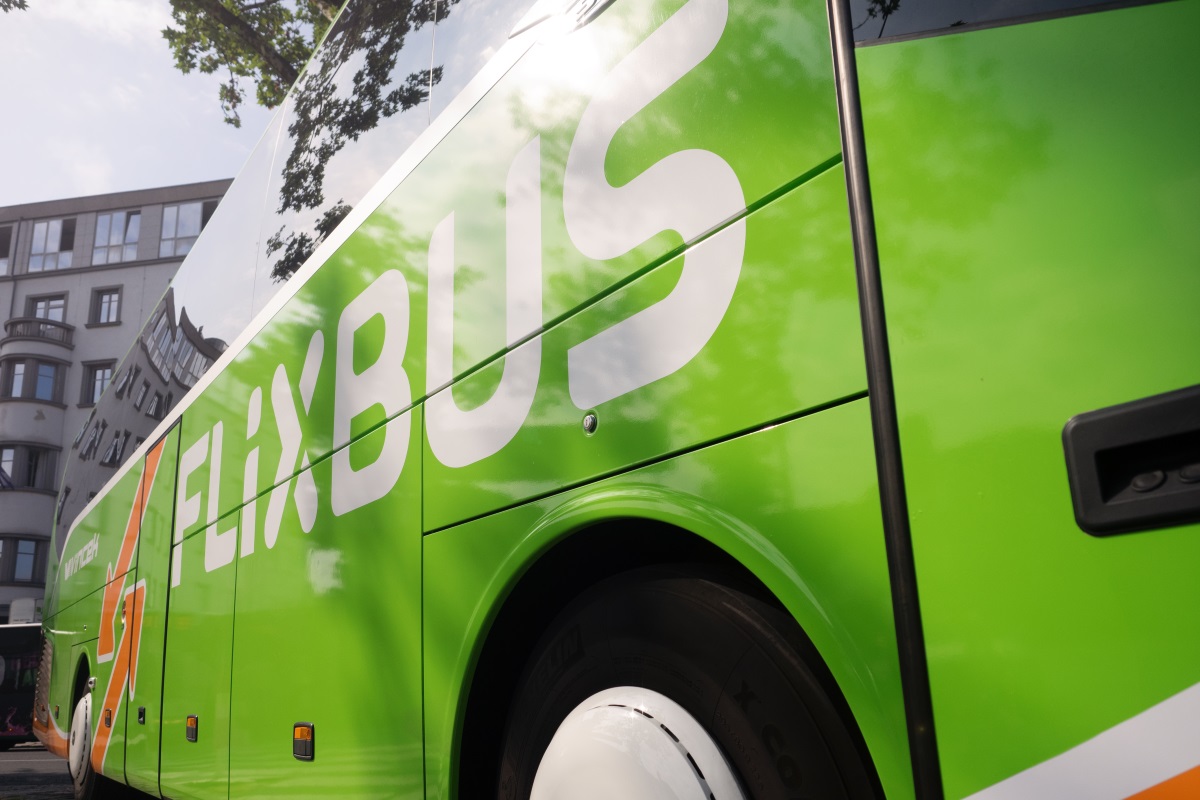
© FlixBus
Die Infrastruktur sei in der Landeshauptstadt wahrscheinlich sogar ein bisschen besser als in Berlin,
„Berlin hat dafür das größere Ökosystem und lockt mehr Leute an, die mit dem Mindset ausgestattet sind, in einem Startup arbeiten zu wollen.“
Vieles selber machen, aber nicht alles
Dass der Aufbau eines Startups immer mit gewissen Risiken verbunden ist, ist kein Geheimnis. Wichtig ist es daher, an den richtigen Schrauben zu drehen und zum richtigen Zeitpunkt die richtigen Entscheidungen zu treffen. Daniel ist sehr zufrieden, wie er und seine Mitgründer das Projekt FlixBus angegangen sind:
„Es war richtig, dass wir ein Asset Light Modell gewählt haben, und tatsächlich die Synergien geschaffen haben zwischen Buspartnern aus dem regionalen Mittelstand, unserem Technologieanteil und unserer Marketingkompetenz, sodass sich jeder auf seine Stärken konzentrieren konnte. Nur so konnten wir so schnell wachsen.“
Extrem wichtig und ausschlaggebend sei es auch gewesen, alle wirklichen Key Assets im eigenen Haus unterzubringen, vom Online-Marketing bis hin zur IT-Entwicklung. Anfangs habe man noch mit einer Agentur zusammen an der Entwicklung gearbeitet, wovon Daniel im Nachhinein nun aber doch eher abraten würde. Sein Tipp lautet:
„Was für dein Unternehmen wirklich super relevant ist, solltest du selbst machen. Du hast dadurch bessere Kontrolle und machst es dadurch gewissenhafter und letztendlich besser.“
Das heißt aber nicht, dass man alles selber machen muss. Im Gegenteil. Gerade Themen wie Finance und Legal schätzt der FlixBus-Chef als extrem wichtig ein:
„Da sollte man sich nicht überschätzen, sondern lieber früher als später mal einen Anwalt oder Steuerberater befragen, damit alles richtig aufgesetzt ist, sonst holt das einen irgendwann ein.“
FlixBus wird zu dem europäischen Mobilitätsanbieter
Am aktuellen Standort am Hirschgarten in München zählt FlixBus mittlerweile stolze 300 Mitarbeiter, die auf über fünf Stockwerken in modernen Offices arbeiten. Viele weitere sind über Städte wie Berlin, Paris, Mailand, Zagreb, Kopenhagen usw. verteilt.
In der jüngsten Vergangenheit machte FlixBus vor allem durch richtungsweisende Übernahmen von sich reden. So übernahmen die Münchner das europäische Kontinentalgeschäft von megabus.com und Postbus. Damit erweitert das Unternehmen seinen Einfluss in ganz Europa und treibt das Geschäft mit Sieben-Meilen-Stiefeln voran. Erst kürzlich folgte die Bekanntgabe der Expansion nach Skandinavien. So kann man davon ausgehen, dass es bald unmöglich sein wird, ein europäisches Land zu bereisen, ohne einem der grünen Busse zu begegnen. Und sollte dem so sein: Schnell das WLAN auf dem Handy aktivieren!