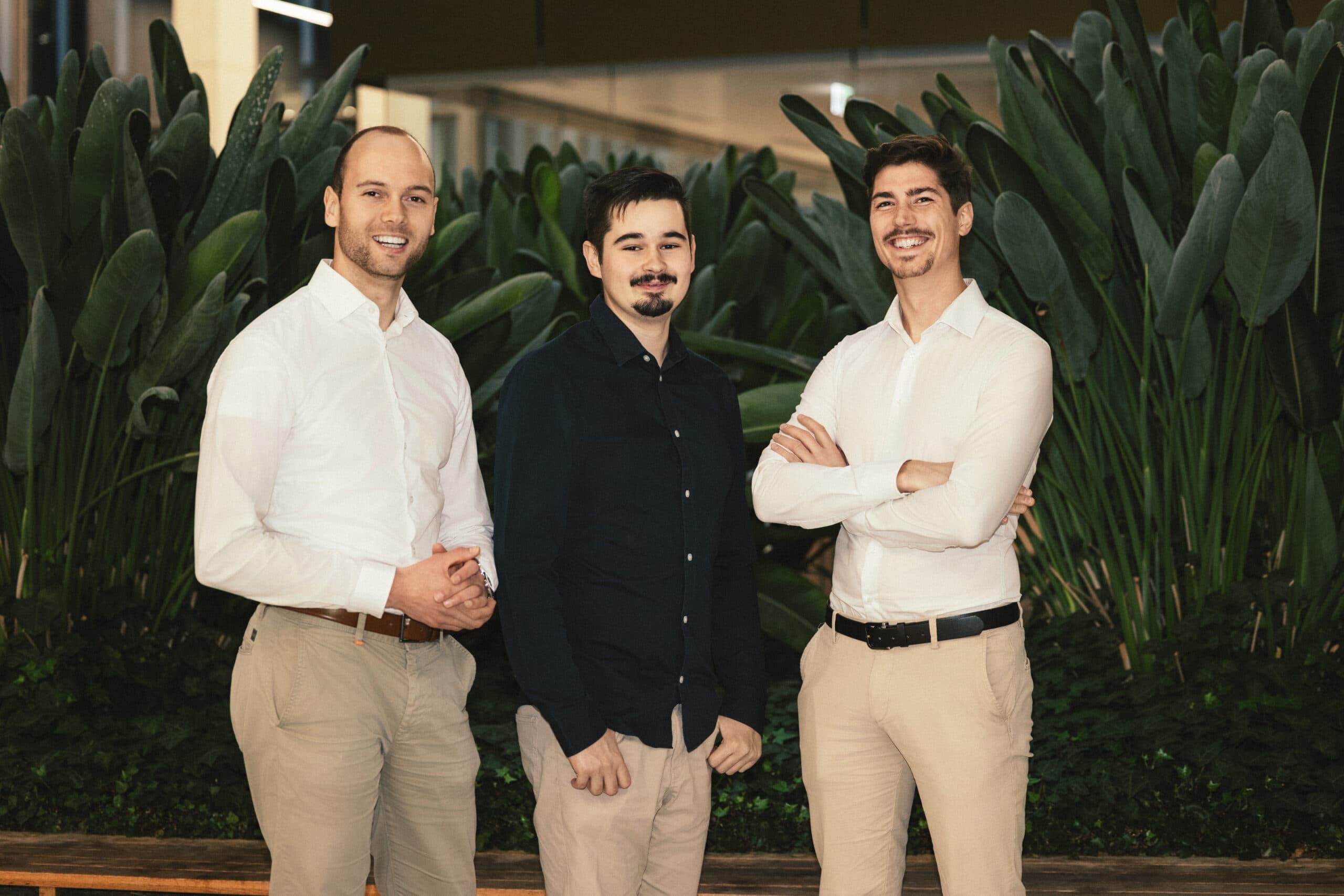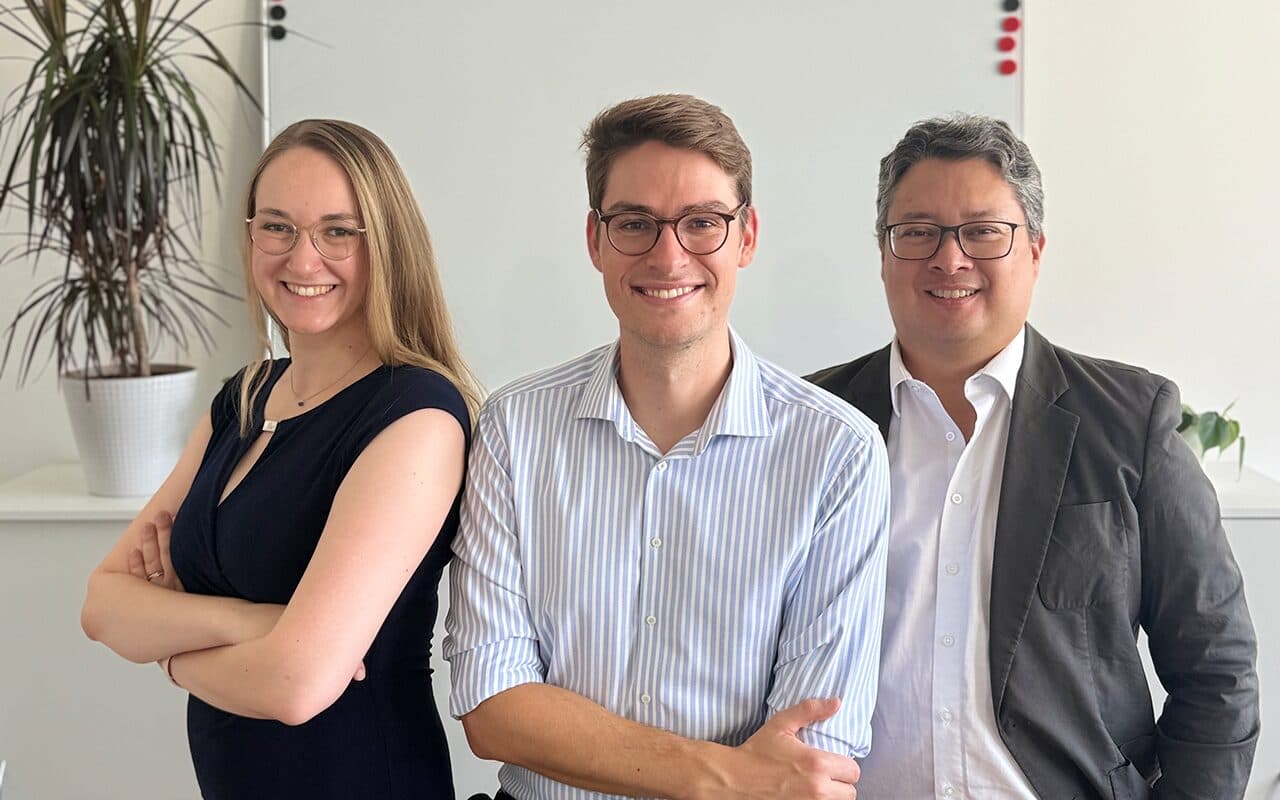

Munich Startup: What does your startup do? What problem are you solving?
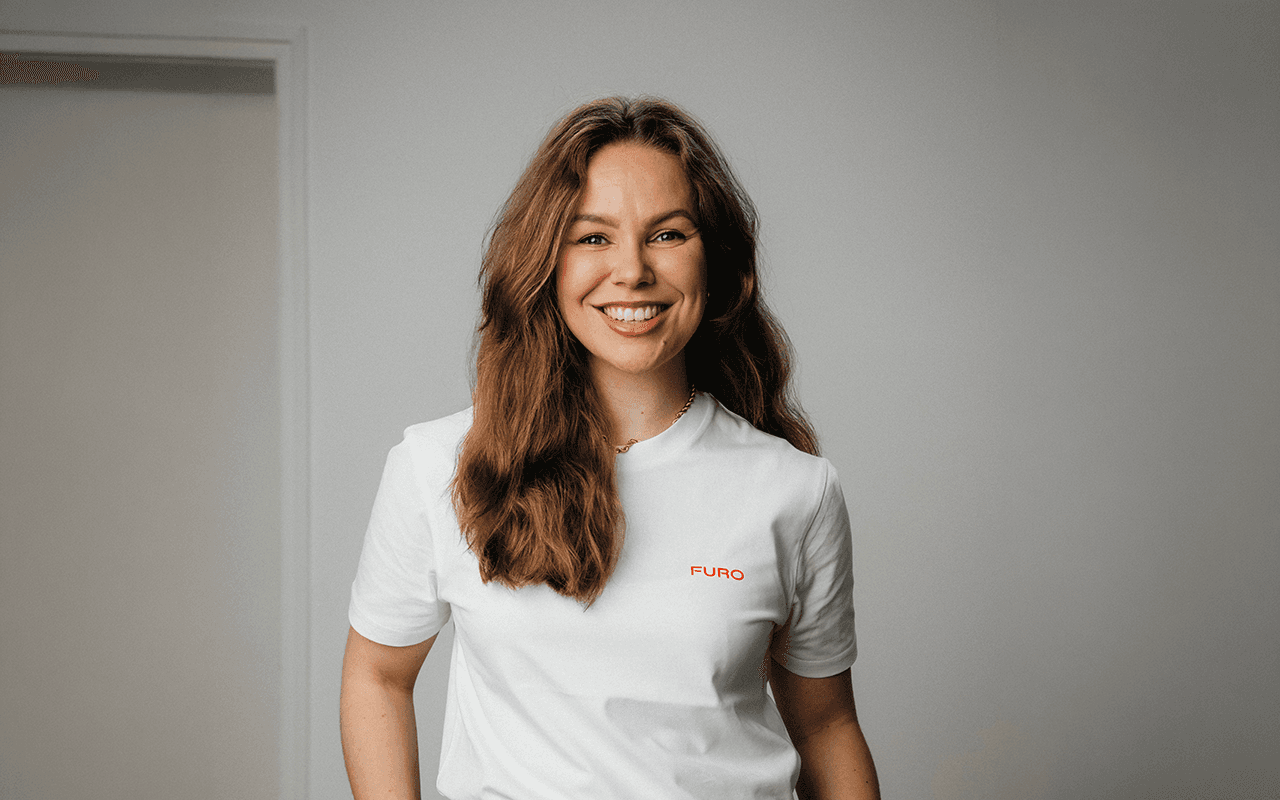
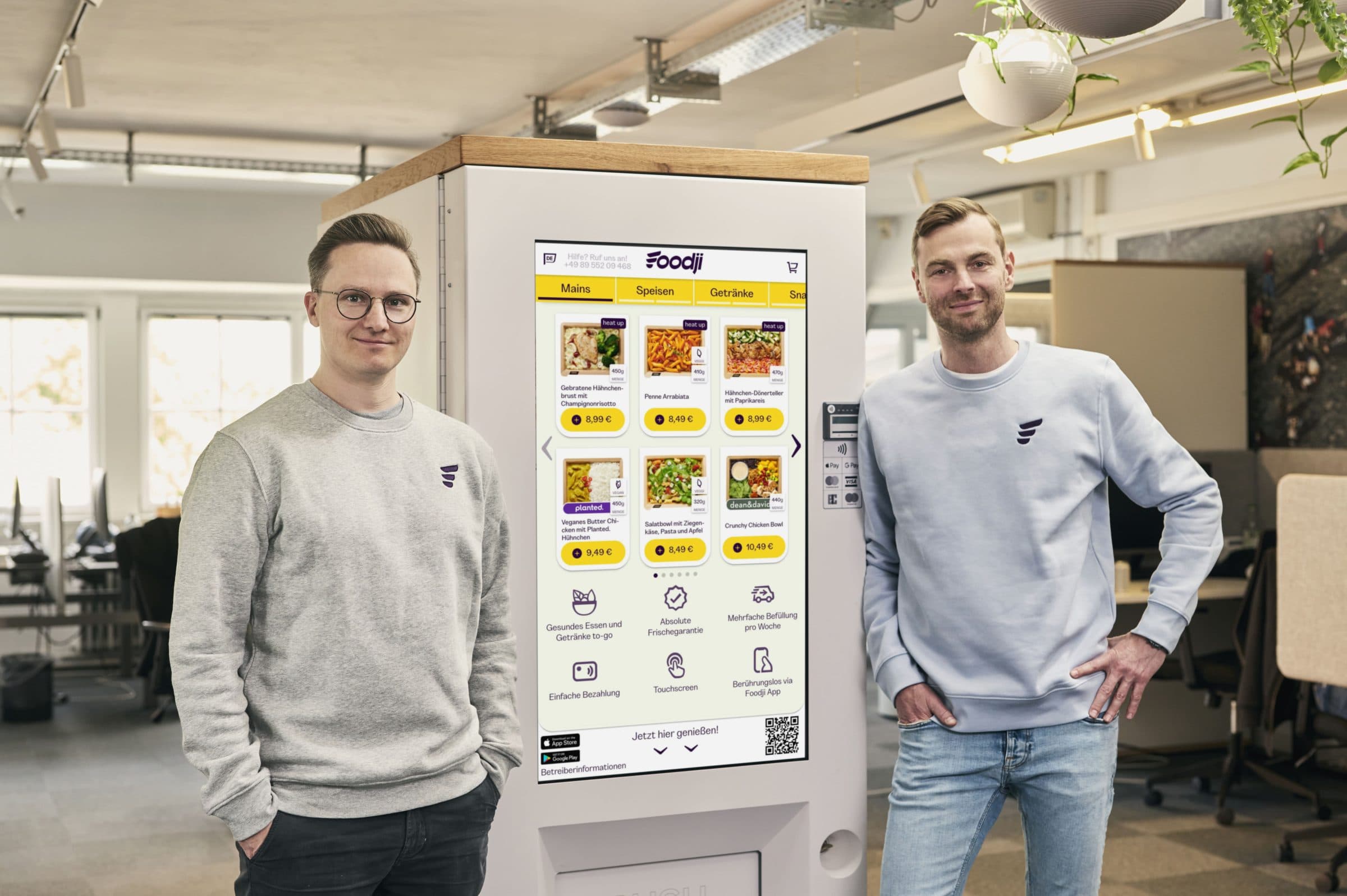
Felix Munte, co-founder and CEO of Foodji: Germany has a serious supply gap: it is estimated that nine out of ten companies with more than 30 employees do not offer their teams an in-house food service at the workplace – affecting approximately 100,000 businesses. Employees working shifts and night shifts in particular struggle to eat healthily at work. Yet healthy nutrition plays a key role in well-being, motivation, and employee retention. We have developed an intelligent food vending machine that uses a proprietary technology platform to provide fresh and wholesome meals directly at the workplace – 24/7. This allows all employees in companies of any size to eat healthily right on-site and benefit from more restorative breaks.
Solution for companies with 30 or more employees
Munich Startup: But that already exists, doesn’t it?
Felix Munte: The concept of providing fresh salads and wholesome meals completely automatically around the clock is new to our working world: the most well-known solution for workplace catering is still the canteen. However, small and medium-sized enterprises often cannot or do not want to afford this because it only makes economic sense above a certain number of guests. A Foodji, on the other hand, is an option for companies with as few as 30 employees – and is many times cheaper than a staffed bistro. This allows companies to maintain high standards in employee catering at a fraction of the cost.
Also new is how we use AI: we developed the software underlying the Foodji ourselves. AI forecasts demand at each location, optimizes logistics, and ensures the right meals are available at the right time in the right place. Through this demand-driven quantity planning, we reduce food waste to a minimum.
Munich Startup: What is your founding story?
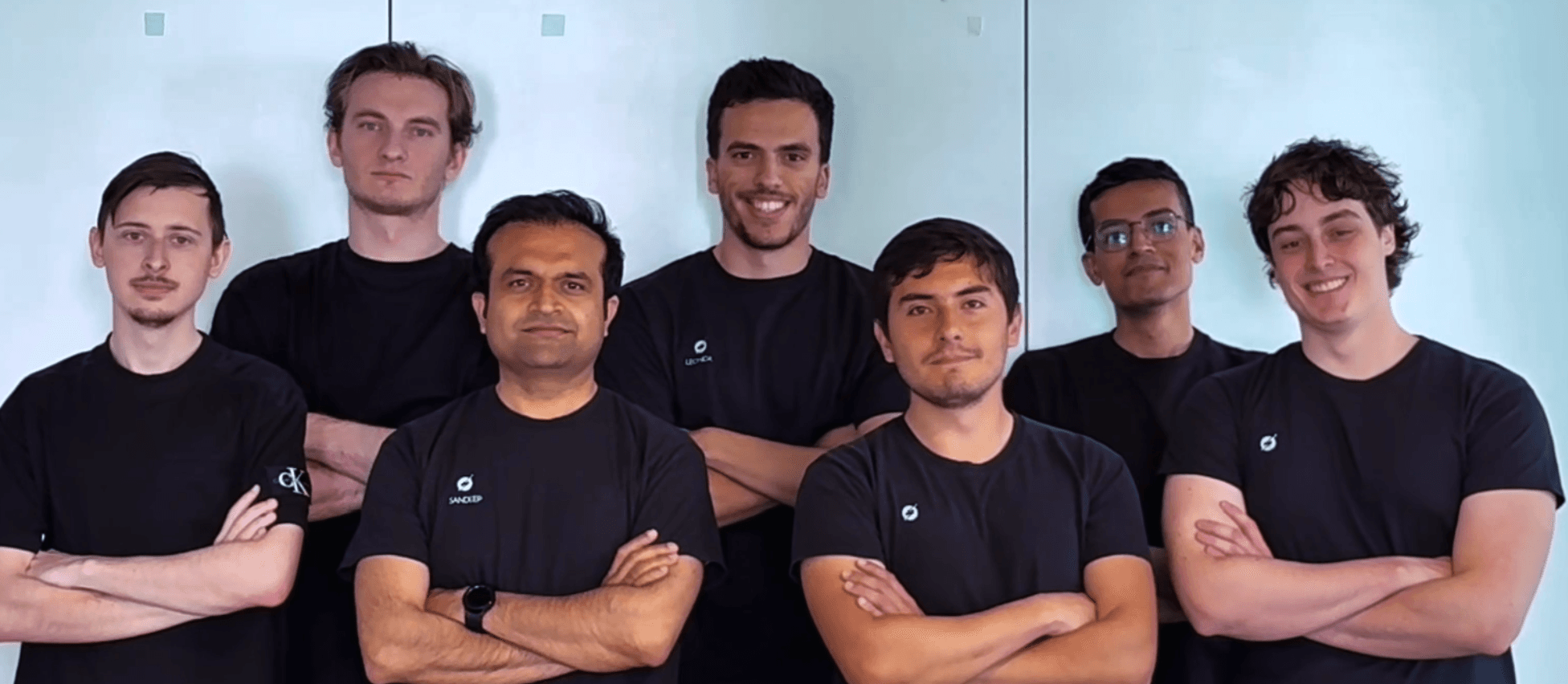
Felix Munte: My co-founder Daniel and I previously worked in management consulting. There, evenings could often run late. We frequently found ourselves asking: where can we get something to eat now? The offices usually only had typical snack machines with drinks and sweets. That’s when we asked ourselves: how could you actually modify a vending machine so it can also offer fresh food? And that’s how the idea for Foodji was born. We brought expertise in the areas of food, IT, and machine learning on board with Nicolas, Moritz, and Oliver – and finally founded the company in 2016. We became operational in 2019/20. Since then, we have grown continuously and nearly quadrupled our revenue over the past two years.
Workplace catering has a positive effect on employee retention
Munich Startup: What have been your biggest challenges so far?
Felix Munte: Our biggest challenge is sensitizing the market and removing mental barriers – we still have a lot of educational work to do here, especially in Germany. For example, would you associate fresh salads with vending machine food? Probably not. But that’s exactly the kind of meals we offer with Foodji – made possible both through the cook-and-chill method, high-quality ingredients, and collaboration with regional partners, and thanks to our technology platform and seamlessly coordinated supply chain processes that we continuously optimize.
Many companies also don’t know what costs arise from a lack of in-house catering – from the direct time loss due to food procurement, but also from indirect costs: healthy workplace catering has a positive effect on employee retention, and when it is strongly developed, it leads to up to 50 percent less turnover, 78 percent fewer absences, and up to 17 percent higher productivity. This was demonstrated by a meta-analysis by Gallup last year. A resignation, on the other hand, costs the employer up to 150 percent of the gross annual salary. So it’s worth investing in workplace catering.
Another challenge: our original go-to-market strategy was aimed at small and medium-sized enterprises. Increasingly, we see inquiries from large companies where Foodji complements, for example, an existing canteen. To serve this demand, we are adapting our sales structures accordingly. We see this as a great opportunity and learn something new every day.
Our vision is to make healthy food at every workplace the standard
Munich Startup: Where do you want to be in one year, where in five years?
Felix Munte: Our vision is to make healthy food at every workplace the standard – in companies of all sizes. To achieve this, we are pursuing ambitious growth targets and want to reach a four-digit number of Foodji locations. At the beginning of the year, we expanded our availability to more cities, and more will follow in the course of the year. In addition, we want to expand our presence in larger companies – whether as a useful supplement to the canteen or as an alternative to it, especially given the many canteen closures that we keep reading about. Throughout all this, we want to continue prioritizing sustainability by collaborating with regional partners in food preparation, offering vegetarian and vegan alternatives, and reducing food waste to a minimum through demand-driven quantity planning. In five years, we want to further consolidate our position as market leader and have closed as many supply gaps as possible in the over 100,000 companies with more than 30 employees. We want to supply these companies from our central logistics hub.
Munich Startup: How have you experienced the startup location Munich so far?
Felix Munte: In a way, Munich reflects the challenges of the entire German startup ecosystem. On the one hand, we appreciate the high quality of life and the dense network in the city, particularly with regard to the many accelerators and incubators located here – such as the startup center at TU Munich, UnternehmerTUM. We find real top talent here, even though competition is correspondingly fierce. On the other hand, we also encounter unnecessary hurdles and bureaucracy in Munich – as throughout Germany – that make everyday founder life even more difficult. Overall, the location has shown us that what is needed above all is a fundamental, system-wide improvement to give innovative companies the space they need.
Munich Startup: Risk or security?
Felix Munte: We do not see risk and security as opposites, but as two sides of the same coin. As founders, we must have the courage to take calculated risks, otherwise we cannot build a company from the ground up. At the same time, this does not mean acting recklessly. We approach risks strategically, with clear focus and long-term vision, to build a stable and healthy company. It’s about finding the balance: living out the drive for innovation while keeping an eye on the necessary security aspects.