
Munich Startup: Please introduce yourselves and Data&Innovation briefly.
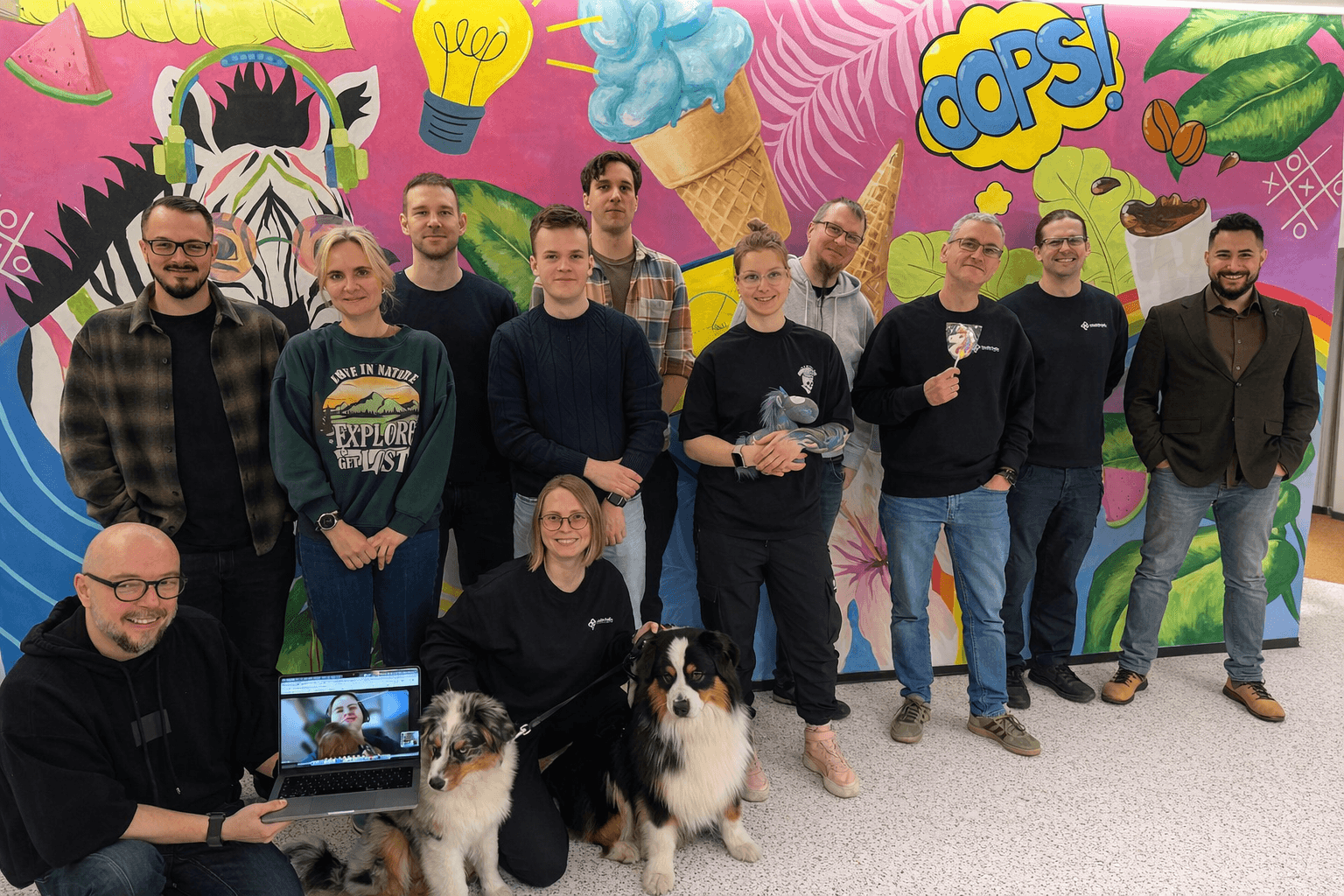
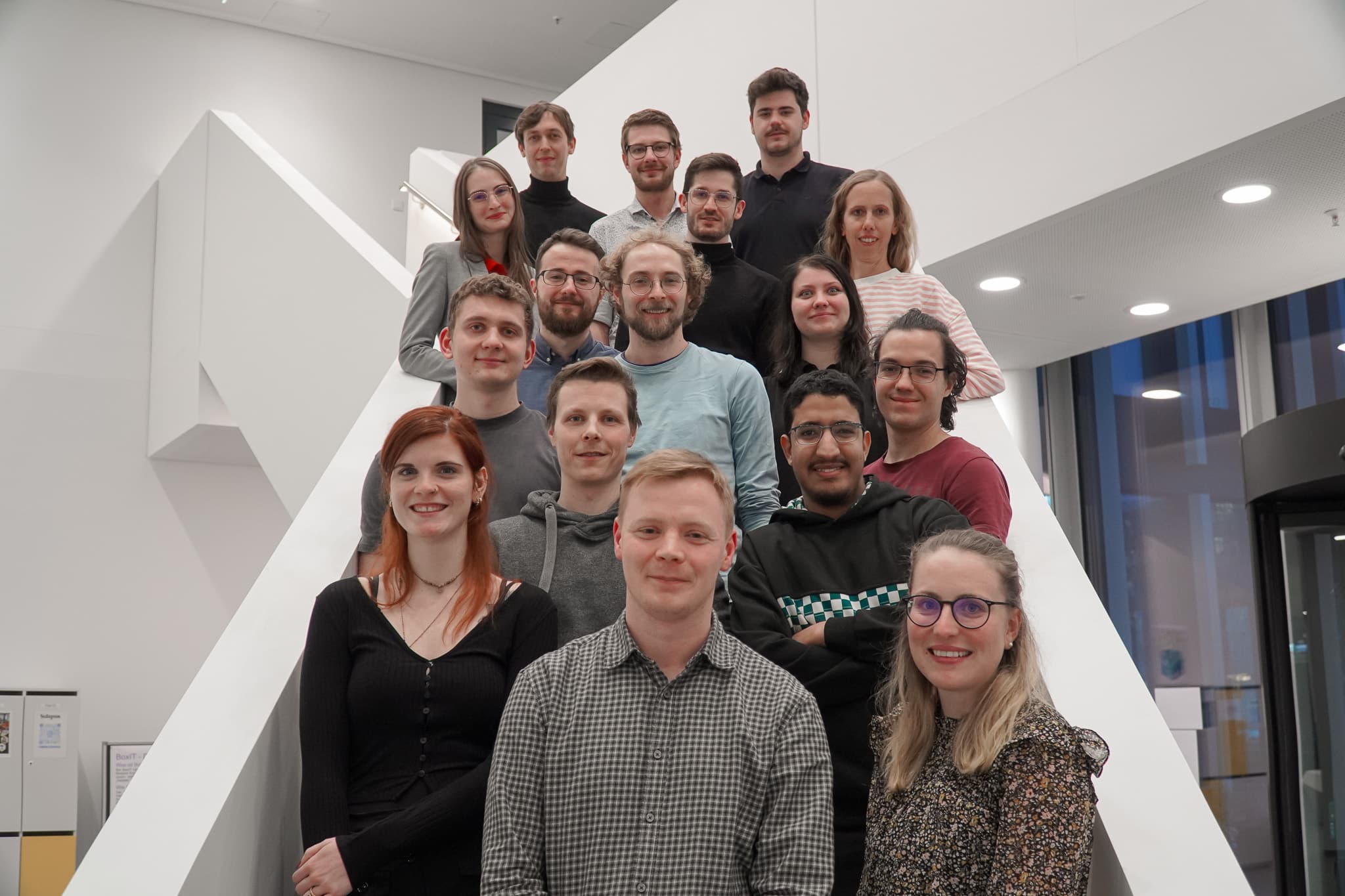
Stefanie Lämmle: We are the InnovationLab and the AI Competence Center (KICC), the two teams of the Data&Innovation department, which specializes in technical innovations and technology expertise in the field of machine learning and AI. Both teams currently have eight employees each. The main task of the InnovationLab is to identify new technologies and trends and develop innovative solutions that could be of interest to the IT department and the Munich city administration. The AI Competence Center is responsible for the development and operation of AI-based tools, such as our MUCGPT, a GenAI tool for all employees of the Munich city administration.
Munich Startup: What role does the Data&Innovation office play in Munich’s digital transformation?
Stefanie Lämmle: Data&Innovation plays a central role in Munich’s digital transformation. We drive technical innovations forward and develop new technology expertise within the city administration. Through the method of “Strategic Foresight,” we identify future developments and trends that are relevant to Munich. Our work helps introduce modern working methods and technologies (such as artificial intelligence) and position the city administration as an attractive employer for new talent.

Startup collaborations with impact
Munich Startup: What do you focus on when working with startups?
Stefanie Lämmle: When collaborating with startups, we place great emphasis on creativity, innovation, and user-centricity. We look for solutions that meet the specific needs of Munich, the state capital, while also being compliant with data protection regulations and sustainable. A good example is our collaboration with the startup Treesense in a pilot project for the preservation of urban trees, the cooperation with Ikigai on matching our junior staff to internal positions, or the exchange with the startup forml in the area of AI support for housing benefit allocation.
Munich Startup: What technologies or trends do you see as particularly relevant for the future development of the city administration?
Stefanie Lämmle: Currently, we receive most inquiries about the hype topic “Artificial Intelligence” (AI). We assume that the implementation of use cases in this area will also play a central role for the Landeshauptstadt München in the coming years. AI has the potential to optimize numerous processes within the city administration and increase efficiency and service quality.
In addition to AI, the topics of data analysis and forecasting in the area of business intelligence will continue to be of great importance. Through data-driven decision-making processes, we can create sound forecasts and guide city development strategically. We want to increase our focus on implementing innovative approaches in data analysis to improve decision-making and planning within the city administration.
Data&Innovation: Understanding—and thinking along with—administrative processes
Another relevant trend is sensors and the Internet of Things (IoT). These technologies enable us to collect and analyze real-time data to better monitor and manage city infrastructure. For example, we have deployed mobile temperature sensors on garbage trucks to collect and analyze environmental data. And we have integrated sensors in trees to better control watering practices.
Finally, we want to expand the topic of user experience (UX) further. User-friendly design of administrative processes and digital services is essential to increase citizen satisfaction and facilitate interaction with the city administration. Through continuous improvement of UX, we can ensure that the city administration’s digital services are used effectively and meet the needs of citizens.
Munich Startup: What is the biggest mistake a startup can make when wanting to work with the administration?
Stefanie Lämmle: When working with a city administration, it is important that startups understand the special needs and data protection requirements of the city administration and adapt their solutions accordingly. Close collaboration and open communication are particularly important. Especially in the area of procurement and purchasing, startups must also understand the processes and legal nuances well. For a large municipality like Munich, the additional challenge is that IT solutions in particular must also be scaled for this large number of users and must prove performant and stable enough for professional IT operations. For this reason, we usually recommend conducting a small joint showcase or pilot project in advance so that both parties (the startup and the administration) can gain initial experience.
Vision for the digital city
Munich Startup: What is your vision for digital Munich over the next five to ten years?
Stefanie Lämmle: Our vision for digital Munich over the next five to ten years is an administration that becomes more efficient and citizen-friendly through innovative technologies and data-driven decision-making processes. We want to create an administration that is a pioneer for sustainable and data protection-compliant solutions while also offering attractive working conditions for new talent. Through our work, we want to contribute to making Munich a little bit more livable.
Munich Startup: Last but not least: Who should startups reach out to if they want to get in touch with you?
Stefanie Lämmle: Startups who want to get in touch with us can contact the InnovationLab or the AI Competence Center directly. Our team is ready to discuss ideas and suggestions and initiate possible collaborations.