
Munich Startup: What does Demi do? What problem do you solve?
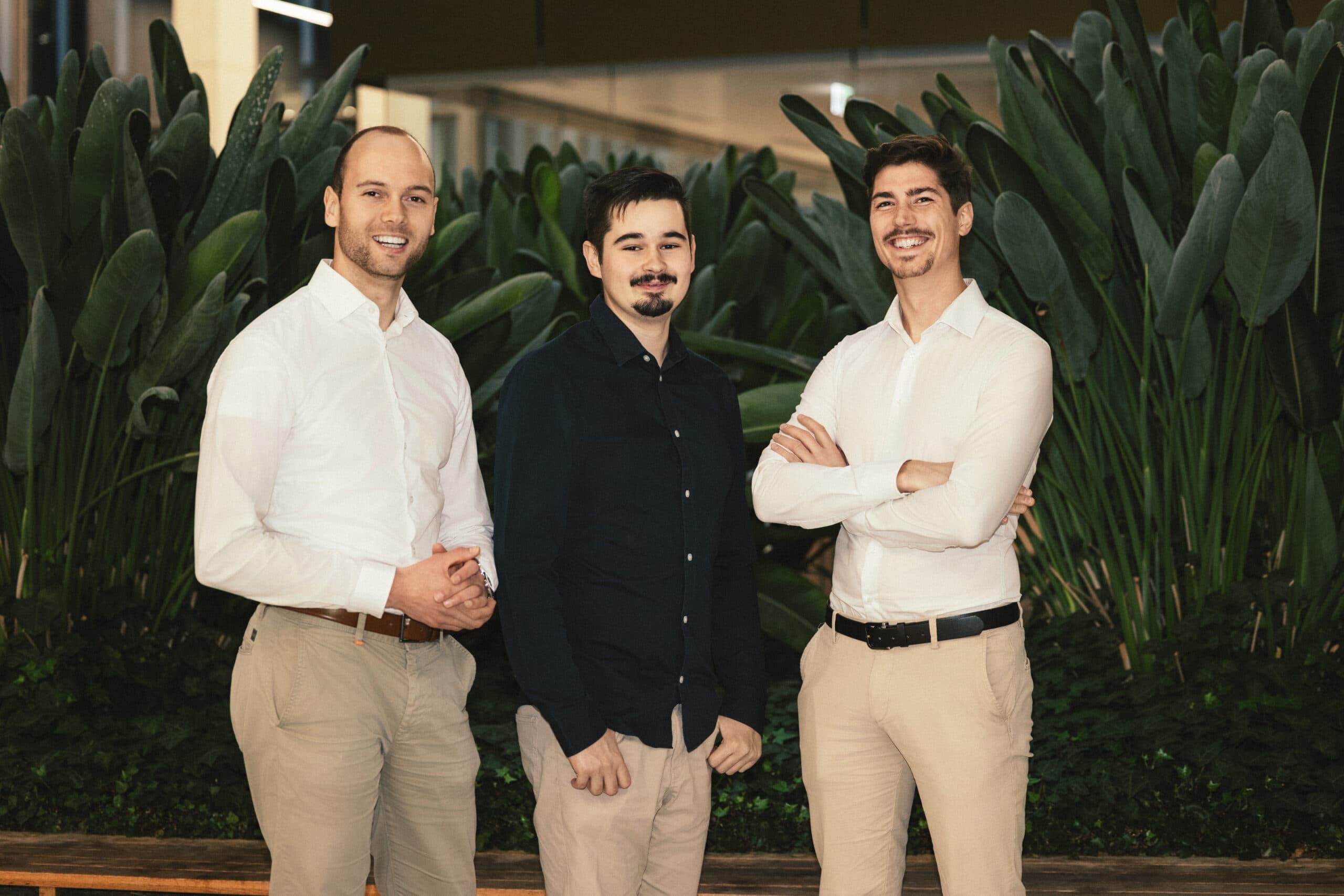
Philipp Munsch, Co-Founder Demi: We’re building an AI Commercial Operating System for mid-market industrial companies. At its core, Demi is like an intelligent funnel: companies feed in their information about products, markets, target audiences, budgets, resources, and more, and Demi creates a digital twin of the company from it.
On this foundation, users can now make strategic decisions. Demi then develops the optimal strategy and automatically implements it – from strategy development through roadmap planning to operational execution. Demi not only plans what needs to be done, but also creates concrete to-dos, assigns them to the right people on the team, and generates appropriate content as needed. This enables mid-market companies with limited resources to implement their marketing and sales strategies efficiently, data-driven, and results-oriented – all within a single system aligned with the overarching company strategy.

From idea to operating system
Munich Startup: But that already exists, doesn’t it?
Philipp Munsch: No – at least not in this form. There are many tools that cover individual tasks – CRM, project management, content automation, analytics. But what’s missing is the connecting system that brings strategy, planning, execution, and learning loops together in an intelligent architecture.
With Demi, we’re developing a system for the first time that orchestrates all commercial processes of a company – meaning it seamlessly links AI, data, and decision logic together. This eliminates the tool chaos that slows down many teams today.
Munich Startup: What’s your founding story?
Philipp Munsch: The idea came from a very real problem: I come from an entrepreneurial family in mechanical engineering. We build highly innovative products there, but many companies often lag behind when it comes to marketing.
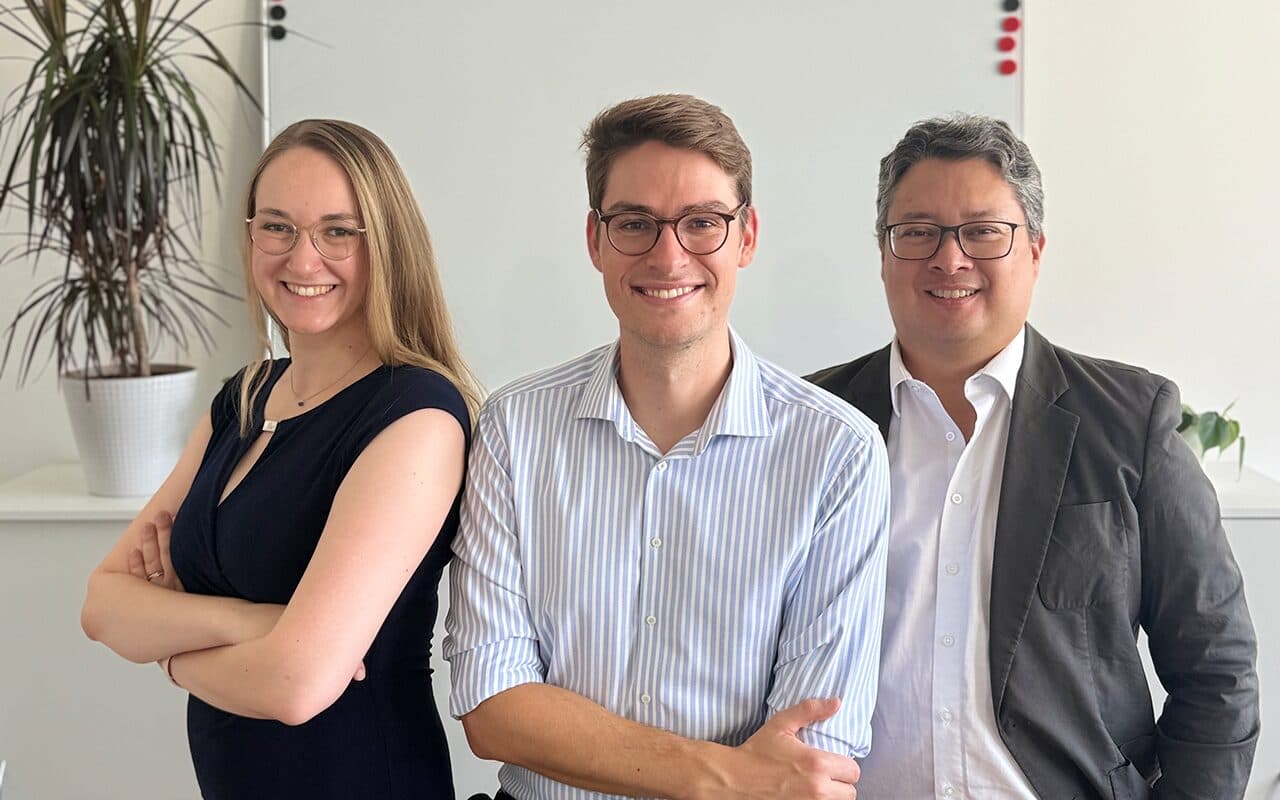
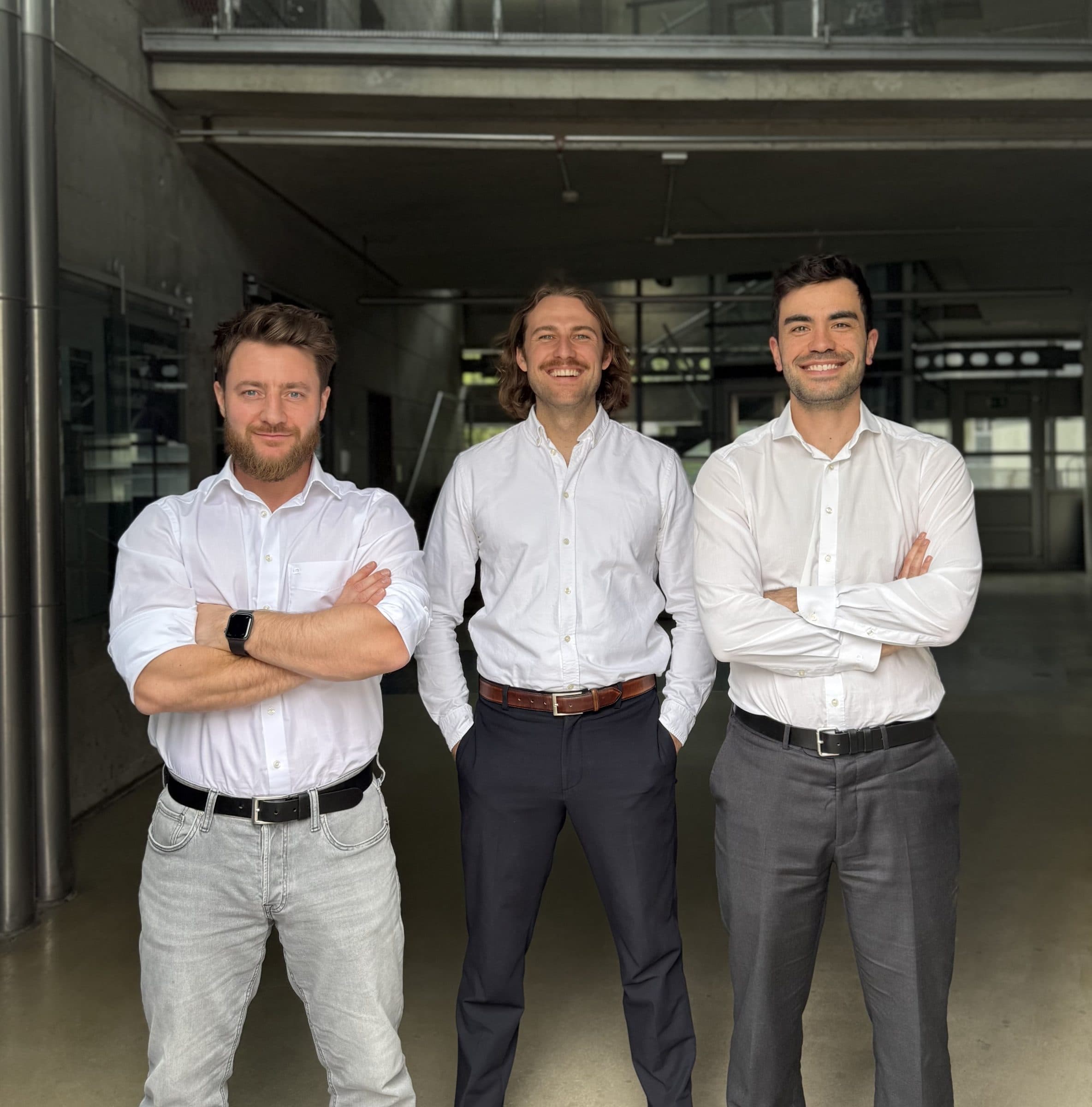
Niklas and I have known each other since first semester and started working intensively on this question during our master’s thesis. The thought was: What if you could calculate strategies and companies would always know what to do?
With the emergence of modern AI systems, that became possible. We received the EXIST founder grant for our idea, and together with Tobias, an experienced tech founder, Demi Technologies GmbH was born.
Building trust in AI, a long road
Munich Startup: What have been your biggest challenges so far?
Philipp Munsch: One of the biggest hurdles was and still is skepticism towards AI in industrial mid-market companies. Many companies want more efficiency, but at the same time have legitimate concerns about data security, control, and change.
Our goal is to build trust in the technology and show that AI is not an end in itself, but creates concrete relief – especially for small teams with large workloads. We’re now noticing clearly that we’re succeeding and the industry is becoming more open to such solutions.
At the same time, building a system that intelligently connects strategy, workflow, and AI models is technically extremely demanding. And of course: when you found a company, you build everything “from scratch” – from invoice formats to the first desks. But this mix of technical complexity and entrepreneurial development work is certainly a challenge for all founders.
Munich Startup: Where do you want to be in one year, where in five years?
Philipp Munsch: Next year, we want to leave the prototype stage behind and offer a fully functional, market-ready SaaS solution. We don’t want to limit ourselves to industrial machinery manufacturing: Demi should also work in the service sector, in crafts, and in the software industry – everywhere companies want to efficiently implement their strategies.
In five years, we want to grow far beyond the commercial area. Then Demi should intelligently map not just marketing and sales, but also other business areas like human resources or operations.
For example, if you say in the HR area: “I want to fill position XY”, Demi automatically creates the appropriate recruiting strategy, operationalizes it, and integrates it directly into the team’s calendars. Ultimately, with Demi you should be able to strategically and operationally control your entire company.
Maintaining focus
Munich Startup: How have you experienced the Munich startup location so far?
Philipp Munsch: Munich is a very active and well-networked location for us. We ourselves come from the Technical University of Munich environment and were active in the TUM Incubator for a long time, which is how we got to know many founders from the ecosystem.
A lot is happening here especially in software and AI. There’s a strong mix of scientific background, industrial practical relevance, and entrepreneurial thinking. At the same time, the range of events and programs is enormous – so much so that you sometimes have to be careful not to lose focus and really concentrate on what matters: your own product.
Munich Startup: Quick exit or patience for the long haul?
Philipp Munsch: I think this question doesn’t really come up for us. In the end, you always need patience for the long haul, because experience shows that almost nothing works right away.