
Munich Startup: What motivated you to start a company?
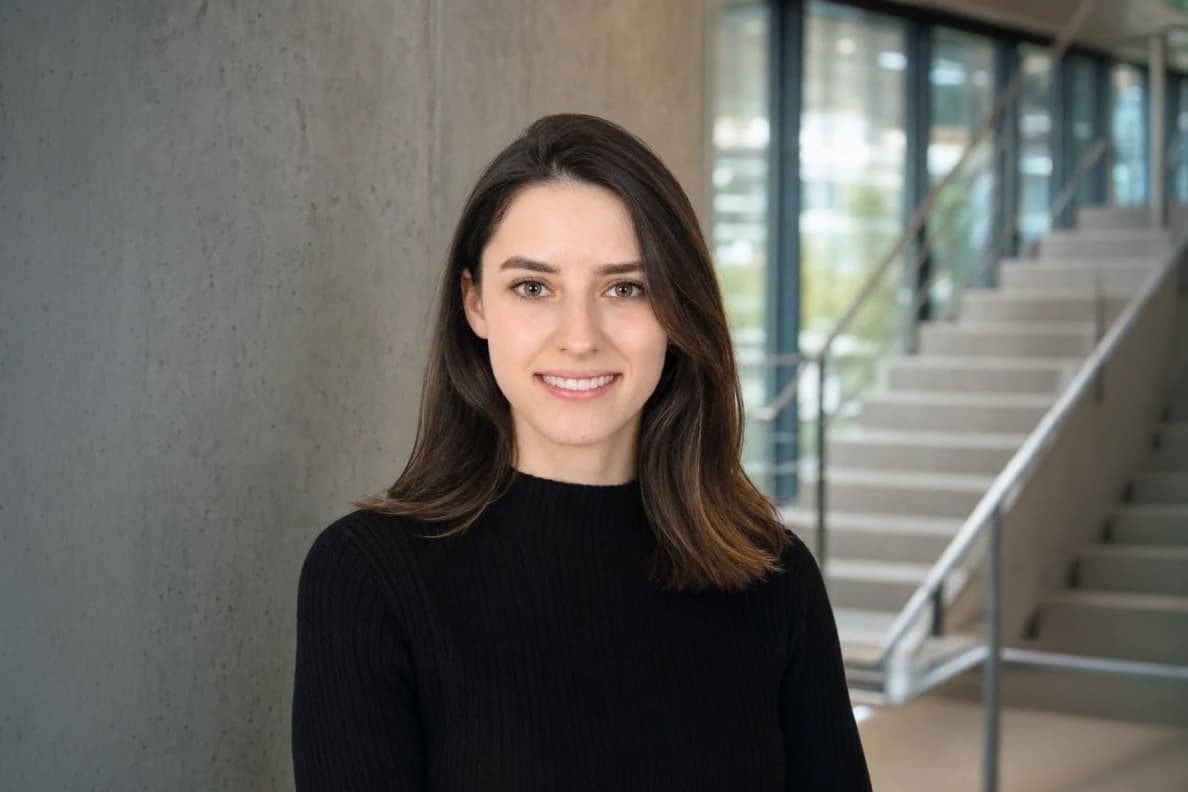
Maria Laparidou: Clearly, the opportunity to build something that has a measurable, positive impact on the world. I didn’t want to develop technology for technology’s sake, but to solve a real problem. The combination of hardtech and sustainability is my daily motivation.
Munich Startup: What would you have liked to know before your first venture?
Maria Laparidou: That the path from science to industrial scaling is not a sprint, but a marathon with hurdles. I wish I had known earlier that you don’t need to have all the answers right away. It’s okay to tolerate uncertainty as long as you have the right team by your side. Trust in your own resilience grows only with challenges.
A healthy mix of grants, business angels, and venture capital
Munich Startup: How has your company been financed so far?
Maria Laparidou: We’ve gone through a classic but very healthy mix for deeptech. It started with grants and public funding, which were essential at the beginning. Then business angels believed in us before we brought venture capital on board. We’ve just completed our Series B of 55 million euros – a confirmation that our model is ready for the global market.
Munich Startup: When and where do you get your best ideas?
Maria Laparidou: Certainly never at a desk. The best ideas emerge from dynamic and relaxed exchanges and brainstorming with other people. My personal key to innovation is consciously removing automatic assumptions we’ve built around a problem. When we ask “Does it really have to be this way, or do we just believe that?”, breakthroughs usually follow.
Munich Startup: What are your 3 favorite work tools?
Maria Laparidou: Confluence: In a deeptech company, knowledge management is everything. We need to document complex processes in a way that everyone can understand.
Slack: For quick, short coordination that makes emails unnecessary and connects the team.
Gemini: AI significantly accelerates some work processes.
Your own style makes the difference
Munich Startup: Your top tip on “pitching”?
Maria Laparidou: Find your own style and don’t copy anyone. Your audience has a keen sense for whether someone is playing a role or being genuine. Especially as a woman in tech, you might initially try to meet expectations, but you’re most successful when you’re absolutely authentic.
Munich Startup: Does it seem like a good time to start a company right now? Why?
Maria Laparidou: I don’t believe in the “perfect moment”. Every market phase brings its own challenges, whether it’s capital scarcity or geopolitical uncertainty, but also specific opportunities. Those who start today need to be more resilient, but might find less noise and more substance in the market. My advice: Don’t wait for good weather, but find the gap that’s open right now.
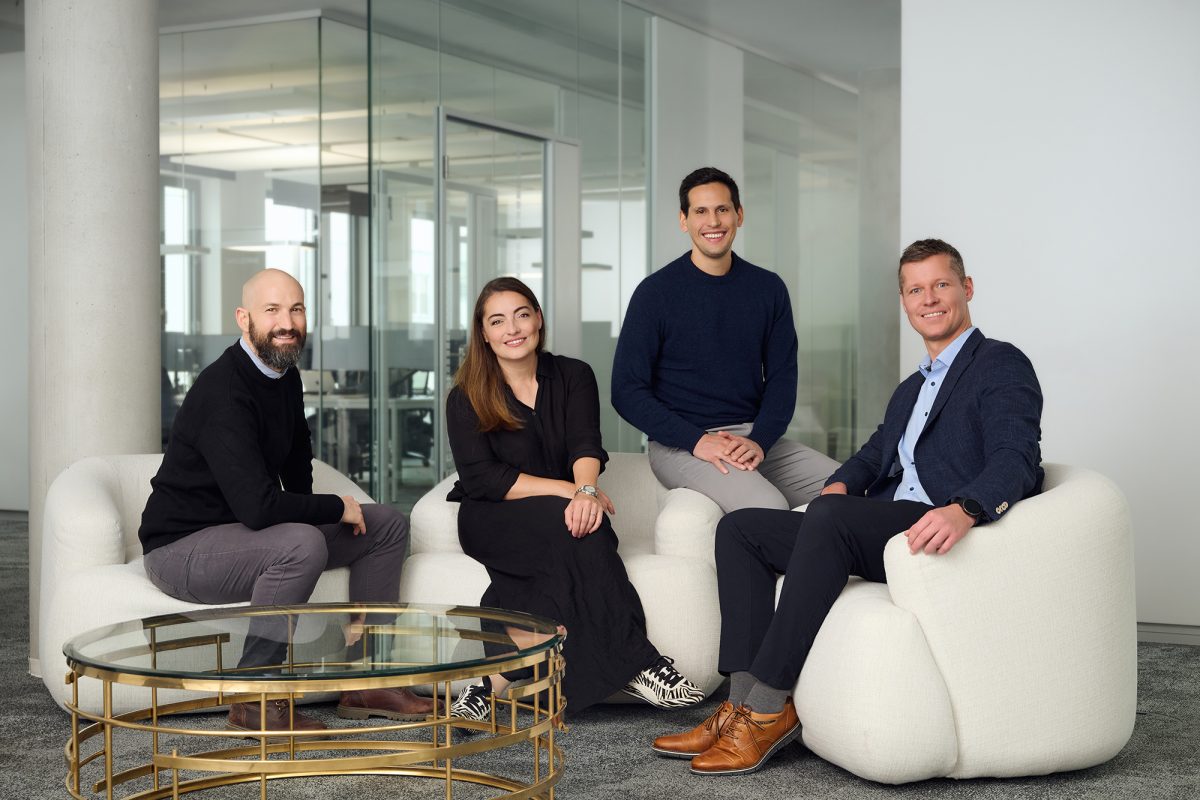
Orbem was founded in 2019 and combines artificial intelligence with industrially scalable MRI technology. The startup enables non-invasive analysis of biological materials and makes magnetic resonance tomography fast and mass-market-ready for industrial applications. In the poultry industry, Orbem is a leading provider in Europe for solutions for in-ovo sexing and detection of unfertilized eggs. In the future, the company wants to expand its platform to agricultural products and eventually to healthcare.
Munich Startup: What technology or industry would you focus on in your next venture?
Maria Laparidou: Honestly, my head and heart are so invested in our current mission that I can hardly imagine anything else. With industrialized MRI technology, we’ve only just scratched the surface. There’s so much potential for positive impact in the food industry and beyond that my “next venture” is essentially the next major development step of our current company.
Bureaucracy as an obstacle
Munich Startup: What could be improved at the startup location Munich in your view?
Maria Laparidou: Munich is world-class in technology, but we need to break down bureaucratic hurdles. If we want diversity and growth, we need faster administrative processes.
Munich Startup: Which female founder or founder would you like to meet in person? And what would you ask them?
Maria Laparidou: Every founder who has scaled a company through different phases possesses valuable experience. I would love to sit down with a diverse group of founders and ask: “What was the moment when you almost gave up, and what exactly made you keep going?” You often learn more from that than from success stories.