
Eine Innovation für die Baubranche hat das Münchner SaaS-Startup Caala entwickelt. Die innovative Software berechnet und visualisiert die Energie- und Ökobilanz sowie Lebenszykluskosten eines Gebäudeentwurfes in Sekundenschnelle. Damit können Architekten ökologisch wie ökonomisch nachhaltigere Gebäude planen.
Gründer und Geschäftsführer Sebastian Dominguez hat sich unseren 7 Fragen gestellt.

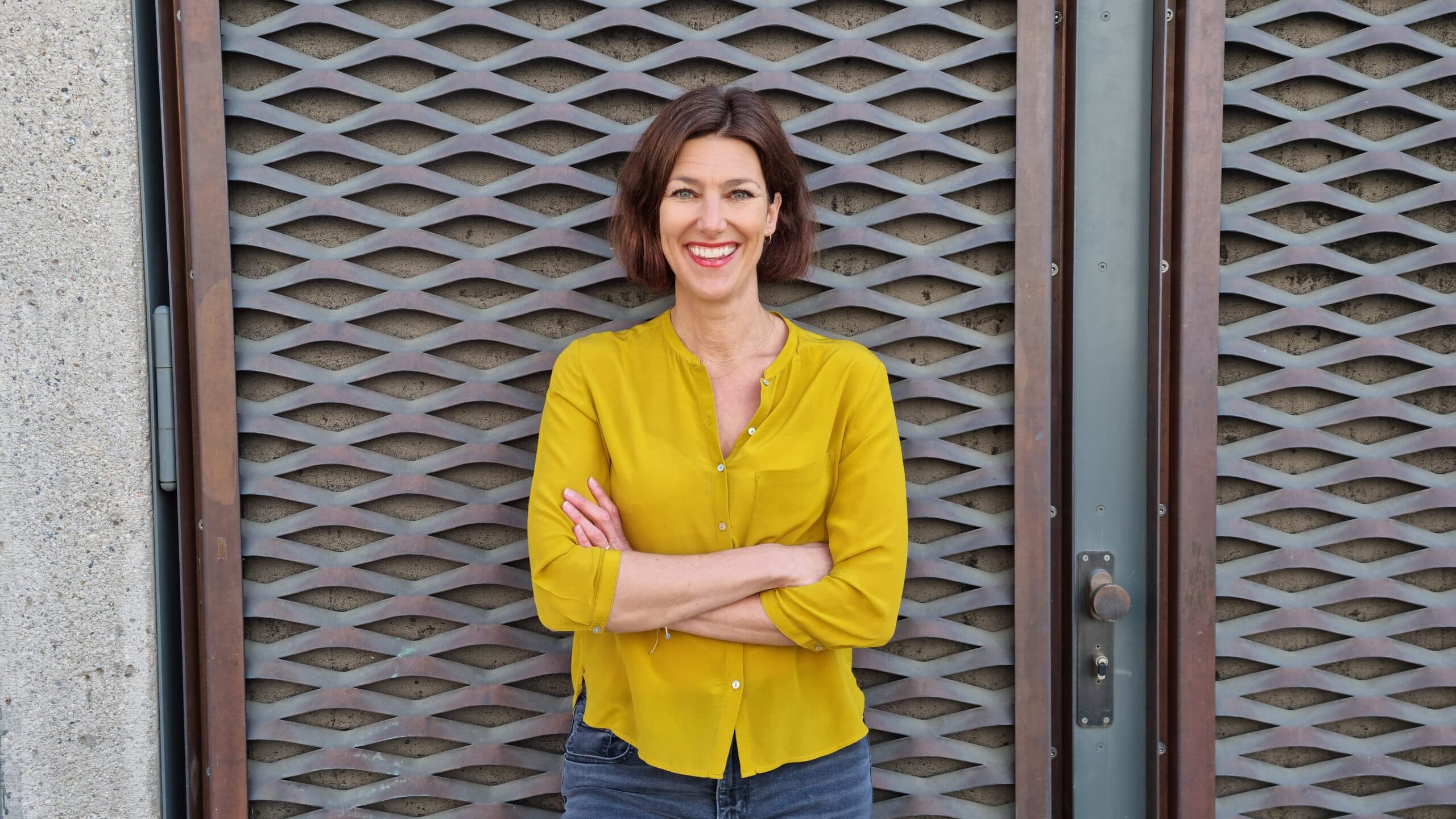
Gründer und Geschäftsführer Sebastian Dominguez (© Caala)
1. Wer seid Ihr und was macht Ihr?
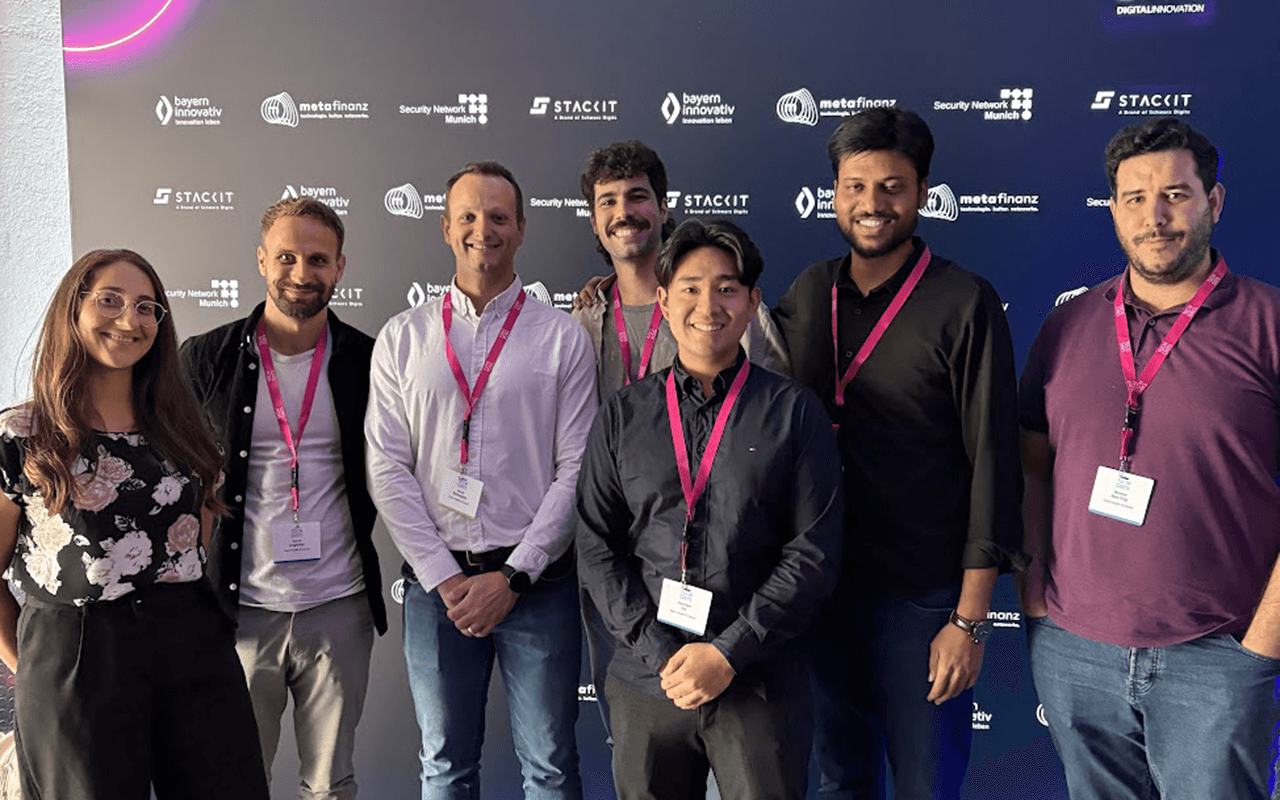
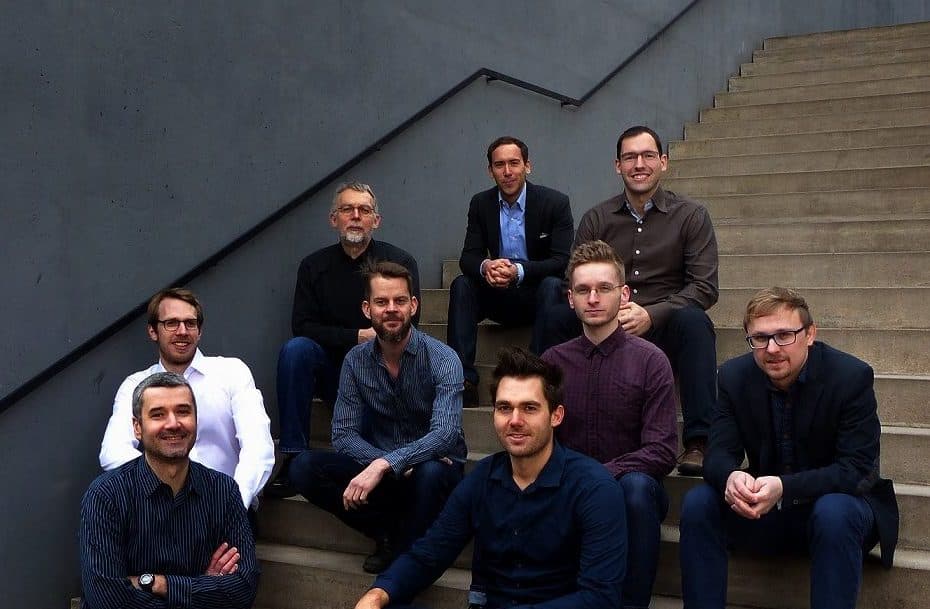
Unser Gründerteam besteht aus acht Teammitgliedern und wir kennen uns teilweise schon seit über zehn Jahren, noch aus Studienzeiten. Unser Mitgründer Alexander, Architekt und Bauingenieur, arbeitet bereits seit 2012 an der innovativen Methode PLCA, der parametrischen Lebenszyklusanalyse, auf der Caala basiert.
Mit der Software können energetische Bilanzierungen, ökologische Lebenszyklusanalysen und Lebenszykluskostenberechnungen von Gebäudeentwürfen früh in der Planung und in Echtzeit durchgeführt werden.
Dadurch können Architekten schnell unterschiedlichste Varianten vergleichen und die optimale Lösung für ihren Gebäudeentwurf finden — und das innerhalb eines Zehntels der Eingabe- und Rechenzeit alternativer Software. Mit unserem Prototyp haben wir in Studien bereits Einsparungen von THG-Emissionen um 66% und Senkungen der Lebenszykluskosten um 30% erzielt.
Caala berechnet in Echtzeit
2. Aber das gibt’s doch schon längst!
Wirklich? Das sehen wir anders! Caala ist die erste Software, die es ermöglicht, in Echtzeit Energiebilanz, Ökobilanz und Lebenszykluskosten eines Gebäudeentwurfes zu berechnen und zu visualisieren.
Wir verknüpfen erstmals alle relevanten Parameter und berechnen innerhalb von Sekunden bereits in der entscheidenden frühen Planungsphase, wie Gebäude hinsichtlich ökologischer und ökonomischer Kriterien über ihren gesamten Lebenszyklus hinweg optimiert werden können.
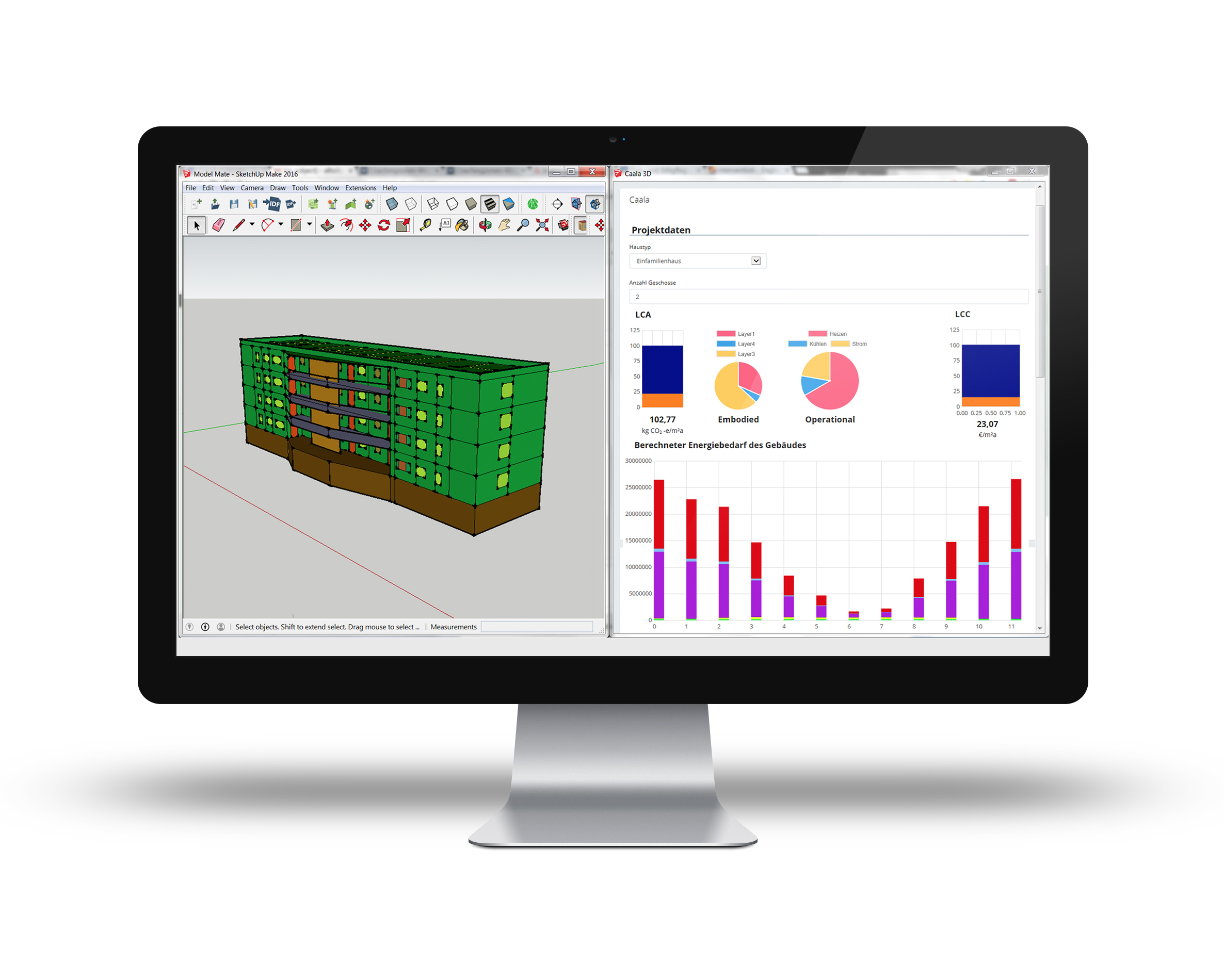
Die Software visualisiert die Energie- und Ökobilanz sowie Lebenszykluskosten eines Gebäudeentwurfes sekundenschnell.
Team, Tipps und Partner
3. Was sind die drei Hauptzutaten für Euer Erfolgsrezept?
Unser starkes Team ist die wichtigste Zutat für den Erfolg! Wir gehen gemeinsam durch dick und dünn. Mindestens genauso wichtig sind unsere Industriepartner, die schon früh mit uns kooperiert haben. Und ‚last but not least‘ unsere Mentoren, die uns mit Rat und Tat zur Seite stehen.
Preisgekrönte Innovation
4. Butter bei die Fische: Wie läuft das Geschäft?
Unsere Software kommt sehr gut an! So wurden wir in den vergangenen Monaten mehrfach mit Preisen ausgezeichnet.
Als Sieger des StartGreen Awards 2016 konnten wir viel Aufmerksamkeit auf uns lenken und haben dadurch weitere Partner gefunden. Auch die Auszeichnung als eines der ‚Top 500 early-stage science startups‘ von Hello Tomorrow, der DGNB Sustainability Award und der 3. Preis beim Wettbewerb ‚Auf-IT-Gebaut‘ öffnen uns weitere Türen.
Im März sind wir als einer der Top-3-Finalisten in der Kategorie „Future Production & Manufacturing“ des internationalen Energy Transition Awards nominiert worden. Eine Große Ehre für uns war es auch, auf der CEBIT in Hannover von Bundeswirtschaftsministerin Zypries den „Gründerwettbewerb – Digitale Innovationen“ Preis ausgehändigt zu bekommen. März war somit kein schlechter Monat!
5. Was bedeutet München für Euch?
München ist in Deutschland das Innovationszentrum im B2B Bereich. Hier findet man Talente, Kapital, Industriepartner und Mentoren — und kann außerdem die Berge und Seen am Wochenende genießen. Einmalig, oder?
Schnell und nachhaltig zum Unicorn
6. Wie wird Euer Startup zum nächsten Unicorn? Oder sehen wir uns bald auf der Epic Fail Night?
Unicorn oder Epic Fail? Ein schmaler Grat ist das nicht gerade! Wir wünschen uns auf jeden Fall eine schnelle, aber gleichzeitig nachhaltige Entwicklung für unser Unternehmen. Was wir jedoch vor allem wollen ist: die größte Industrie der Welt — die Baubranche — mit Technologie nachhaltiger gestalten. Wenn das klappt, ist das schon mal ‚Epic‘!
7. Isar oder Englischer Garten?
Was München alles bietet — da sind wir wirklich verwöhnt. Wenn man nur Zeit für alles hätte! Als Studenten waren wir sehr oft im Englischen Garten und haben sehr gute Erinnerungen daran.