
Munich Startup: What does your startup do? What problem do you solve?
Prof. Dr. Marie-Nicole Theodoraki, Founder and CEO of Bioexotec: Imagine cancer could be detected before it becomes dangerous – before symptoms even appear. That’s exactly what Bioexotec makes possible: with a new test that detects cancer in its very earliest stage, when cure rates are still above 90 percent. Today, cancer is typically only discovered in stage 4, where survival rates drop to just 50 percent.
The foundation for our test is something called exosomes: tiny particles released by every cell in our body. They transport information about what’s happening in tissues or tumors, like a kind of biological messenger service. Our team has developed a method to analyze these exosomes from blood or saliva and use them to detect early signs of tumors.
The test is not limited to early detection alone – in the future it can also help replace biopsy procedures and improve follow-up care: fast, affordable, painless, and highly precise. With this, Bioexotec aims to close a gap that conventional biomarkers have not been able to fill: a test for reliable early detection with minimal burden on patients.
Goal: Cancer detection at stage 1
Munich Startup: But that already exists, doesn’t it!
Prof. Dr. Marie-Nicole Theodoraki: Not exactly. While researchers have been working on so-called “liquid biopsies” for several years now – tests that are supposed to detect cancer from blood samples – most of these approaches focus on freely circulating tumor DNA (ctDNA) or isolated tumor cells (CTCs). The catch: these methods usually only detect cancer once the tumor is already far advanced. And they don’t work reliably for all cancer types.
Our approach starts much earlier. We analyze so-called exosomes – tiny particles that even the smallest tumors release specifically into the blood or saliva in their early stages. They contain not just DNA, but also proteins, RNA, and other biomolecules, giving us a much more complete picture.
This allows us to detect cancer much earlier and more precisely, often already at stage 1. For many patients, this means much better chances of cure and significantly less burdensome therapies. We’re closing a central diagnostic gap that other methods have not been able to fill.
Munich Startup: What’s your founding story?
Prof. Dr. Marie-Nicole Theodoraki: Sometimes an idea begins in the laboratory and becomes a life’s mission through a personal experience. That’s what happened to me: during my time as a postdoc in Pittsburgh (USA), I first encountered a topic that was barely researched at the time: exosomes. I was immediately fascinated by their potential for medicine.
Around the same time, my grandfather was diagnosed with cancer – unfortunately too late. He died from the disease. The question of whether cancer could have been detected earlier haunted me. Back in Germany, I set out to make exactly that possible: to find a way to detect cancer as early as possible.
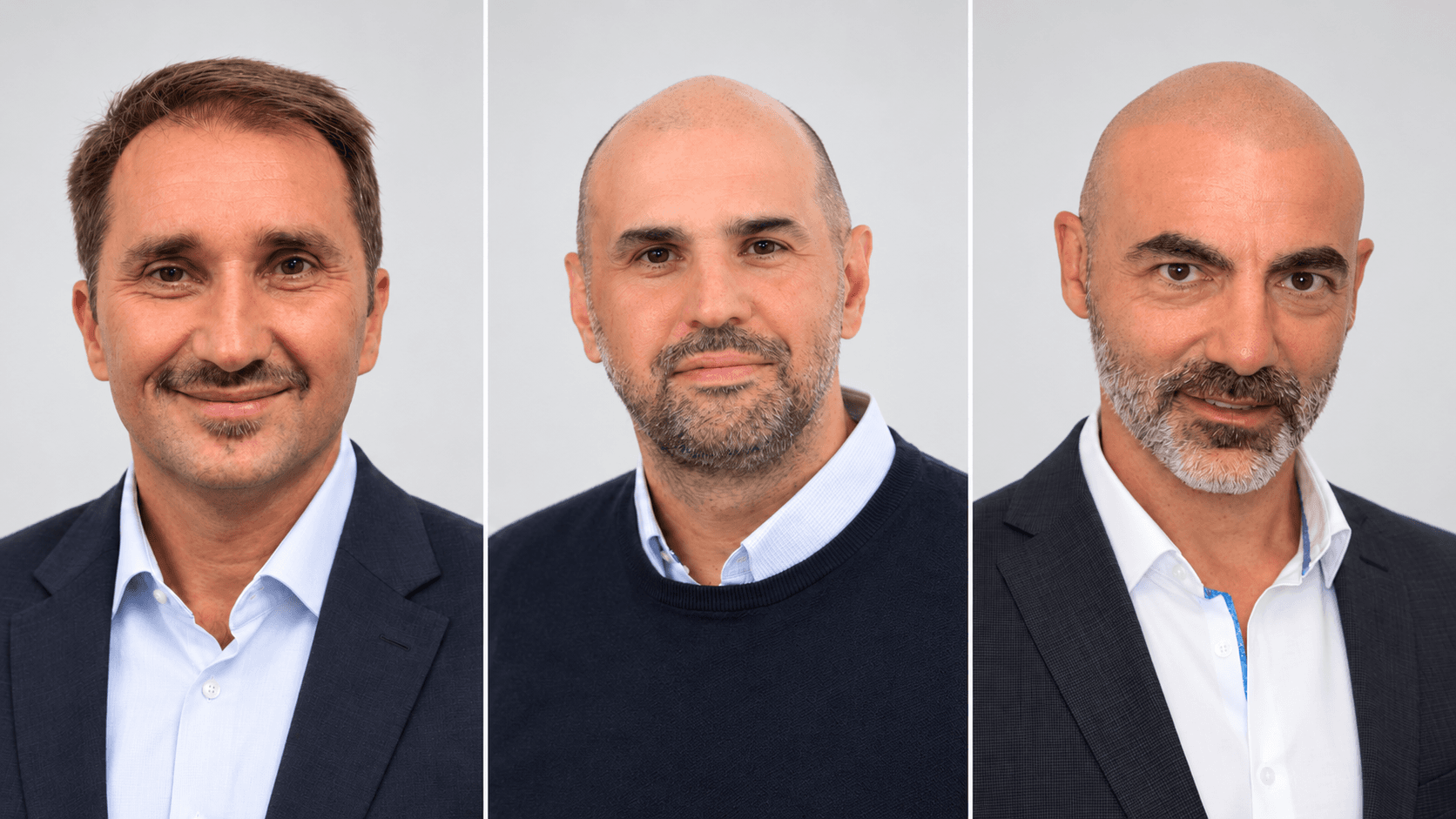
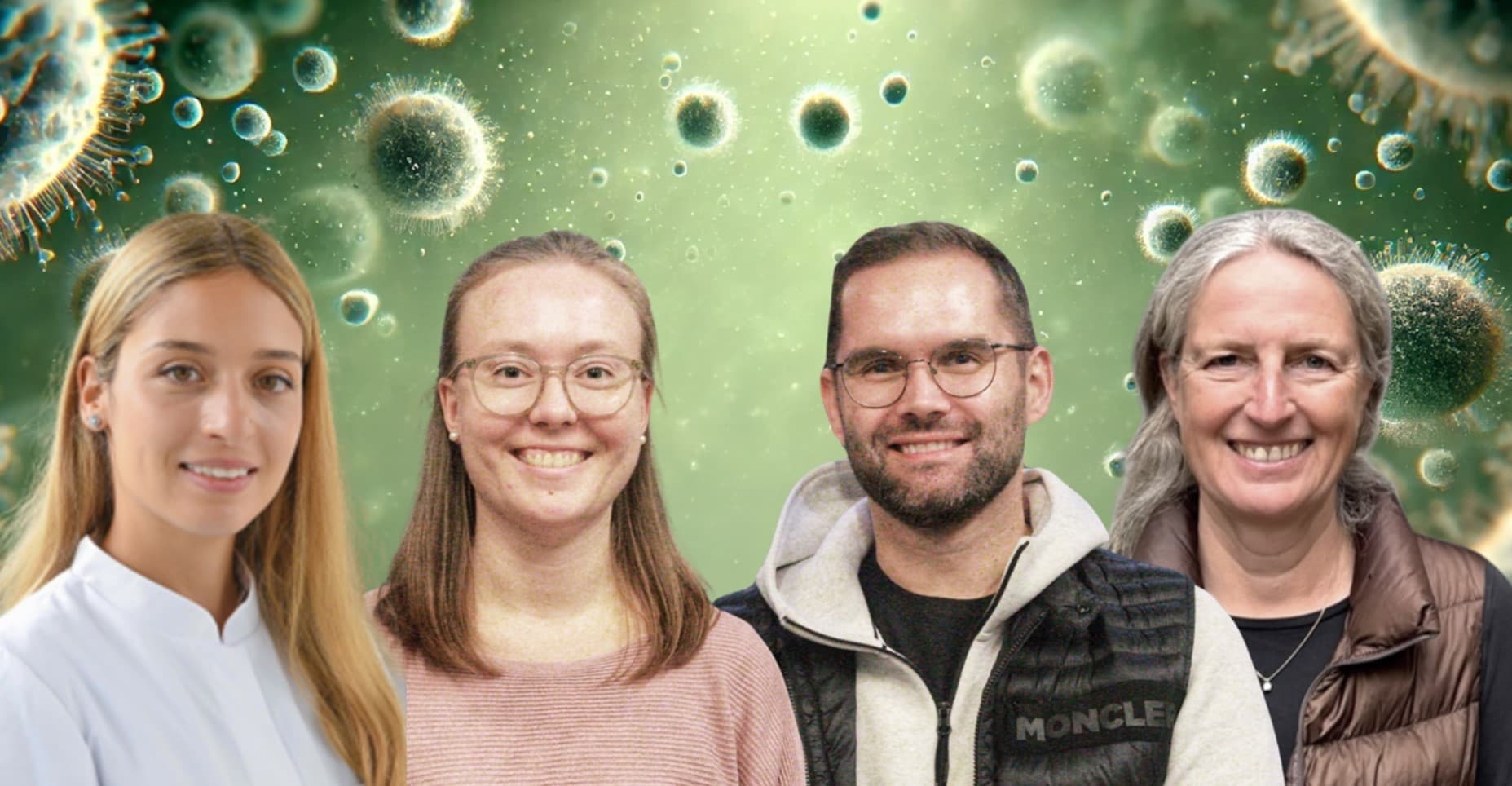
In 2019, Linda joined as a doctoral student and the project gained momentum. Together we developed a patented exosomal signature – a molecular pattern that forms the core of today’s diagnostic platform. Tobias was there from the start to guide us through clinical application and regulatory hurdles. Gaby completed the team as an experienced entrepreneur who brings business expertise.
Today, the Bioexotec team combines medical, scientific, and entrepreneurial expertise with a shared goal: to detect cancer so early that it becomes curable.
Biggest challenge: The path to approval
Munich Startup: What were your biggest challenges so far?
Prof. Dr. Marie-Nicole Theodoraki: As is often the case in medical technology, the biggest hurdle for the Bioexotec team was not the technology itself, but the path to approval. Because anyone developing a medical diagnostic test who doesn’t factor in the right regulatory steps from the beginning risks massive delays – sometimes several years.
Especially at the beginning, it was difficult to navigate the complex web of approval requirements, clinical validation, and reimbursement rules. Who is responsible for what? What documentation do you need and when? And how do you plan so that the test ultimately gets covered by health insurance?
This process took about two years. During this time, the team not only advanced the medical idea but also built a network of experienced regulatory experts and partners. Today, this strategic foundation is a central building block for market access.
A particularly major milestone: eight German university hospitals have already given written confirmation that they will use the test in clinical practice. That’s a show of confidence – and an important step toward better healthcare.
Munich Startup: Where do you want to be in one year, and where in five years?
Prof. Dr. Marie-Nicole Theodoraki: Today our test for head and neck cancer is already running in a clinical laboratory. In one year, our cancer early detection test should be so simplified and standardized that it can be reliably used in any commercial laboratory.
In parallel, we’re analyzing data from a large clinical study with over 700 patients – a central milestone for clinical validation and future approval. And: we’re working to expand the test to four more cancer types.
In five years, we want to be established on the market with an approved test for head and neck cancers and a pipeline of further tests for other tumor types. Our long-term goal: detect cancer so early that it remains curable. This also includes our saliva test, which will be usable directly in a doctor’s office: fast, simple, and accessible to patients. The first clinical study for that will be completed by then.
We want to bring cancer early detection out of the laboratory closer to people’s everyday lives: fast, precise, cost-effective, and accessible.
Munich as a catalyst for innovation
Munich Startup: How have you experienced Munich as a startup hub so far?
Prof. Dr. Marie-Nicole Theodoraki: For us, Munich is more than just a beautiful place to work. It’s a genuine catalyst for innovation. Here, cutting-edge research meets entrepreneurial spirit, and that’s been enormously helpful in founding Bioexotec.
The proximity to leading university hospitals, the excellent research landscape, and access to investors, biotech startups, and established companies provide an ideal environment to develop scientific ideas into market-ready products. Particularly important for us was support from programs like Baystartup, TU München and UnternehmerTUM: here, entrepreneurial spirit is not just promoted but actively lived.
What makes Munich special: everything is close by. You can spontaneously meet important contacts for coffee, build personal relationships, and clarify issues directly, without long train journeys or endless Zoom calls. This density and openness of Munich’s startup scene is a real location advantage that shouldn’t be underestimated.
“In medicine, if you want to make a difference, you need patience.”
Munich Startup: Quick exit or long-term vision?
Prof. Dr. Marie-Nicole Theodoraki: In medicine, if you want to make a difference, you need patience – and that’s exactly what we bring. A quick exit is not our priority. We’ve been working on exosome research for almost ten years and know that real innovation in diagnostics requires time, validation, and care.
Our goal is to establish a sustainable, clinically anchored solution for cancer early detection – not just for today, but for the long term. We want our test to become an integral part of medical care and to truly reach patients. We’re willing to go the long route for that – even if regulatory procedures in diagnostics often take years.
But: for us it’s not about principle, it’s about results. If an early exit (for example to a major pharmaceutical company) ensures our test becomes available worldwide faster, we would consider that path. What’s crucial to us is that the test doesn’t end up gathering dust in a drawer, but saves lives. We’ll do whatever it takes for that.