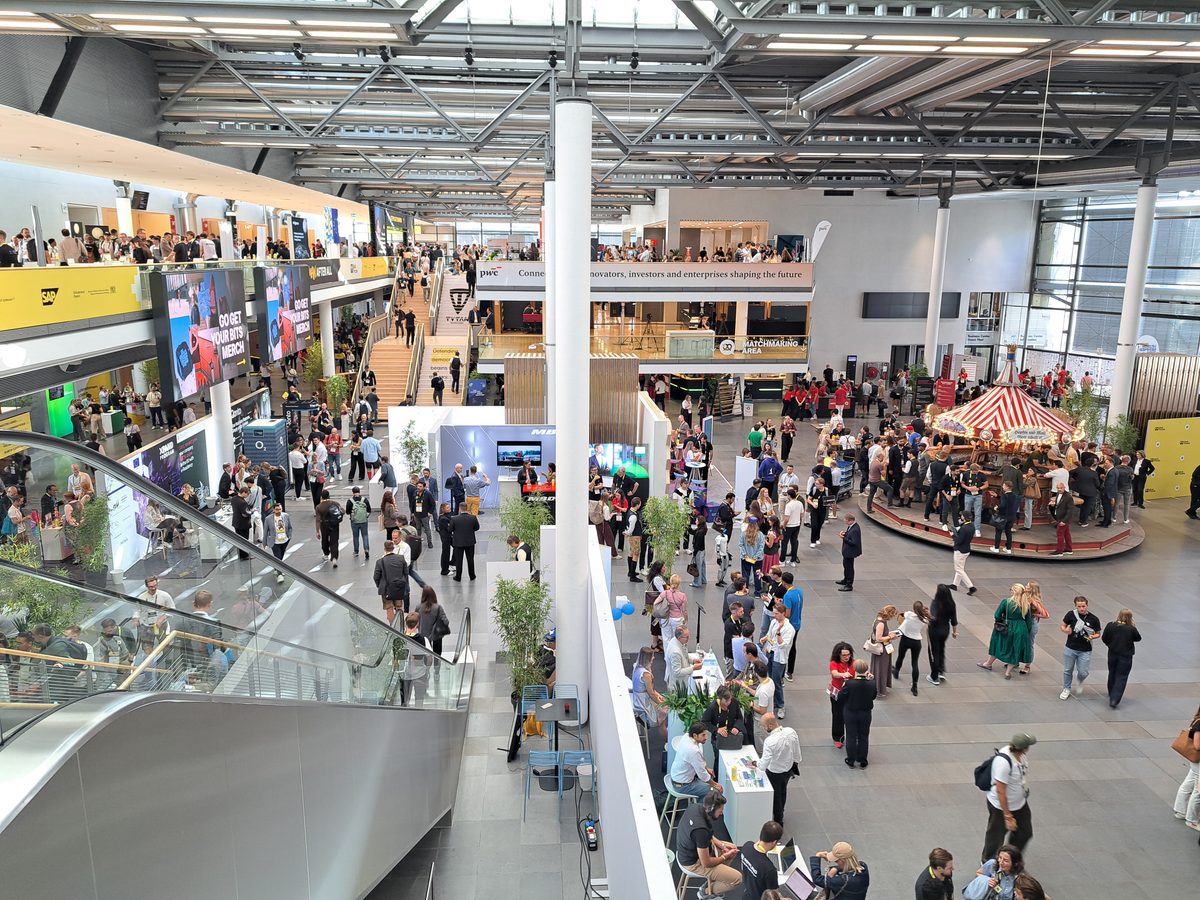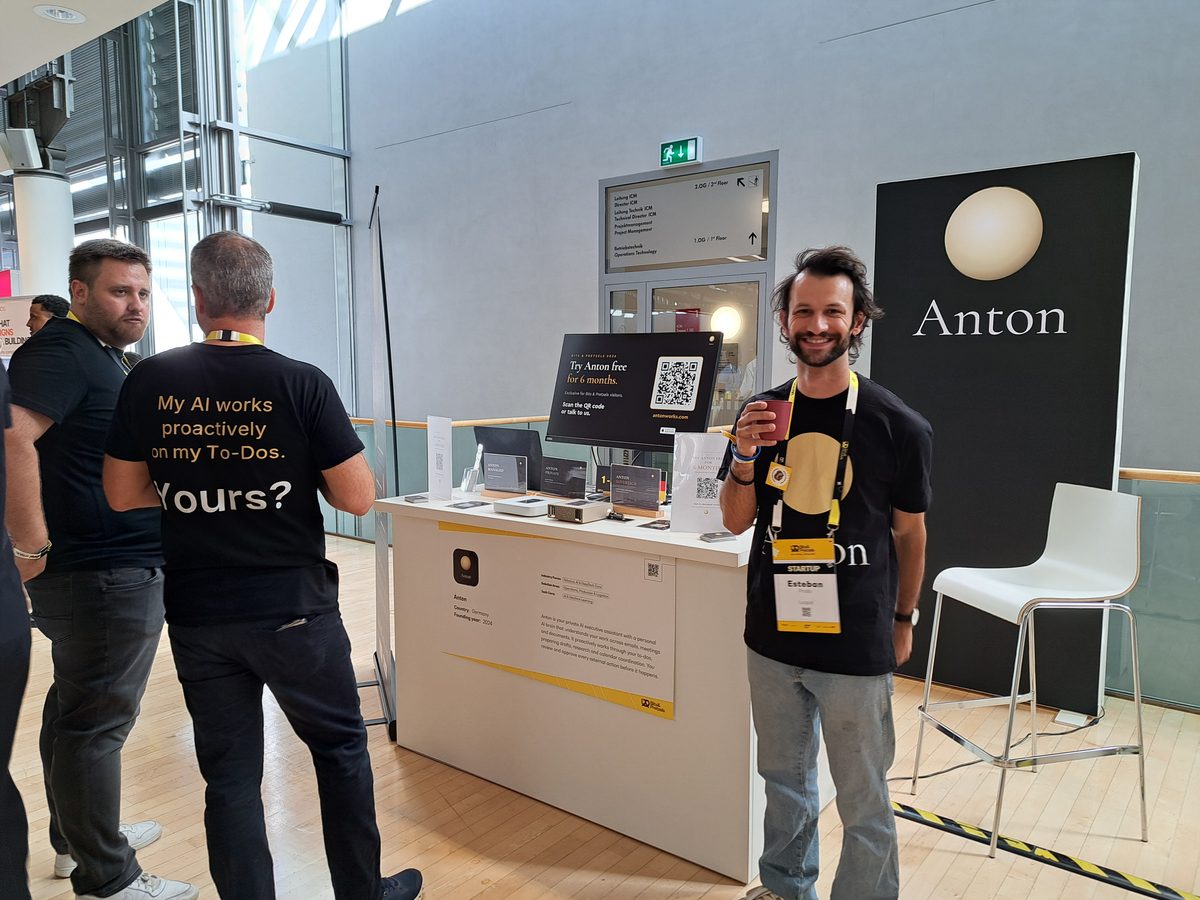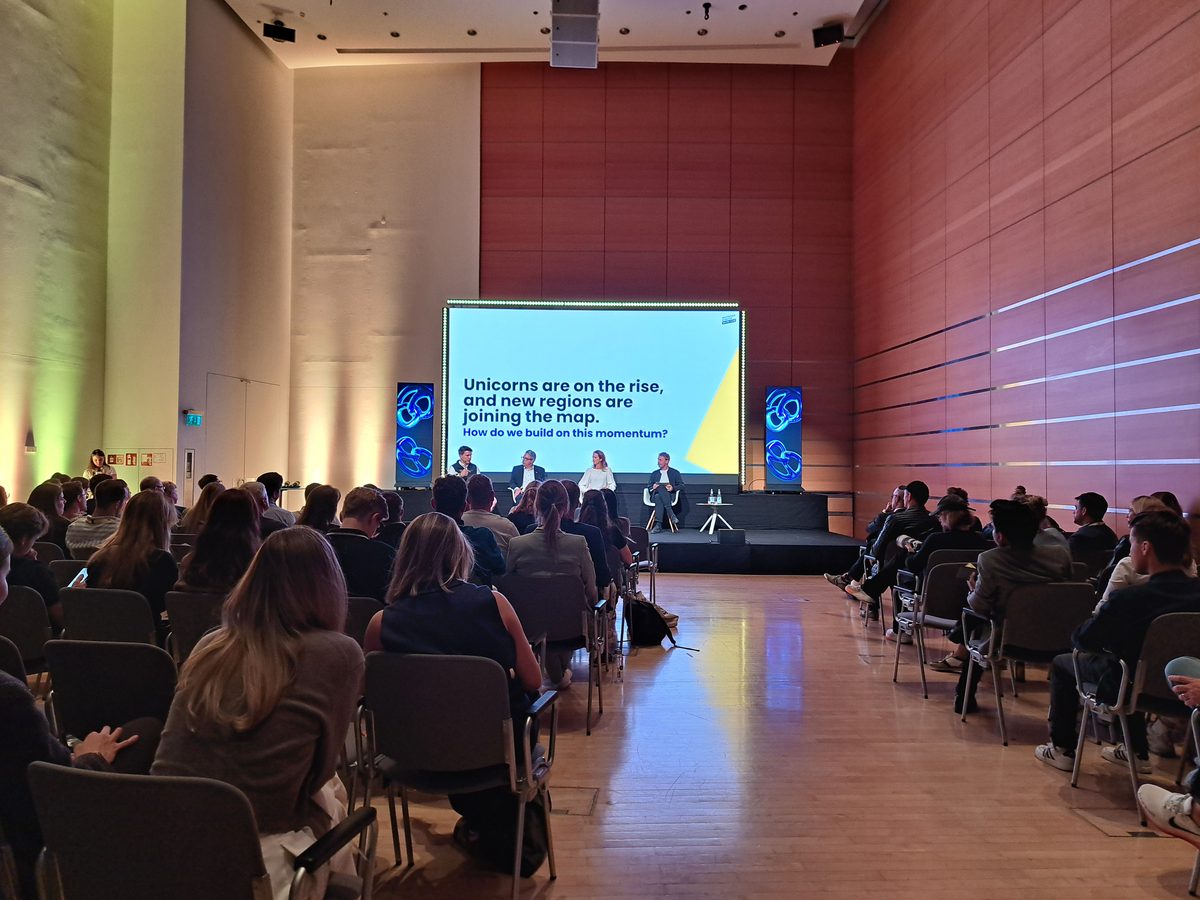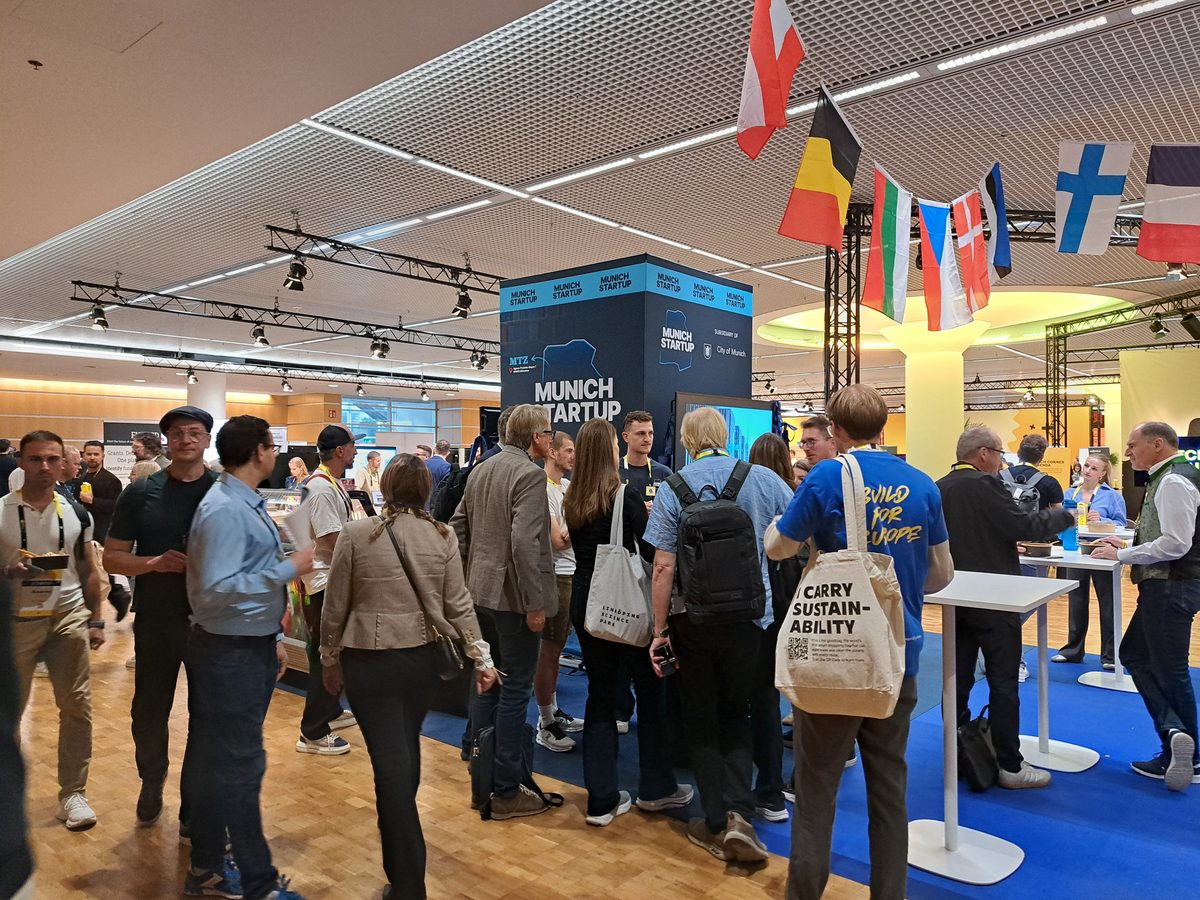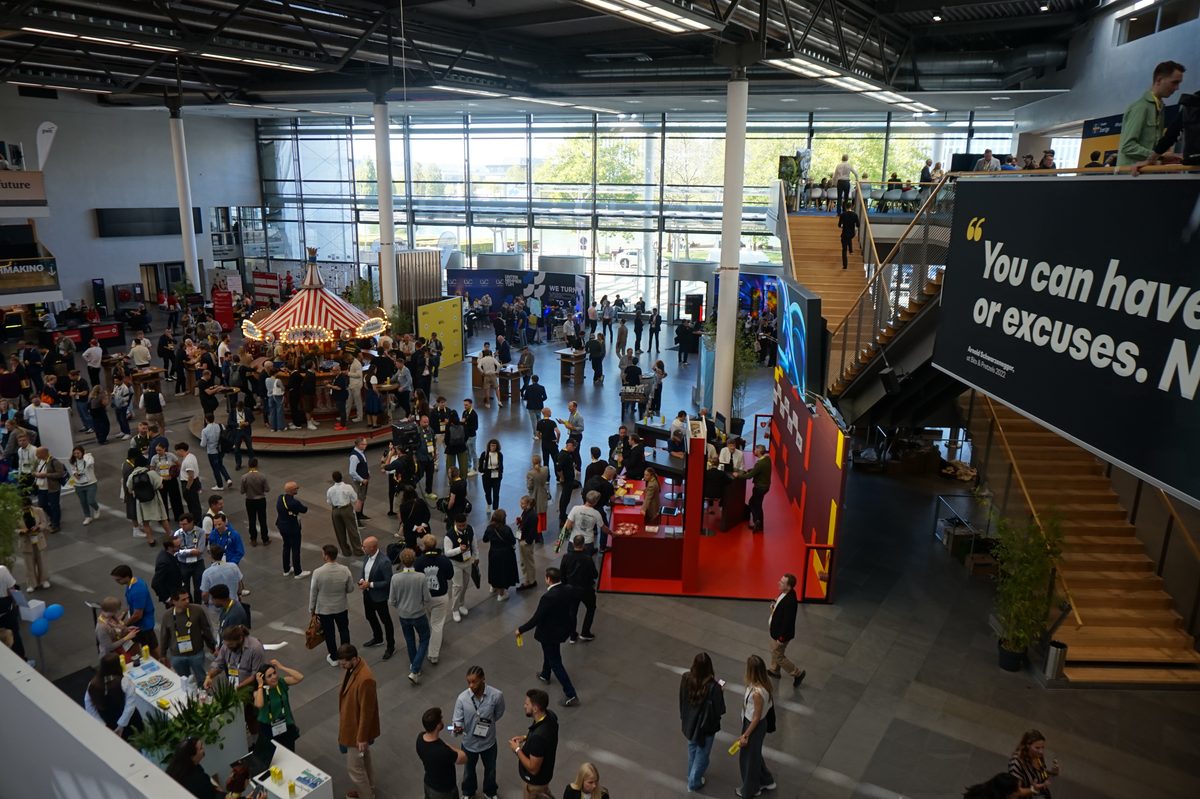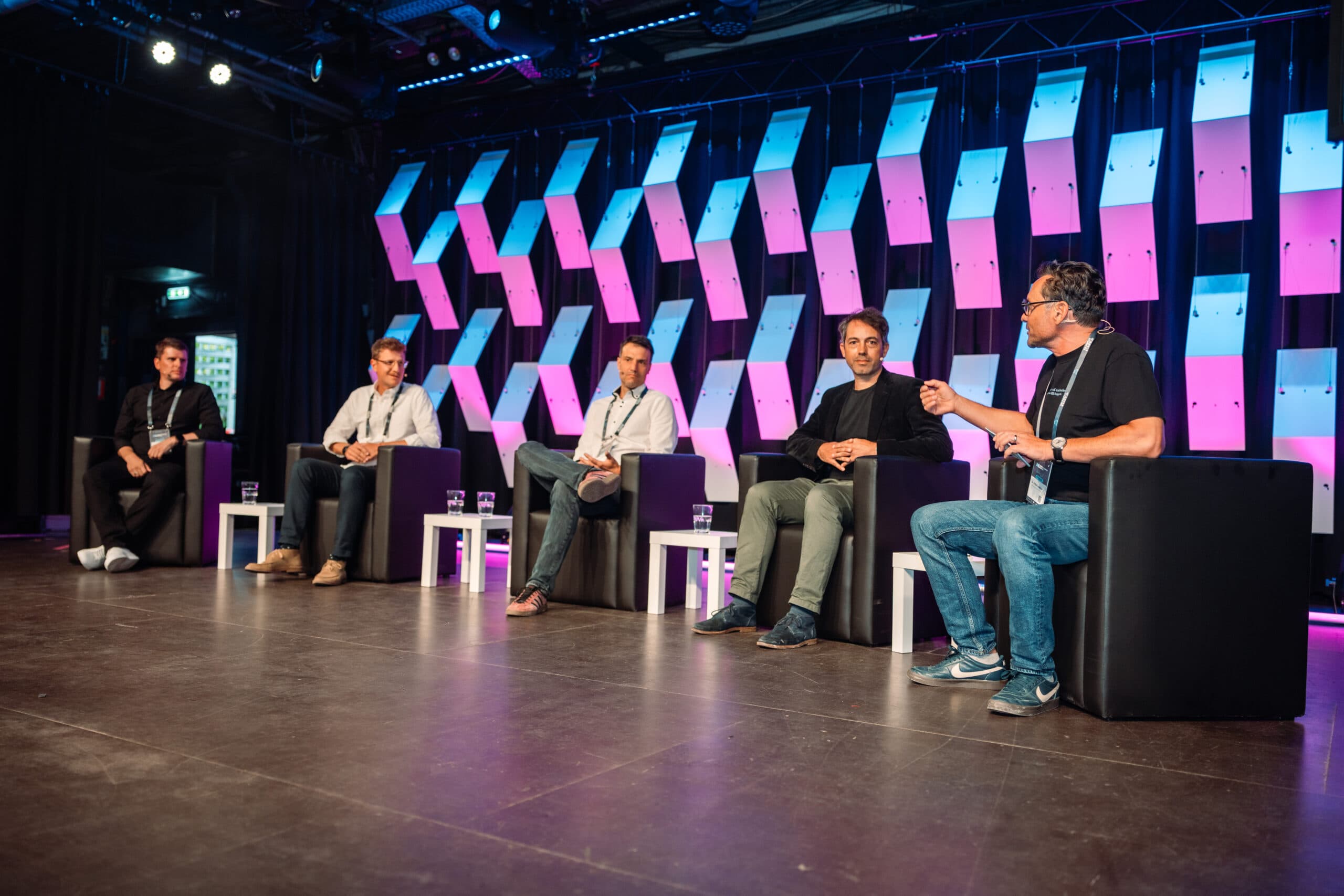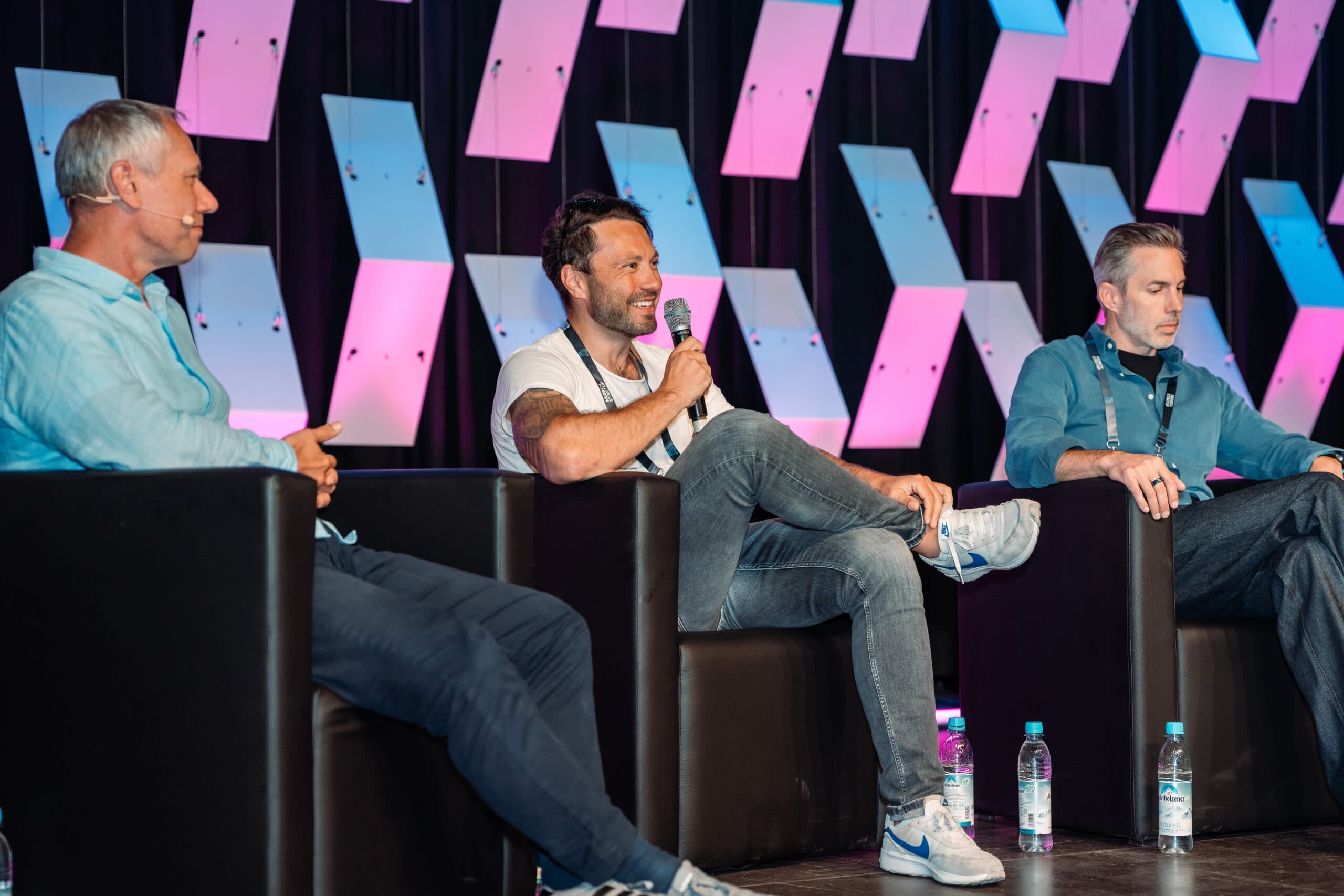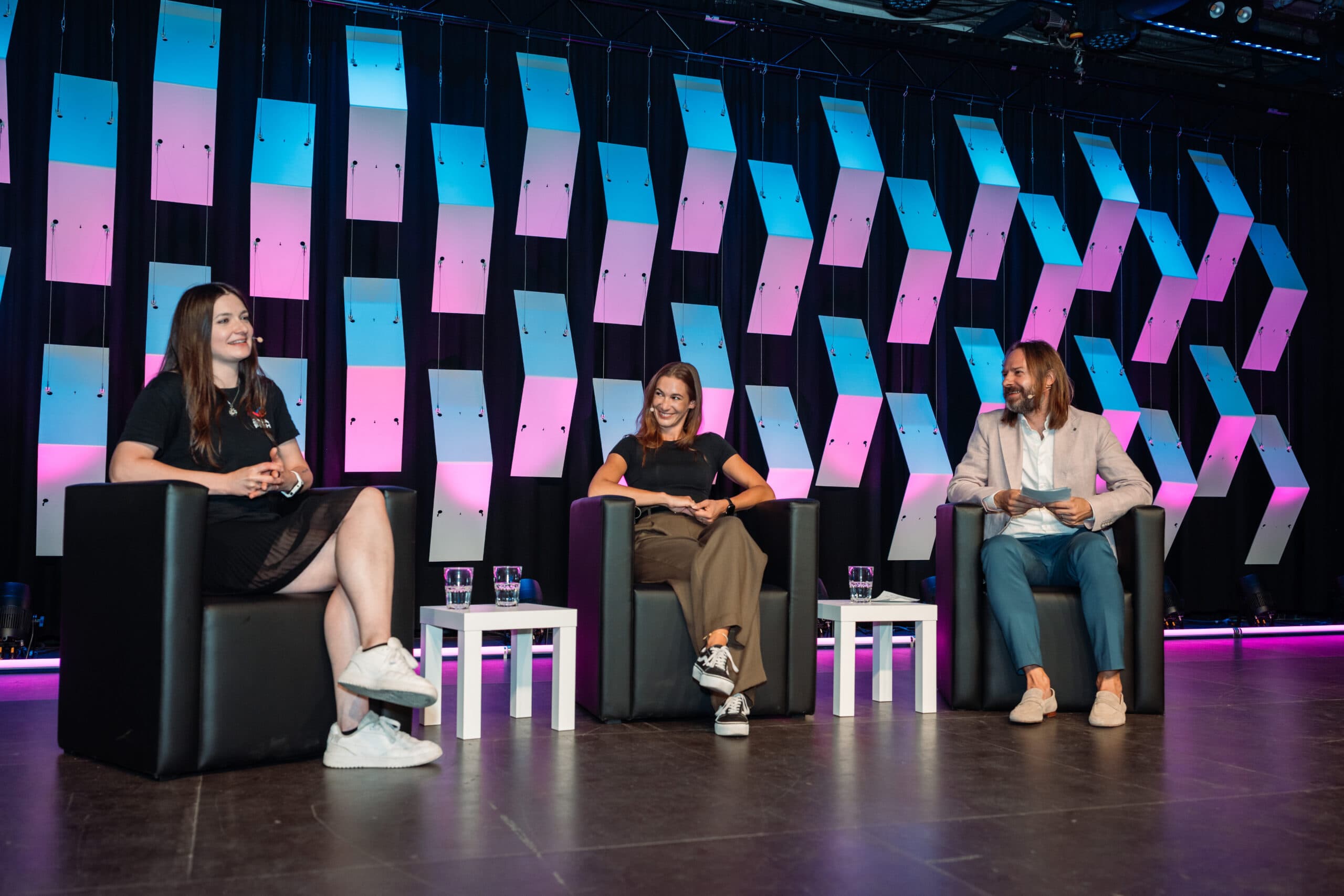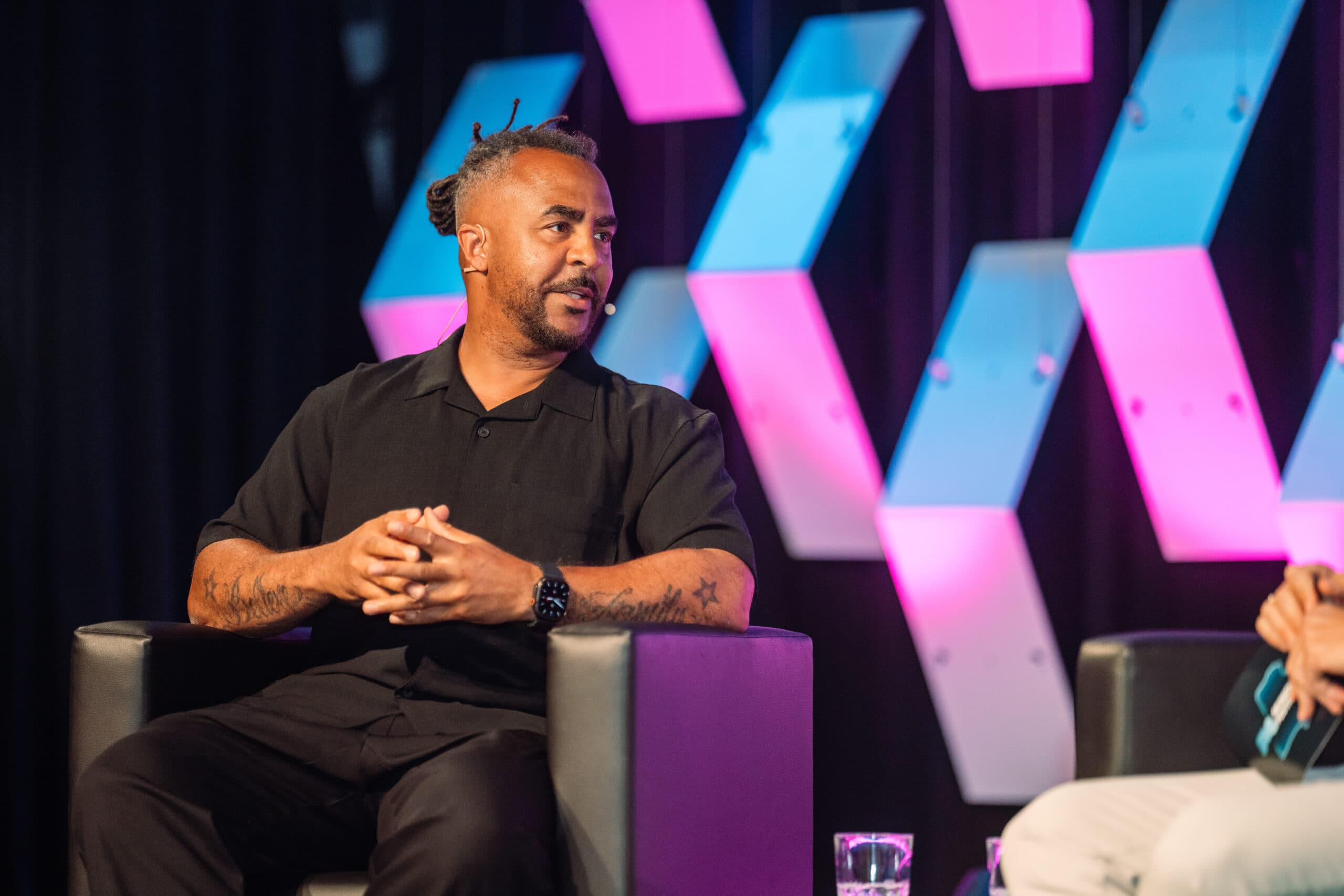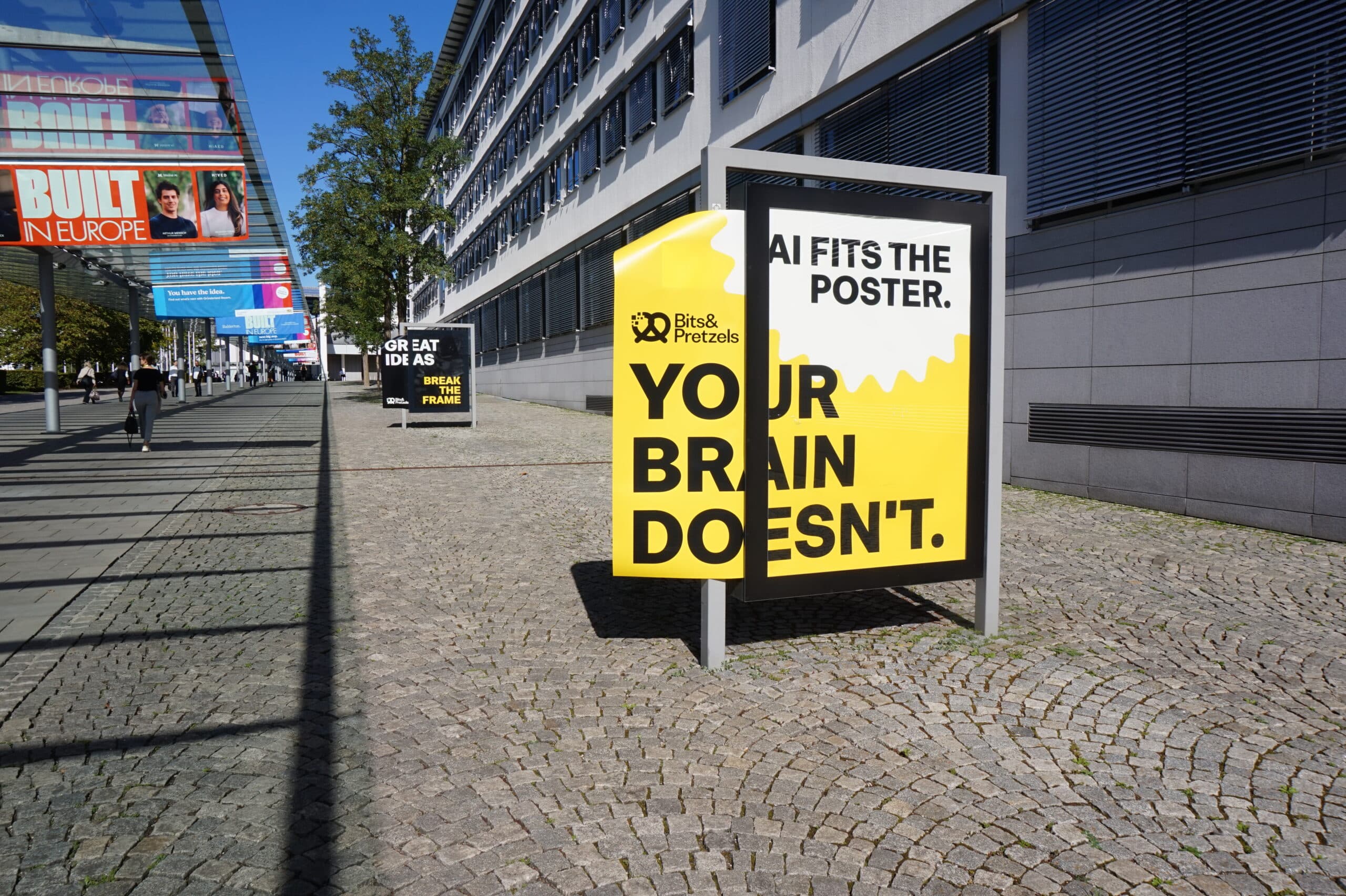

More international, more packed, and more optimistic: Anyone walking through the halls of Bits & Pretzels this year quickly got the impression that the mood in the startup scene is clearly on the rise. Around 7,500 participants and more than 200 speakers came to Munich for the twelfth edition of the founders’ festival. What stood out was just how international the event has become. English was spoken in most of the hallways, and during the pitch sessions, a large share of the startups came from abroad, mostly from across Europe.
The figures from the German Startup Monitor, presented at Bits, also match the spirit of optimism. The number of newly founded startups has reached a record high. Between January and September, eight billion euros in venture capital flowed into German startups—already 500 million euros more than in the entire previous year. The main drivers are deep tech, energy tech, and defense in particular.
Alexander Hirschfeld from the German Startup Association therefore sees the sector as positioned significantly better than the German economy as a whole. Support from universities also plays a major role: 51 percent of startups receive support from universities.
“It matters and it works,”
Hirschfeld summarized. At the same time, the number of unicorns is growing: ten more were added in 2026. And they are increasingly emerging outside the traditional hubs of Berlin and Munich as well.
“We have everything: talents, capital and industry,”
said Balázs Nagy, CEO and co-founder of Tytan Technologies. Now Germany needs to make better use of these prerequisites and mobilize more capital.
AI everywhere – and yet “Human after all”
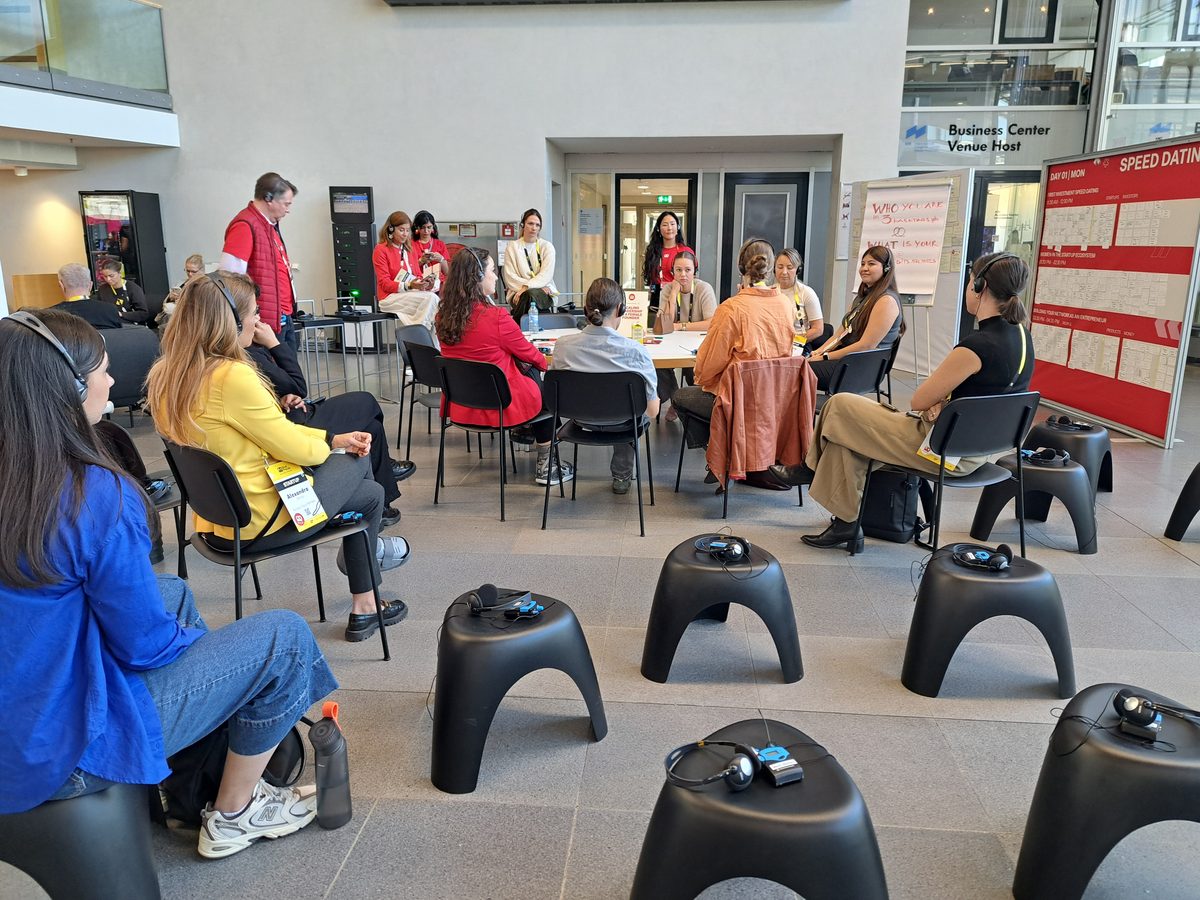
The official motto of Bits & Pretzels this year was “Human after all.” The organizers deliberately wanted to create a counterweight to the AI hype and shift the focus back toward founders, personal resilience, and human networks.
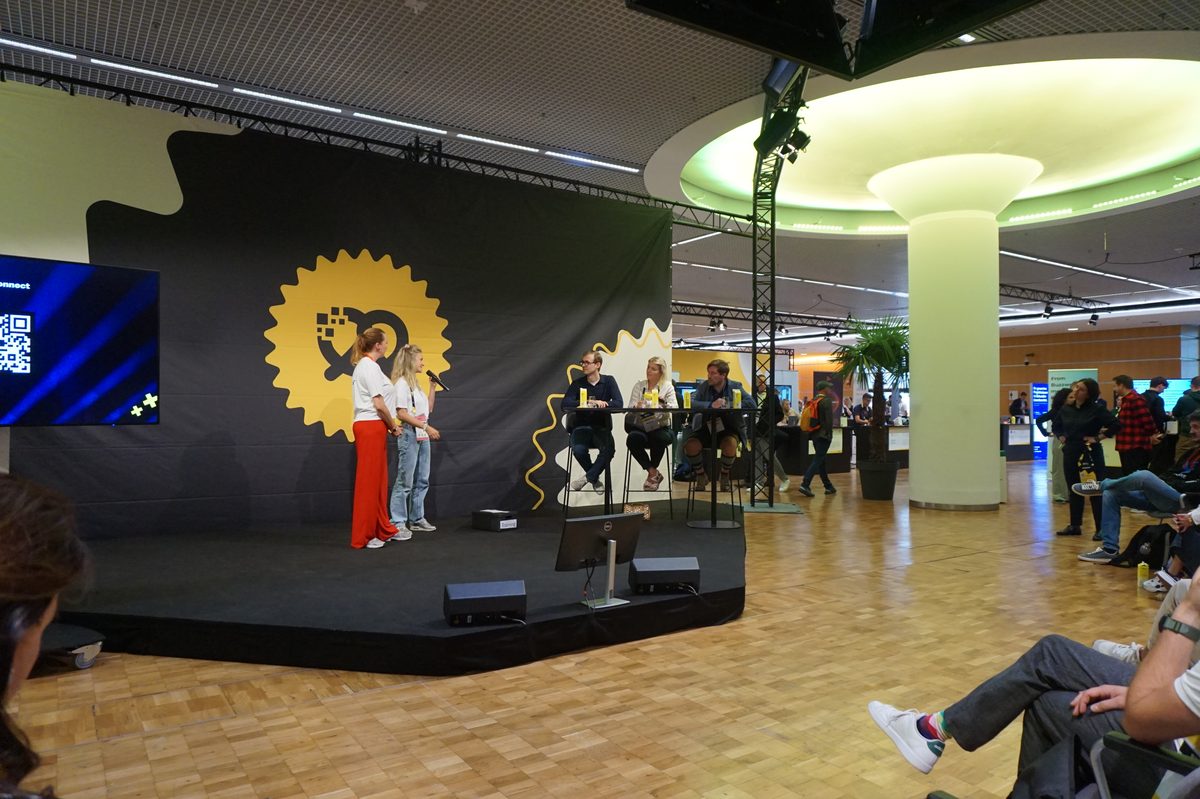
Indeed, this idea was reflected in many places. The Pitch Corner was centrally located in the exhibition area, giving founders more visibility. At the same time, this was precisely where it became evident how difficult it has become to talk about startups without talking about AI: In the “Operations & Future of Work” session, all eight pitching startups relied on AI – whether for school administration, legal counsel, HR, or corporate communications.
Investors were therefore also grappling with the question of where opportunities lie beyond AI. Anna Sophie Herken from Deutsche Gesellschaft für Internationale Zusammenarbeit and Yusuf Özdalga from QED Investors, for example, turned their attention to Africa as an emerging market to tap into. Özdalga also continued to see opportunities in fintech and regtech. While AI will make its way into everything, what remains crucial is “speed, culture and brand.” Antoine Nussenbaum from Felix Capital summed up the human perspective even more succinctly:
“We invest in people.”
Defense gets its own dedicated area for the first time
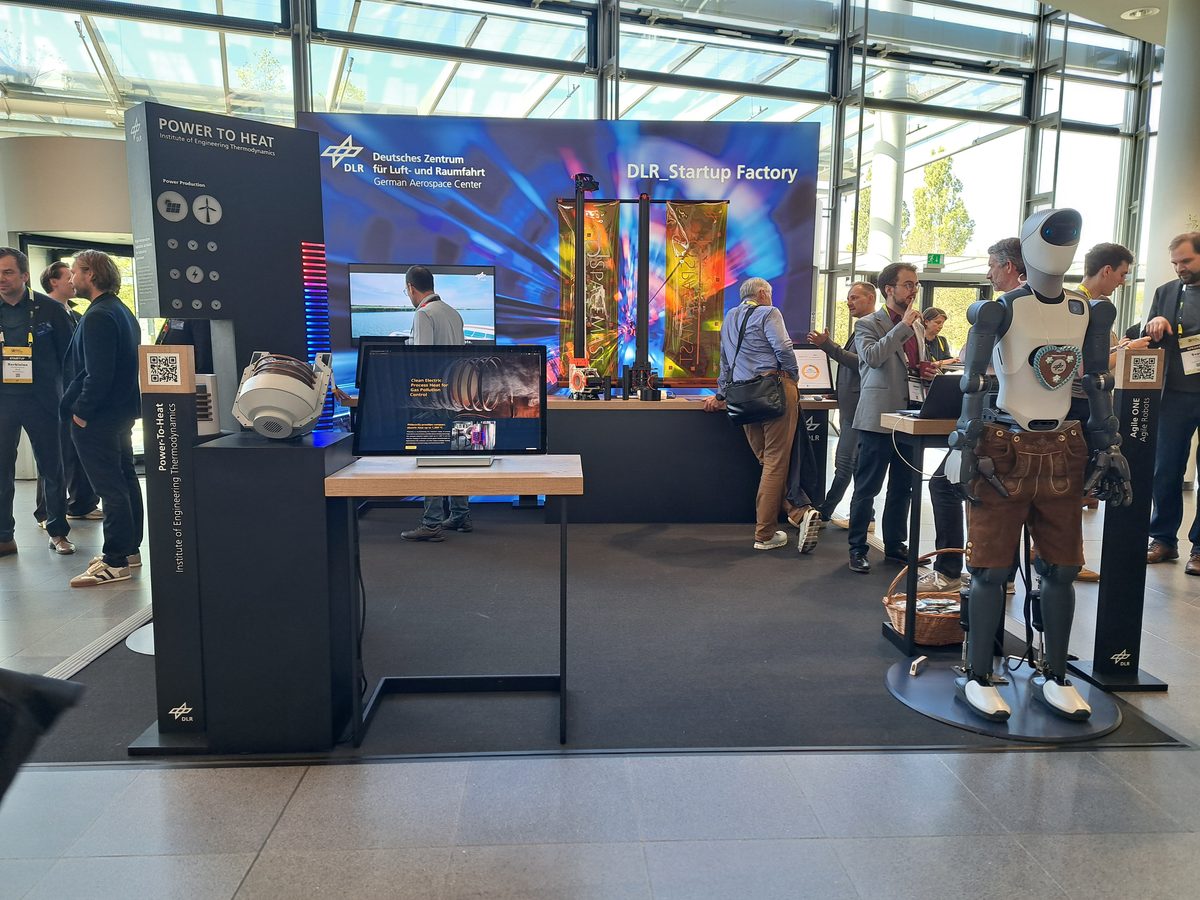
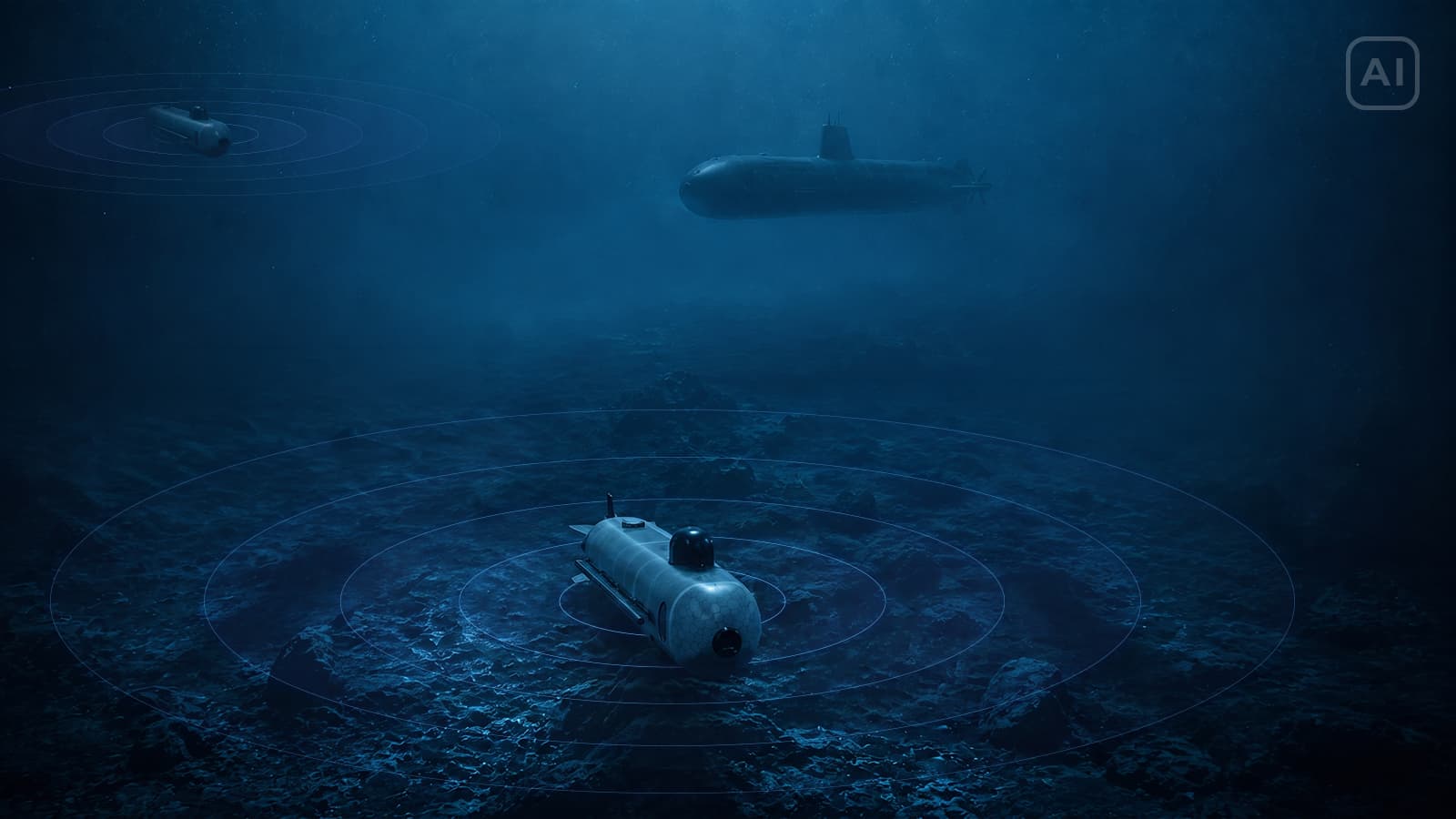
Another part of the exhibition clearly showed how industry priorities are shifting: for the first time, there was a dedicated defense area. The sector quite literally took up more space at Bits.
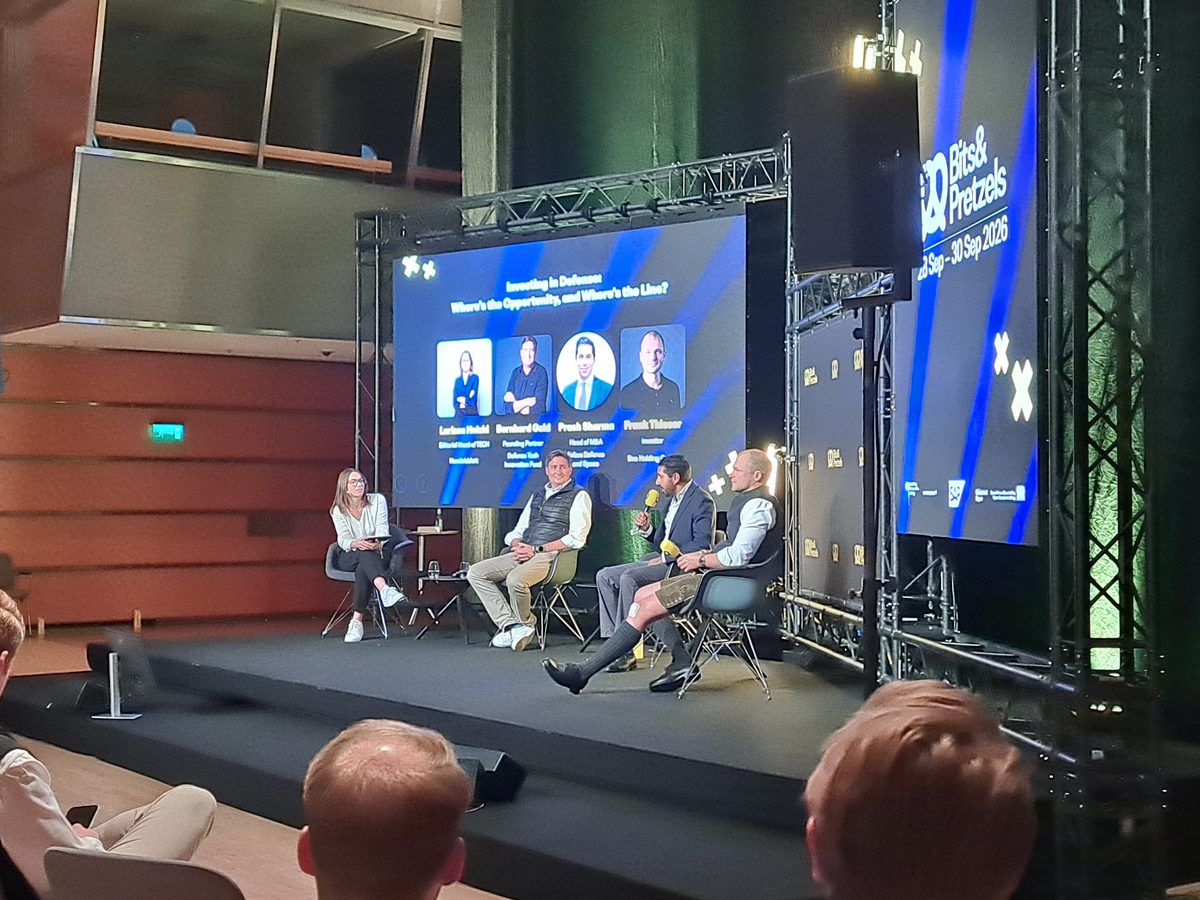
During the panel “Investing in Defence: Where’s the Opportunity, and Where’s the Line?”, it became clear that investors now view defense less as a short-term trend and more as a structural development. As Bernhard Gold from the Defense Tech Innovation Fund put it:
“Defence is much more than a trend, because it’s important.”
At the same time, questions around ethical boundaries remain ever-present. Gold stated that he does not invest in weapons, but emphasized that participants in the war in Ukraine are ultimately always part of a “kill chain.” Prash Sharma of Airbus Defence & Space therefore continues to call for a “human in the loop.” Humans must retain control rather than outsourcing decisions entirely to technology. For the growing number of defense startups, he also anticipates consolidation:
“A lot has emerged, at some time there will be a consolidation.”
Trevor Noah fills the rows
The fact that big names are good for Bits & Pretzels became particularly evident on Monday afternoon. The announced appearances by Minister-President Markus Söder and Federal Minister for Economic Affairs Katherina Reiche were cancelled at short notice. They were replaced by Bavarian Health Minister Judith Gerlach and Parliamentary State Secretary Stefan Rouenhoff. During their talks, the rows visibly emptied out.
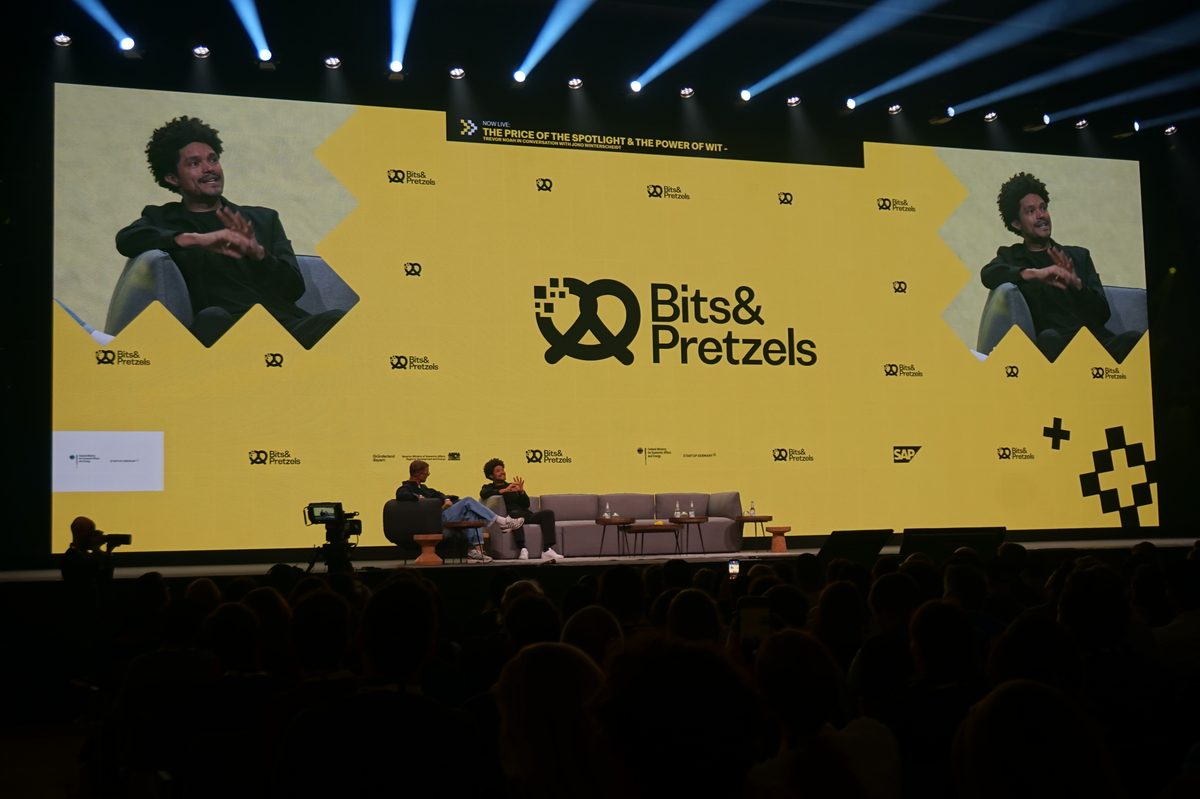
Shortly afterward, the seats were filled again: Joko Winterscheidt interviewed Trevor Noah. The comedian spoke about optimism, failure, and how people evaluate difficult experiences. Noah ultimately posed a question, particularly with regard to AI, that aptly sums up the festival’s theme: What happens when technology transforms the profession through which a person has previously defined their worth?
And so, Bits & Pretzels 2026 leaves behind quite a contradictory feeling. AI has long been embedded in nearly every solution, defense is visibly growing, and the search for capital remains central. At the same time, there is a lot of talk about resilience, responsibility, and human judgment. Perhaps that is why “Human after all” does not serve as a counter-model to the tech boom, but rather as a question about what role humans should play in it in the future.