
Munich Startup: What is CDTM?
Samuel Valenzuela, CDTM: For a long time, the CDTM was simply defined as a joint institution of TUM and LMU that networks, trains, and empowers tomorrow’s innovators. Twenty-seven years after its founding, however, CDTM has become more complex: At the turn of the millennium, TU and LMU recognized the opportunity to supplement traditional university education with interdisciplinary, project-based teaching. CDTM was launched to equip students with the necessary tools for working with new technologies, was admitted as an elite degree program in the Elite Network Bavaria (ENB), and is funded by the universities for somewhat more than half of its budget, supported by ENB. The other half of the funding comes from project-based industry and university collaborations.
At its core, CDTM offers additional studies in technology management. With an acceptance rate of around five percent, only the most talented and committed students have the opportunity to participate in the study program and address real corporate challenges within it. CDTM has developed into a thriving community with over 1,000 alumni and is now also active in Spain. The goal is to become Europe’s leading innovation program. What is CDTM today then? CDTM is a study program, a community, a support association, a European network, and was recently supplemented with an investment instrument. However, if one had to boil CDTM down to a single noun, “community” would remain: What makes CDTM special is the composition of remarkable people who question the status quo and support each other in bringing their ideas of all kinds to life.
Student engagement meets agile structure
Munich Startup: What makes CDTM so unique?
Samuel Valenzuela: What makes CDTM unique is its bottom-up structure. From the beginning, the development of the study program and community was largely driven by the student body. Those accepted into the program immediately take on responsibility. All students are assigned to a so-called “taskforce” that independently manages operational areas such as “marketing,” “community building,” “infrastructure,” or “onboarding.” Each person brings their own perspectives and actively shapes CDTM.
The taskforces are coordinated by CDTM’s management team, which consists of doctoral researchers. They lead the center’s educational and operational activities and, through their close collaboration with students, are able to make decisions quickly. The management team is supported by two structures: The “Board of Professors” provides advice on strategic decisions, while the alumni support association provides additional intellectual and financial resources, such as scholarships.
CDTM: An interdisciplinary, career-flexible, impact-oriented education program
Munich Startup: What is the focus of your program and how do you integrate current tech trends?
Samuel Valenzuela: We have a clear mission: We network, train, and empower tomorrow’s innovators. We teach innovation and leadership skills in an interdisciplinary and holistic way. While the focus is on digitalization and technology, true innovation emerges at the interfaces between different disciplines.
CDTM is known for its entrepreneurial impact: Around 20 percent of all German unicorns were co-founded by alumni – with only about 50 new students per year. Often confused with startup support, we are not an incubator, but a career-flexible, impact-oriented education program. Our goal is to empower students to drive innovation where they see the greatest potential for change – whether in startups, corporations, research, NGOs, or politics.
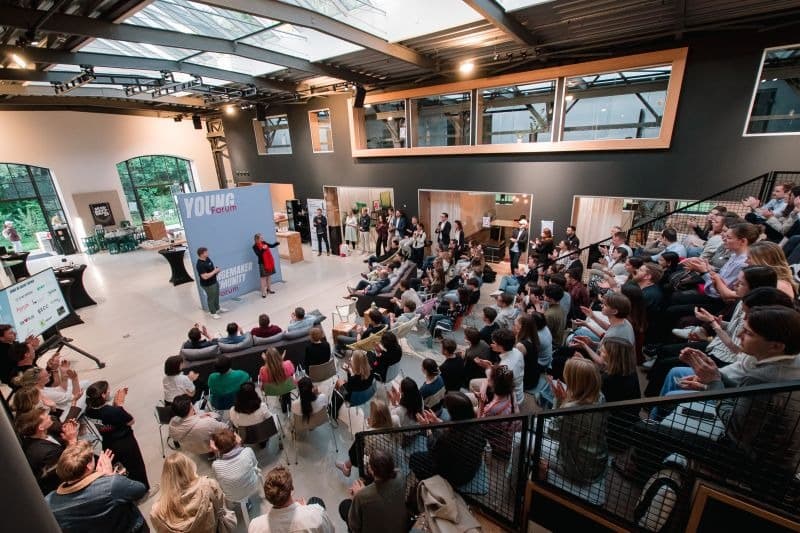
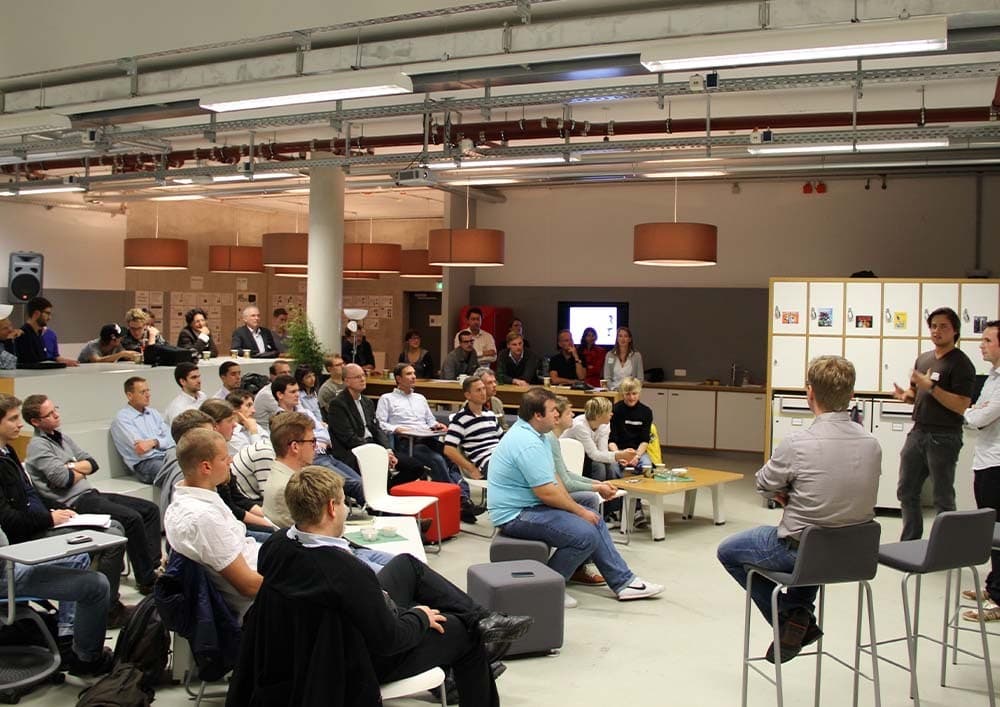
At the core of CDTM is our interdisciplinary community. Students from diverse disciplines learn from and with each other, work on real challenges, and develop concrete solutions. In addition, we offer weekly events and discussions on topics such as entrepreneurial mindset and innovative research. We integrate current technology trends strategically through project-based learning, electives, hackathons, and other initiatives driven by our students.
Munich Startup: How do you ensure practical relevance?
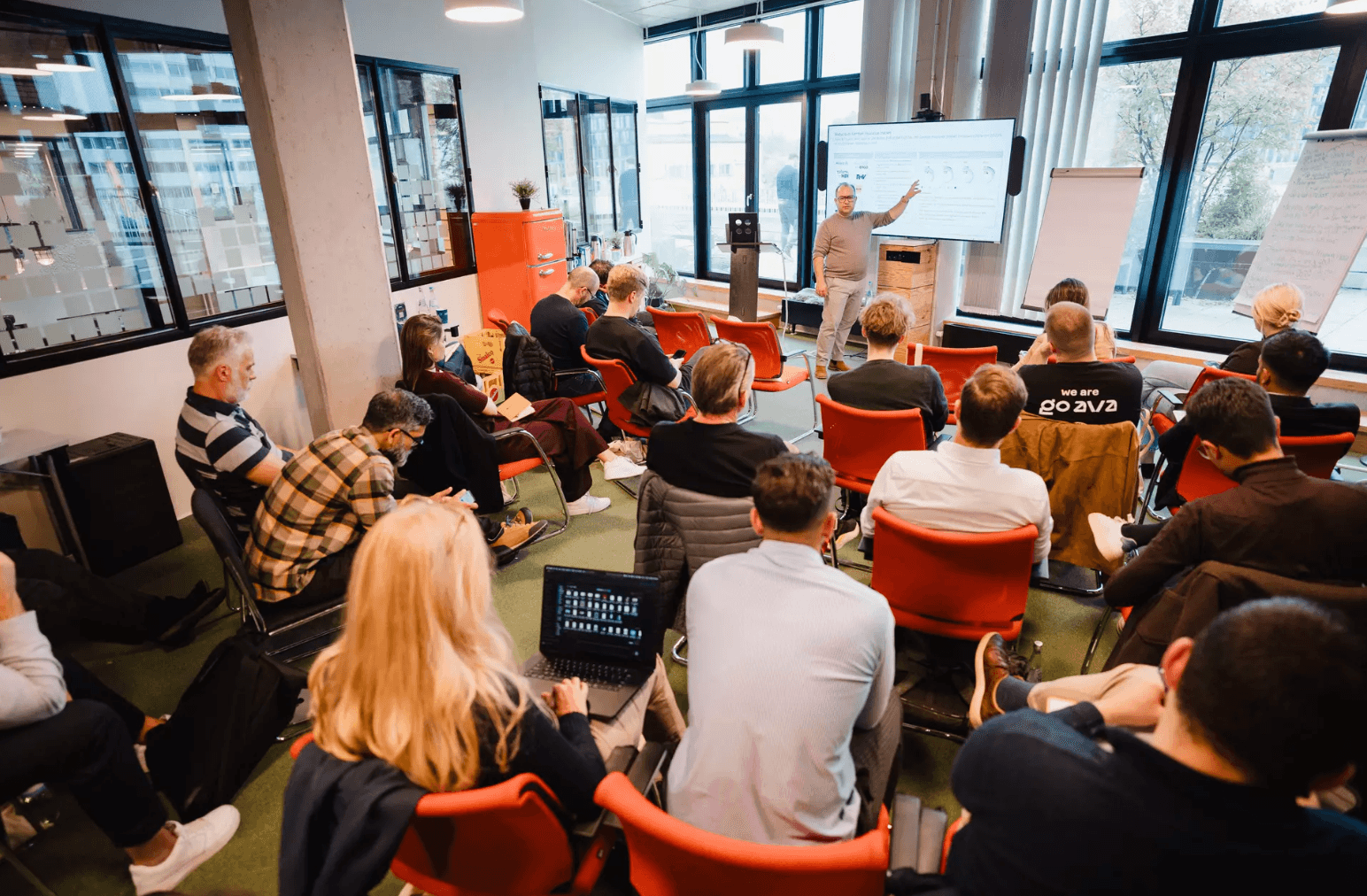
Samuel Valenzuela: To ensure a practice-oriented learning experience, we select (industry) partners whose projects require concrete results and at the same time give students the freedom to go through the entire innovation process – from problem analysis and idea generation to solution development. Each project phase is supported by targeted, solution-oriented workshops that always put practical benefit front and center.
International perspectives as an opportunity for growth
Munich Startup: What importance does studying abroad have for you?
Samuel Valenzuela: A stay abroad used to be a requirement for graduation from CDTM, but today’s regulations offer more flexibility. Nevertheless, international experience remains an important part of our culture to foster curious and globally-minded personalities. A stay abroad expands horizons, fosters new perspectives, and helps develop knowledge of different collaboration styles, technologies, and ways of thinking.
We have partnerships with leading institutions such as UC Berkeley, which offer our students great opportunities. At the same time, we support student initiatives and encourage students to pursue their own goals. Many of our alumni work worldwide at leading universities, in startups, or at VCs and offer our students mentoring and local contacts. This creates a strong, informal network that enriches the study abroad experience. For us, the time abroad is an opportunity for growth and valuable insights that flow back into the CDTM community.
Munich Startup: What do you offer beyond the curriculum?
Samuel Valenzuela: In addition to our core curriculum, we regularly offer electives covering a wide range of topics. These topics are from the community for the community and include everything from self-leadership and meditation to brain computer interfaces and carbon dioxide removal. Meanwhile, so many decentralized initiatives run in the community that it’s sometimes hard to stay up-to-date on all topics. There are roundtables, initiatives, sports groups, hackathons, and more.
Munich Startup: You only admit 25 people per batch. How do you make your selection?
Samuel Valenzuela: We have a two-stage application process in which qualifications and personal fit of applicants are evaluated first through CVs and then through selection interviews. Over the years, we have been able to identify which factors are particularly important for creating a strong and interdisciplinary class composition.
The more you put in, the more you get out
Munich Startup: Why is CDTM so attractive despite the high workload?
Samuel Valenzuela: At CDTM, there is a proven ground rule: the more you put in, the more you get out of the experience. The high workload is a central part of the program because it shows our students how much they can achieve in a short time. The fact that so many willingly make this effort speaks to the commitment of young people to innovation.
Munich Startup: You have no “official” startup focus in the program. How is it that so many alumni have founded successful companies?
Samuel Valenzuela: The people we have the privilege to mentor at the center are exactly those who pursue their topics with great drive, ambition, perseverance, and passion. What they still lack is complemented by our community and course content, which helps them develop a sense of self-efficacy. In the past, this exact mix inspired many of our “centerlings” toward entrepreneurship. Today, CDTM is known for entrepreneurship. Some students apply with this topic very much in mind.
This interview is the start of a series of articles on CDTM. Read the second part here and the third part here.