
Munich Startup: What problem do you provide a solution for?
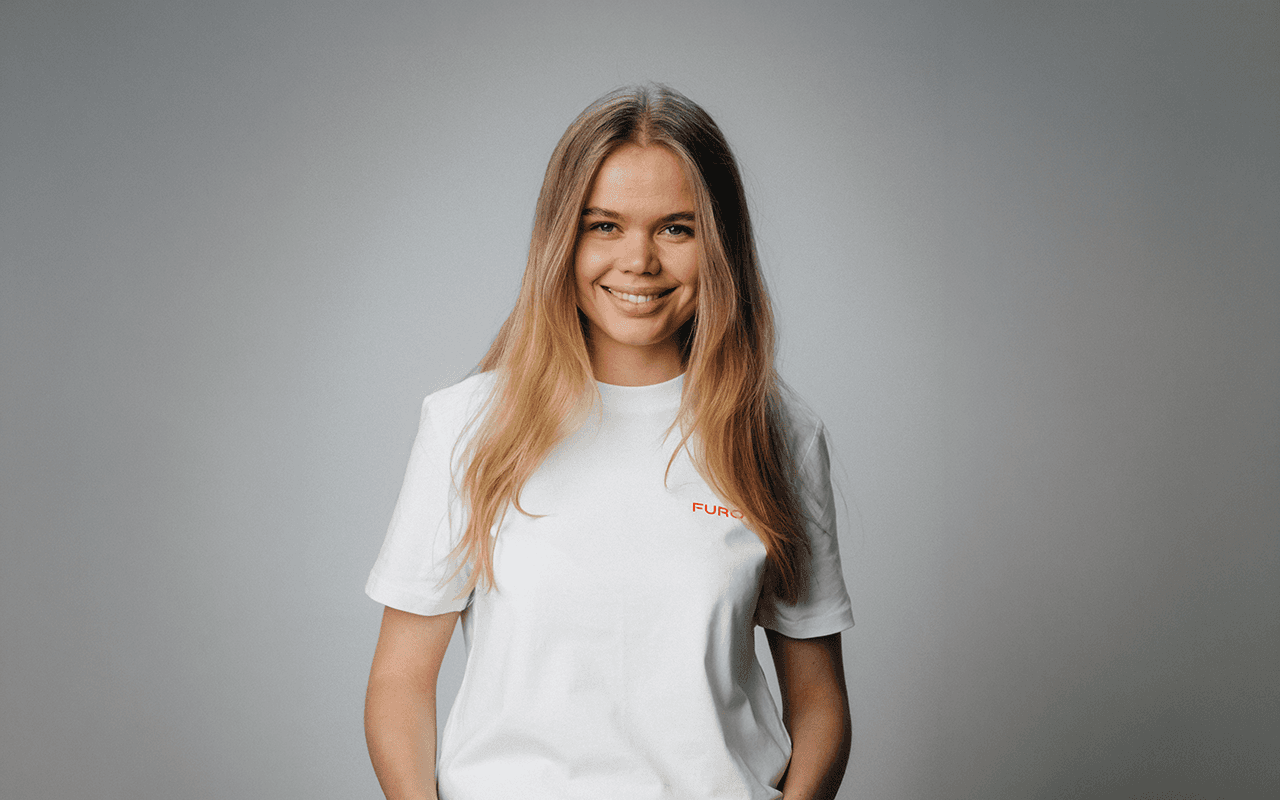
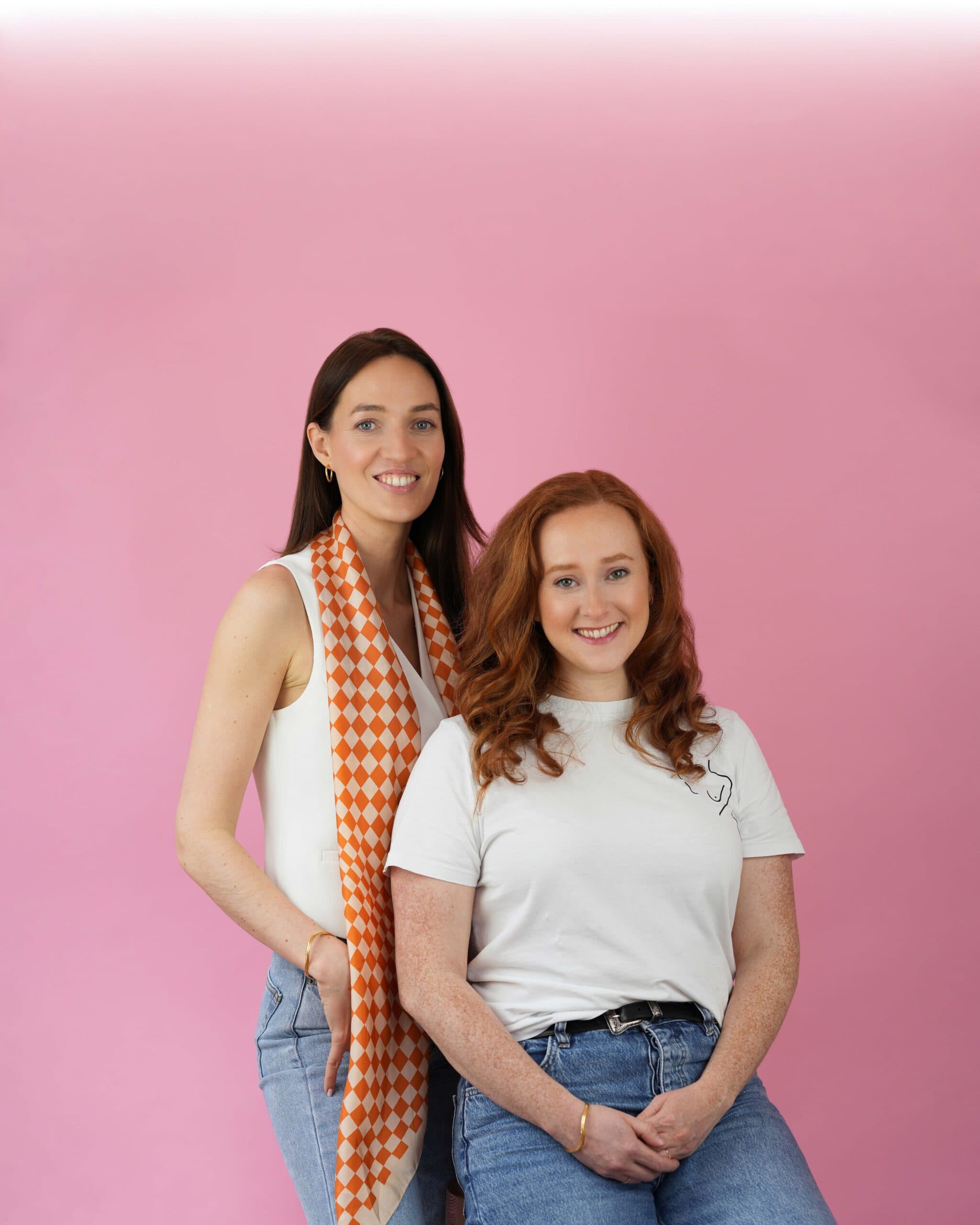
Eva Bodenmüller, Co-Founder of Dais & Grace Forsyth, Co-Founder of Dais: We offer a solution for women who don’t want to let their menstrual cycle limit their everyday lives. At our core, we’re all about women’s health and well-being, and that’s precisely why we develop products that make everyday life easier. We call this approach Cyclecare: a holistic response to everything related to the female cycle.
Munich Startup: What can only you do as of today?
Eva Bodenmüller & Grace Forsyth: We consistently focus on high quality: modern cuts, good raw materials, and the ambition to be best in class across the board—and all at fair prices. On top of that is our accessibility: Through our retail strategy, our products are available everywhere, not just online.
The Gap on the Drugstore Shelf
Munich Startup: What was the catalyst for founding the company?
Eva Bodenmüller & Grace Forsyth: The catalyst was a clear gap on retail shelves: period underwear was already on the market, and we thought the concept was fantastic, but it was available almost exclusively online and at very high prices. We wanted to change that and offer fair prices that are genuinely affordable for every woman, available right where women buy their hygiene products anyway.
On top of that, there was a very personal drive: in our previous careers, we helped build major brands for drugstores and loved helping those brands grow. But it was always for someone else, always as part of a larger team. We missed being able to incorporate our own values. We wanted to build something meaningful that goes beyond just a job—something that is truly ours and that we can put our heart and full dedication into. And that is simply a completely different experience than working on a team for someone else.
“We can’t do this”
Munich Startup: Was there a moment when you thought about giving up?
Eva Bodenmüller & Grace Forsyth: Thousands, but the worst moment was about a year after founding when we received a cease-and-desist letter from a competitor. We had to take back products that we had only just sold. As a young startup, that cost us an enormous amount and nearly broke our necks. In that moment, we genuinely thought: We’re not going to make it. Looking back, however, that very setback helped us grow: We pulled together even closer as a founding team, found a solution to the problem, and then focused very deliberately on growth to recoup those heavy costs. In the end, that played a major role in our success today.
Munich Startup: How would you know in a year that you’re on the right track?
Eva Bodenmüller & Grace Forsyth: We would know it by seeing our product portfolio on the shelf noticeably transform—moving away from purely period underwear toward cycle care as a whole. If we manage to launch all the products we’re currently planning and establish cycle care as its own category, that would be a strong signal. And that also includes brand awareness: having more people know who we are without us having to explain who we are and what we stand for first.
Munich love with a little Berlin FOMO
Munich Startup: Would you found in Munich again, and why?
Eva Bodenmüller & Grace Forsyth: Yes, definitely in Munich again. We both have strong ties to the city and simply love it. Munich offers us a great work-life balance with its proximity to nature, and that small-town feel helps tremendously—especially when building brand awareness, because word travels much faster in this community than across Germany as a whole.
We’ve also noticed that the founder community here has evolved significantly since we founded our company. In the beginning, it felt like we were almost on our own, surrounded more by large, established corporations than by other startups, especially in the consumer goods sector. There are far more of them now, and we’re also increasingly networking beyond Munich.
To be honest, we still have a bit of FOMO when we see what’s happening in Berlin. The founder community there is simply even larger. And I think we can fairly describe taxes in Germany as rather unpleasant. But at the end of the day: Munich is and will remain our home.
Munich Startup: Bootstrapping or venture capital?
Eva Bodenmüller & Grace Forsyth: For us, it’s both. We just approach it a little differently than usual. We are venture-backed, but not through the traditional series of funding rounds. The fact that we take on venture capital at all is primarily due to our retail focus: it’s capital-intensive because you have to produce inventory in advance, and revenue doesn’t grow linearly, but rather like a hockey stick. It’s precisely for these phases that you need financial resources that you can’t always generate on your own.
However, our goal is organic growth: We don’t want to raise new capital every few months or years, but rather grow as sustainably as possible. We don’t believe in burning money just to grow as fast as humanly possible; instead, we raise capital that allows us to execute our strategy: entering retail and investing in inventory without harming the company. In doing so, we always make sure to remain cash-flow positive and profitable.