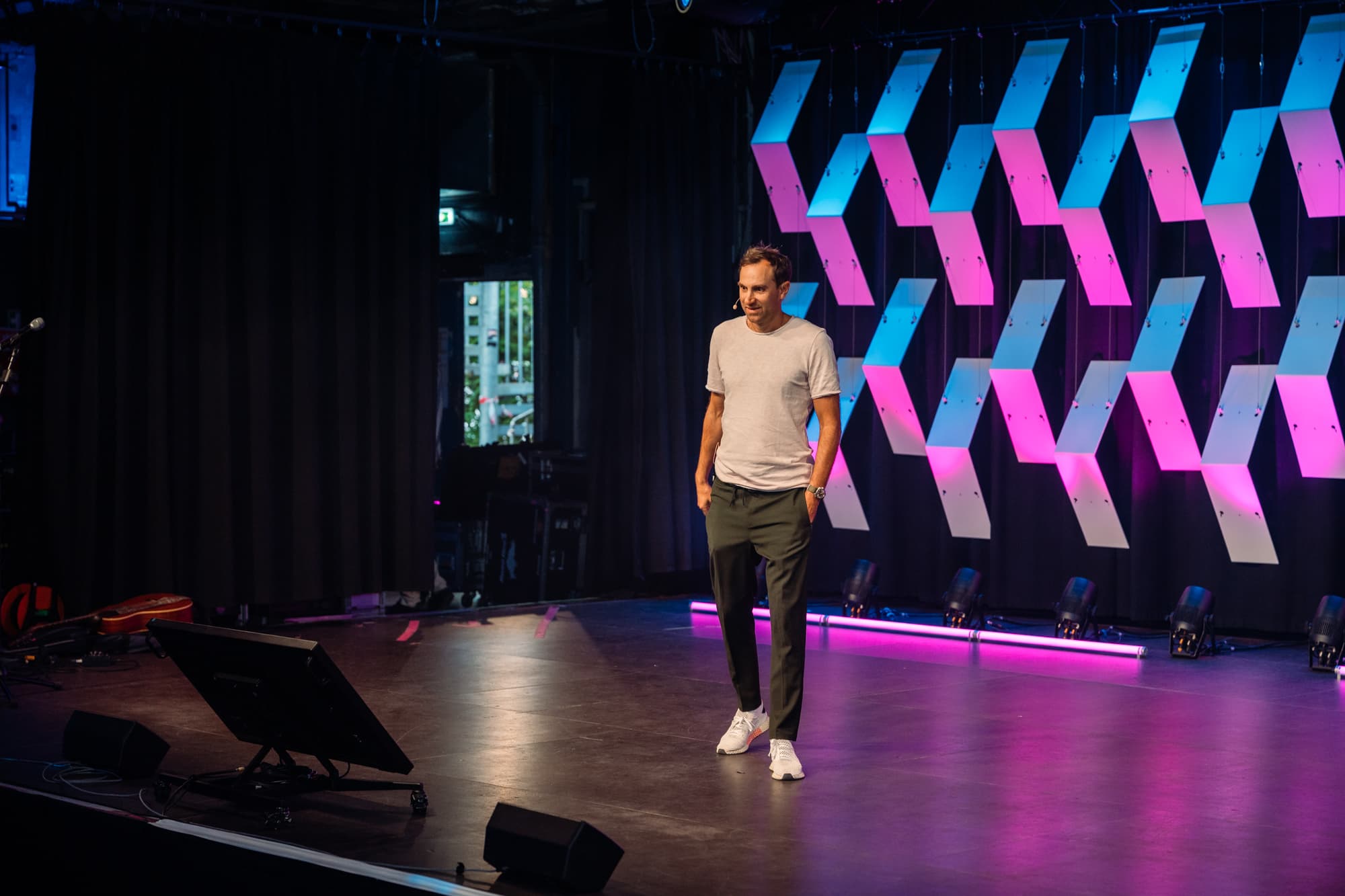

Anyone who wants to build a company must above all learn to endure setbacks. David Baumgartner, who founded Dean&David around 20 years ago, tells us at the Munich Startup Festival, that when comparing successful entrepreneurs, he repeatedly sees the ability to survive crises. At the same time, he warns against choosing the wrong business partners, a frequently underestimated risk.
Resilience determines long-term success
For Baumgartner, entrepreneurship begins with the willingness to endure tough phases. Founders need to build “an extremely tough resilience” and learn to deal with setbacks:
“You won’t really find a successful company in this world that hasn’t gone through very deep valleys.”
As examples, he cites companies like Apple, which were at times on the brink of bankruptcy. What matters is not avoiding setbacks, but keeping going after them. This is precisely what Baumgartner sees as the common denominator among successful entrepreneurs.
Keeping numbers under control: “You always have to watch every euro”
In addition to mental strength, the founder of Dean&David cites the second success factor: financial discipline.
In his experience, many founders fail not because of a lack of ideas, but because they do not know their key metrics well enough. Anyone who does not understand their expenses and economic context cannot run a business sustainably.
“You always have to watch every euro.”
A professional approach to finance is a basic prerequisite for entrepreneurial success, regardless of the industry or business model.
Select Partners and Investors Carefully
The founder gives a particularly urgent warning against choosing business partners or investors prematurely. He repeatedly observes conflicts and disappointments, especially in this area.
“A marriage is basically nothing compared to what you have in an entrepreneurial partnership, for instance. There is no prenup and there is no divorce—instead, unfortunately, there is often just bad blood.”
That is why founders should carefully examine who they want to work with in the long term. Personal and strategic expectations must align over time.
Why Baumgartner deliberately opted against maximum scaling
Looking back, Baumgartner has no regrets about his entrepreneurial decisions. Although there were numerous offers from major private equity investors in recent years, which might have made international expansion all the way to unicorn status conceivable, his desire for entrepreneurial freedom won out, as he makes clear in the interview:
“I’m the type of person who would rather have a big piece of a small cake than a small piece of a big cake.”
For him, greater ownership also means more decision-making freedom and less dependence on investor interests.
Entrepreneurship is not for everyone
At the same time, Baumgartner dispels the notion that anyone can inevitably become a successful founder. In two decades as an entrepreneur, he says he has met many people who were technically outstanding, but not built for the strain of entrepreneurship. A lack of resilience, constant pressure, and sleepless nights can wear people down in the long run.
“Entrepreneurship is great, I love it, but it’s also brutally tough.”
Anyone who realizes that this path does not align with their strengths shouldn’t view that as a defeat. Often, a different career path is the better decision – and ultimately the happier one.
Three pieces of advice from David Baumgartner for founders
In summary, David Baumgartner offers young startups the following three tips:
- Develop resilience: Setbacks are part of entrepreneurship and must not lead to giving up.
- Master finances: Key metrics and expenses must be kept in view at all times.
- Choose partners carefully: The choice of co-founders and investors has a long-term impact on company success.
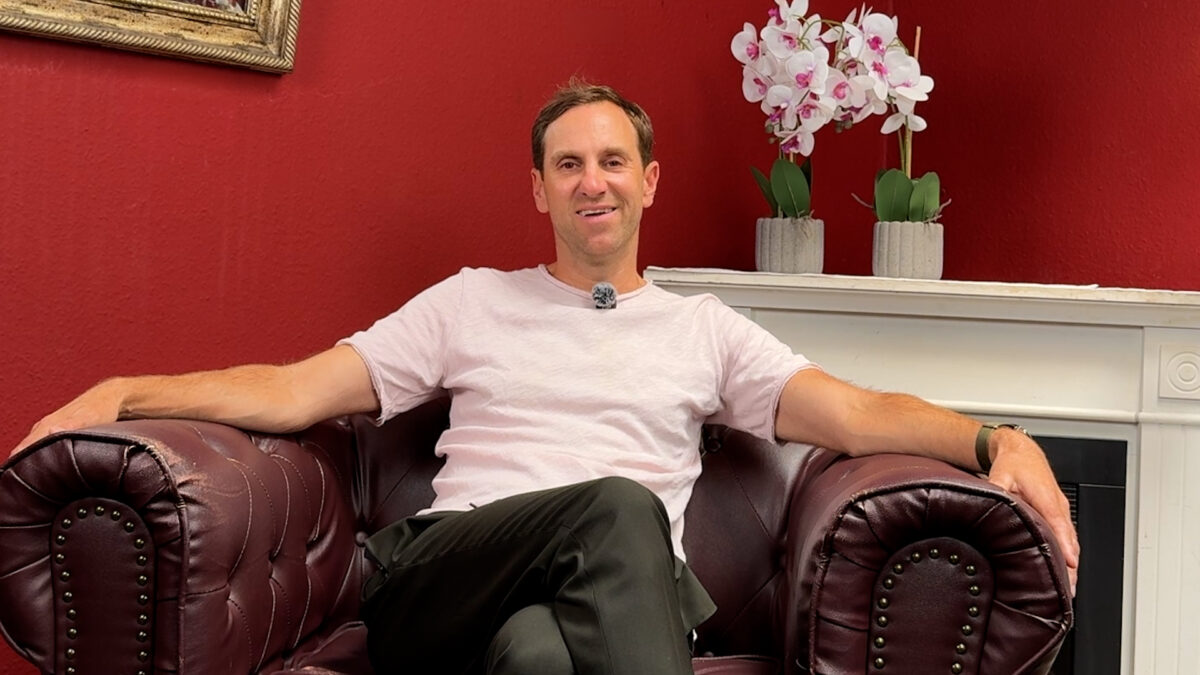
Dean&David was founded in Munich in 2007 by David Baumgartner and is today one of the best-known healthy fast-casual concepts in the German-speaking region.
The company relies on a franchise model and combines freshly prepared food with a focus on a balanced diet and sustainability. The chain now employs more than 2,000 people across more than 150 stores in over 70 cities in 5 countries.