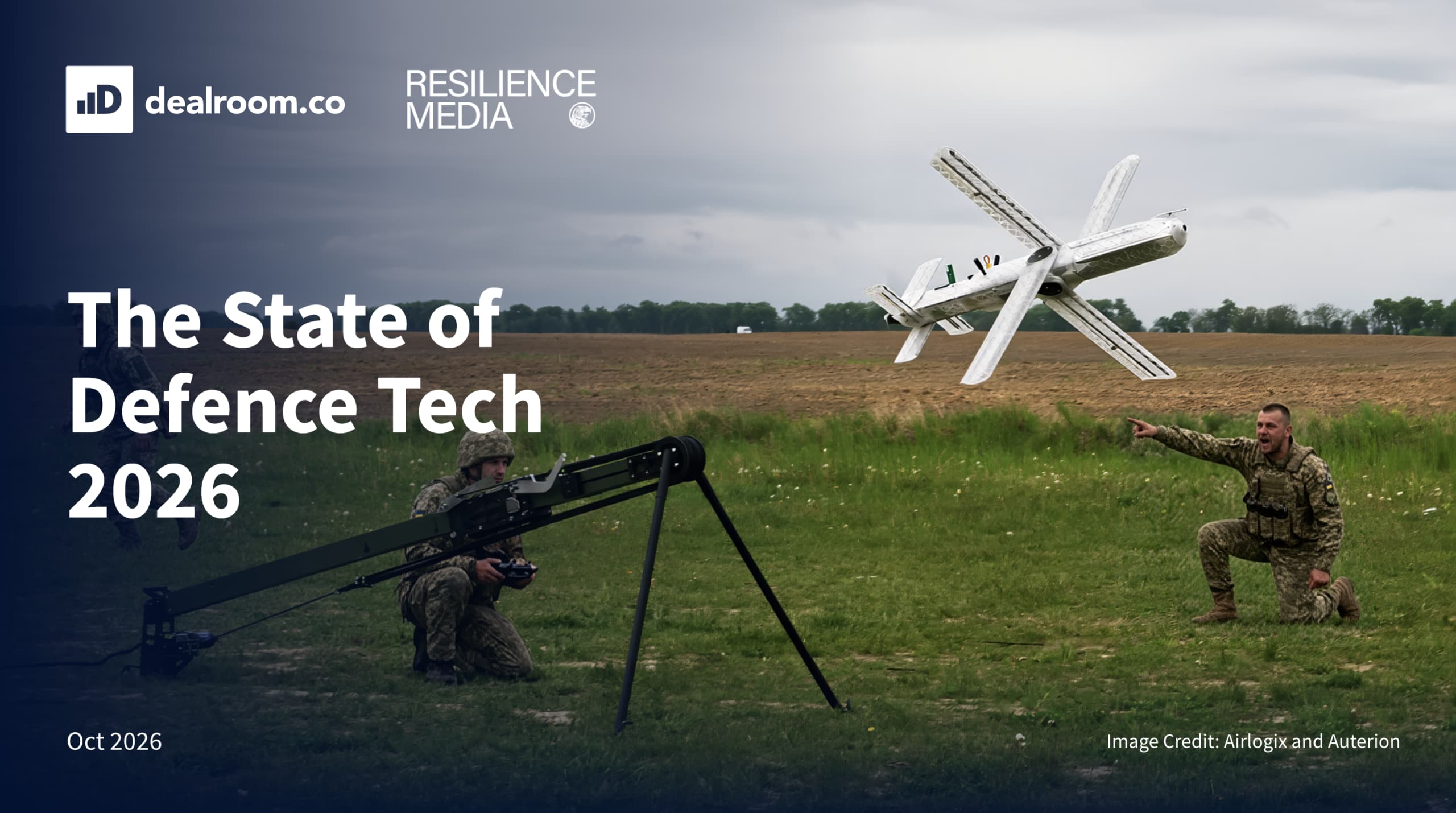

The German Startup Monitor 2025 reveals: Despite economic headwinds, Germany’s startup scene is developing dynamically. Increasingly, founders see the country’s position improving in international comparison. Artificial intelligence and DeepTech in particular are gaining weight. 45 percent of startups say AI is at the center of their product – a significant increase compared to 2024. DeepTech startups now account for 11 percent, while DefenseTech is experiencing record growth with nearly 900 million euros in investments.
However, the capital base remains weak. Relative to economic output, Germany ranks only 18th internationally in venture capital investments. In 2025, 5.4 billion euros flowed into German startups, but the gap to the USA and even European neighbors like France remains large. Four new unicorns emerged, but IPOs were absent.
Verena Pausder, CEO of the Startup Association, says:
“Even though some German scaleups are writing international success stories – we have two major pain points: too little capital and too few IPOs. The gap to the USA is getting bigger, not smaller. We finally need to mobilize more capital.”
Germany gains attractiveness, collaborations stall
A central finding of the monitor: founders increasingly see Germany as an attractive location. 40 percent now rate the founding location as more attractive than the USA – six percentage points more than the previous year. In European comparison, 61 percent see Germany ahead.
According to Pausder, the figures reflect the upward momentum of Germany’s startup scene. It is crucial to capitalize on this momentum from an economic and political perspective to reduce technological dependencies, she says.
At the same time, the report reveals weaknesses in cooperation with established industry. The share of startups with corporate partnerships fell from 62 to 56 percent – significantly less than before the pandemic.
Pausder emphasizes:
“Especially during an economically challenging phase, collaborations with startups are central to scaling new technology like AI. They are decisive in whether Germany keeps pace in global competition.”
The founding climate also appears ambivalent. While it is above the level of established industry, it has declined. 78 percent of founders would start another startup, down from 84 percent in 2024. About 29 percent would relocate abroad if founding again – mainly due to less bureaucracy and better access to capital.
Share of female founders and international specialists increases
Further results from the German Startup Monitor show that the share of female founders has risen slightly to 20 percent. International specialists continue to play a central role: 32 percent of employees in German startups come from abroad, with the share in Berlin reaching 42 percent. At the same time, digitalization remains a major challenge. 81 percent of founders rate the digitalization level of public administration as low. The public sector is also increasingly acting as a client. While the volume remains relatively small, its share of revenue has continuously risen from 4 percent in 2019 to 7 percent this year.
The German Startup Monitor 2025 is based on data from 1,846 startups and was created in collaboration with the ifo Center for Macroeconomics and Surveys.
Here is the report.