Munich Startup: What does Hey Circle do? What problem are you solving?
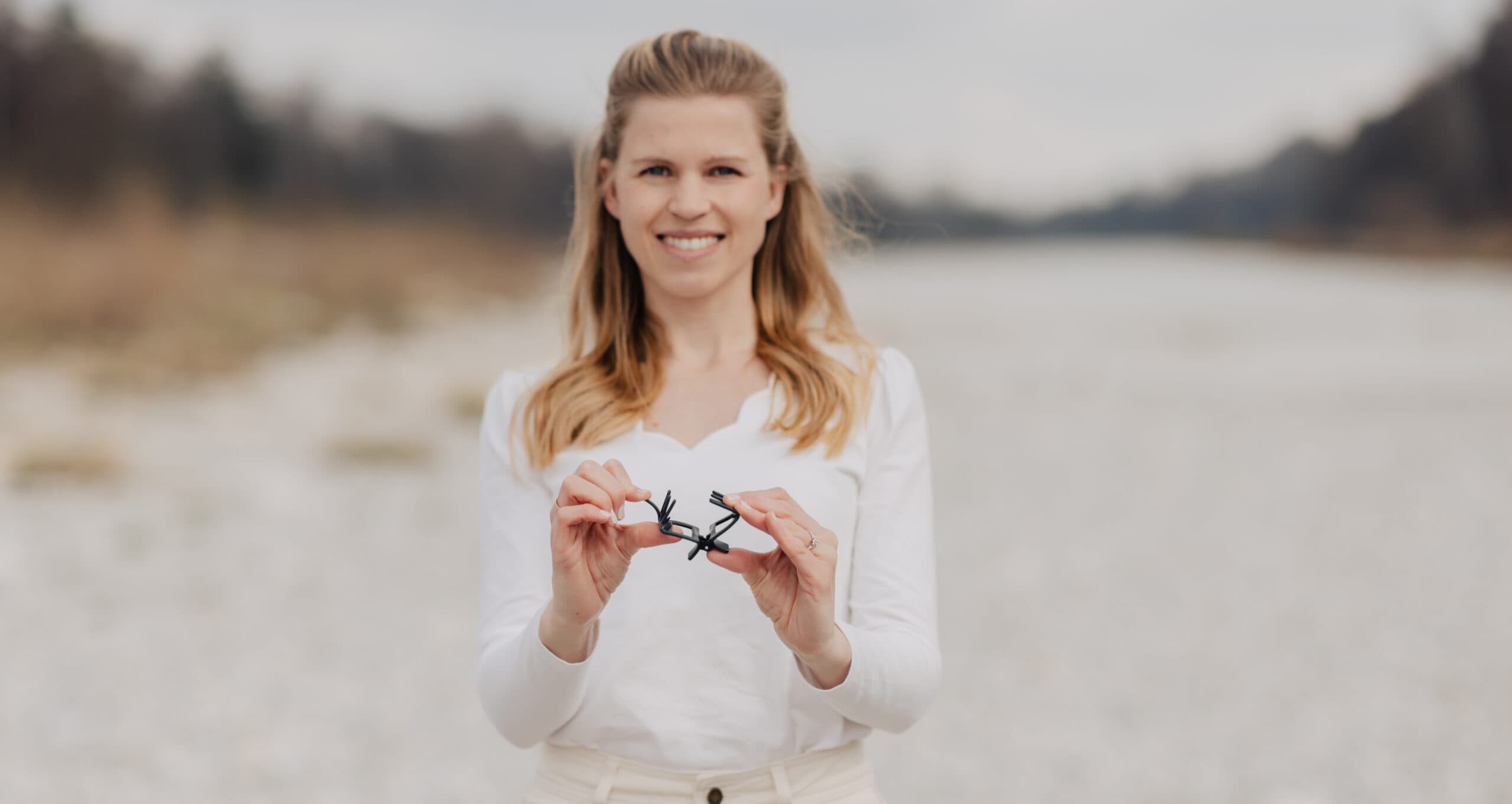
Doris Diebold, Hey Circle: We’re putting an end to the mountains of waste from e-commerce by offering online retailers and their customers reusable shipping packaging as an alternative to single-use cardboard. This saves us 94 percent of waste and 76 percent of CO2 emissions over 50 cycles.
Munich Startup: But that’s been around for ages!
Doris Diebold, Hey Circle: If only! In reality, consumers barely have a choice when ordering online. While there are the first reusable providers in the parcel sector, more than 99 percent of the 4.5 billion shipments in Germany are shipped in packaging that’s indirectly produced for the trash. To change that, we offer a large selection of packaging sizes that covers the entire market, plus complementary IT solutions that support online retailers with returns and deposit management.
Hey Circle: Positive impact through waste prevention
Munich Startup: What’s your founding story?
Doris Diebold, Hey Circle: For me, 2019 was the moment I knew I had to create positive impact with my work. I was already trying to avoid waste in everyday life, like at the supermarket and through conscious consumption. With online shopping – which plays a big role as a mother of two – I couldn’t find a solution at first. So I just made one myself! I quit my good job at a large company, started tinkering, found a co-founder in Morris Kurz, and built a strong network. After founding the GmbH in April 2021, we entered the market in spring 2022 with our first products and customers. And somewhere in between, there was also Corona, which I made the best of. After all, Corona actually accelerated e-commerce and increased the urgency for reusable solutions.
Munich Startup: What have been your biggest challenges so far?
Doris Diebold, Hey Circle: Convincing companies that changing their logistics is easier than they think. Every company knows things can’t continue as they have been, but often there’s still a “never change a running system” mentality. However, most companies that test with us stick with it and gradually expand their sustainable shipping.
Another current challenge is political support – and the power of the single-use lobby. That actually affects all sustainably operating companies. That’s why we’re grateful for any societal progress and every customer who wants to establish reusable solutions alongside us.
Reusable quota for e-commerce comes in 2030
Munich Startup: Where do you want to be in one year, where in five years?
Doris Diebold, Hey Circle: In one year, we want to have replaced around 2.2 million single-use packages. In the year after that, we want to crack the 10-million mark. In 2030, the reusable quota for e-commerce comes into effect, so more and more companies will choose reusable shipping packaging and finally offer their customers the sustainable option I was looking for in vain.
Munich Startup: How have you experienced Munich as a startup location so far?
Doris Diebold, Hey Circle: From the very beginning, there was a lot of support, including from our business angels, and suitable funding programs. We also find plenty of opportunities to exchange ideas with other startups working on reusable products. You could say Munich is a hotspot of the reusable movement.
Munich Startup: Public transport or bike?
Doris Diebold, Hey Circle: That depends on the team members. About half of our Munich Hey Circle team lives in the city center, the others commute by public transport. What’s remarkable is how much we come together in the office: everyone can spend as many days working from home as they like, but working together, exchanging ideas, and cooking together play a big role in our company culture.