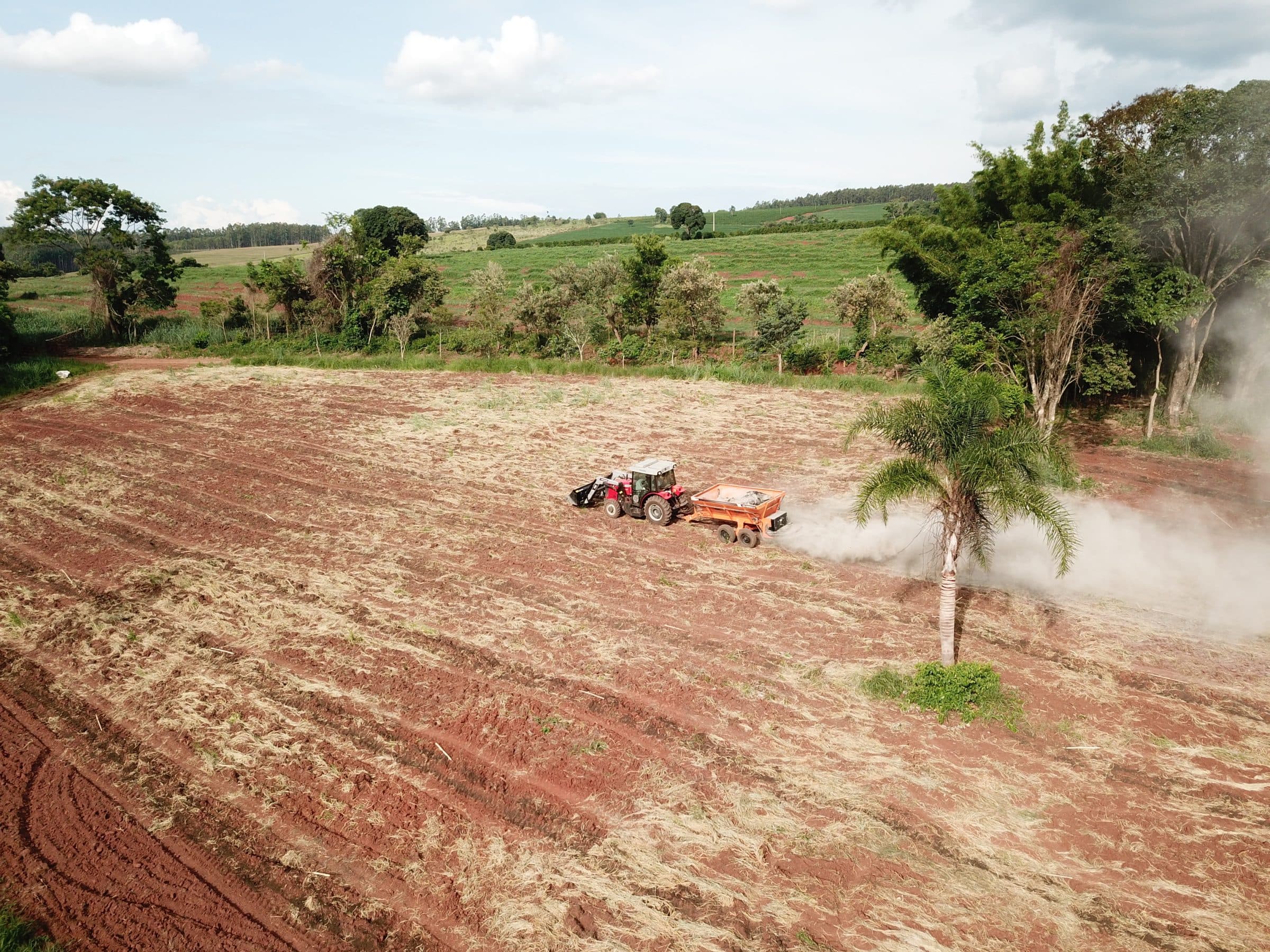

With its technology, Inplanet relies on a natural process in which silicate rock weathering occurs. In this process, silicates react with water and CO2, producing dissolved bicarbonates. These are washed into the oceans through groundwater and rivers, where they form carbon-rich sediments. Inplanet uses and accelerates this process by deliberately spreading suitable rock flour on fields in tropical regions, where weather conditions are most favorable for the process. The company refers to this as Enhanced Rock Weathering (ERW).
In addition to removing atmospheric CO2, this method offers another advantage: the bicarbonates produced in the process regenerate tropical soils and fertilize fields. This allows farmers to reduce the use of synthetic fertilizers and pesticides.
The startup has now completed its pre-seed round with €1.2 million, which even oversubscribed the financing. The funds come from Carbon Removal Partners, Übermorgen Ventures, Trellis Road, Katapult VC, and the Carbon Drawdown Initiative. Inplanet was supported, among others, by EIT ClimateKIC as a participant in ClimAccelerator. The startup was also part of the Frontier Batch 2022, an advance market commitment.
Inplanet aims to sequester 10,000 tons of CO2 this year
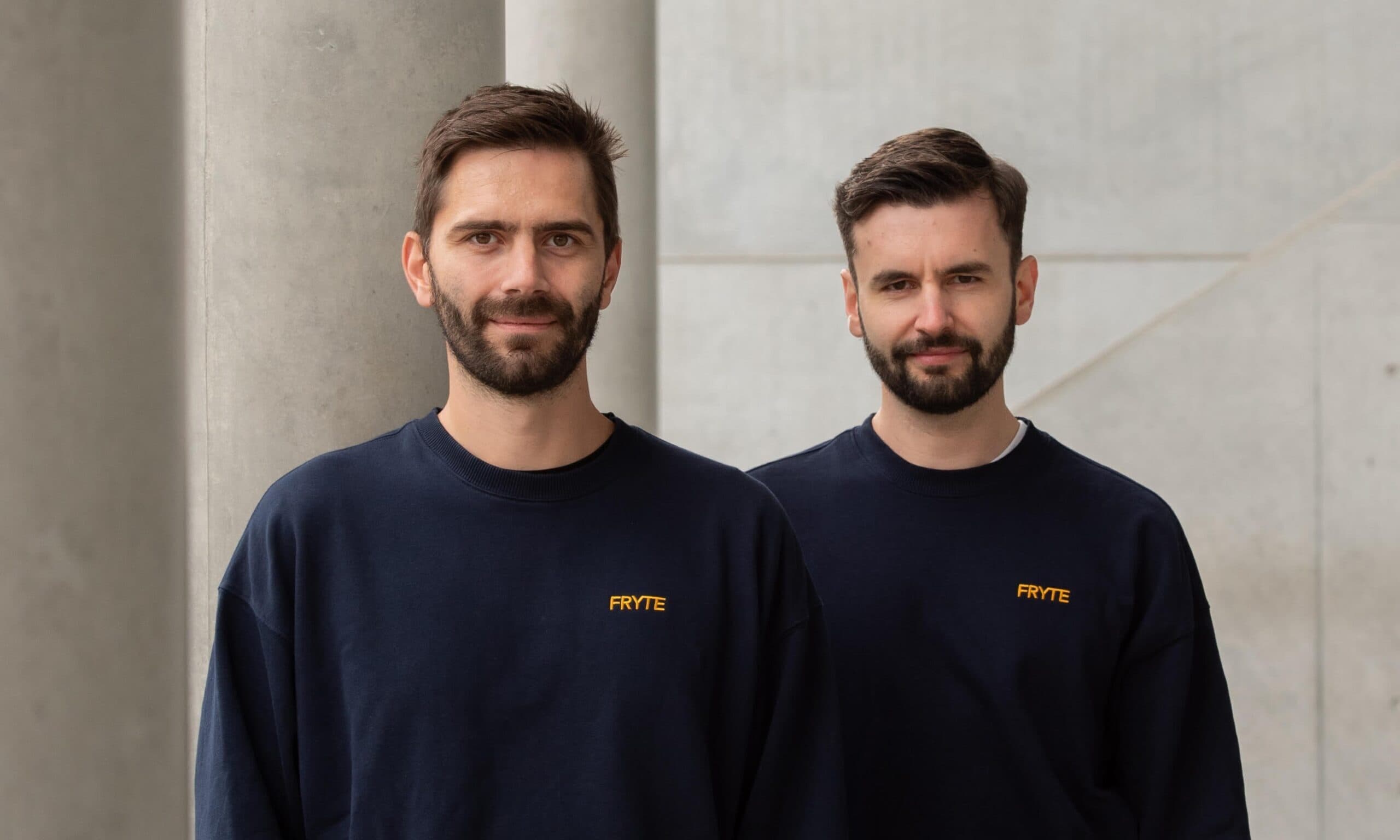
Felix Harteneck, CEO and Co-Founder of Inplanet, says:
“We are grateful for the support of our pre-seed investors and look forward to using the funding to expand our current team. In 2023, we plan to spread 50,000 tons of rock flour to remove 10,000 tons of CO2. This will enable us to generate unique and scientifically valuable data to better understand the weathering process in the tropics.”