
Munich Startup: What does Kontentwerk do? What problem are you solving?
Salvatore Bruno, Kontentwerk: We are currently working on various projects. Our actual business model is the trading and distribution of film licenses for TV and video on demand platforms. At the same time, we are involved in a highly innovative, EU-funded project called CWXP (“Creative Web3 Experience Europe”). Here we are developing a digital cultural center in a metaverse created specifically for this purpose.
Munich Startup: But that already exists!
Salvatore Bruno, Kontentwerk: The idea of film license trading in Germany is indeed not new. That’s exactly why it’s so exciting for us to apply our experience to a completely new field and help shape the future of our industry. The idea behind CWXP is to test new business models and monetization opportunities. Artists and rights holders should be closely involved in the development to achieve greater transparency and fair revenue distribution.
Munich Startup: What’s your founding story?
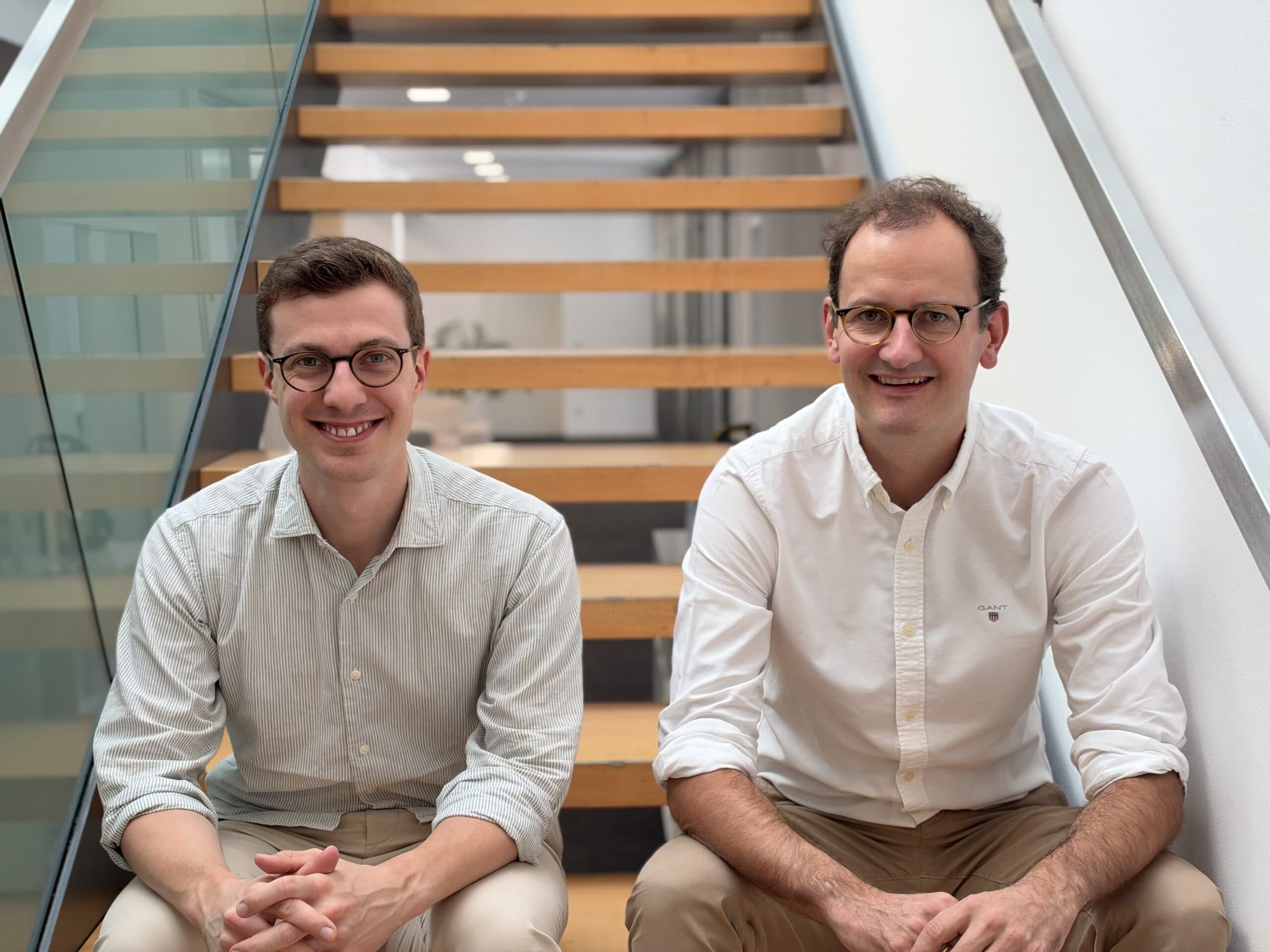
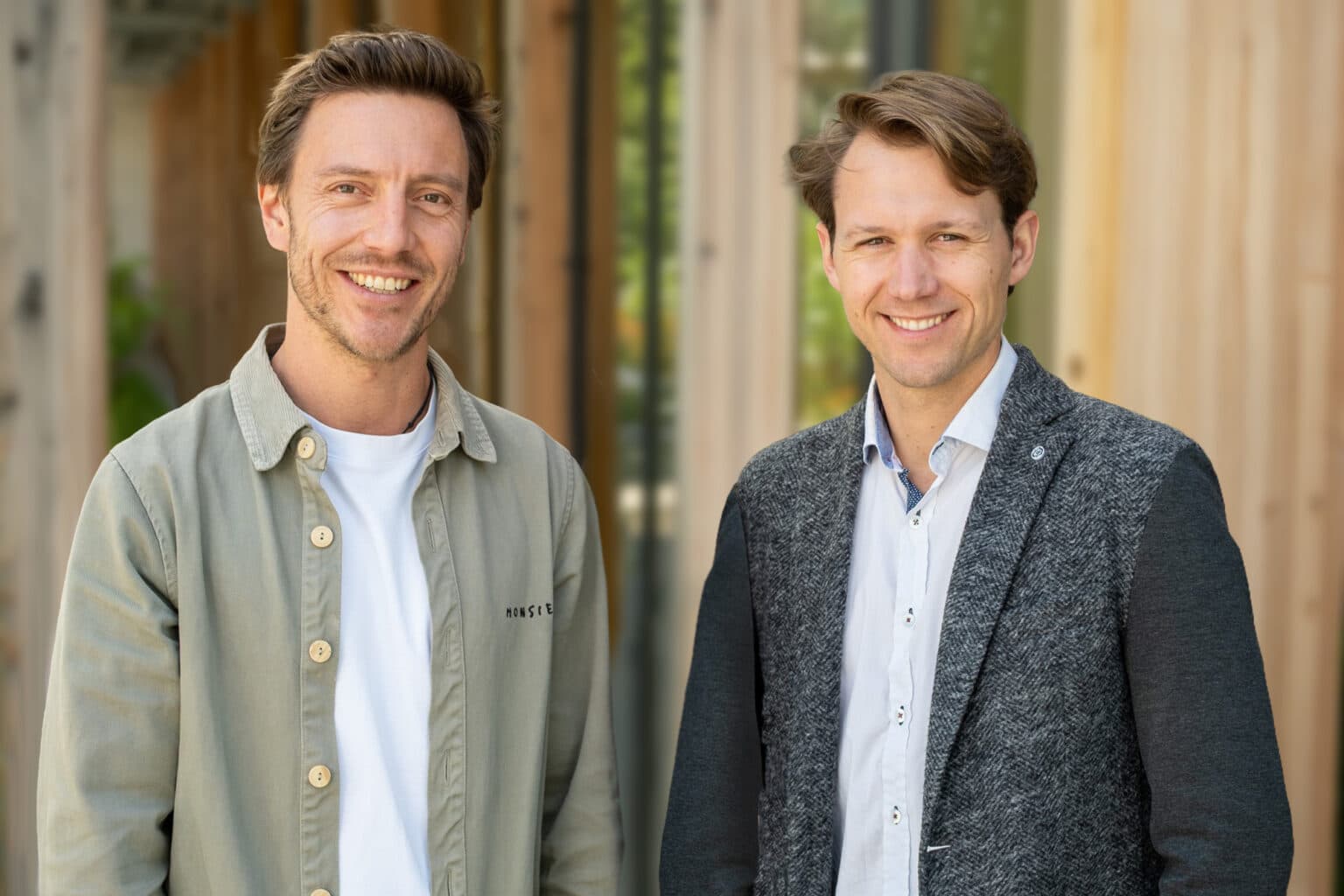
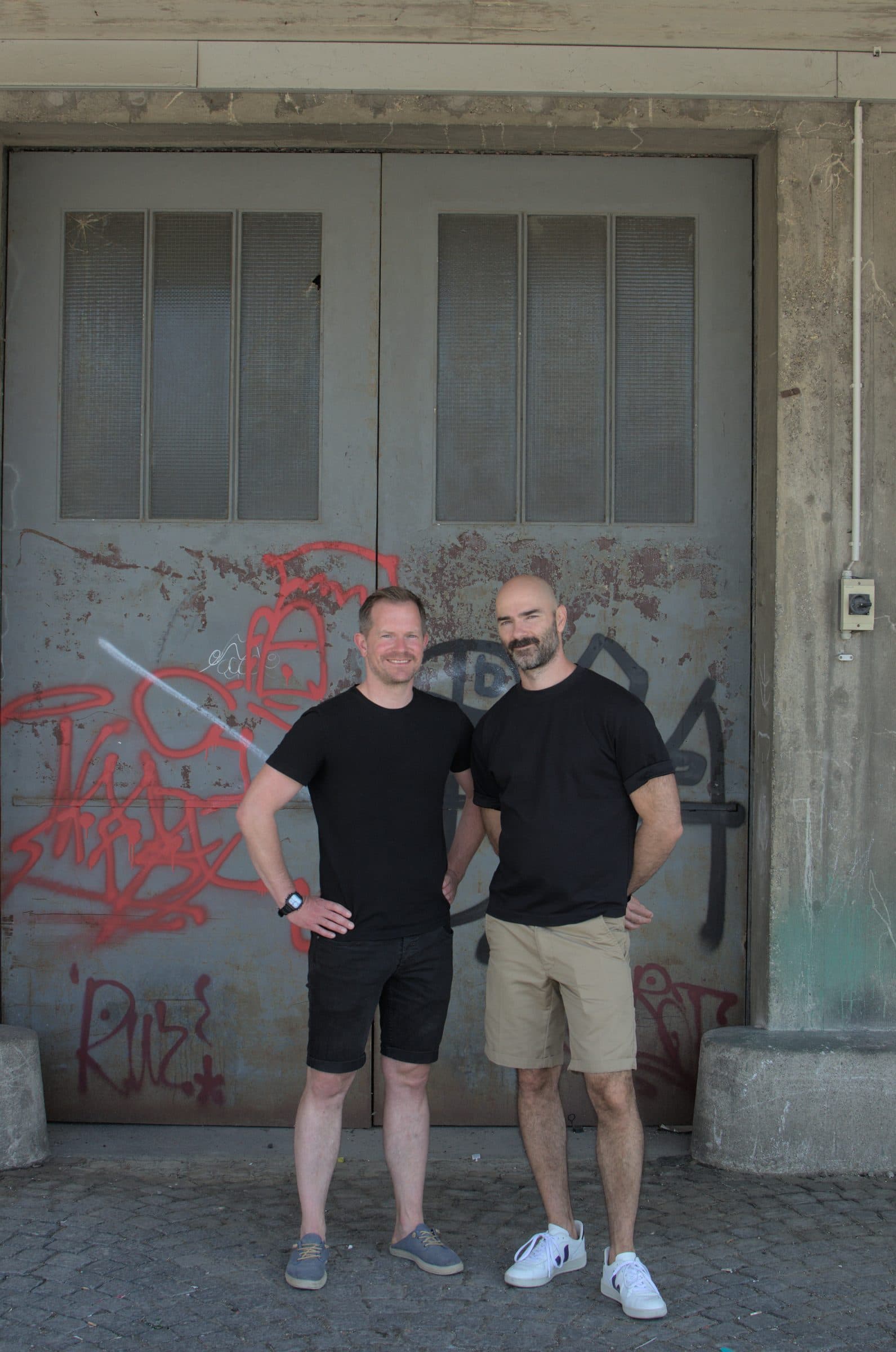
Salvatore Bruno, Kontentwerk: We had worked together on different sides of the industry for years and quickly realized that we worked well together professionally. Our collaboration was characterized by mutual respect and a shared goal: to deliver the best possible work.
When we eventually became direct colleagues at the TV station Tele 5, the idea of starting our own company grew. We saw the potential to pool our skills and experience and build something of our own. It was a thought that wouldn’t leave us, and it became more concrete every day. The day we founded Kontentwerk was a milestone in our lives.
Financing Kontentwerk without external capital
Munich Startup: What have been your biggest challenges so far?
Salvatore Bruno, Kontentwerk: First of all, the decision to leave the security of a permanent position is a huge hurdle. We had and have no external capital and had to finance ourselves from the beginning. At the same time, after many years in medium and large companies, it’s a challenge to organize yourself when you’re used to fixed, predetermined structures. We still catch ourselves sticking to traditional working hours and time schedules, even though it doesn’t really make sense for us and nobody asks for it anyway. Another, surprisingly difficult hurdle was finding a name. Once the baby had a name – which took many weeks – other steps and decisions suddenly became much easier.
Munich Startup: Where do you want to be in one year, and where in five years?
Salvatore Bruno, Kontentwerk: In principle, we like to let things come to us. Our industry is changing rapidly right now, and it’s wise not to stick to too rigid a business model. We want to remain open to meaningful partnerships or opportunities that might arise by chance. Apart from that, our medium-term plan is to build our own film rights portfolio, which would represent a sustainable source of income.
High bureaucratic barriers
Munich Startup: How have you experienced Munich as a startup location so far?
Salvatore Bruno, Kontentwerk: To be honest, rather mixed. There are certainly some good programs and initiatives that help and support company founders and startups. However, the bureaucratic hurdles of starting a company in Germany are enormous. Other founders we’ve met in seminars report the same problems. But once you’ve found your way into the startup scene, there are great opportunities.
Munich Startup: Quick exit or long game?
Salvatore Bruno, Kontentwerk: Both! Especially at the beginning, you want and need to do many things yourself to protect your bank account. It’s exciting and fun to learn new things and expand your knowledge – this also gives you a certain confidence to solve small and large problems in everyday business.
However, we quickly reached a point where reality showed us our limits – in terms of time and skills. We then quickly decided to make conscious decisions and prioritize. Which new skills will benefit us in the long term, and what are simply time-wasters? For example, it was clear early on that we had to leave the development of our corporate design to a professional, even though we only wanted a clear, simple design and are good with graphic programs ourselves. We’re happy about that decision every day.