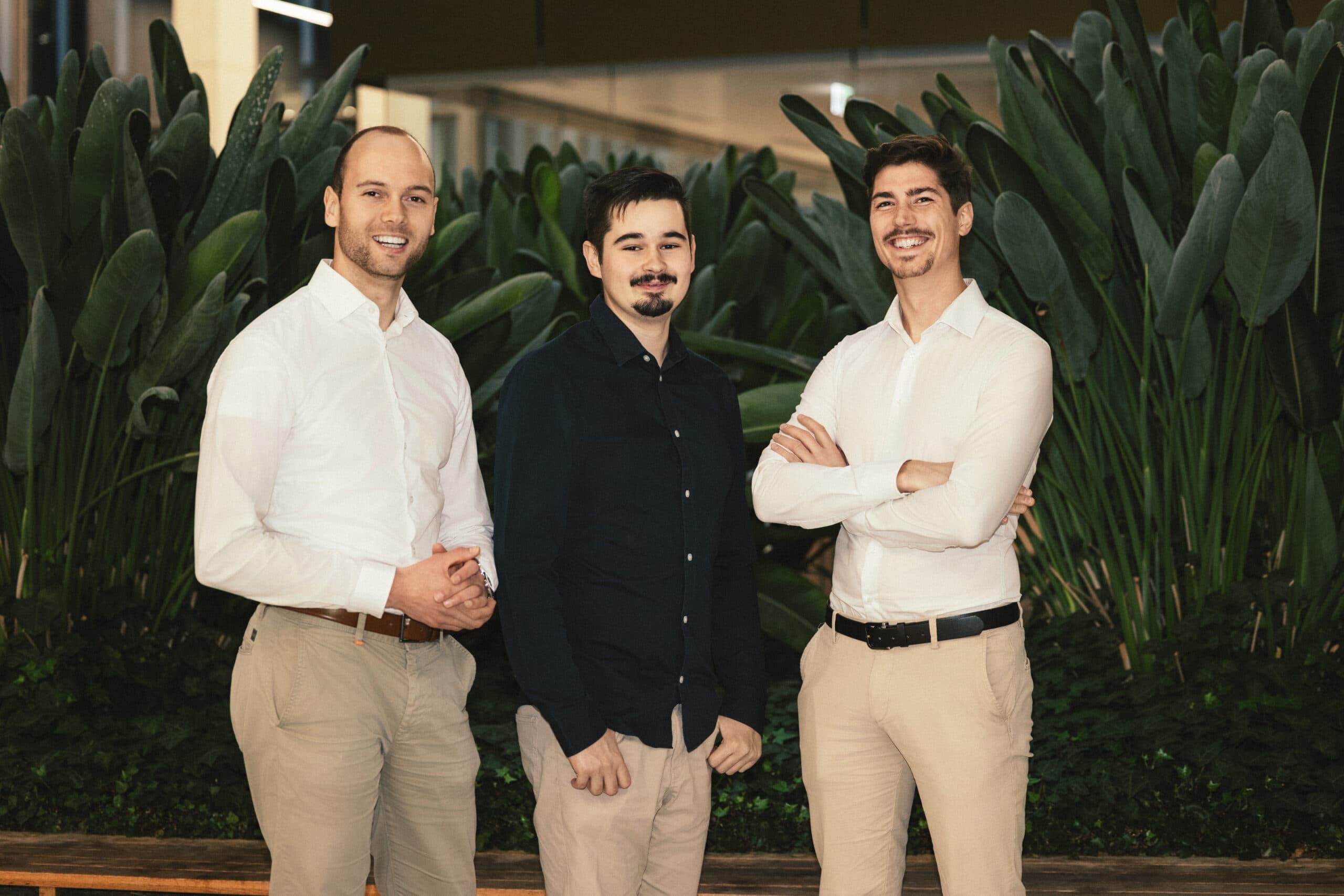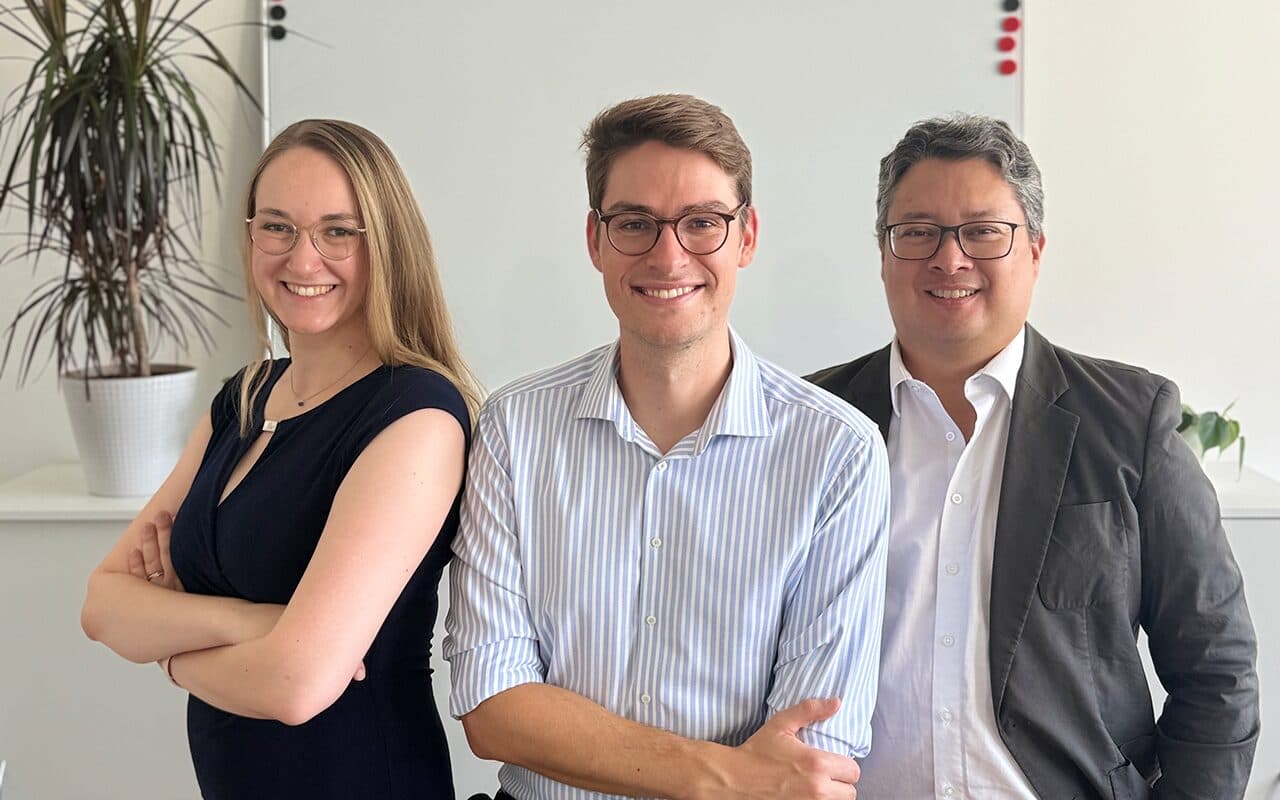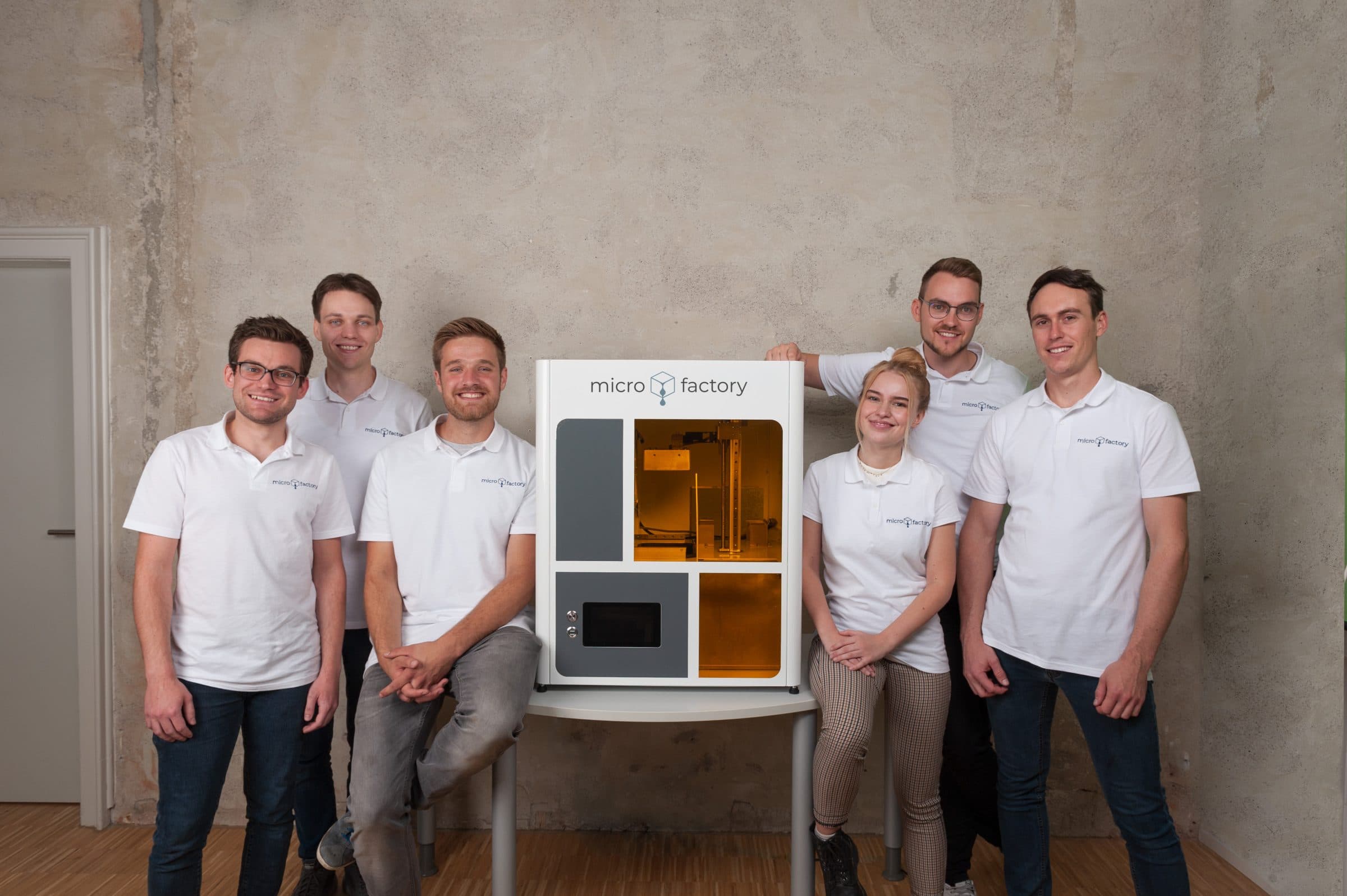

Munich Startup: What does Micro Factory do? What problem are you solving?
Alexander Stieren: Micro Factory develops high-precision, resin-based 3D printers that automate the entire printing process and protect users from the risks involved. Our goal is to cover all development steps with our Micro Factory, from first prototypes to series production, faster, easier, and more flexibly than ever before. One click in our software and the parts are automatically ejected from our printer a few hours later.
Munich Startup: But that already exists, doesn’t it!
Alexander Stieren: Not really: Normally, the printing process consists of three steps that the user must perform individually, exposing them to highly toxic substances. Our approach combines automation with integrated safety mechanisms to fully control the process and minimize the burden on users. Through our innovative technology, we offer a unique solution that is not available on the market in this form. And all in a handy desktop format.
Micro Factory: From student workshop to independent company
Munich Startup: What’s your founding story?
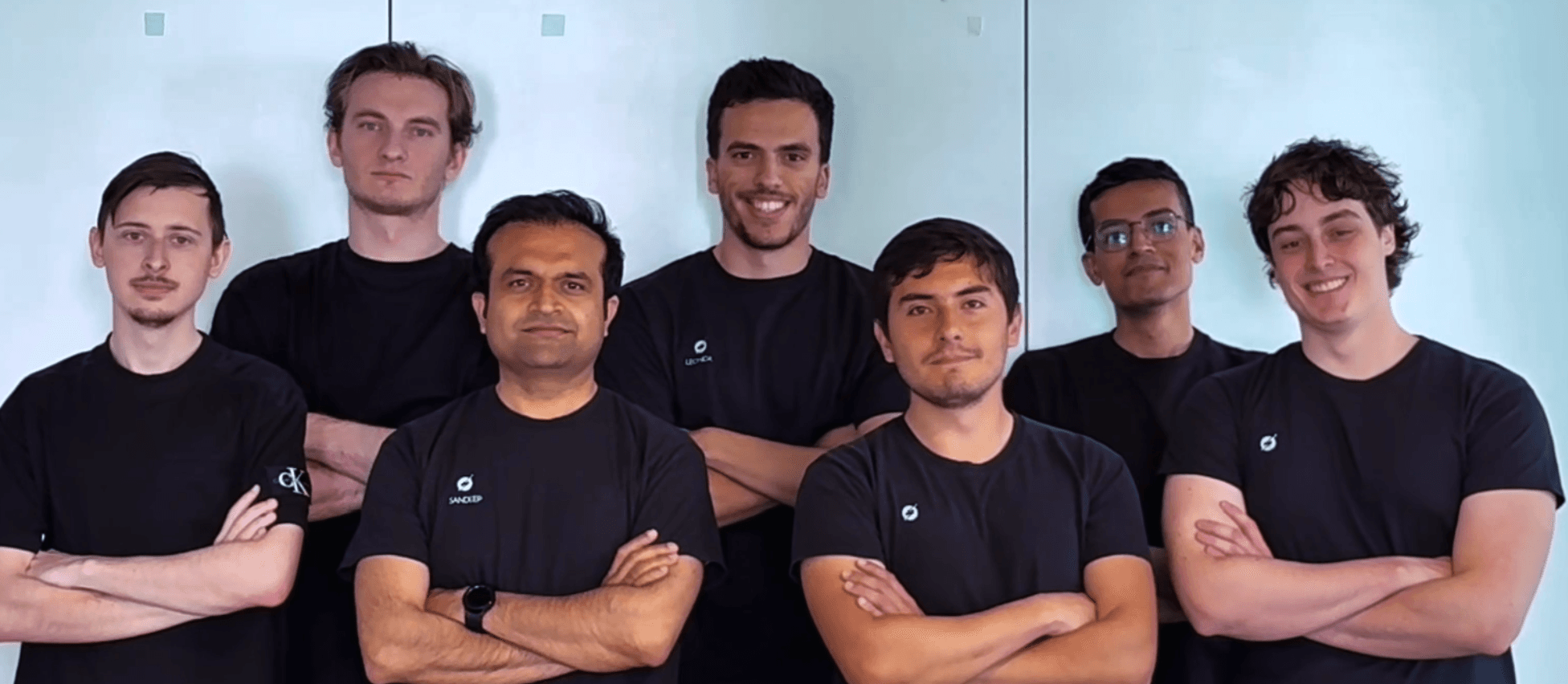
Alexander Stieren: As founders, we got to know each other a few years ago in the C.Lab at the university, an open workshop by and for students. There we frequently worked with SLA printers and saw the disadvantages of existing solutions. Eventually, we sat down and thought about what opportunities there might be to address these problems, and that’s how Micro Factory came about.
Munich Startup: What have been your biggest challenges so far?
Alexander Stieren: Besides the technology itself, one of the major challenges is repeatedly German bureaucracy. From company structure, registering employees with health insurance companies, negotiations with the minijob center to simple orders from funding sources—an incredible amount of time and money flows into processes that don’t provide direct added value to the product.
Munich Startup: Where do you want to be in one year, and where in five years?
Alexander Stieren: In one year, we want to be firmly established as a manufacturer of 3D printers in the dental and audiology industries and to have entered into first major partnerships. Long-term, in five years, we see ourselves as a market leader in the field of automated SLA printers and plan to expand our technology to other industries.
Dynamic and supportive startup hub Munich
Munich Startup: How have you experienced the Munich startup ecosystem so far?
Alexander Stieren: Munich is a dynamic and supportive location for startups. The city offers a variety of networking events and access to experienced mentors and investors. Particularly valuable for us has been the collaboration with UnternehmerTUM and the TUM Venture Labs, who support us through continuous feedback. Overall, Munich is an excellent place to found and grow a startup.
Munich Startup: Outsource or do it yourself?
Alexander Stieren: Definitely do it yourself first! As a founding team that evolved from a workshop for makers, it’s very important to us to first develop and build as much as possible on our machines ourselves, so we can find errors and innovation potential as quickly as possible. For topics like accounting and legal advice, we of course also rely on experienced external partners.