
Munich Startup: What does your startup do? What problem are you solving?
Oliver Porwol, Project Manager: Mpiriq is building an AI-powered infrastructure that connects daily healthcare with medical research. Enormous knowledge is created every day in practices and clinics, but it often remains fragmented across different systems and documents, making it difficult to use. We structure medical information, automate documentation and create standardized datasets that can be responsibly and compliantly used for research. This turns healthcare into a continuous cycle of insights that accelerates research and innovation without adding to the burden of daily practice.
Munich Startup: But that already exists, doesn’t it?
Oliver Porwol: There are data platforms, registries and study networks. The difference lies in the implementation: Mpiriq makes data pools and patient populations accessible that were previously barely or only extremely complicatedly reached, and without additional effort in daily practice. To do this, we combine AI-powered structuring with secure data encryption and transparent, clearly regulated data exchange. The result is not another standalone solution, but an infrastructure that connects healthcare and research, creating the scientific foundation for better medicine tomorrow.
Supply gap as driver
Munich Startup: What’s your founding story?
Oliver Porwol: Mpiriq emerged from a clear supply gap: while clinical trials mostly take place at large hospitals, the majority of patients are treated in outpatient settings. Yet valuable research data often remains inaccessible there. Markus Haug and Florian Schröder recognized early on that scientific progress often fails due to fragmented information in practice management systems. After two years of groundwork, they founded Mpiriq in spring 2024 to fill this gap.
The infrastructure connects in the background to practice software without disrupting operations. Mpiriq identifies suitable studies via registries and performs AI-based pre-screening according to inclusion and exclusion criteria. Instead of time-consuming manual searches, doctors receive structured suggestion lists and patient insights. This allows them to focus fully on medical treatment and patient consultations.
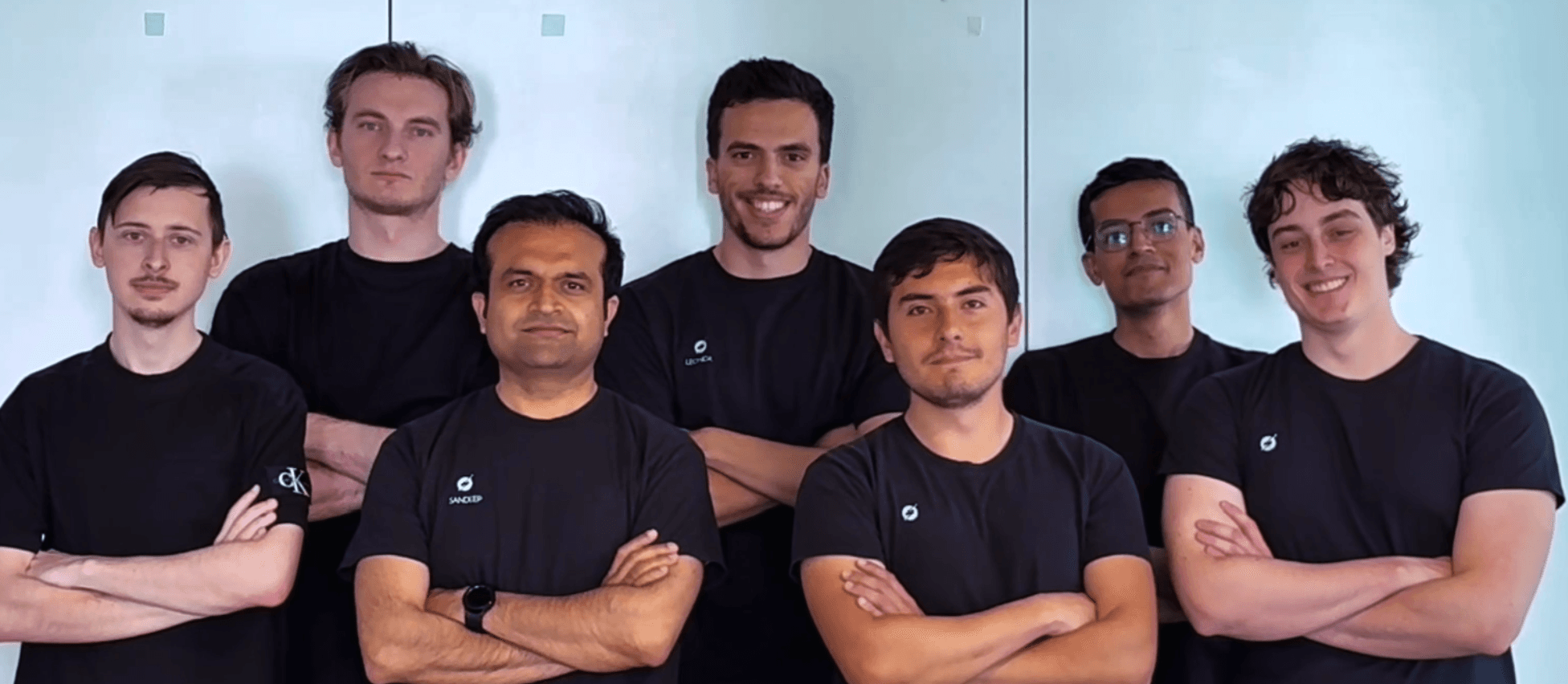
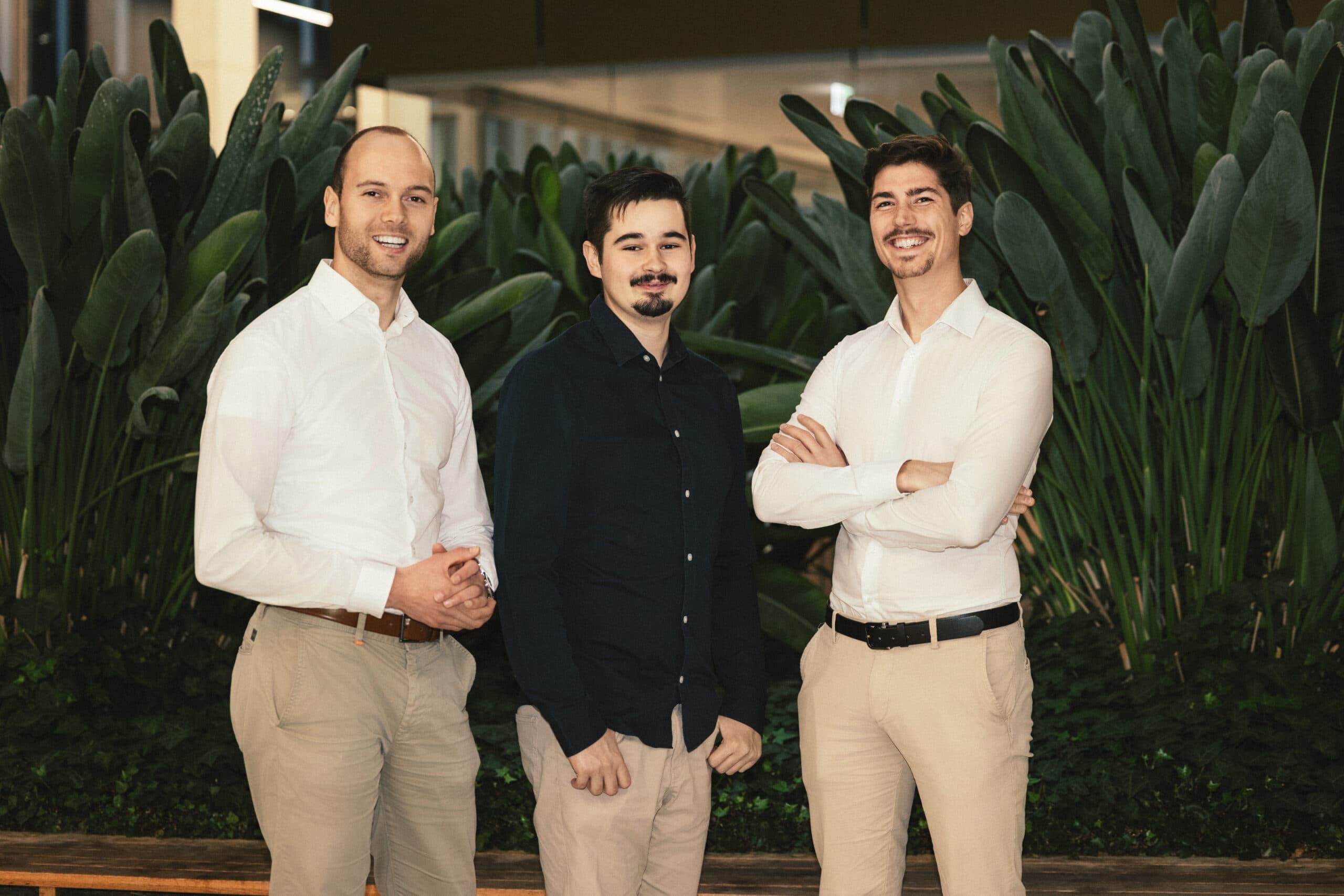
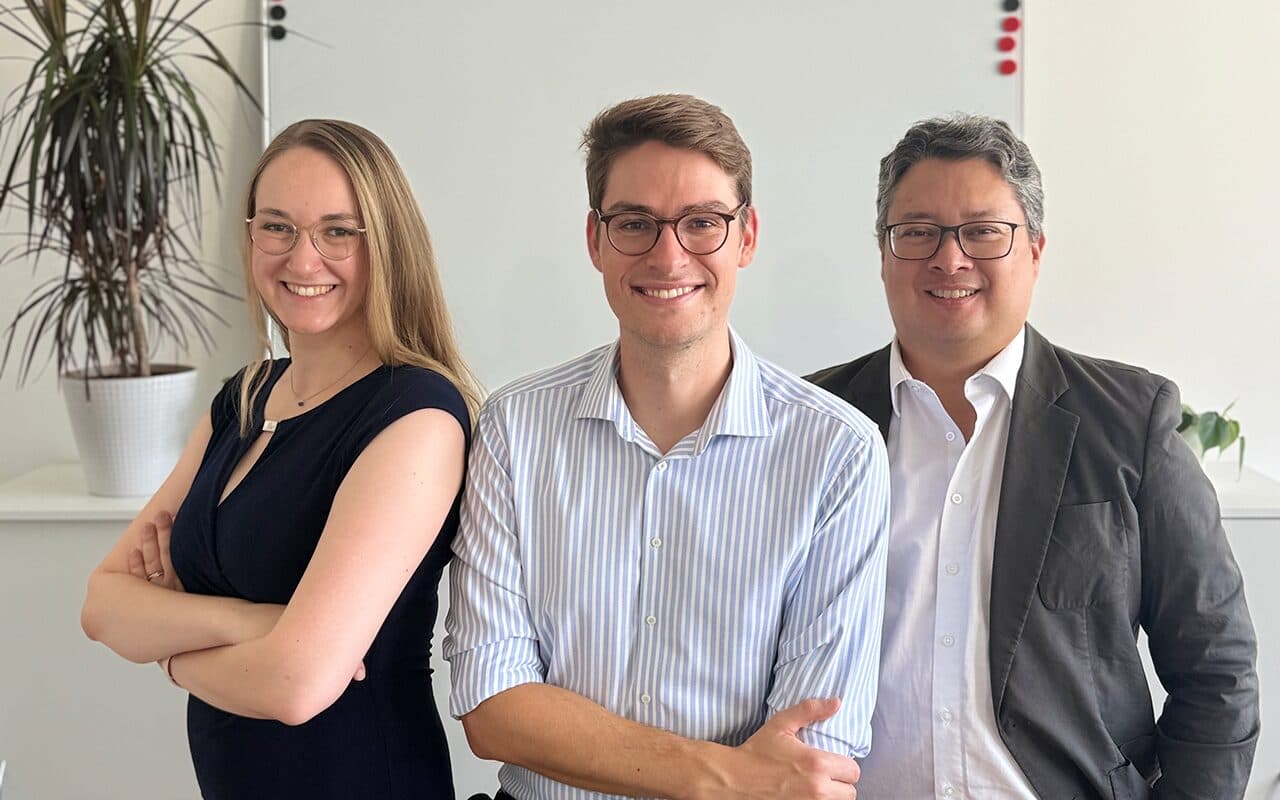
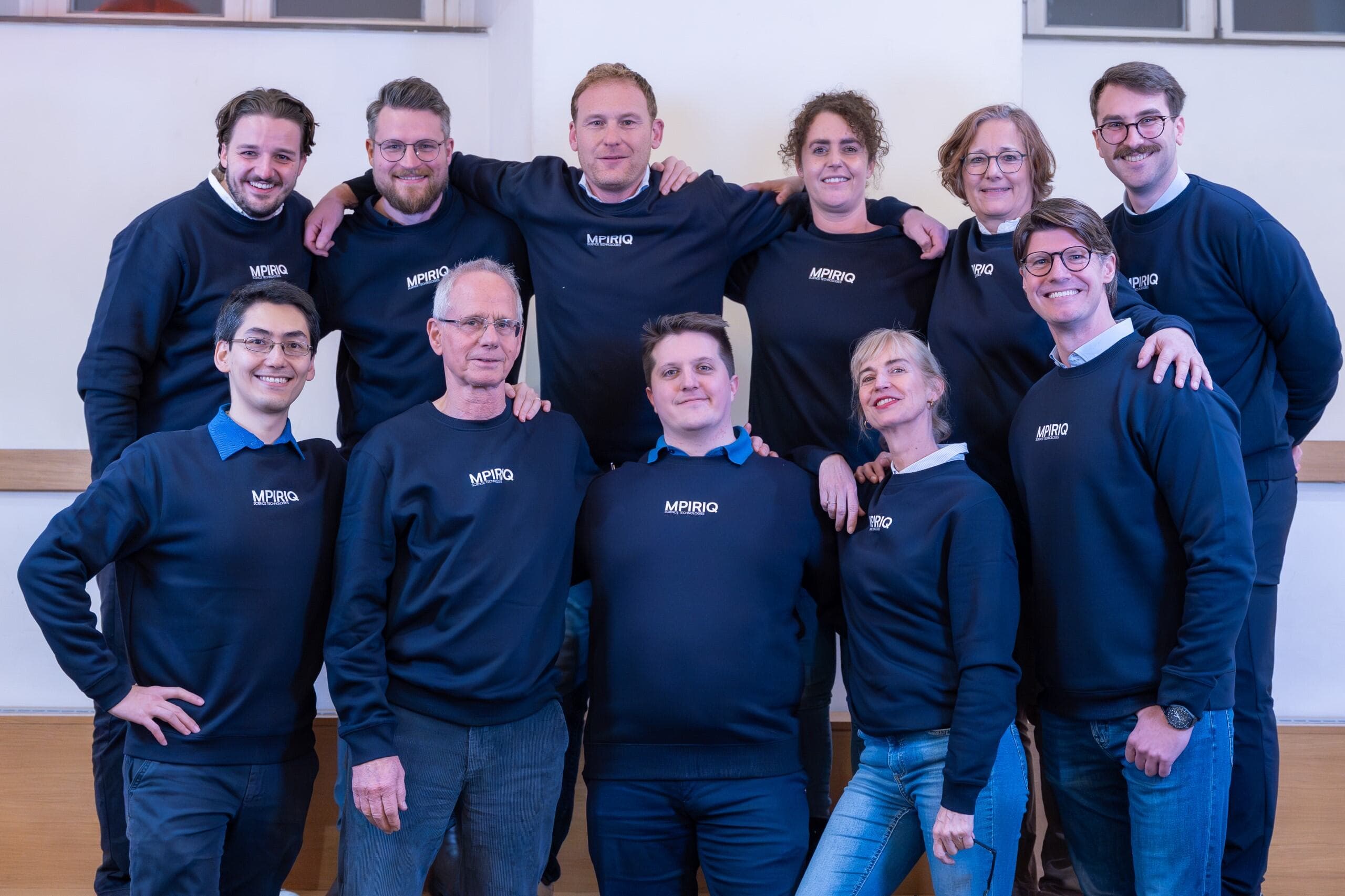
Today, the team brings together the key expertise: medicine, data science and platform scaling. Markus Schuler brings the scientific perspective, Florian Schröder the technological implementation, and Markus Haug the build-up and scaling. A tangible benefit in daily work and the highest data security are paramount.
Munich Startup: What have been your biggest challenges so far?
Oliver Porwol: The biggest challenge is trust. When dealing with health data, technical feasibility is not enough. It requires clear processes, compliance, transparency and an approach that remains traceable and verifiable. That’s exactly why integrity, clarity and collaboration are central to us – not for marketing reasons, but as a product requirement we impose on ourselves.
The second challenge is reality and applicability in healthcare: heterogeneous systems, unstructured findings, high time pressure and an already high documentation burden. Our solution must fit into this environment without creating new complexity. We measure ourselves by whether the benefit is truly tangible in daily work: less time searching for data and documentation, more time for patients and at the same time better conditions for research and studies.
Establishing long-term infrastructure
Munich Startup: Where do you want to stand in a year, where in five years?
Oliver Porwol: In one year, we want to have significantly more practices and clinics productively connected and demonstrate that our approach measurably reduces burden. At the same time, we want to have actively implemented various research and pharma projects where patient selection and data use work faster, more precisely and in compliance.
In five years, we want to have created an indispensable AI-powered infrastructure that continuously connects healthcare and research. Our vision is to develop an ecosystem in which structured data from clinical practice advances therapies faster and improves treatment outcomes.
Munich Startup: How have you experienced the startup location Munich so far?
Oliver Porwol: Munich is an ideal location for us because health, tech and talent come together in a tight space. From a talent perspective in particular, this is a major advantage: proximity to TUM and Munich’s research environment gives us access to cutting-edge knowledge and young, highly motivated people who not only understand technology but really want to apply it.
For us, this combination is key: high quality standards, a strong future focus and at the same time an environment that enables deeptech and responsible innovation. That’s exactly what fits our aspiration to build sustainably in the regulated healthcare sector and scale cleanly.
Munich Startup: Hidden champion or shooting star?
Oliver Porwol: Hidden champion in execution, because infrastructure ideally remains invisible. It runs in the background and makes processes more reliable, faster and simpler. That’s exactly our goal: not to disrupt healthcare, but to noticeably ease the burden and at the same time enable research.
Shooting star in impact, because we are convinced that real effects can result from real-world patient data: faster insights, more precise study launches, earlier access to innovative therapies. When healthcare and research are meaningfully linked, everyone benefits in the end: practices, hospitals, research and above all patients.