
Munich Startup: What measurable difference does your solution make today?
Anton Eder, Co-Founder & COO: Thanks to our solutions for successful post-purchase communication, our customers reduce their WISMO (Where is my order) inquiries by around 30 percent on average. At the same time, we see higher repeat purchase rates and greater customer satisfaction. The specific numbers vary depending on the retailer, but the effect is clearly visible.
All our solutions are designed to make the post-purchase experience as good as the purchase itself. We accompany shoppers from checkout to delivery and beyond, such as with exchanges or returns. That’s often where the difference emerges between a one-time order and a loyal customer.
Munich Startup: Why are you faster, better, or bolder than established providers?
Anton Eder: When we started in 2015, there was hardly any strategically developed and implemented post-purchase communication after online purchases from retailers. Communication after shipping was almost exclusively handled by parcel service providers, often very cryptic and without leveraging the potential for retailers on the last mile. We were convinced that brands should shape this phase themselves: more personal, more informative, and with real added value for both sides.
Many told us back then that logistics providers would soon handle this themselves and that no independent company could emerge from it. We saw it differently and stuck with it. Today there are many companies in this market, and we’re proud to have significantly shaped this category.
“Leadership can’t simply be brought in from outside”
Munich Startup: What was the most important decision so far?
Anton Eder: One of the most important decisions was taking on more responsibility as a founder again. We had hired an external CEO who also brought some executives from his previous environment. After about a year, we realized that wasn’t the right path for Parcellab, and we jointly pulled the cord.
My personal learning from this is: leadership can’t simply be brought in from outside. Of course, there are many positive counterexamples, but I now believe more strongly in letting people from your own company grow into responsibility. They already know the culture, the customers, and the product, and they understand what day-to-day operations feel like. For us, this path has proven to be more sustainable.
Munich Startup: Which phase caused you the most growing pains?
Anton Eder: Clearly the time after our major funding round. We wanted to grow as quickly as possible, hired a lot of people in a short time, and tried to do everything at once. In retrospect, we simply weren’t organizationally ready for that.
Another learning was our self-created category “Operations Experience Management.” We deliberately wanted to position ourselves as more than just a post-purchase solution and invested a lot of time and energy to linguistically establish our own category. But eventually we had to accept that nobody searches for this term and hardly anyone understands it. Sometimes you have to have the courage to let go.
Sustainably profitable with healthy growth
Munich Startup: Where do you want to be in five years and what must happen by then?
Anton Eder: We are already active internationally in Germany, the United Kingdom, France, and the United States. Over the next five years, we want above all one thing: to be a sustainably profitable company with healthy growth.
At the same time, we want to develop our platform even more consistently as AI-native. AI will help our customers create better service experiences and make processes significantly more efficient. We need to stay focused on that and consistently invest in our product.
For a long time, growth at any cost was the norm in the software industry. Today, in my view, it’s about combining innovation with a healthy business model. I believe the best companies achieve both. So we’re building the company in a way that not only enables it to grow profitably independently, but also makes it highly attractive to strategic partners. This keeps all options open for the next growth phase in the long term.
Munich Startup: What works particularly well in the Munich startup ecosystem and where would you like to see more support?
Anton Eder: Munich has developed enormously in recent years. There are many strong founders, good investors, and open exchange. We benefit from that too, for example through our investor network.
What I’d like to see is even more networking between startups themselves. There are many exciting companies in Munich. I believe we could learn from each other more often and support each other better.
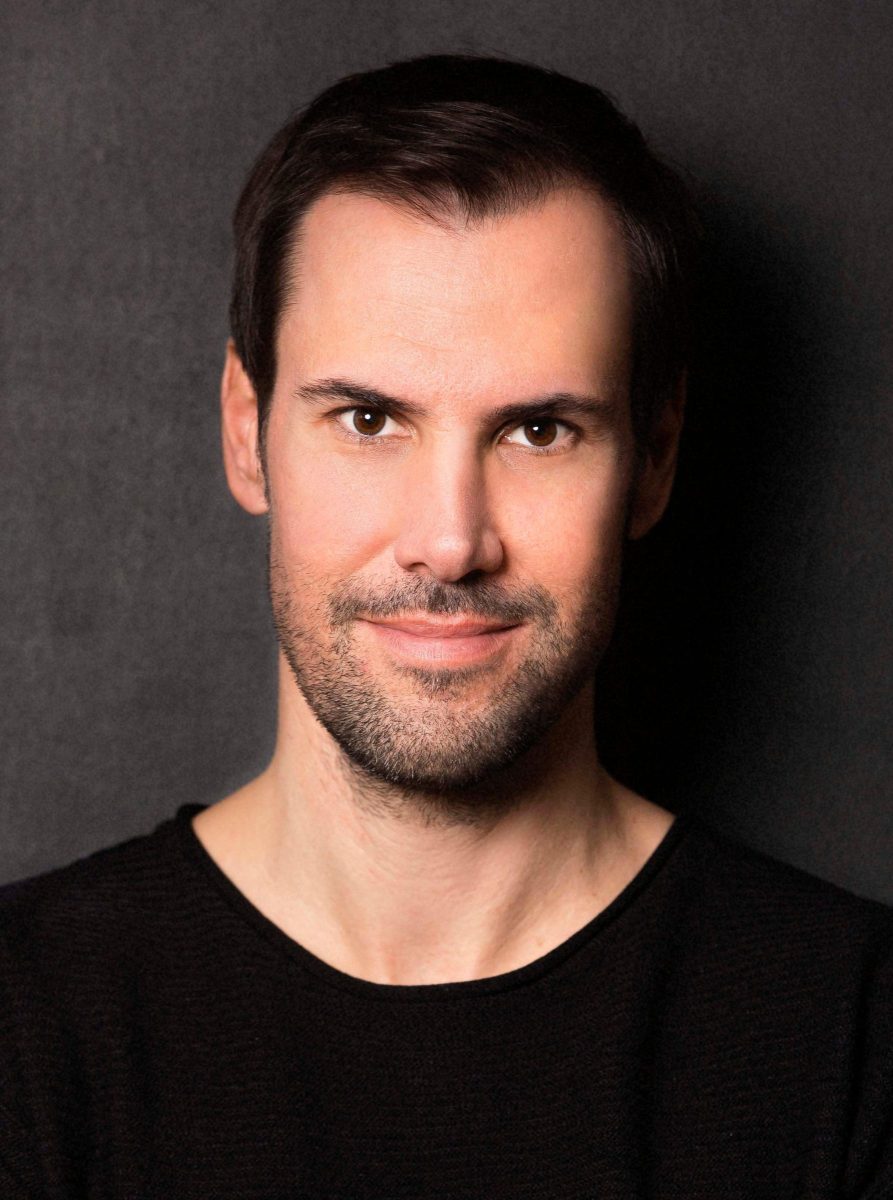
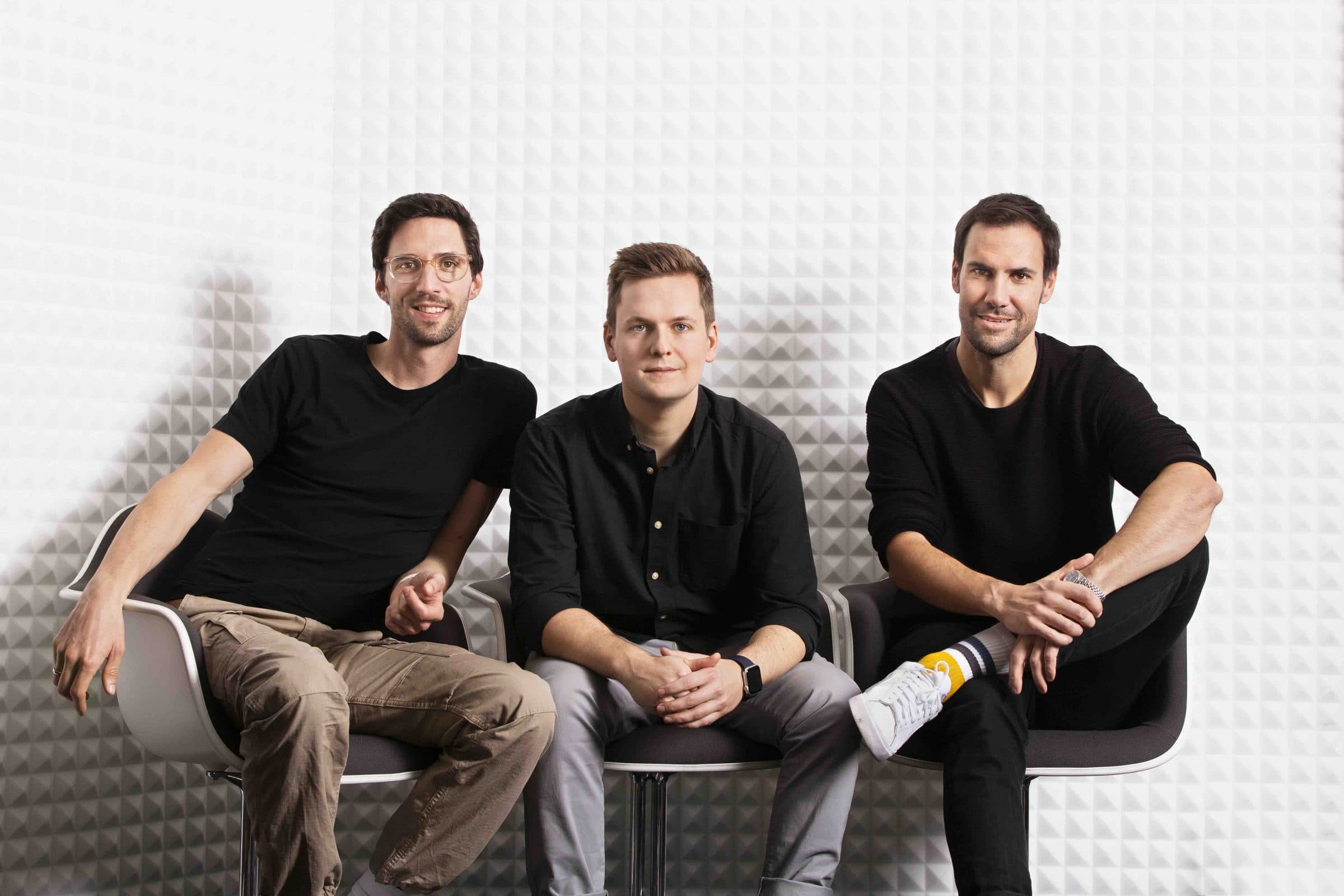
Parcellab was founded in 2015 by Anton Eder, Tobias Buxhold, and Julian Krenge. The founding team met in an accelerator – a collaboration that continues to this day. The company develops software for post-purchase communication and helps retailers improve the customer experience after online purchases.
Co-founder and COO Anton Eder studied business informatics (M.Sc.) and gained seven years of professional experience before founding the company. Today Parcellab operates internationally and serves customers in Germany, the United Kingdom, France, and the United States.
Munich Startup: Internationalize or first establish market leadership in the DACH region?
Anton Eder: We decided to internationalize early on and would make that decision again. Many relevant retailers in our market are located outside Germany, so this step was important for us.
Market leadership, in my view, is not a state you reach and then tick off. It has to be earned anew every day. What matters, therefore, is not the sequence, but that you create real added value in every market and grow sustainably.