
Munich Startup: You founded Planet A Foods two years ago, and last year the public was able to try your cacao-free chocolate for the first time in ice cream form. Now you have your first products on supermarket shelves with Choviva muesli by Kölln. Did you think when you founded the company that you’d come this far in two years?
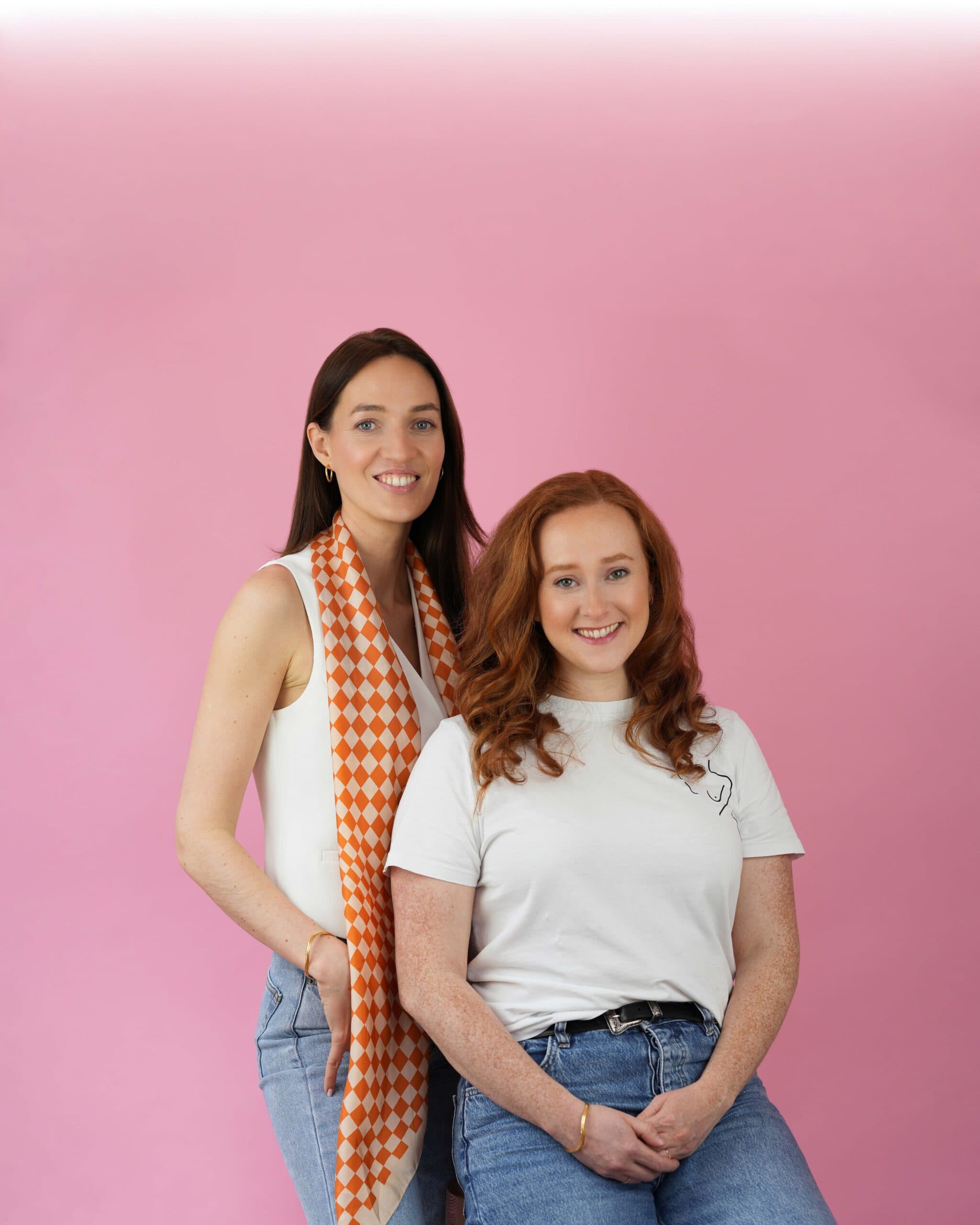
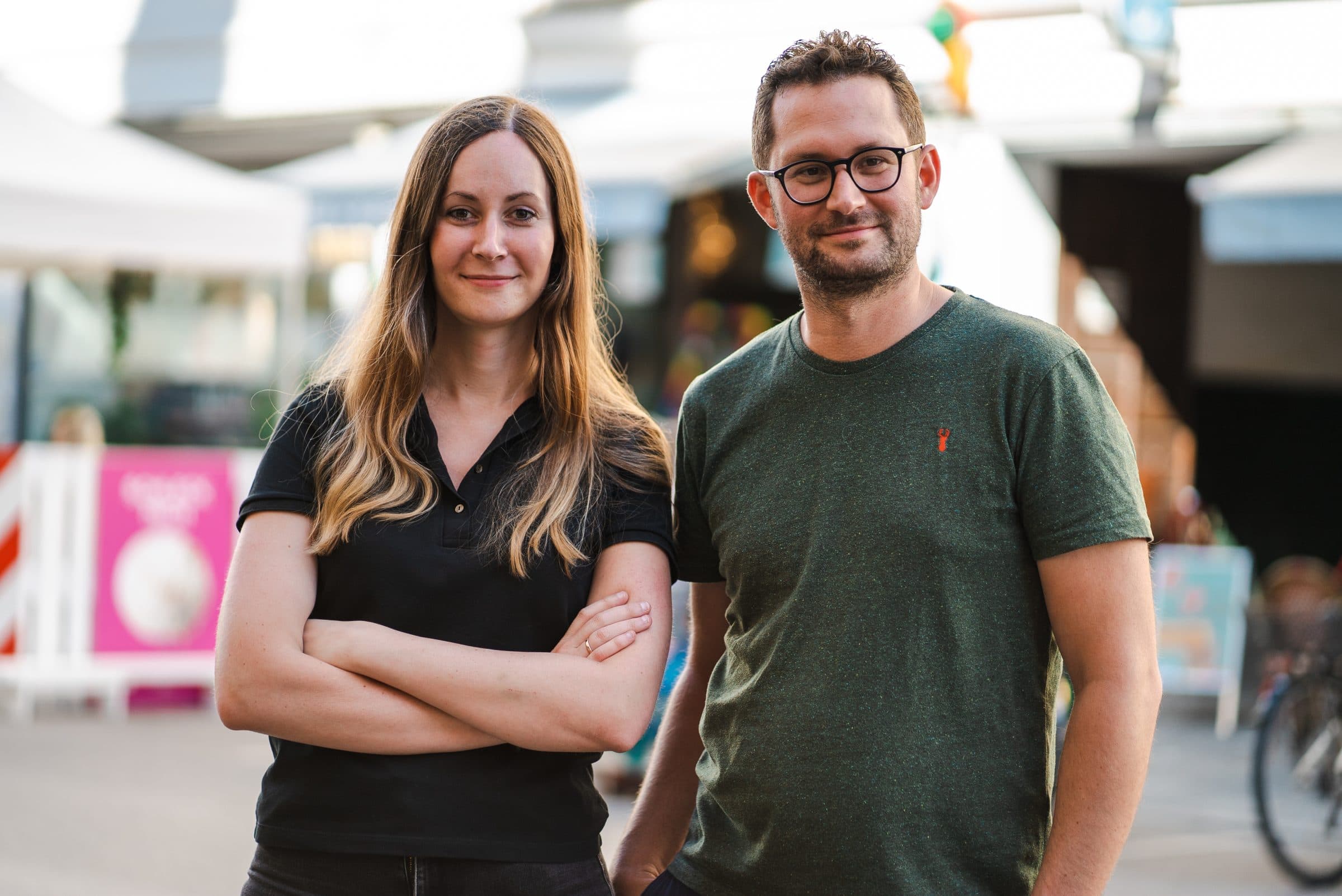
Sara Marquart and Max Marquart, Planet A Foods: From the very beginning, our mission was clear: we wanted to achieve significant impact quickly to realize our vision of saving 500 million tons of CO2 per year. We recognized early on that it was crucial to have our products present in the mass market, and this vision has always driven us forward. During our time at Y-Combinator, we learned to think on a large scale, and that strengthened our determination even further. That’s why it was our stated goal from the beginning to reach the point we’ve now achieved in just two years. We are deeply grateful to everyone involved for enabling us to realize this ambitious objective.
Munich Startup: Was it difficult to convince the industry of your cacao-free chocolate?
Max Marquart: Ultimately, you convince the industry when the taste, concept, economic factors, and production integration are right. Of course, that takes time and has its challenges.
Up to 90 percent lower carbon footprint
Munich Startup: How has your product evolved?
Sara Marquart: Choviva has continuously evolved. We’ve tested many raw materials to get as close as possible to the taste of chocolate. Today, Choviva consists of oats and sunflower seeds, which are processed in a way similar to cacao processing in chocolate production. Through the ingredients and the way they’re processed, Choviva tastes like chocolate and at the same time has up to 90 percent lower carbon footprint than conventional chocolate.
Munich Startup: And how are things financially for you?
Max Marquart: We currently have sufficient financial resources, and additionally, Choviva sales are exceeding our targets. We’ve built our production facility in Pilsen and we’re now running two shifts there.
Munich Startup: What learnings has your founding team gained so far?
Sara Marquart: We’re siblings and we started out two years ago with a clear mission. We want to make the food supply industry more sustainable, and we’re starting with cacao. Even when we don’t agree, this clear mission helps us pull in the same direction. Our rule is: we want the best solution for Planet A Foods, and our mission takes priority over all other interests.
Munich Startup: What role did the Munich ecosystem play in your journey so far?
Sara Marquart: The Munich ecosystem has played an important role in our journey so far. One of our first and main investors, World Fund, has a managing partner based in Munich. Through the Munich ecosystem, we had the opportunity to get to know these investors and build an important partnership. Moreover, especially at the beginning of our founding, we benefited considerably from the offerings of the Technical University of Munich (TUM) and the Fraunhofer Institute. These institutions provided us with valuable resources and support that enabled us to develop prototypes and turn our ideas into reality.
Next steps for Planet A Foods
Munich Startup: What milestones are you working towards next?
Max Marquart: Our current business focus is still on Germany, Austria, and Switzerland. By developing products for brands of international significance, we’ll expand our distribution focus as the next major milestone and open up additional markets.
Munich Startup: Are there other raw materials besides cacao for which you’re looking for alternatives?
Sara Marquart: Our next major step is the development of fats that are necessary for chocolate production. The fats we produce ourselves can then be used as an alternative to cocoa butter, since they fulfill the same product properties. Cocoa butter alternatives fit very well into our product portfolio and have good economic viability per unit when you look at current cacao prices.