
Munich Startup: What does your startup, Pruna AI, do? What problem are you solving?
Bertrand Charpentier, Pruna AI: AI requires enormous computing resources. For example: if everyone in Germany generated five pages with ChatGPT every day, we would need two nuclear power plants running constantly to generate enough energy. To solve this problem, Pruna AI is the go-to place for ML teams that want to simplify scalable inference. We use advanced (combinatorial) compression methods to automatically make every model faster, smaller, cheaper, and more environmentally friendly – on any hardware and for any application.
Munich Startup: But this has existed for a long time already!
Bertrand Charpentier: AI and particularly deep learning are constantly evolving fields where new data, models, and hardware continuously push the boundaries of what’s possible. At Pruna AI, we automatically adapt to every scenario without difficulty by combining the best compression methods based on the user’s goals and constraints. This ensures that our solution is always current, optimized, and perfectly suited for the task at hand, which sets us apart from existing approaches.
Pruna AI wants to make AI accessible to everyone
Munich Startup: What’s your founding story?
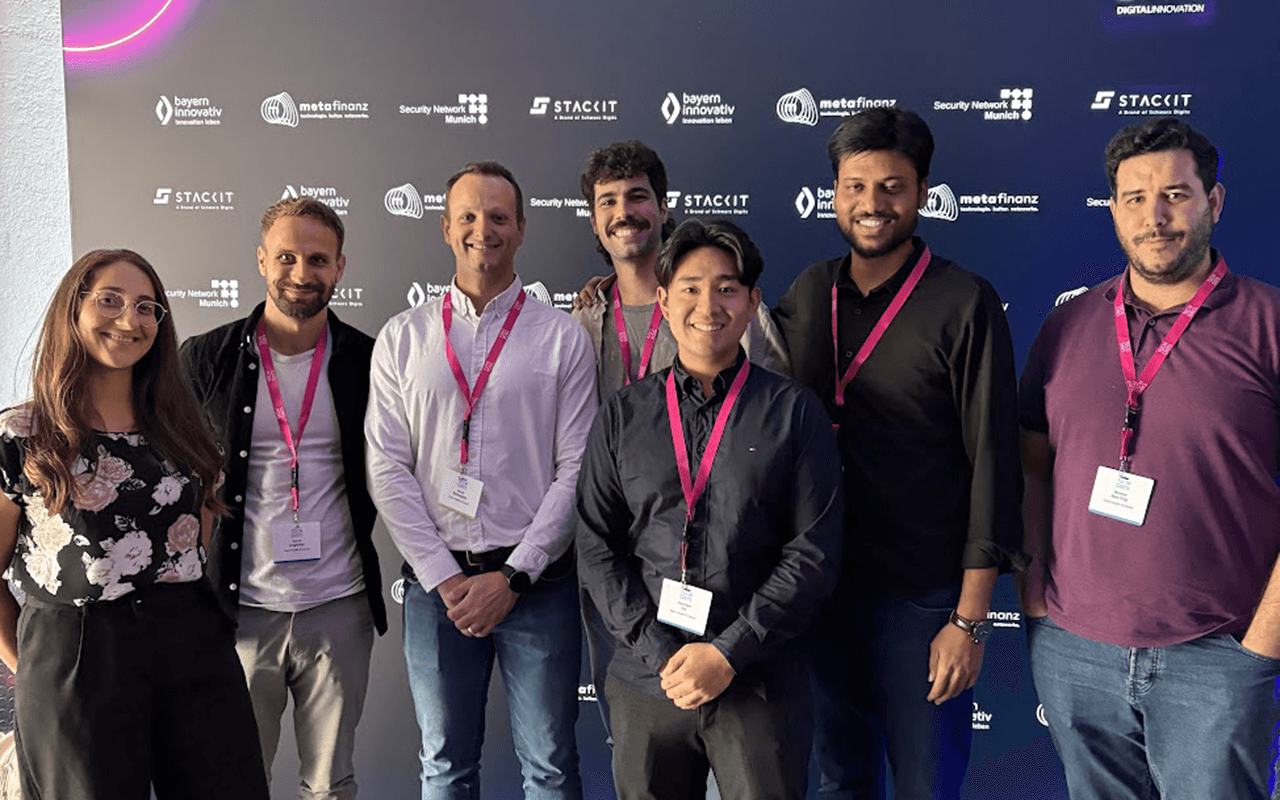
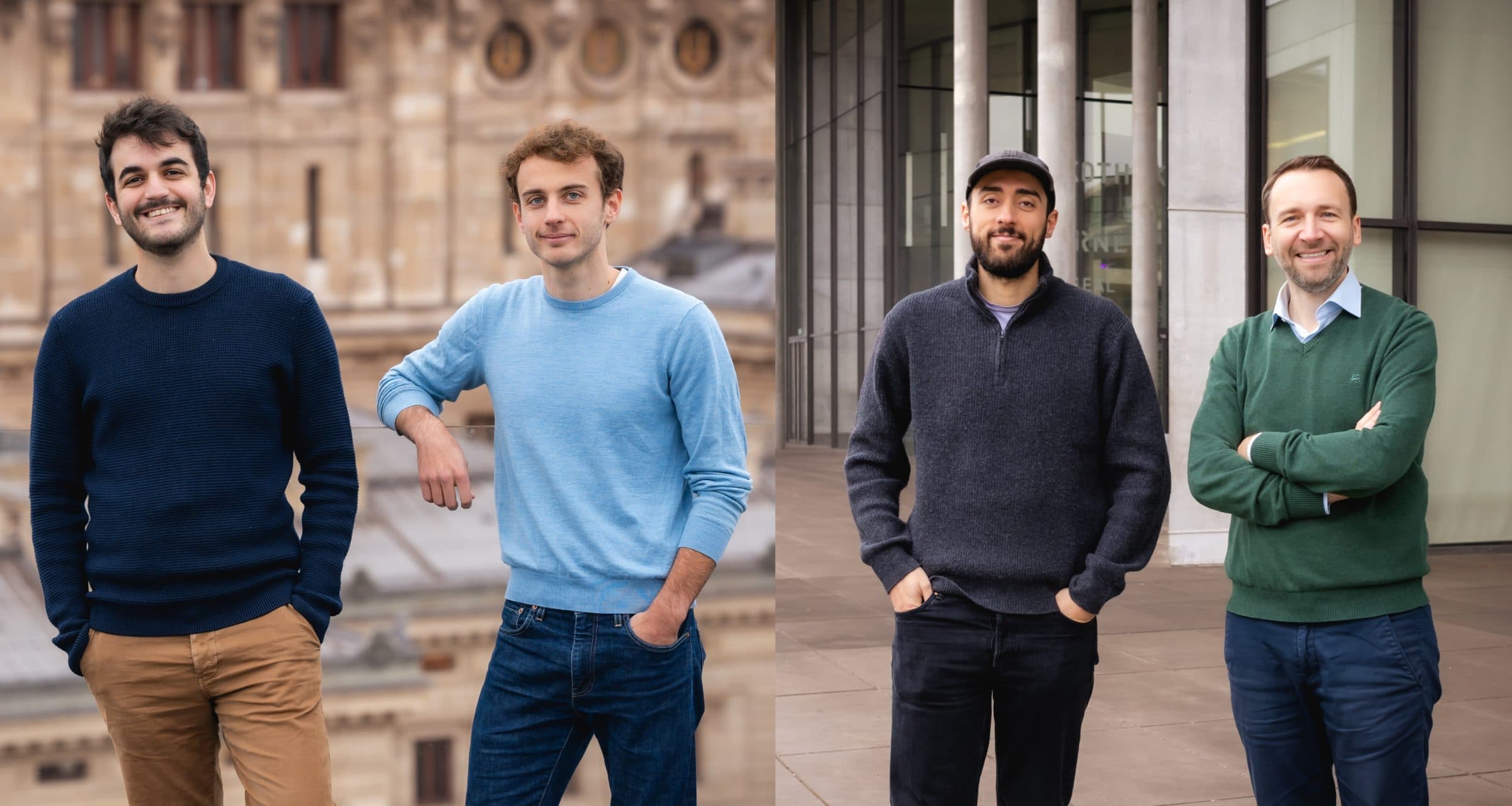
Bertrand Charpentier: During my PhD, I realized that regardless of the company or lab, people constantly struggled to get enough computing power for their models. I quickly understood that it wasn’t possible to run state-of-the-art models (Editor’s note: SOTA = State of the Art) on local computers without consuming enormous resources. This motivated me to intensively study efficient AI methods. I then built a team of co-founders – Stephan Günnemann, John Rachwan, and Rayan Nait Mazi – who all bring deep expertise in AI and entrepreneurship to found Pruna AI and make AI sustainable for the planet and accessible to everyone.
Munich Startup: What have been your biggest challenges so far?
Bertrand Charpentier: One of our biggest challenges was widespread misunderstanding about how AI works and what real technical challenges come with it. Communicating to people which critical problems drive AI costs and what solutions exist for them is crucial. Our team has focused on raising awareness of these challenges while highlighting the importance of efficient and sustainable AI development.
Leading company in model downloads
Munich Startup: How is business going?
Bertrand Charpentier: We’ve already made significant impact by deploying our models for hundreds of thousands of hours in production, saving our customers millions of compute hours and costs. We’ve also publicly shared over 7,000 compressed models that have been downloaded more than 1.3 million times on Hugging Face, making us the leading company in terms of model downloads. These milestones demonstrate the growing demand for our technology and the value we bring to the AI community.
Munich Startup: How have you experienced Munich as a startup location so far?
Bertrand Charpentier: Munich is a fantastic location for building Pruna AI. With its leading universities, vibrant startup ecosystem, and strong focus on technology and innovation, Munich offers numerous opportunities to further develop both our team and our business. The proximity to top research institutions has also been a huge advantage in advancing our technology and mission.
Munich Startup: Risk or security?
Bertrand Charpentier: There are two kinds of risks: those you can control and reduce through testing and experimentation, and those you cannot control because they depend on external factors. The key is to position yourself so you can explore opportunities while minimizing the risk from factors you cannot control. That way you can continue to grow and thrive even under uncertain conditions.