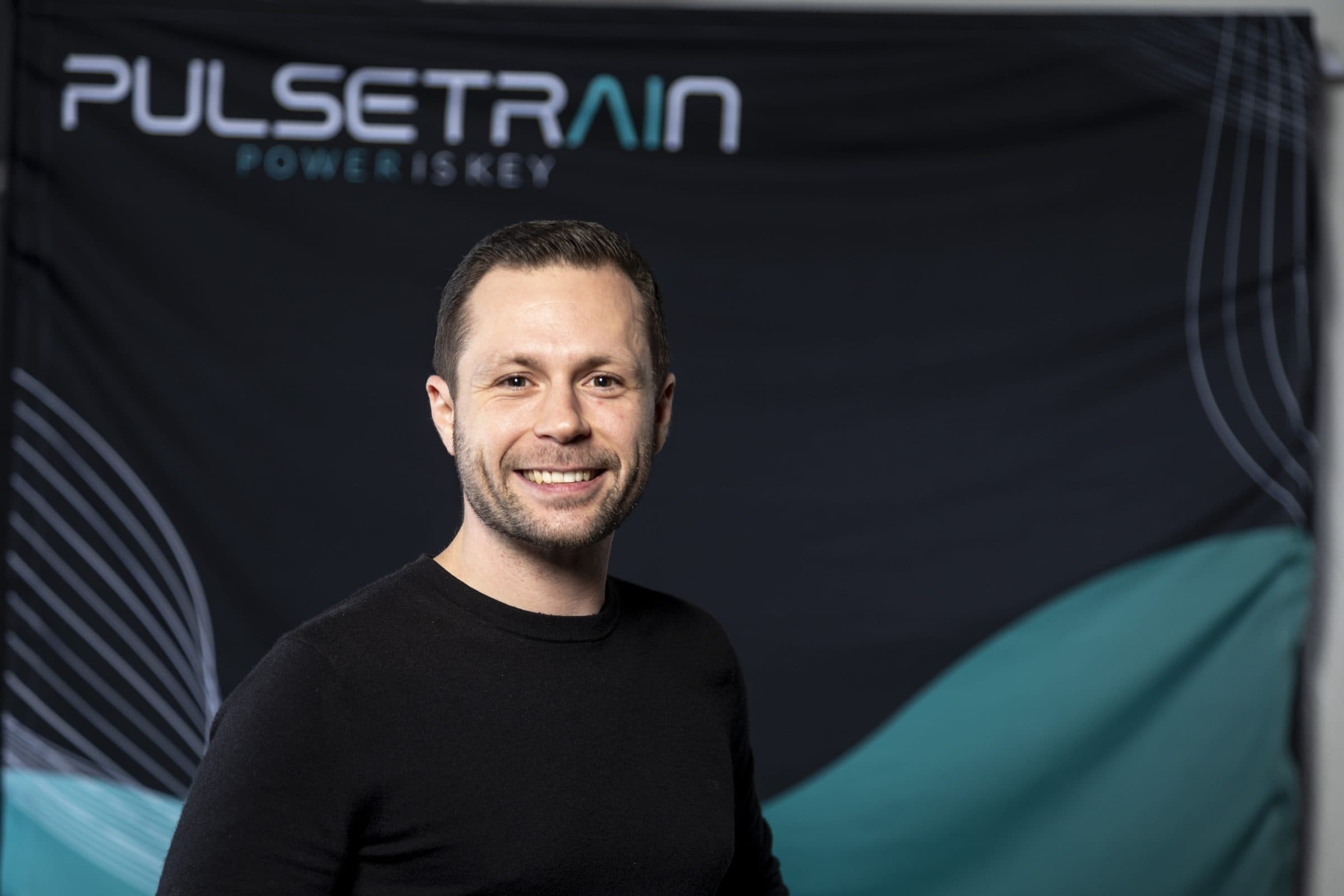

Munich Startup: What does Pulsetrain do? What problem do you solve?
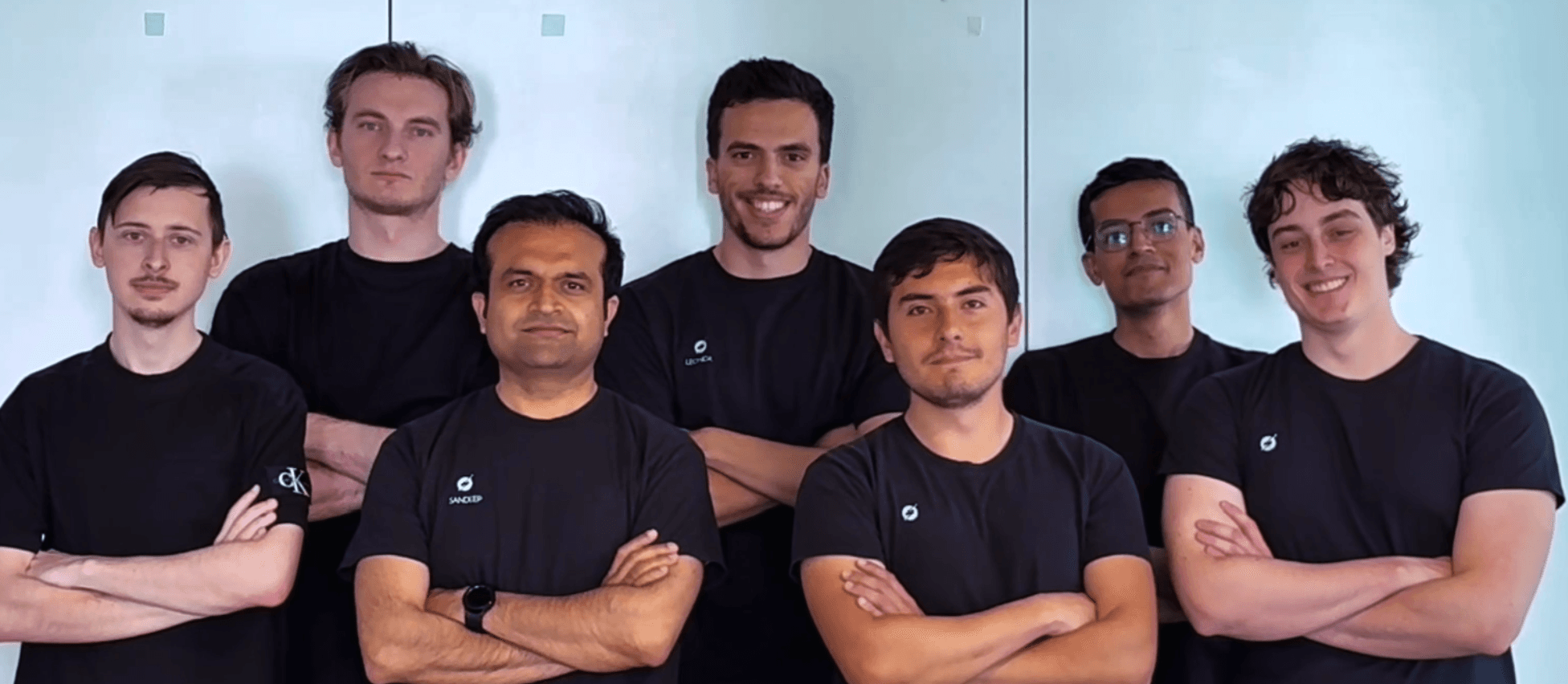
Niclas Lehnert, COO: Pulsetrain develops the next generation of intelligent battery management systems for electric vehicles. Our technology enables, for the first time, individual control, measurement, and optimization of every single battery cell. Using artificial intelligence, we analyze cell behavior in real time – and ensure that every battery operates in optimal condition. This extends battery lifespan by up to 80 percent, increases safety, and simultaneously reduces overall costs. In short: We solve the inefficiency and resource waste of today’s battery systems.
Munich Startup: But hasn’t that existed for a long time already?
Niclas Lehnert: Many talk about intelligent battery management – we make it possible at the cell level. Our technology replaces rigid series connection with a dynamically configurable system. This opens up new possibilities: for example, software architecture that detects weak cells, specifically relieves or bypasses them – all without balancers or oversizing. Nothing like this has existed in practice before, certainly not with our level of integration and data depth.
Unlike conventional systems, we don’t just collect data – we also evaluate it and use the insights directly during live operation. Our AI-supported control adjusts the behavior of the entire battery pack in real time. This means: insights flow directly back into the system and continuously improve performance, lifespan, and safety.
From research to startup
Munich Startup: What’s your founding story?
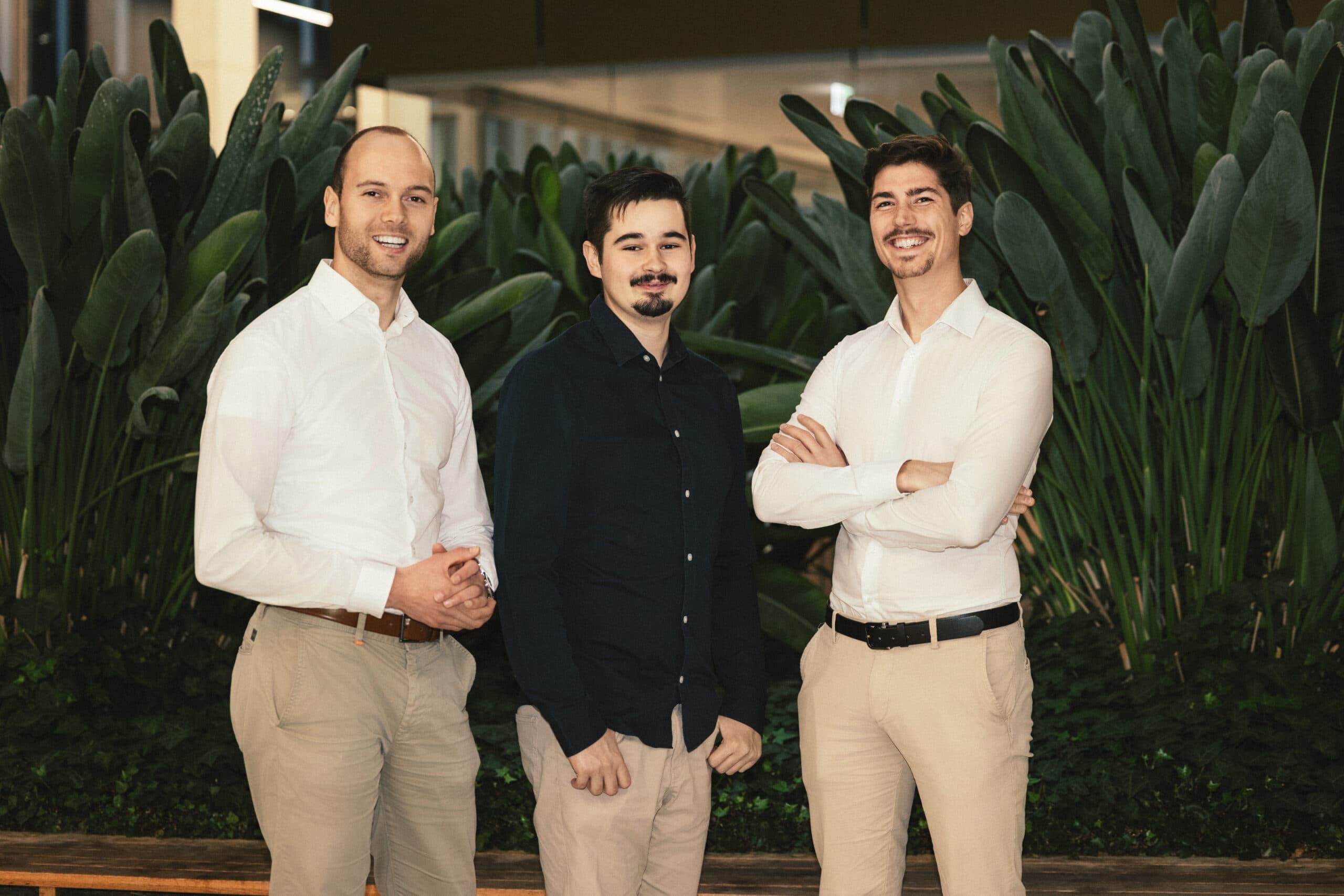
Niclas Lehnert: We’re an interdisciplinary team from electrical engineering, computer science, and business – with a shared goal of making electric mobility more efficient and sustainable. The idea originally emerged from research around modular multilevel converters. When we recognized how many problems this architecture could solve – from charging time to thermal runaway – it became clear: this needs to go from the lab into application. That’s how research became a startup.
Munich Startup: What have been your biggest challenges so far?
Niclas Lehnert: The biggest challenge is balancing ambitious technology with industrial reality. We’re building a system that simultaneously replaces hardware, rethinks software, and sets new standards – that requires partners willing to take bold steps. And of course: capital, perseverance, and a team that believes in the vision even when setbacks occur.
Munich Startup: Where do you want to stand in one year, and in five years?
Niclas Lehnert: In one year, we’ll have an industrial pre-series prototype with first partners in construction machinery and two-wheelers – in the testing phase for a subsequent series project. In five years, our technology should be in industrialization in these sectors with significant series volumes and should also have arrived in the automotive industry. And: we want to have proven that sustainability and profitability are not opposites, but reinforce each other.
Munich Startup: How have you experienced Munich as a startup location so far?
Niclas Lehnert: Munich offers a strong ecosystem – with excellent universities, engaged networks, and short paths to industrial partners. At the same time, competition for talent and funding is intense. But that’s exactly what drives us to do even better. For a technology-driven deeptech like ours, Munich is definitely the right place.
Invisible yet impactful
Munich Startup: Hidden champion or shooting star?
Niclas Lehnert: At our core, we’re a hidden champion because our technology works deep within the system – where you don’t see it immediately, but where it changes everything. We replace central components of power electronics, make the battery smarter, more efficient, and more sustainable – at the cell level. Our contribution remains invisible in the product for the user, but the impact is enormous: longer lifespan, greater range, lower costs.
At the same time, we see ourselves as a shooting star – the time is ripe for a rethink in electric mobility. The industry is at a turning point: if we really want to bring e-mobility to the mass market, we need radically new approaches. And that’s exactly what we’re doing – with a system of hardware, software, and data intelligence.
We communicate this deliberately externally because we want to show that it works: powerful, sustainable, and affordable electric vehicles – not at some point in the future, but now. Our technology is ready for the next level. And so are we.