
Munich Startup: What problem do you solve?
Robin Allert, CEO and Co-Founder of Qtas: Personalized medicine has a structural data problem: the more precise therapies become, the more frequently doctors need a current, high-resolution image of an individual patient’s disease. Tissue samples usually only provide snapshots and cannot be taken repeatedly. Liquid biopsies from blood or other body fluids, on the other hand, could be performed minimally invasively and regularly—but the biologically most valuable signals, such as individual circulating tumor cells, are extremely rare in them and often remain invisible.
Qtas makes exactly these rare cells findable and subsequently molecularly analyzable. This means that from a blood sample, not just a single measured value, but a deep, repeatable picture of the disease can emerge—as a foundation for more precise therapy decisions, close therapeutic monitoring, detection of minimal residual disease, and better clinical trials.
Munich Startup: What can only you do today?
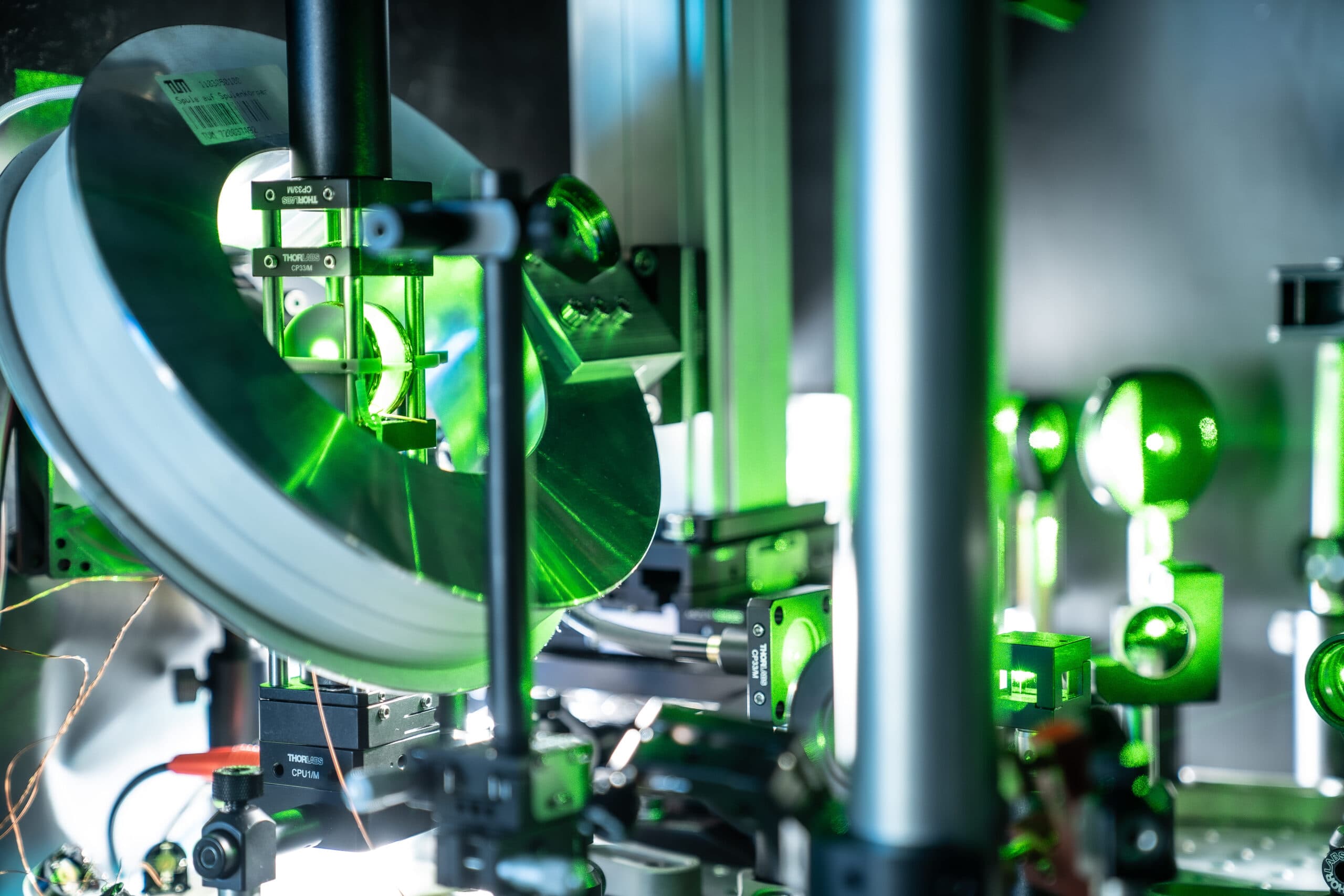
Robin Allert: Our decisive unique selling point is the combination of ultrasensitive detection and physical access to exactly the detected cell. Simply put, we reduce the relevant measurement volume of magnetic resonance by approximately a factor of one million and thus bring the measurement principle to the level of individual cells.
Crucially, the found cell remains available for single-cell sequencing, proteomics, or transcriptomics afterwards. We don’t replace these powerful analytical methods; we solve the bottleneck before them: How do you find exactly the one relevant cell among millions and get it intact into the analysis? The better the molecular analysis methods become, the more valuable access to the right cell becomes. That’s why Qtas is potentially not just a single test, but the access technology for a new generation of personalized diagnostics.
The Mission: Personalized Medicine Should Become Clinical Reality
Munich Startup: What triggered the founding?
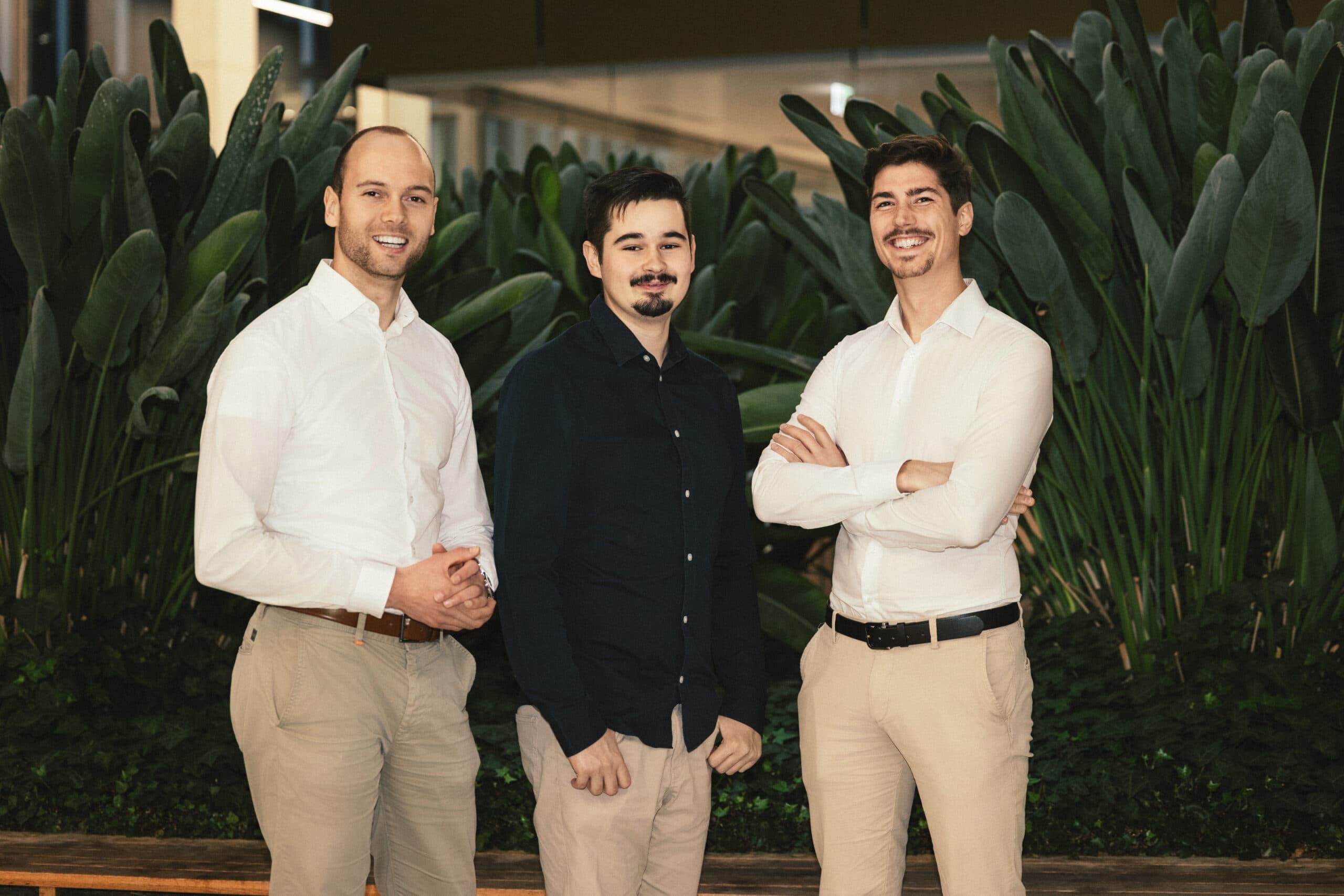
Robin Allert: The scientific trigger came from Karl and Nick: they had developed a way to apply quantum sensing to detecting extremely rare cell populations in medicine. When they showed me the idea, it was immediately clear to me that this had to become more than just a research project.
For me, the motivation is also very personal. My mother died of cancer. I experienced how crucial it is to have the right information about a disease at the right time. At Qtas, two things come together: a technology with platform potential and the very concrete mission to make personalized medicine a clinical reality faster.
Munich Startup: Was there a moment when you thought about giving up?
Robin Allert: Give up? No. Doubt individual approaches and change them? Of course. Anyone who brings deeptech into the clinic must expect experiments to fail, assumptions not to hold, and the clinical and regulatory path to be demanding.
What’s crucial is distinguishing between the goal and the route: the goal remains, the route is adjusted based on data. That’s precisely why one of our company values is “speed with rigor”—learn and act quickly without cutting corners on scientific quality or patient safety.
From Convincing Technology to Relevant Workflow
Munich Startup: How would you know in a year that you’re on the right track?
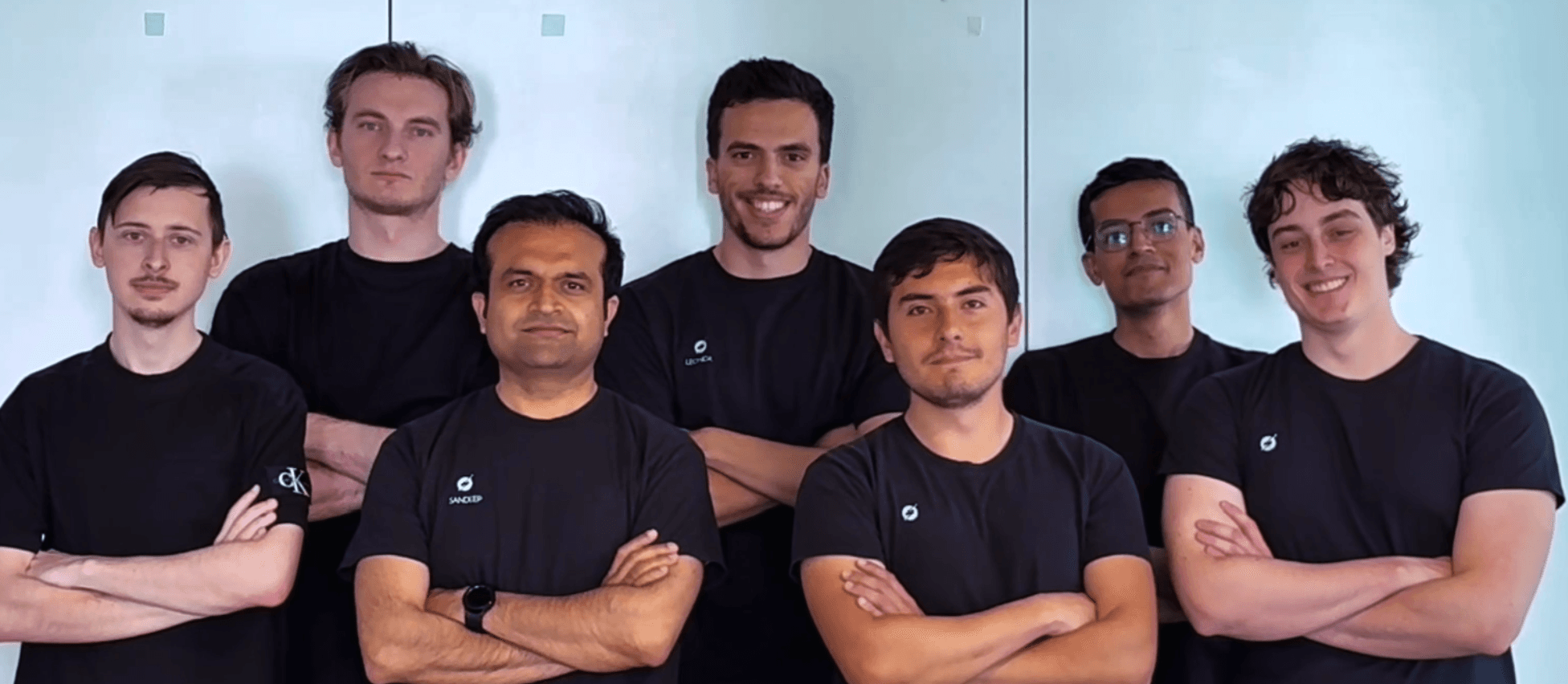
Robin Allert: Clear proof would come from reproducible data from real patient samples. We’re just starting with the first samples and want to examine samples from 30 to 40 patients across several oncological indications over the next twelve months, including metastatic breast cancer and liver cancer. We’ve already built a team of 15 full-time employees for this.
We’re on the right track if we can reliably find and isolate the rare target cells and generate usable molecular data from them. Then Qtas would be more than just a convincing technology—it would be a clinically relevant workflow. From that point on, the question shifts from “Does the approach work?” to “Which indication do we scale first?”
Munich Startup: Would you found in Munich again and why?
Robin Allert: Yes, definitely. Qtas is a Munich company in many ways: our technology comes from quantum research, its application lies in medicine, and the path to scaling runs through medtech and industry. Very few locations bring these worlds together so closely.
Our task is not just to build a quantum sensor. We have to translate it into a robust clinical workflow. This requires short learning loops between physics, chemistry, engineering, biology, medicine, and regulation. This exact density shortens the path from lab to application in Munich—and is a real speed advantage for a company like Qtas. That’s why we would found here again.
“Speed with rigor”
Munich Startup: Perfection or speed?
Robin Allert: Both. One of our company values is “speed with rigor.” In medicine, speed without care is dangerous; care without speed reaches patients too late.
For us, that means: ambitious timelines, early testing on real samples, and quick decisions—but every decision based on solid data and without compromises on quality and patient safety. We don’t want to become slowly perfect. We want to create robust evidence quickly.