
Radical Dot announces the close of its oversubscribed pre-seed funding round of 2.7 million euros. In addition to UVC Partners and Visionaries Tomorrow, climate tech leaders and business angels invested, including Jeremy Oppenheimer, Thomas Tuchscherer, Lord Adair Turner, Pjotr van Schothorst, and Philippe Tardy. The capital will flow into the development of a prototype at the Technical University of Munich (TUM) to advance the scaling of the technology.
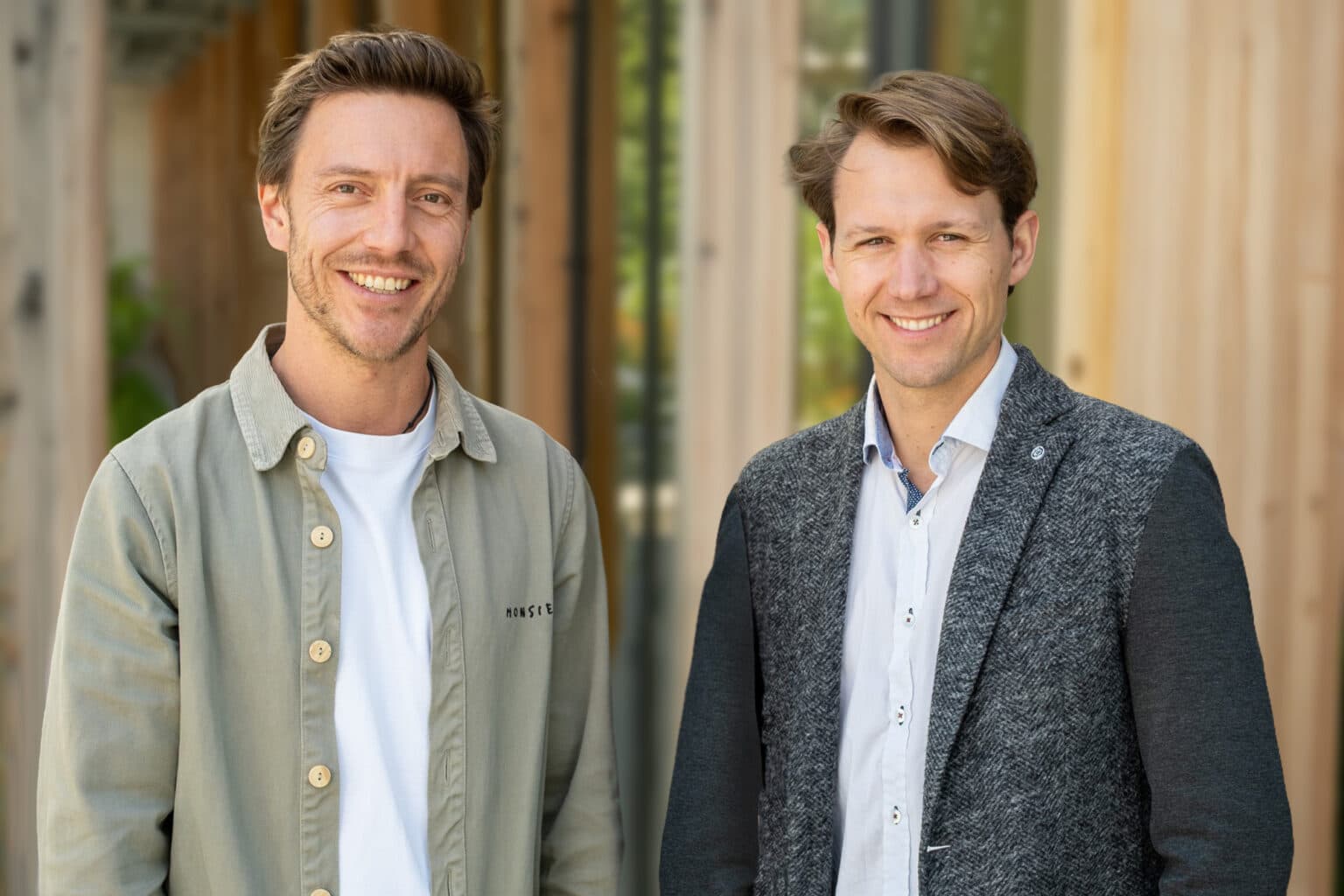
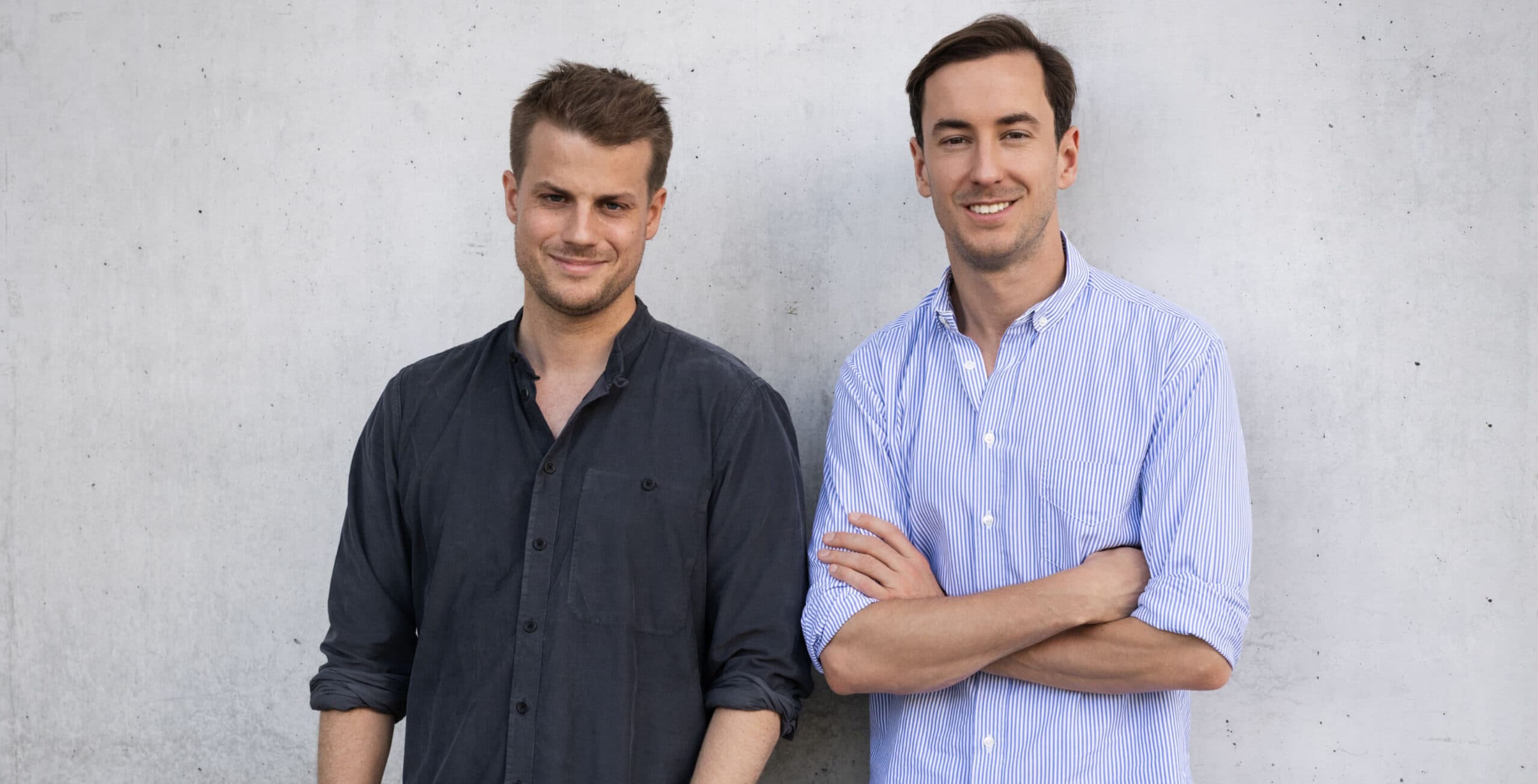
The startup was founded in 2024 by Andreas Wagner and Alexandre Kremer. Radical Dot is committed to converting plastic waste into valuable chemical products. Its proprietary recycling technology uses a catalytic low-temperature process that efficiently processes mixed plastic waste and significantly reduces energy consumption.
Andreas Wagner, co-founder and CEO of Radical Dot, explains:
“Radical Dot is pioneering the development of a new recycling technology that converts waste into valuable, competitive chemicals while drastically reducing emissions.”
Investors recognize Radical Dot’s immense market potential
The chemical industry is responsible for around four percent of global greenhouse gas emissions and urgently needs scalable solutions to reduce fossil raw materials.
Amanda Birkenholz from UVC Partners emphasizes:
“Radical Dot addresses a critical market need by converting plastic waste into green carboxylic acids. As the industry shifts toward sustainable solutions, demand for green chemicals has never been higher. This is more than an economic opportunity—it’s a chance to drive global change by reducing plastic waste and creating a more sustainable future for the chemical industry.”
Iris ten Have from Visionaries Tomorrow adds:
“Unlike most other plastic recycling technologies that are energy-intensive and often limited to processing very clean plastics or a single specific polymer, Radical Dot’s unique technology enables the upcycling of mixed plastic waste into valuable chemicals with favorable process costs. Radical Dot’s innovative approach is competitive and has the potential to redefine the industry—with immense economic and environmental impact.”
The startup emerged from the TUM Venture Lab Chemspace and is working on a technology platform that is intended to process up to 20 percent of global plastic waste long-term and save more than 500 million tons of CO₂ annually. In doing so, it makes an important contribution to the circular economy and to the transformation of the chemical industry.