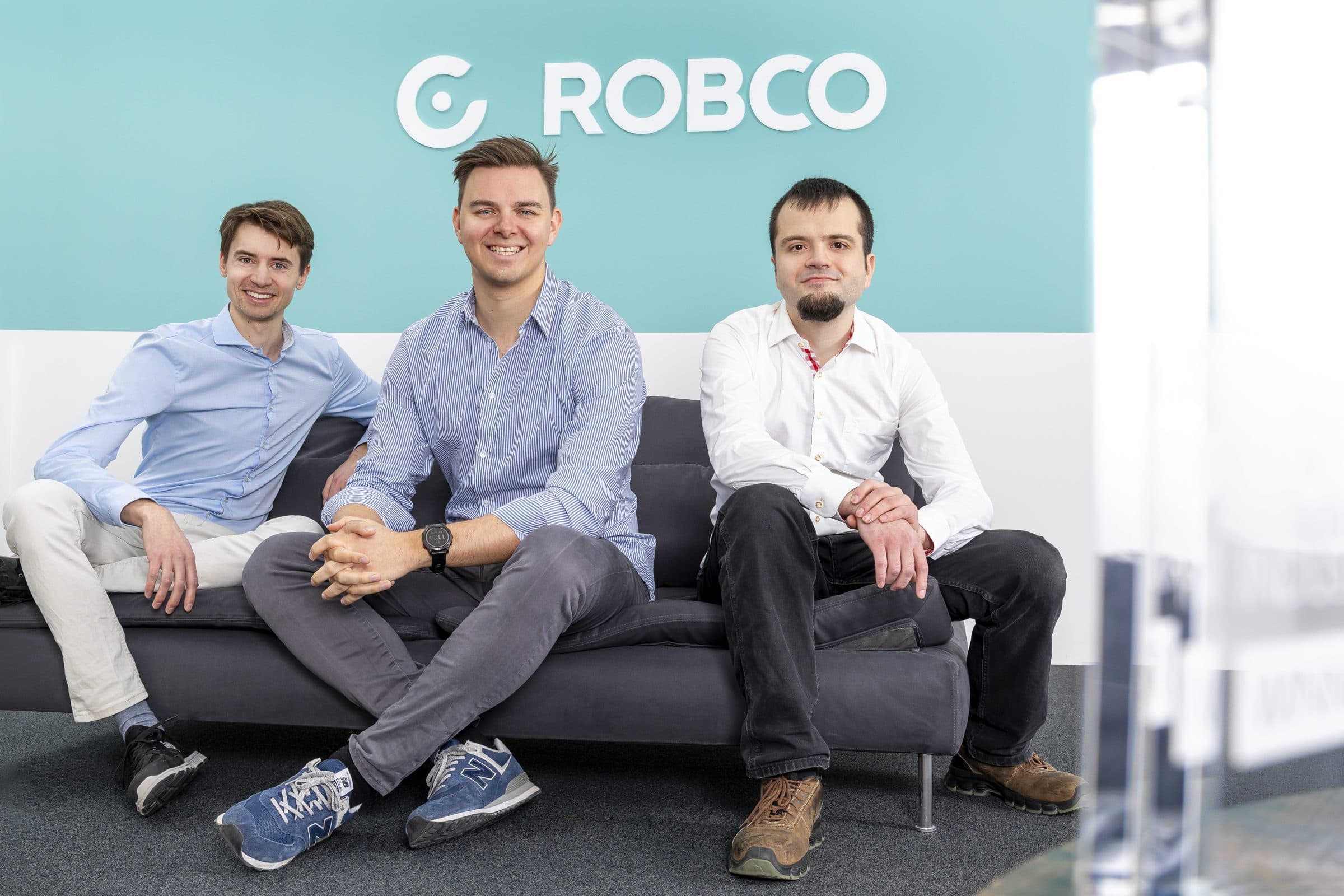

Robco, founded in 2020 at the Technical University of Munich, is advancing its expansion into the USA: Recently, the Munich startup opened a headquarters in San Francisco and simultaneously acquired the US company Rapid Robotics. With the acquisition of Rapid Robotics, Robco integrates hardware and software as well as an established customer base. This strengthens the company’s presence in North America and adds a local team as well as existing customers. Robco operates assembly plants in Texas and already works with industrial companies in 14 American states.
Efficient automation for smaller operations too
According to their own statements, particularly smaller US operations reach limits in automation because they lack sufficient personnel or capital. Robco wants to help with modular robots: They can be deployed flexibly, programmed with no-code software, and also offer a pay-as-you-go model: customers only pay when robots are in use.
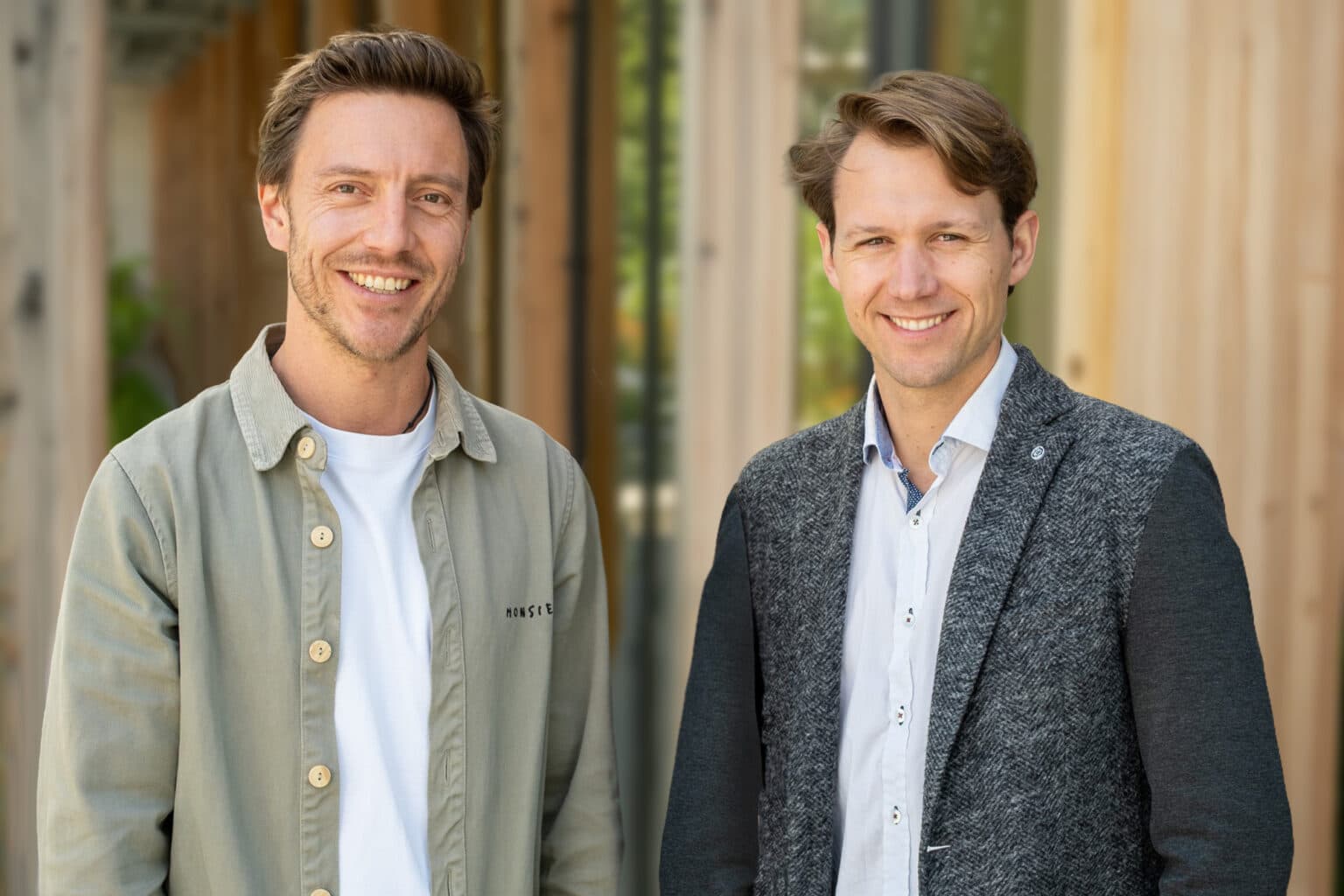
Roman Hölzl, CEO of Robco, explains the concept:
“Automation is crucial for the long-term competitiveness of industrial companies. With our modular robots, we want to provide companies of all sizes with an affordable, flexible, and low-risk solution.”
Support from the Physical AI Fellowship
Parallel to the expansion, Robco was accepted into the Physical AI Fellowship. The program by Amazon Web Services (AWS), Nvidia, and Mass Robotics is aimed at startups developing intelligent systems for real-world applications.
For Robco, this means: 200,000 US dollars in cloud credits from AWS, access to Nvidia’s AI and simulation platforms, and test environments at Mass Robotics. This is intended to advance the development of robots that don’t need to be manually programmed, but can act independently through perception and experience. Industries that previously had little access to robotics due to their complexity should also be able to benefit from affordable solutions, it is stated.
Hölzl emphasizes:
“We want to automate the ordinary so people can do the extraordinary. Thanks to the combination of AWS’s cloud infrastructure, NVIDIA’s AI and simulation technologies, and MassRobotics’ test environment, we can develop adaptable, autonomous, and affordable robots.”