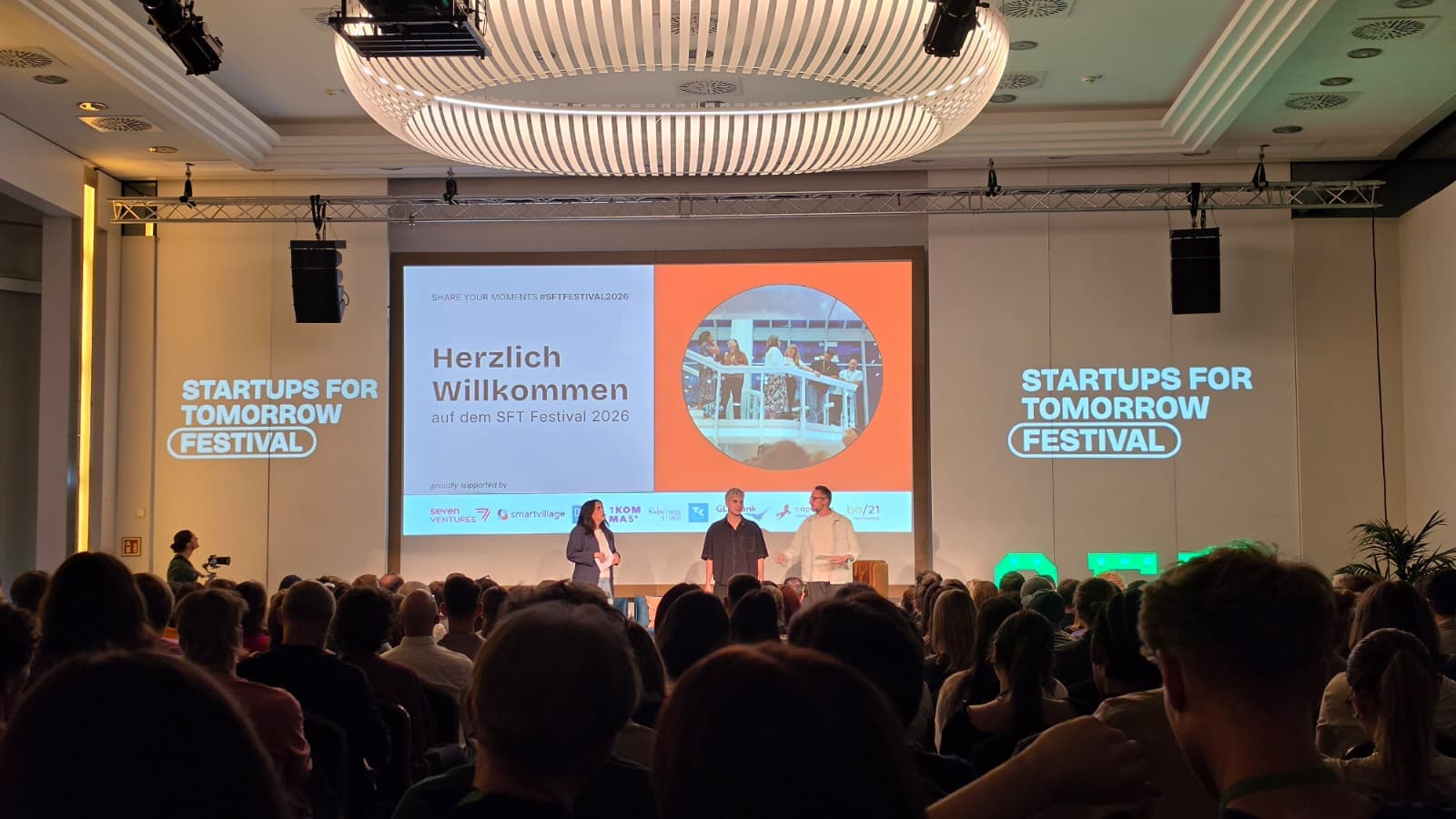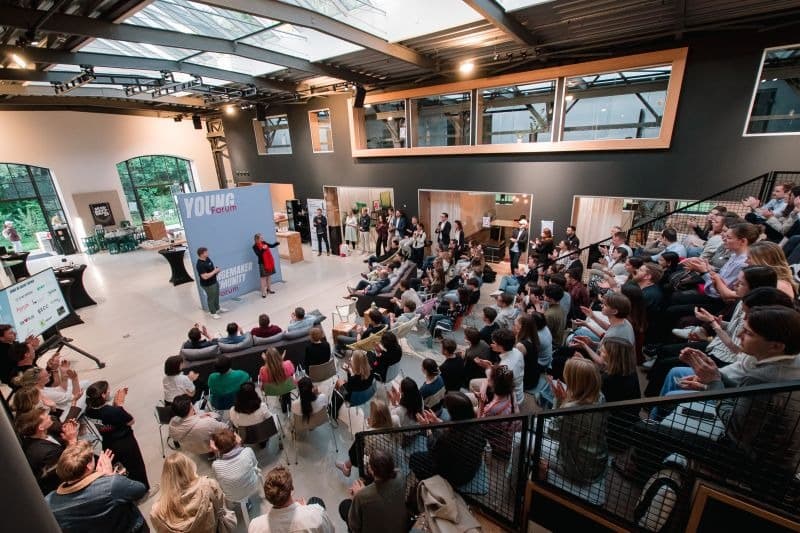

Slush is no longer a hidden tip: since 2008, the event organized by students from the University of Helsinki has been bringing together founders and investors. Last year, the event declared itself the “largest gathering of venture capital on the planet”. Around three trillion dollars in assets under management were assembled in the exhibition hall. A figure that the organizers managed to significantly exceed this year: at the opening of the event, Slush CEO Aino Bergius and Slush President Elin Dölker announced that four trillion dollars have gathered at their event this year.
But Slush was able to grow in more ways than just this. While around 5,000 startups and 3,000 investors gathered last year, there were around 5,500 startups and 3,300 investors this year, according to the organizers. Both parties arranged over 20,000 meetings again through the event platform.
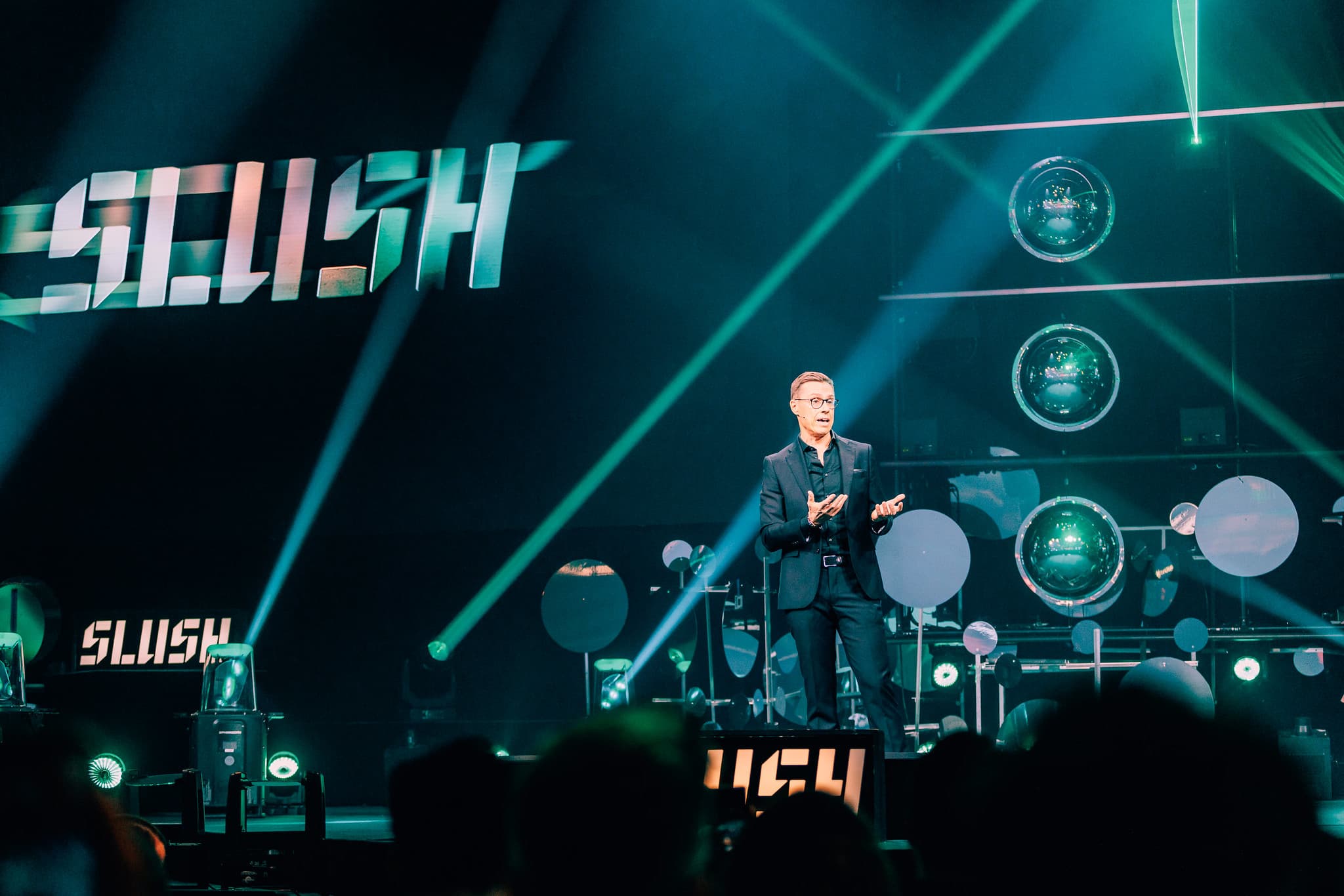
But Slush sets itself apart from other events of its kind not just with such impressive numbers. Few events manage to paint such an optimistic and positive vision of the future. This year, that was the responsibility of Alexander Stubb, former Prime Minister and President of Finland since March this year. In his keynote, he spoke about the current challenges of the digital world. He first constructed the contrasts that societies currently seem to face: digital democracy versus digital dictatorship; spreading hope or inciting hatred; empathetic people or calculating AI. But those who decide about these possible versions of the future, according to Stubb, are the tech enthusiasts gathered at Slush. And he is convinced that they will ensure that empathetic people always remain at the helm. The fact that Google had its booth directly across from the stage where Stubb spoke is probably best regarded as an ironic coincidence.
Tips from the Nvidia co-founder
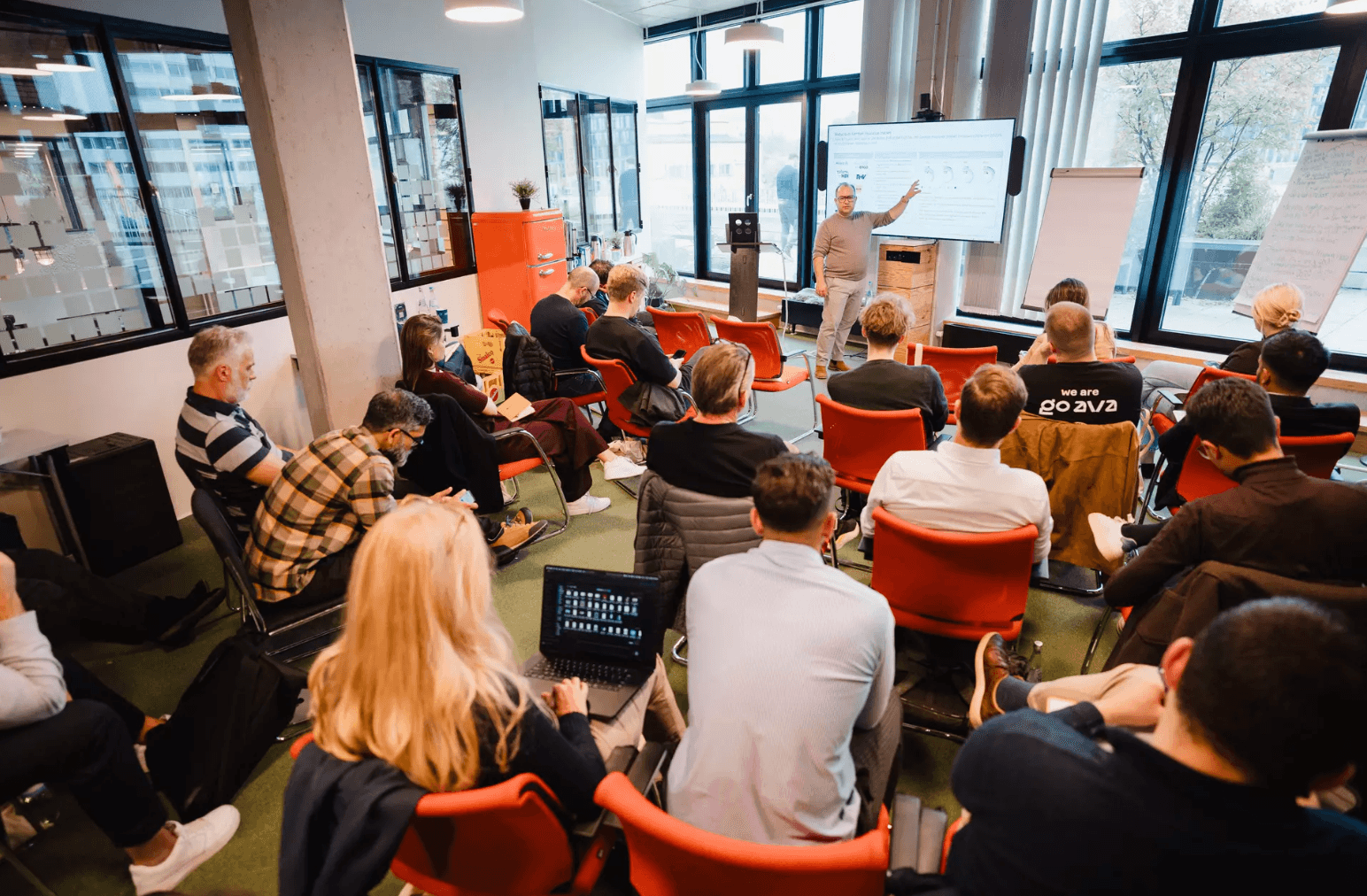
Of course, the stages at Slush belonged to founders, not politicians. On the Impact Stage, everything revolved around technology and its impact on society. From fittech to climate tech to protecting against fraud, everything that can influence the lives of individuals and entire societies was discussed here. The Builder Stage, on the other hand, offered concrete tips for founders. Whether it’s about validating a problem, developing an MVP, or closing a seed round – startups, agencies, and investors shared tips for success here. And on the Startup Stage, the startups themselves presented – sorted by topic, founders from Finland, Europe, and the rest of the world pitched here for two days.
Special attention was also given to Chris Malachowsky, one of the founders of chip manufacturer Nvidia. In conversation with Etosha Cave, co-founder and CSO of Twelve, he explained his company’s journey. After all, Nvidia going on to revolutionize the AI world with its chips was anything but predetermined – the founders only learned with their second generation of chips that they were working past the market. But as we know, you learn from mistakes, and Malachowsky summed up his learnings like this:
“Don’t try to outsmart your competitors, outengineer them.”
He also brought two other important messages to the people: on the one hand, founders should think twice about whether they want to take tips from him – after all, he has only founded one company in his entire life, and that was over 30 years ago. And on the other hand, he thinks it’s important that founders bring a certain naivety:
“Naiveity is good for founders, you gotta believe!”
“Slush is an awesome event”
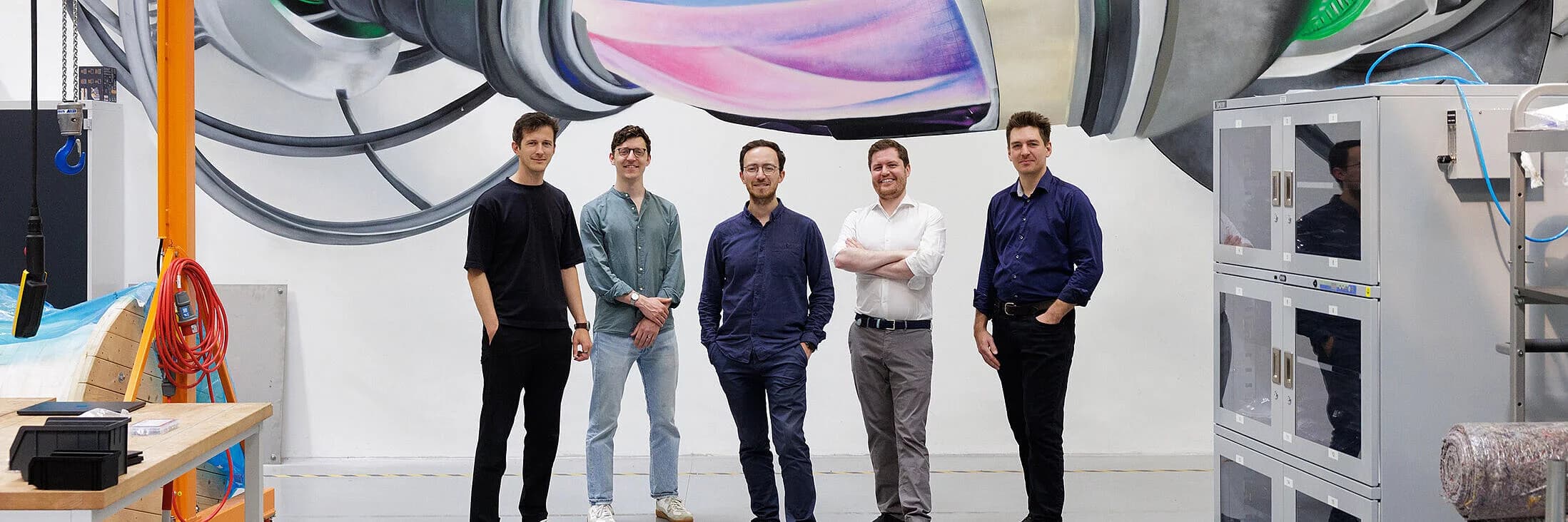
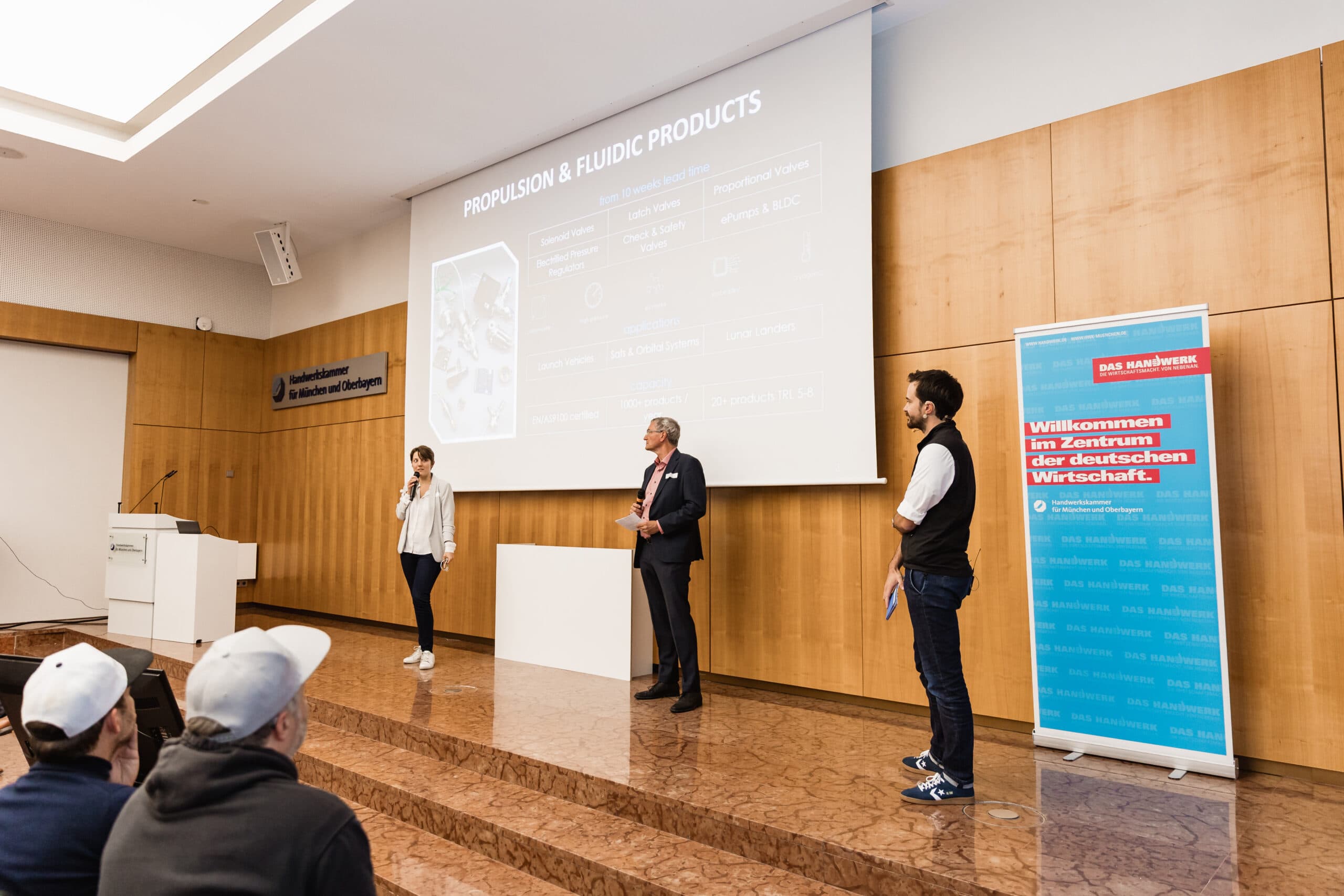
German startups also had their own stage: the German Pitching Stage at the Germany stand gave founders the opportunity to present themselves and their ideas. The Startup Champs – Munich, Berlin, Hamburg, and Cologne – were again part of the stand this year. With ESG-X, Peak Quantum, Roundpeg, and Sub Capitals, four Munich startups were also represented at the stand.
Jean Bauer, co-founder and co-CEO of ESG-X, sums up the trade fair as follows:
“Slush is an awesome, flashy event where a lot happens. The trade fair – I think it has the highest investor density – is great for getting to know investors. It’s very easy to get into a conversation with them and especially the international investors want to help you grow in other markets. For example, I spoke with an investor from Bulgaria, and we hadn’t had that country on our agenda before – that’s changed now.”
Thomas Luschmann, co-founder and managing director at Peak Quantum, adds:
“Slush is really well organized, the organizers make it very easy to find investors with relevant profiles. They don’t sign checks on a beer coaster right away here either, but I found many relevant contacts over the last two days that I can follow up with.”
And Oliver Krieg, CEO and co-founder of Roundpeg, says:
“I’ve never been to an event where I’ve had so much interaction with investors. The only thing that’s really missing is a beer carousel.”