Munich Startup: What does your startup do? What problem do you solve?
Sqior Medical: We develop smartphone-based digital assistant systems that support clinical staff in their work and enable more efficient and better patient treatment.
Our current focus is on the operating room and the perioperative process. To ensure that patients receive optimal surgical care, a variety of professional groups, departments, and individuals must work together perfectly. Our software helps with this. Information from various sources is consolidated and available in real-time, so everyone can see at a glance where patients are and which process step they are in. When changes occur, our assistant system actively supports collegial communication and tasks are automatically assigned. This means that everyone involved spends less time on follow-up questions and information searches. This allows scarce resources such as personnel, operating rooms, and expensive medical technology to be used much more effectively.
Digitalization potential in hospitals
Munich Startup: But this already exists, doesn’t it?
Sqior Medical: You would think so, but it doesn’t. We have spent a lot of time in operating rooms around the world in recent years, and the degree of digitalization there lags significantly behind the business world and private sector. We set out to close the existing gap between the requirements of mobile and fast-paced work in hospitals and the existing healthcare IT systems. The feedback from our first users confirms that we are on the right track.
Munich Startup: What is your founding story?
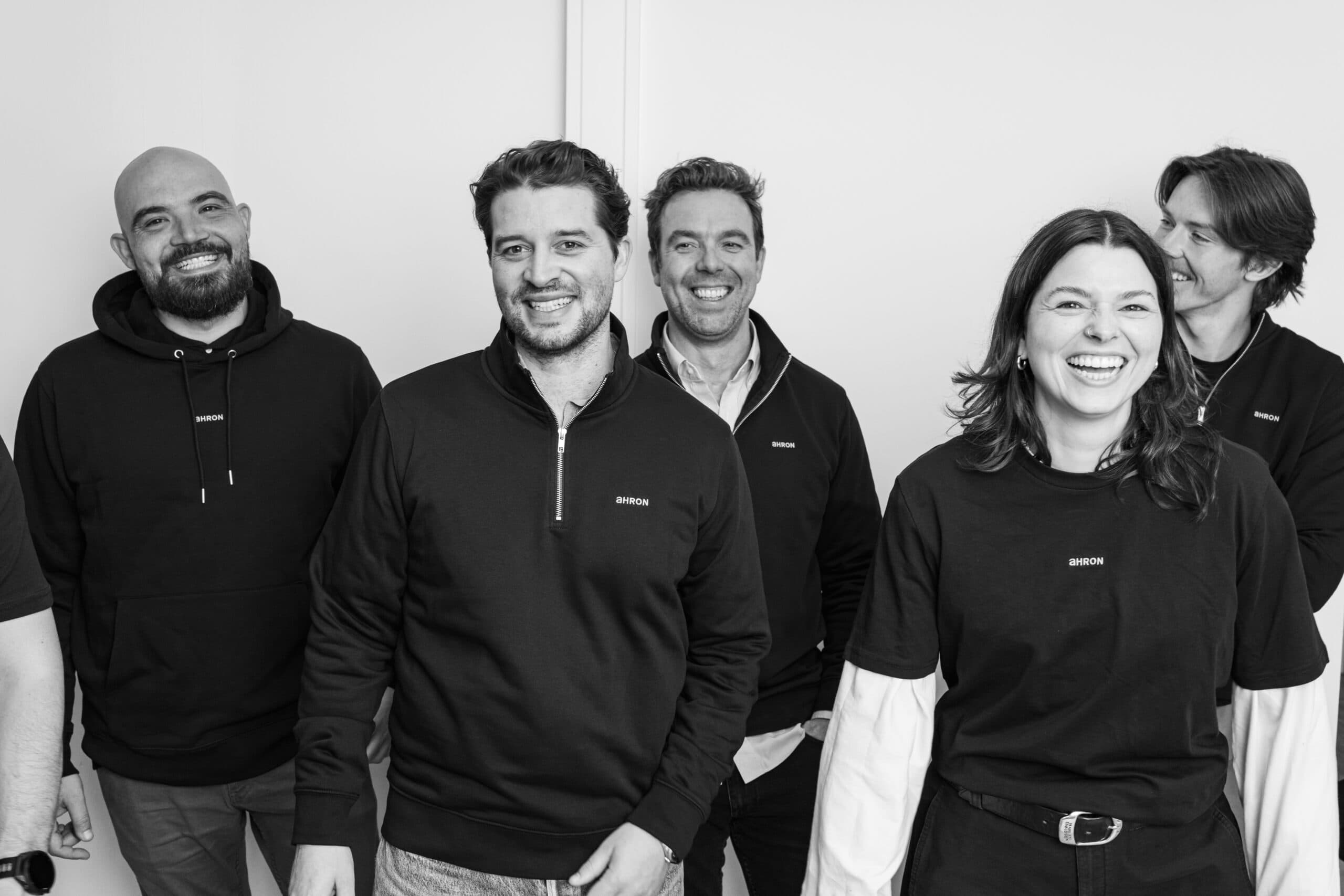
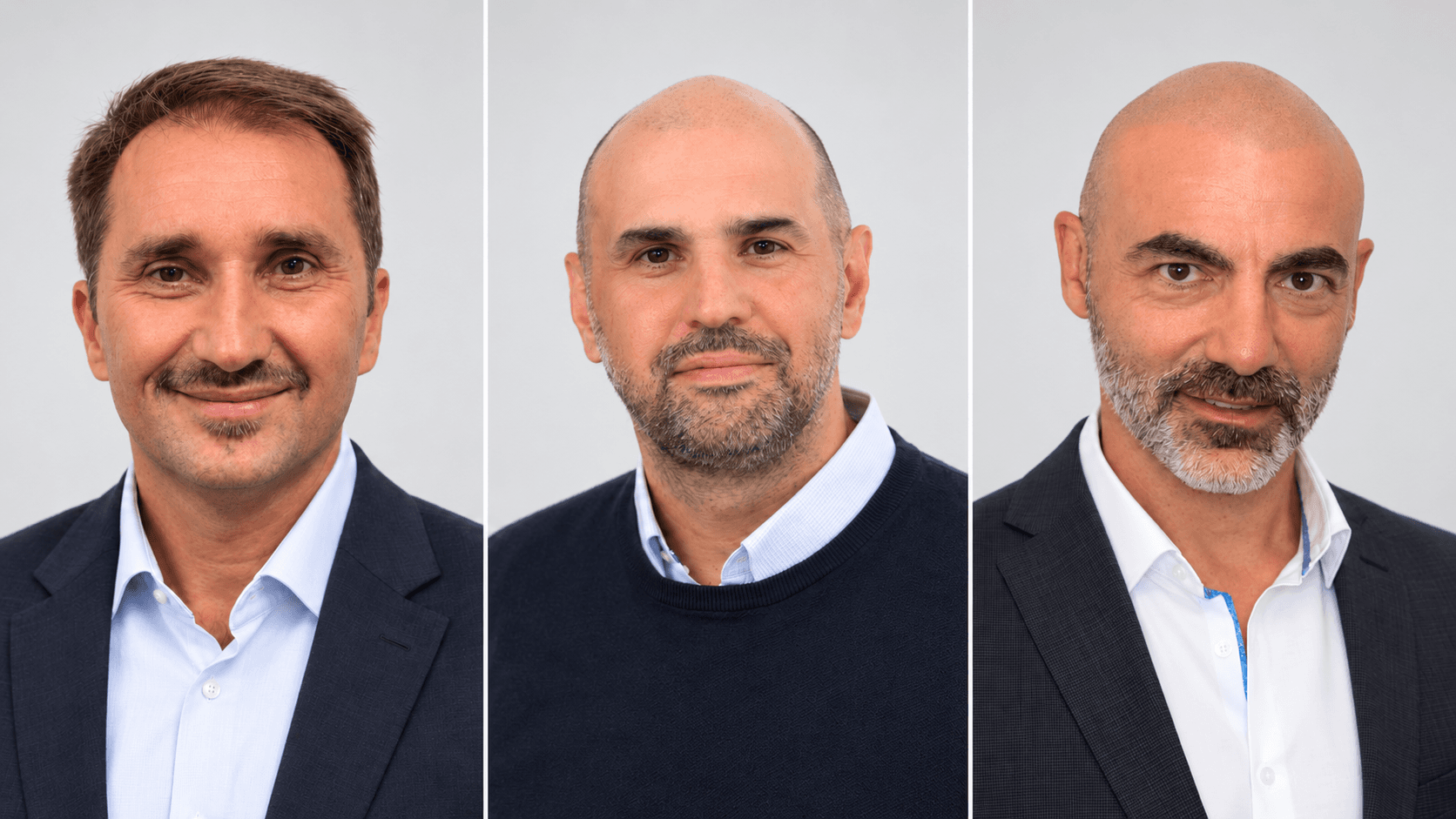
Sqior Medical: As a team of four in various roles, we have collectively been active in the medical technology industry for 60 years and have been involved in the largest digitalization projects in hospitals worldwide. We believe in the enormous potential of digitalization and automation in clinical practice when they focus on clinicians and patients.
Munich Startup: What have been your biggest challenges so far?
Sqior Medical: After a short time, many hospitals approached us about our solution, so compared to other startups, we didn’t have a problem finding new customers.
Due to the many stakeholders involved – depending on the hospital, it can be several hundred – the tight time schedules, and the very different professional backgrounds of the people involved, the operating room process is one of the most complex choreographies within a hospital.
Mapping the entire process in software that is very easy to use for all users was one of our biggest challenges. Our experience definitely helped with this!
“In five years, smartphone-based assistant systems will be indispensable in clinical practice”
Munich Startup: Where do you want to be in one year, where in five years?
Sqior Medical: In one year, we want to be live with multiple use cases in clinical operations and, most importantly, have satisfied users. Proximity to clinicians is a central building block of our DNA.
And in five years, smartphone-based assistant systems will be indispensable in clinical practice – they connect employees, IT systems, and medical devices. We want to play a central role in this and offer the best solution.
Munich Startup: How have you experienced the Munich startup ecosystem so far?
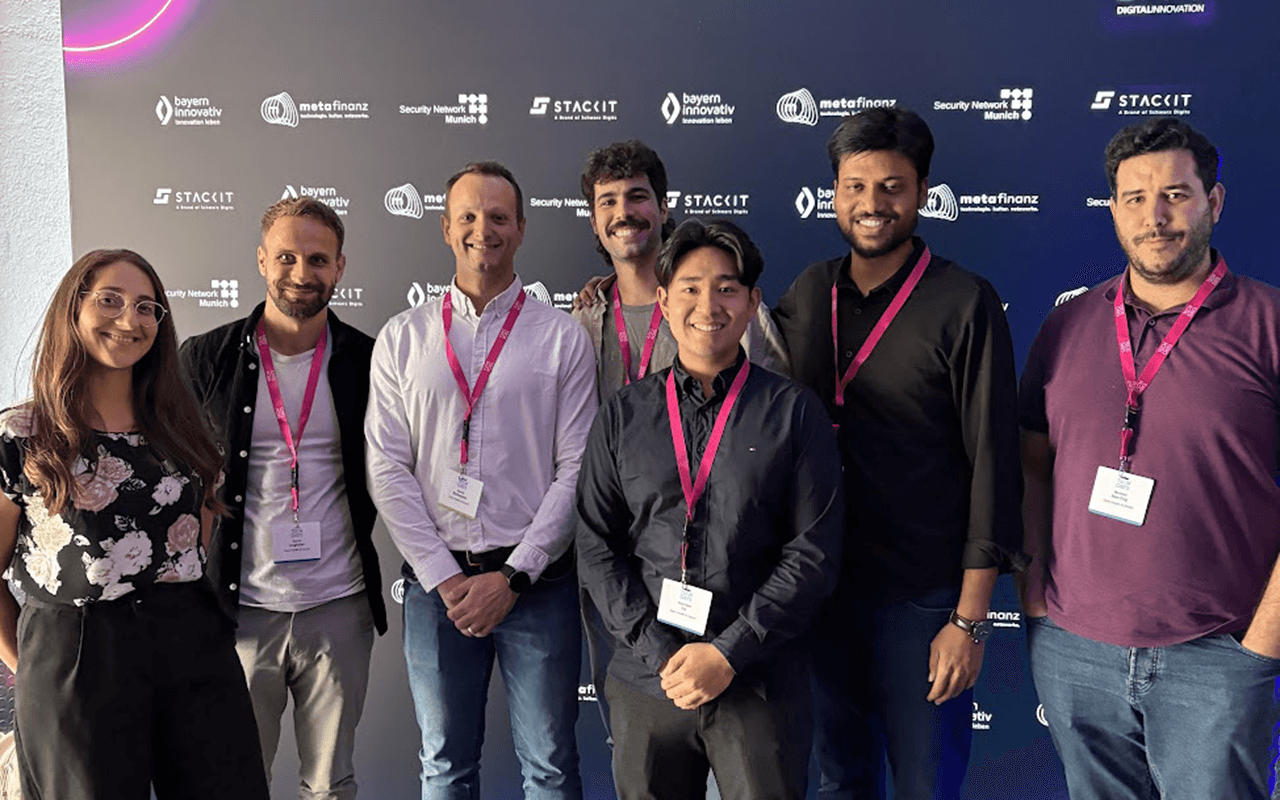
Sqior Medical: Munich offers a unique ecosystem for startups with many great events and funding opportunities. The cohesion and openness of startups with each other also impresses us time and again.
Munich Startup: Quick exit or playing the long game?
Sqior Medical: We want to advance our vision quickly and sustainably improve patient treatment with our solutions. That takes a long-term commitment.