
Munich Startup: What exactly does Suitcase do? What problem are you solving?
Tim Kniepkamp, Suitcase: Suitcase provides a neutral forum to resolve legal disputes amicably in just a few days. We are a digital dispute resolution service with an innovative process to bring conflicting parties together. Currently, we focus on disputes arising from job termination and security deposit reimbursement.
Our goal is to build a genuine alternative to the courts. The traditional court proceedings don’t meet people’s needs. It takes too long. It’s too expensive. And it’s so complex that without legal representation, you don’t know if you have a case.
This aligns with findings from various studies. Compared to 1995, we see 59 percent fewer lawsuits filed in employment courts. At the same time, proceedings are taking longer. And the public perceives it similarly: 82 percent believe proceedings take too long, and 77 percent think courts are overwhelmed. By 2030, this problem will worsen: we will retire one in four judges nationwide.
Munich Startup: Doesn’t this already exist?
Tim Kniepkamp, Suitcase: No. And that surprised us a bit too. We know that a couple of founders in Berlin tried this in the early 2000s. They were probably ahead of their time. Behind this lies of course another question: “Who is the competition?” And competition is anyone who solves the same problem – regardless of how. From that perspective, courts are just as much our competitors as tech-savvy law firms.
Suitcase started as a university side project
Munich Startup: What’s your founding story?
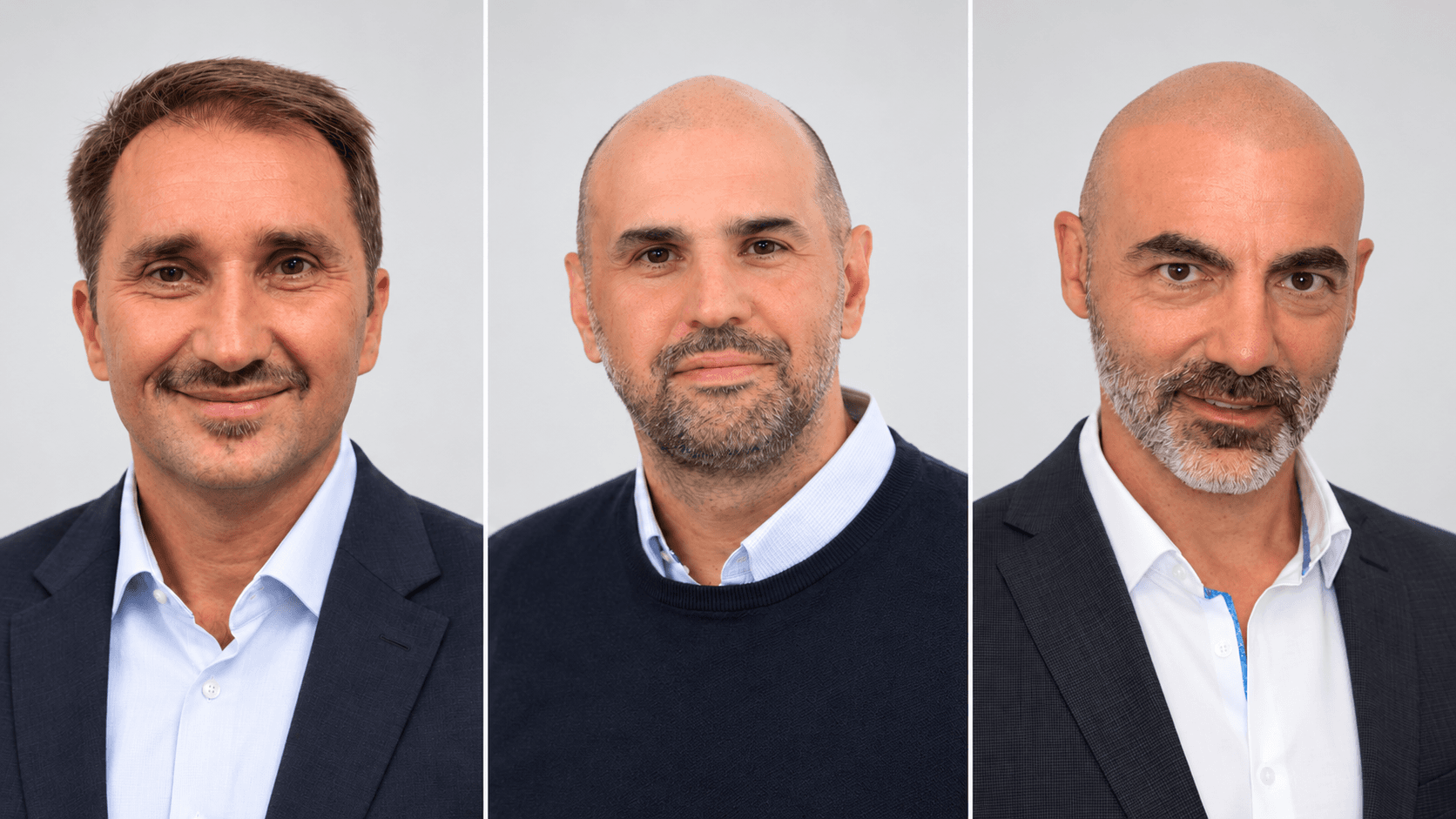
Tim Kniepkamp, Suitcase: Tim and I have known each other since 2018 through a student competition for law students. We participated for different universities and became friends. In the summer of 2020, a Brazilian friend visited us and told us about a digital court proceeding on his phone. That’s when we asked ourselves whether this could work in Germany too. After we came up with a legal concept, we brought Philipp on board.
Suitcase was initially a project alongside university. At the beginning of 2024, we went full-time and moved to Munich for Xpreneurs. We lived in a founder shared apartment at Rosenheimer Platz. In summer, we decided to build the company in Munich and opened an office at Werk1 near Ostbahnhof.
Munich Startup: What have been your biggest challenges so far?
Tim Kniepkamp, Suitcase: At first, we struggled with how to build a viable business model. The first product idea – a digital arbitration procedure for B2B disputes – was legally and technically feasible. But it wasn’t economically viable. Once we settled on our current product, we had to decide between B2B and B2C. B2C seemed appealing, but would have come with high marketing costs that we would have had to pass on to end customers. That wouldn’t have improved access to justice. B2B was unattractive because there weren’t enough suitable disputes. So in the end it became B2B2C: we distribute the product to lawyers and legal protection insurers. However, the users of the platform are often private individuals.
Munich Startup: Where do you want to be in a year, and where in five years?
Tim Kniepkamp, Suitcase: Our vision for 2030 is to be present in six European countries. This will make it possible to administer over 300,000 legal disputes annually.
Down to earth with high quality of life
Munich Startup: How have you experienced Munich as a startup location so far?
Tim Kniepkamp, Suitcase: Very positively. That was the reason for our move from Berlin to Munich. While it’s very trendy in Berlin, founders here are more down to earth. It’s less about making a big splash, and more about strong revenues. That’s shown by unicorns like Celonis, which the general public (deliberately) doesn’t know. The quality of life in Munich is also high: we go hiking a lot on weekends or take the night train to Italy.
Munich Startup: Hidden champion or shooting star?
Tim Kniepkamp, Suitcase: Hidden champion. That fits better with our image as a neutral platform. We don’t want the big spotlight, but rather to help people resolve their conflicts quickly. We just want to be known enough that people trust us.