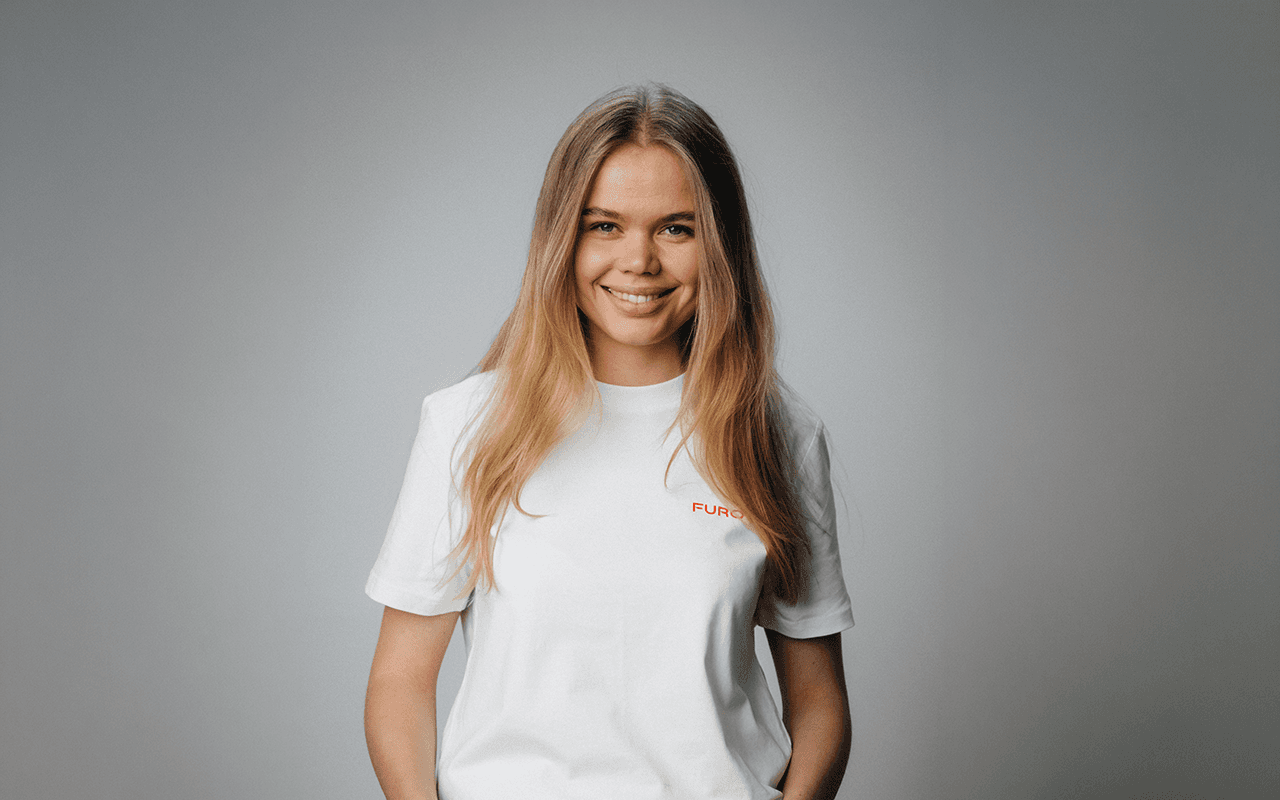
Munich Startup: What problem does your solution address?
Fabian Roschig, Co-Founder & CEO: Companies want to know how consumers will react to a new product before launching it to market. That’s what market research is for, but it takes weeks, costs six figures quickly, and by the time results arrive, the question has often already been answered. We interview real people across multiple dimensions, from personality and values to concrete consumer behavior, and build digital twins from that. These are LLM-based simulations of real people that you can query anytime. That way, you get reliable consumer reactions in minutes instead of weeks.
Munich Startup: What can only you do right now?
Fabian Roschig: Digital twins that are based on real interviews and behave like actual target audiences. Other tools digitize classic surveys or have an LLM generate random answers without a real data foundation. With us, there’s a real person behind every digital twin—someone we’ve interviewed about personality, values, life situation, and consumer behavior. That’s the difference.
Consumer voice needs to enter the development process early
Munich Startup: What triggered the founding?
Fabian Roschig: I used to do innovation consulting for FMCG companies. You sit in workshops, develop ten concepts, and then someone has to decide which three go to the focus group. That decision is made based on the agenda, gut feeling, or whoever speaks loudest in the room. But not based on consumer voice, because the consumer isn’t even in the process at that point. That means some concepts get killed that would have had potential. Others make it to testing when they could have been filtered out beforehand. And even when testing does happen, it takes weeks for results to come back. In a world where product development needs to be iterative and fast, that just doesn’t fit anymore. That was the trigger: the consumer perspective needs to be part of the process earlier and continuously, not just at the end as validation.
Munich Startup: Was there a moment when you thought about giving up?
Fabian Roschig: No dramatic moment yet where I thought it was over. But phases where you sit in the evening and ask yourself whether it’ll all work out. Whether you’re building the right thing. But I’ve seen the problem too often with customers to doubt that it exists. And reactions in conversations have always been the same: immediate nodding. What occupies me more is market dynamics. We founded at the end of 2025, and right now many solutions are pushing into the market. That creates pressure to move fast. But we deliberately chose a scientifically grounded approach, even though that feels counterintuitive at this pace. Because ultimately, what matters is whether your approach is defensible, whether results are reliable, and whether the business can scale. Fast and wrong doesn’t help anyone.
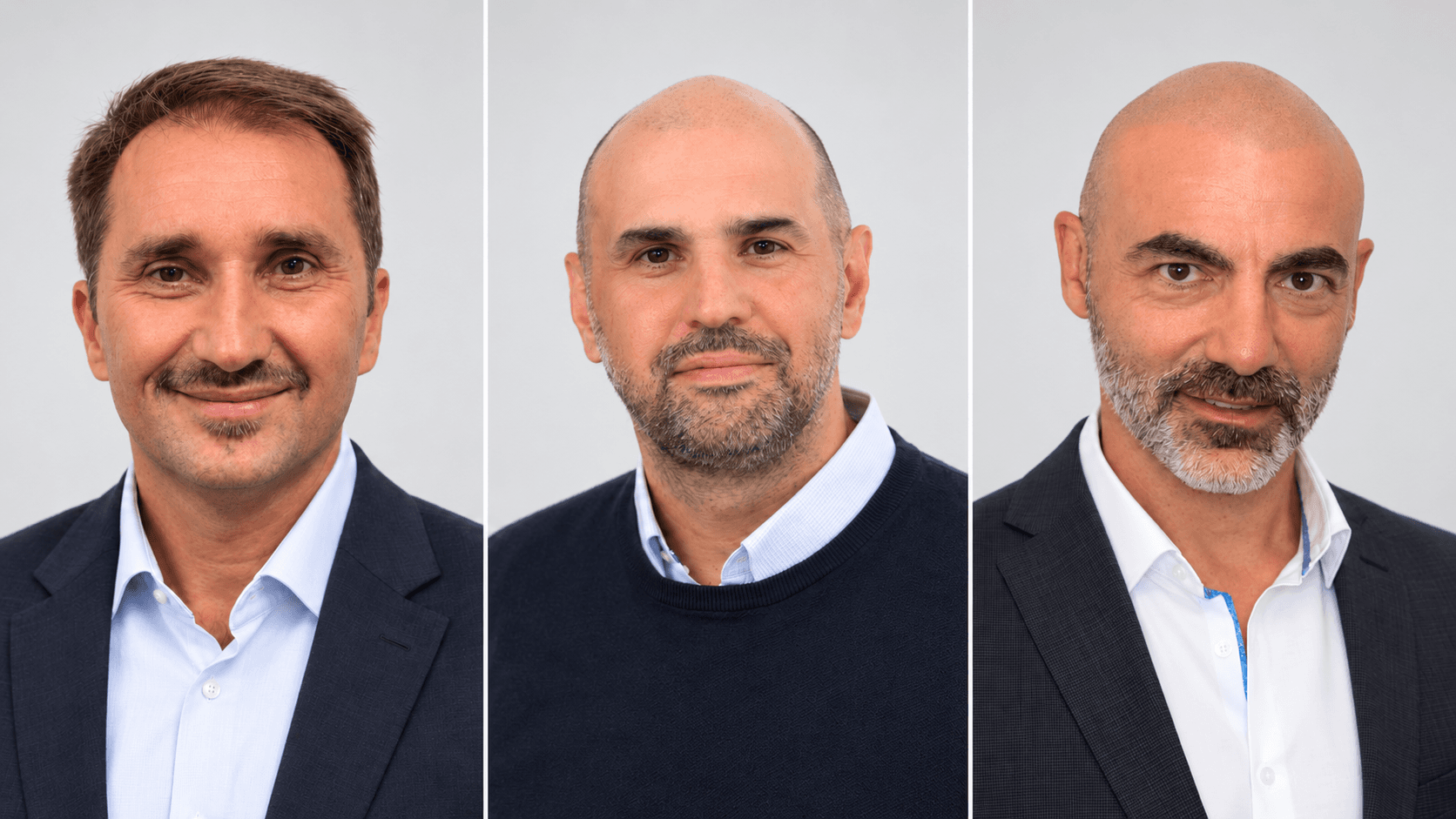
The Consumer AI was founded in 2025 by Fabian Roschig and Ismail Reimchen. The startup develops digital twins of real consumers to make market research faster, more continuous, and more cost-effective. Co-founder Fabian Roschig studied innovation management among other subjects and has long been interested in how new products can reach market faster. After positions at Condor, he founded an innovation consulting firm, advised companies on growth and innovation projects, and helped build a startup incubator. These experiences directly informed the founding of The Consumer AI.
Munich Startup: How would you recognize in one year that you’re on the right track?
Fabian Roschig: If customers actively and continuously use our platform to iteratively test product, marketing, and packaging decisions and base their decisions on those results. That would be the habit change we want to achieve: away from market research as a one-time project, toward continuous work with consumer voice. If that happens, it means people trust the results enough to align their processes with them. That would be the signal.
Munich ecosystem impresses with the right size
Munich Startup: Would you found again in Munich and why?
Fabian Roschig: Yes, in a heartbeat. The ecosystem here is strong: TUM, Munich Startup, many VCs, good funding opportunities. But what convinces me more is the size. Munich is still small enough that it feels like a real network, not loose connections. You meet the same people again, you know each other.
Munich Startup: Bootstrapping or venture capital?
Fabian Roschig: Bootstrapped from the start. We wanted to first understand whether the product works and whether people will pay for it before spending other people’s money. Raising capital to find out if you’re solving a problem worth solving was never the right path for us. Now we’re at the point where the methodology is validated scientifically and we’re working on pilots with established companies. With that traction, we want to raise a significant funding round by the end of the year. Because our approach only works with scale: large interview corpus, enough digital twins, real market penetration. That definitely requires capital.