
Munich Startup: What does Tildi do? What problem are you solving?
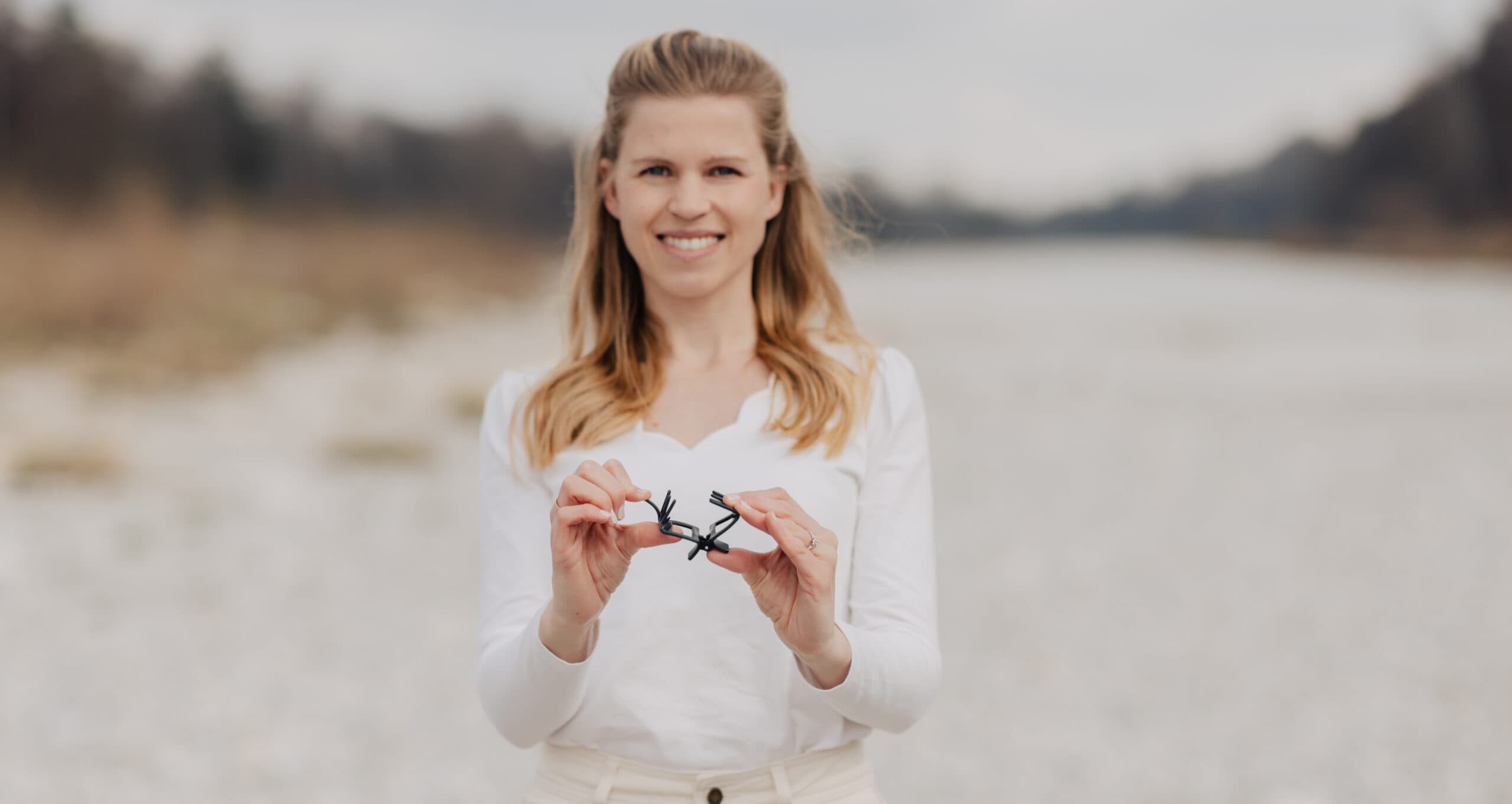
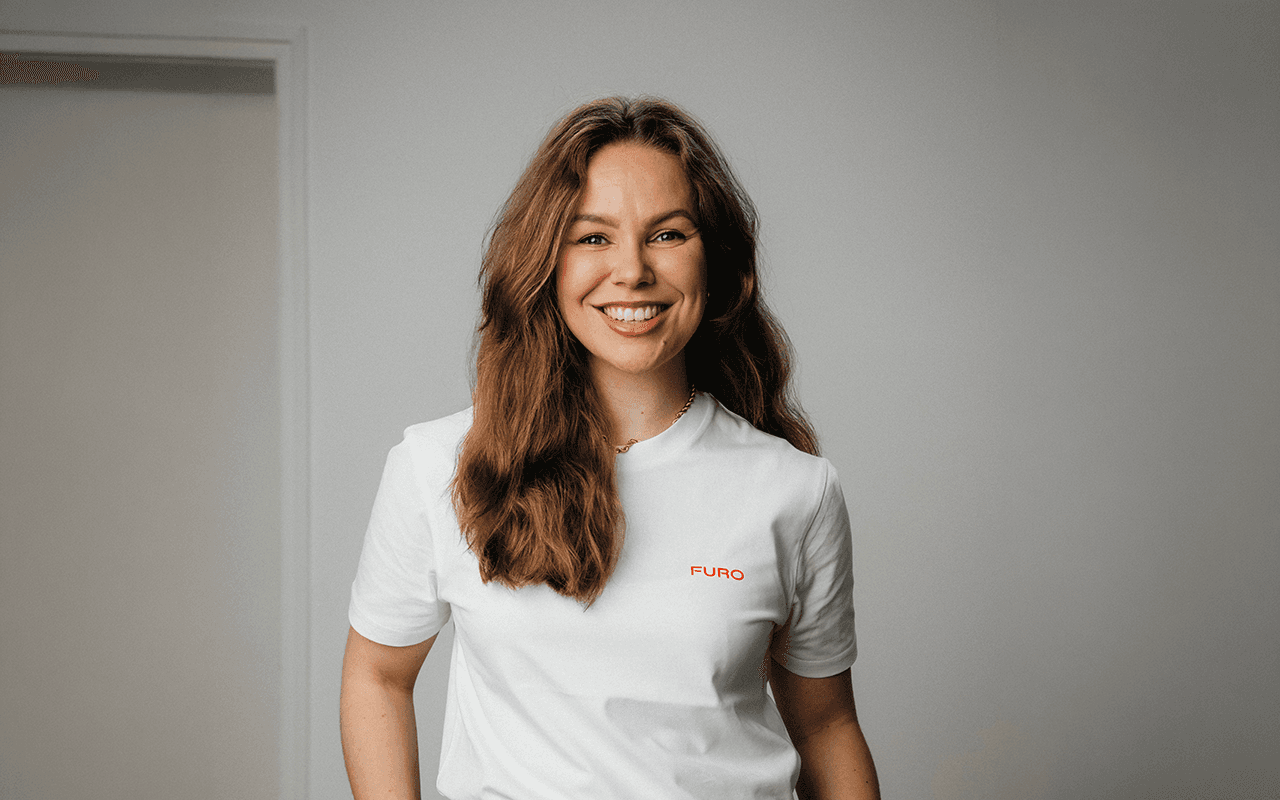
Sofie Morber, Co-Founder: Tildi is more than just a platform for high-quality and verified used products for children. Our focus is on providing comprehensive technology infrastructure that enables brands and retailers to develop circular business models and enter the resale market directly. From take-back through quality checks to resale – we provide the digital and logistics infrastructure to make entering the circular economy as simple and profitable as possible.
For brands and retailers, this means less effort, lower costs, and more control over the product lifecycle. With Tildi as a partner, brands and retailers can directly benefit from a growing market without having to build extensive infrastructure for take-back and resale themselves. Specifically, we offer three services: an interface to our marketplace, the Resale-as-a-Service solution, and a Trade-In solution for end customers.
Through our Trade-in service we offer families a straightforward way to return used products, which are then reused in the resale system. This circular approach is not only sustainable; it also saves parents time in their daily lives.
Comprehensive infrastructure for circular and sustainable commerce
Munich Startup: But that already exists!
Sofie Morber: Although secondhand platforms already exist, Tildi combines high-quality used products with comprehensive technology infrastructure that makes the entire resale process more efficient. We also understand that circular doesn’t work linearly and rely on a strong partner network. Our Trade-in and Resale-as-a-Service solutions enable brands and retailers to make their own products circular and sustainable. This sets us apart from other offerings and creates real added value for our partners and end customers.
Munich Startup: What’s your founding story?
Sofie Morber: Tildi arose on the one hand from our own “need” – our experiences as a mother and aunt – and on the other hand from our strong interest and commitment to recommerce and a desire to create something the market was still missing.
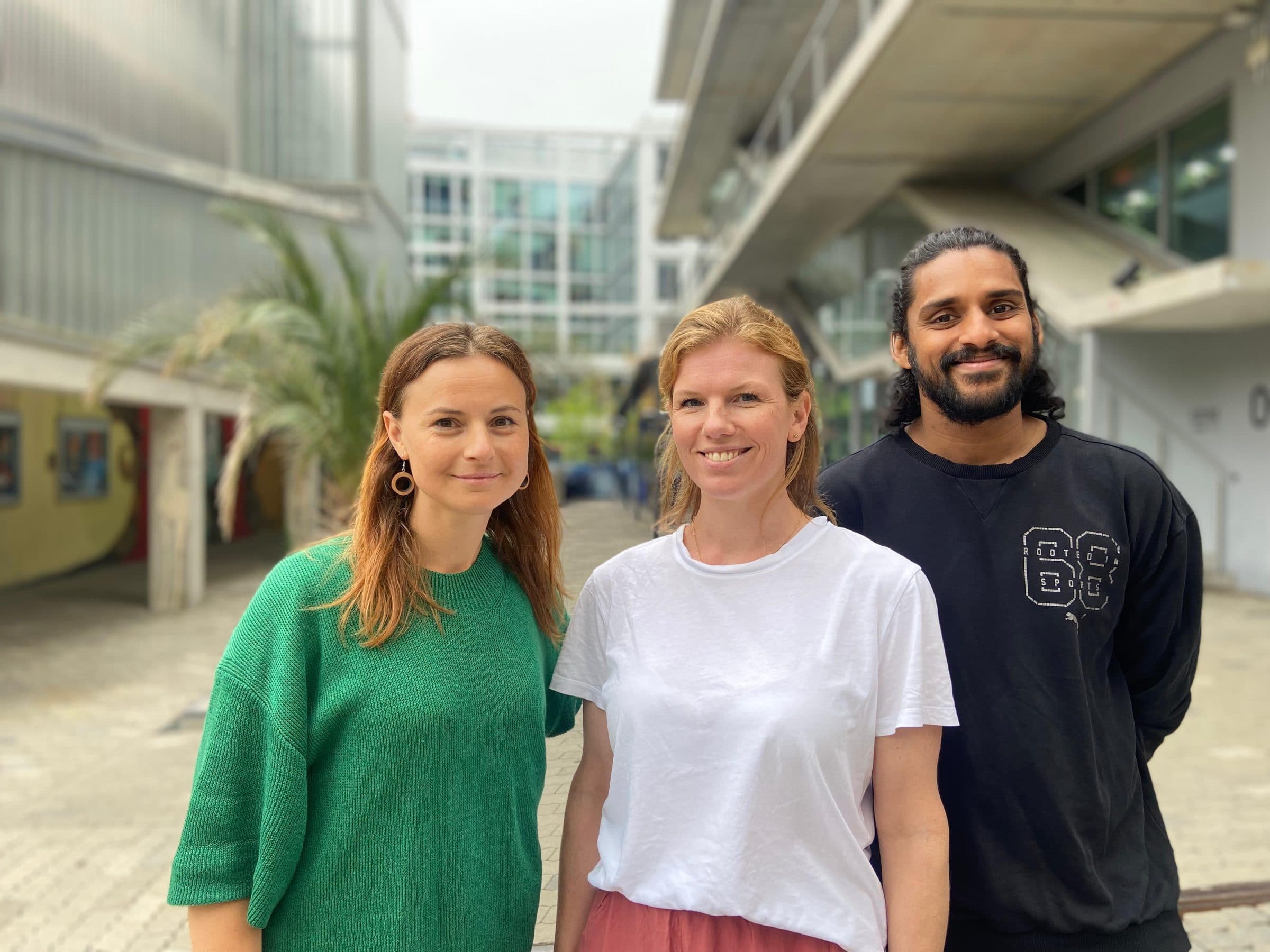
Before Tildi, Doris had a blog where she interviewed recommerce companies and gained many industry insights. Fun fact: We actually met through this blog and its Instagram presence. It quickly became clear that we wanted to work together on Tildi, as we complement each other very well with our different skills and backgrounds.
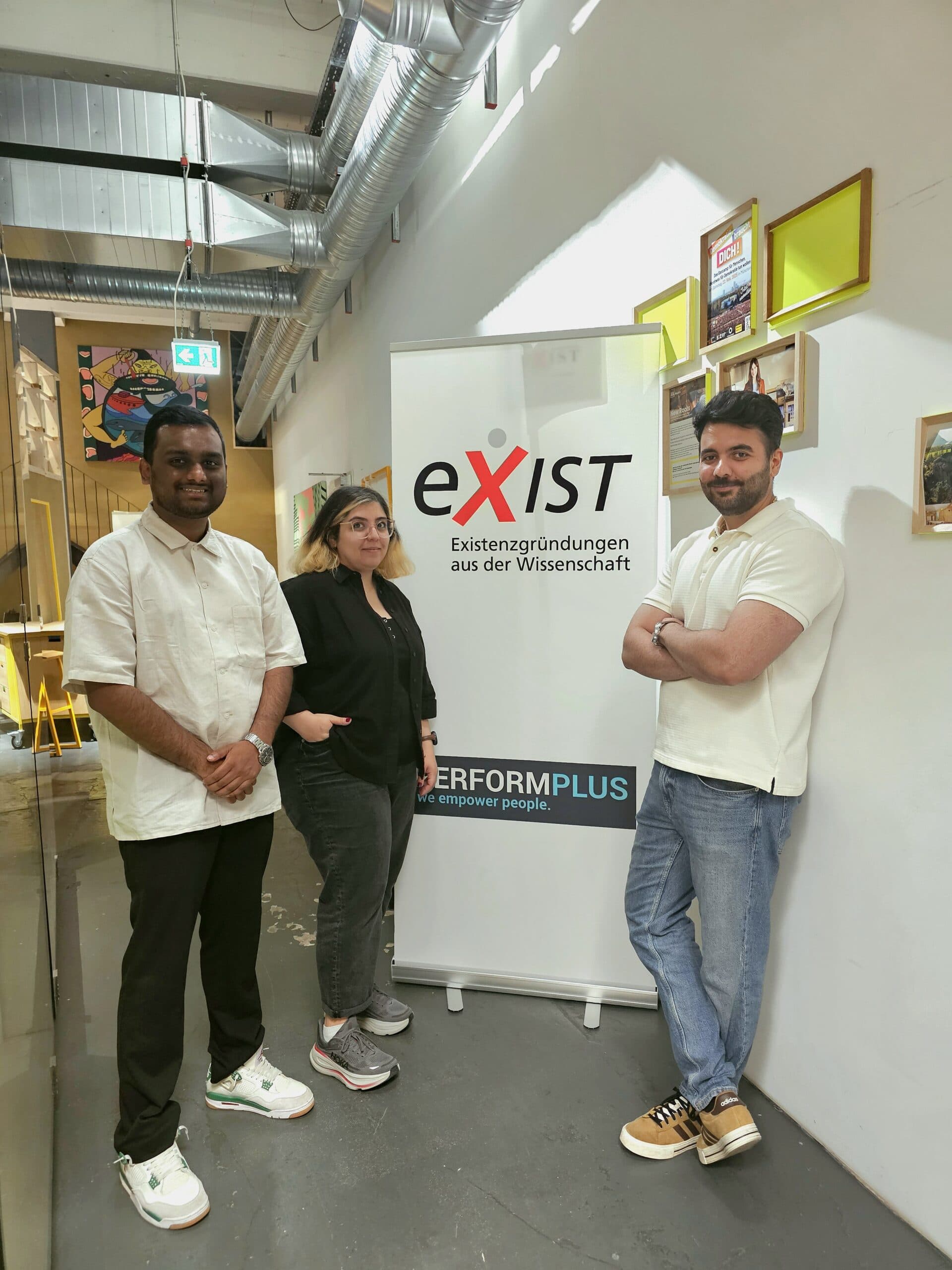
We’ve since brought Rohith on board as CTO to our founding team, as we understand Tildi primarily as a tech platform. Otherwise, recommerce can’t be thought of circularly enough.
Munich Startup: What have been your biggest challenges so far?
As a marketplace, we need a trustee or a BaFin license. We had to be quite persistent and patient to find an uncomplicated solution for our customers and ourselves.
And visibility is also a challenge given current marketing prices, for example what influencers are currently asking.
Tildi wants to become a technology leader for sustainable consumption
Munich Startup: Where do you want to be in one year, where in five years?
Sofie Morber: Over the next twelve months, we want to significantly expand the use of our Resale-as-a-Service solutions through additional strong partners and make Trade-In and the platform more well-known among end customers.
In five years, we want to establish Tildi as a leading platform for circular commerce in children’s products and as a technology leader for sustainable consumption – for families as well as for brands and retailers – not just in Germany.
Munich Startup: How have you experienced Munich as a startup location so far?
Sofie Morber: Munich offers us not only a strong community of sustainability-conscious parents, but also an established technology landscape. Tildi is part of the Werk1 startup network in the Werksviertel. Here we encounter an inspiring community and valuable support.
We also receive support through Social-Startup-Hub Bayern and are pleased that circular economy (reuse and not just recycling) is increasingly being discussed in Munich, for example through the “Circular Economy Startup Landscape” by Circular Republic.
Munich Startup: Outsource or do it yourself?
Sofie Morber: We pursue a strategic combination: the development of our software and all processes related to quality assurance and customer service remain in-house, as they form the core of our circular business model. For special technical requirements, additional support with software development, and infrastructure such as warehouses, we rely on external partners to remain flexible and efficient.