The week in Munich’s ecosystem. A lot has happened: Quantum Systems secures a record sum, the MTZ explains its vision for the future, and at Pitch & People a founder speaks openly about insolvency and a meeting with Jan Marsalek. Check out our photo gallery.
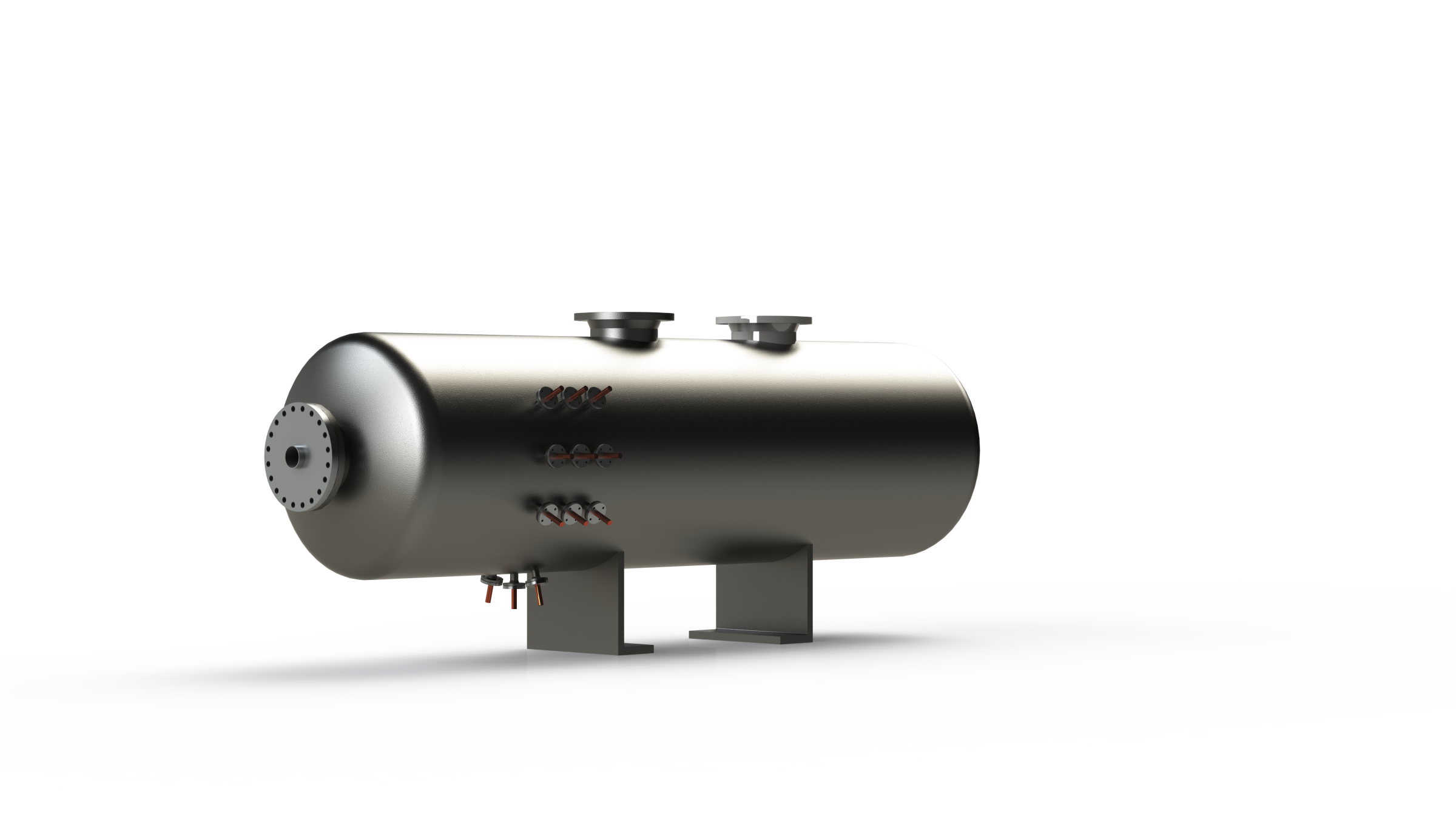
n7 questions to Sypox: Sypox electrifies high-temperature processes like steam reforming – previously a fossil CO2 driver. The compact reactor reaches over 900 degrees, saves methane, reduces emissions, and makes biogas plants more flexible and profitable. A Munich spin-off that grows organically without investors and wants to decarbonize industries. Here is the interview (Photo: SYPOX)n
nnnn
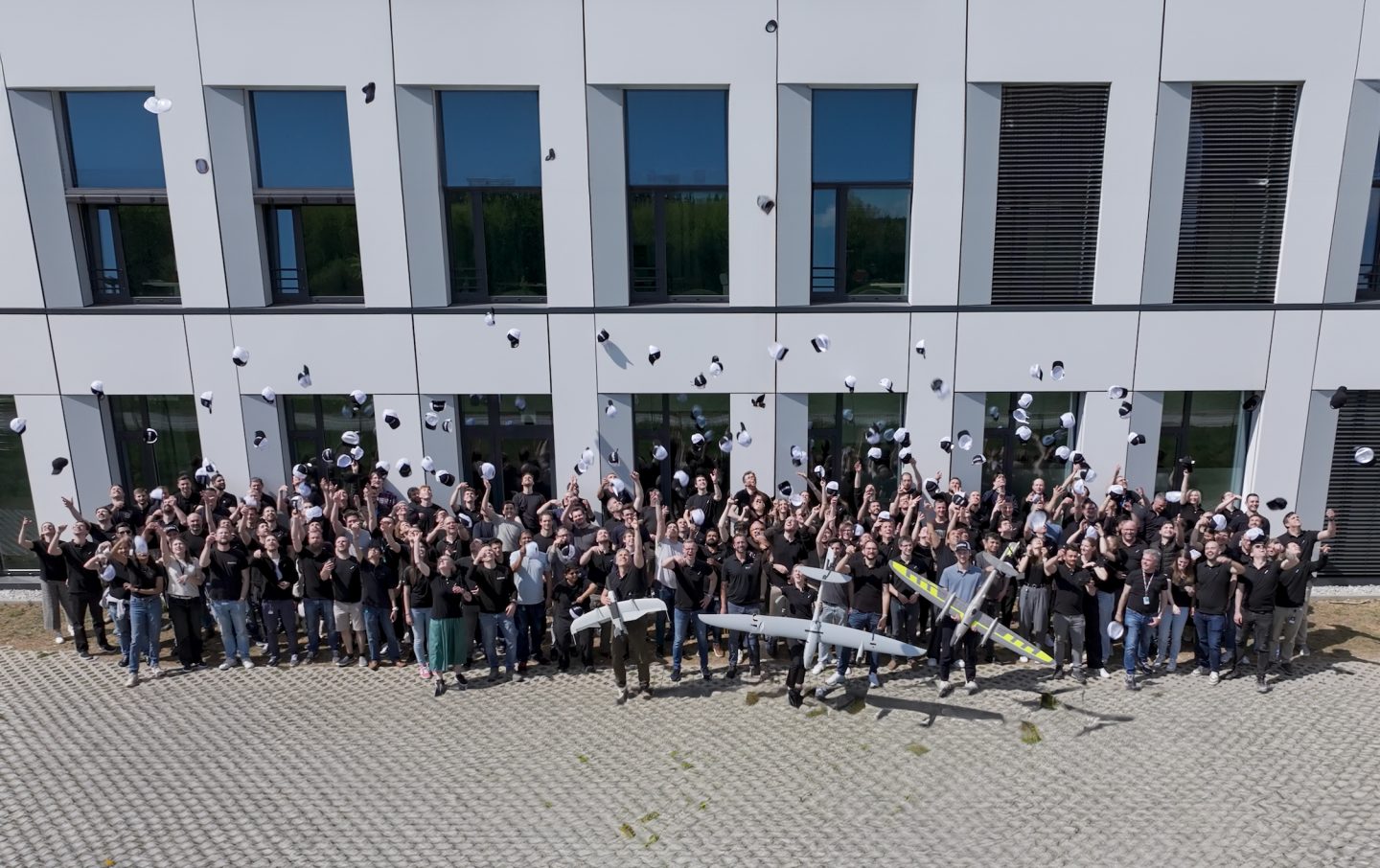
nRecord financing: Quantum Systems significantly increases its valuation and receives a total of 340 million euros in 2025 – Europe’s largest dual-use financing to date. The Munich-based company plans further growth, technology expansion, and strategic acquisitions with these funds. (Photo: Quantum Systems)n
nnnn
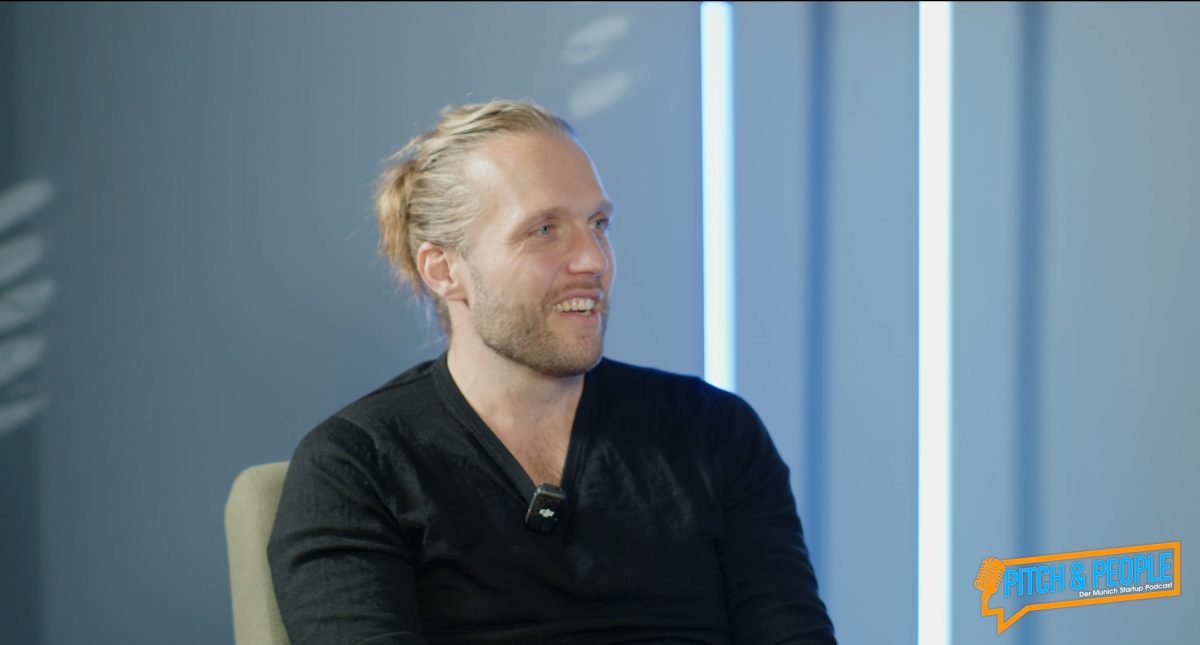
nInsolvency and Jan Marsalek: InstaFreight was considered one of the most promising logistics startups – until a collapsed term sheet and collapsing market initiated the crash in 2023. In the video podcast Pitch & People, founder Maximilian Schäfer speaks openly as rarely before about the insolvency and tears on his birthday. He also tells of an encounter with Jan Marsalek that today casts a shadow over that time. An honest conversation about pressure, responsibility, and the courage to make a fresh start.n
nnnn
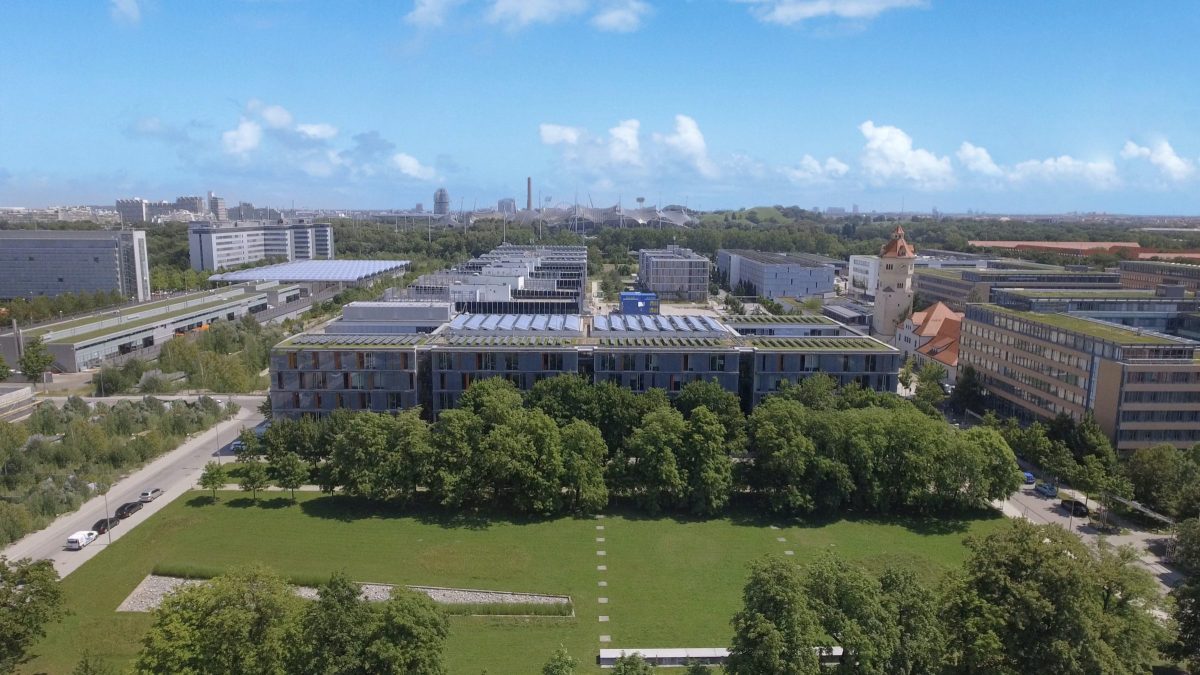
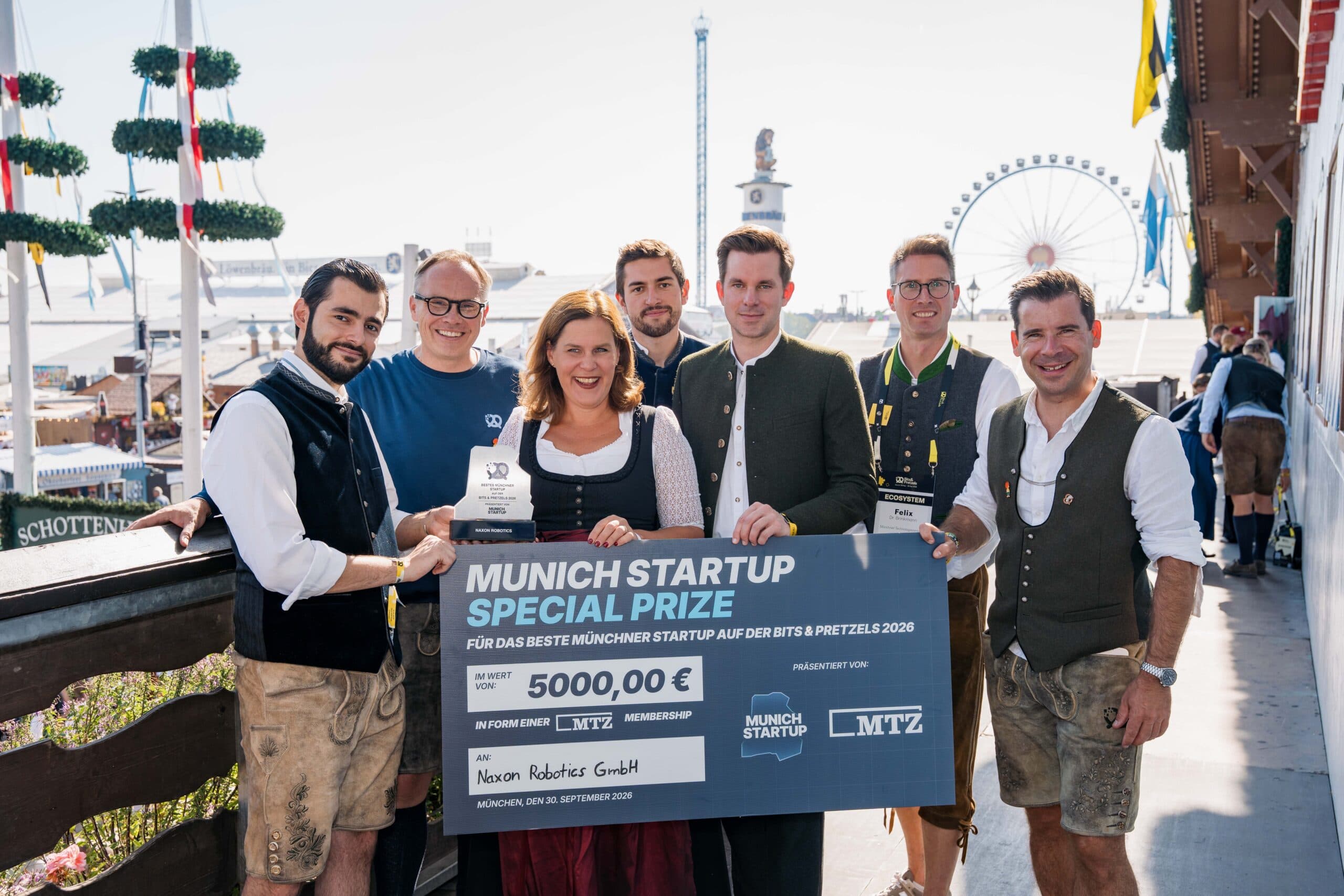
nMTZ on growth trajectory – from technology center to scaleup hub: How has the Munich Technology Center (MTZ) strategically renewed itself in recent years and why is infrastructure for scaleups playing an increasingly important role? Felix Brinkmann, head of MTZ, and Arno Eggers, head of Munich Startup, discuss new services, a growing ecosystem, success stories, and the vision behind “MTZ 2”. A look into the future of Munich’s innovation hub. (Photo: MTZ)n
nnnn
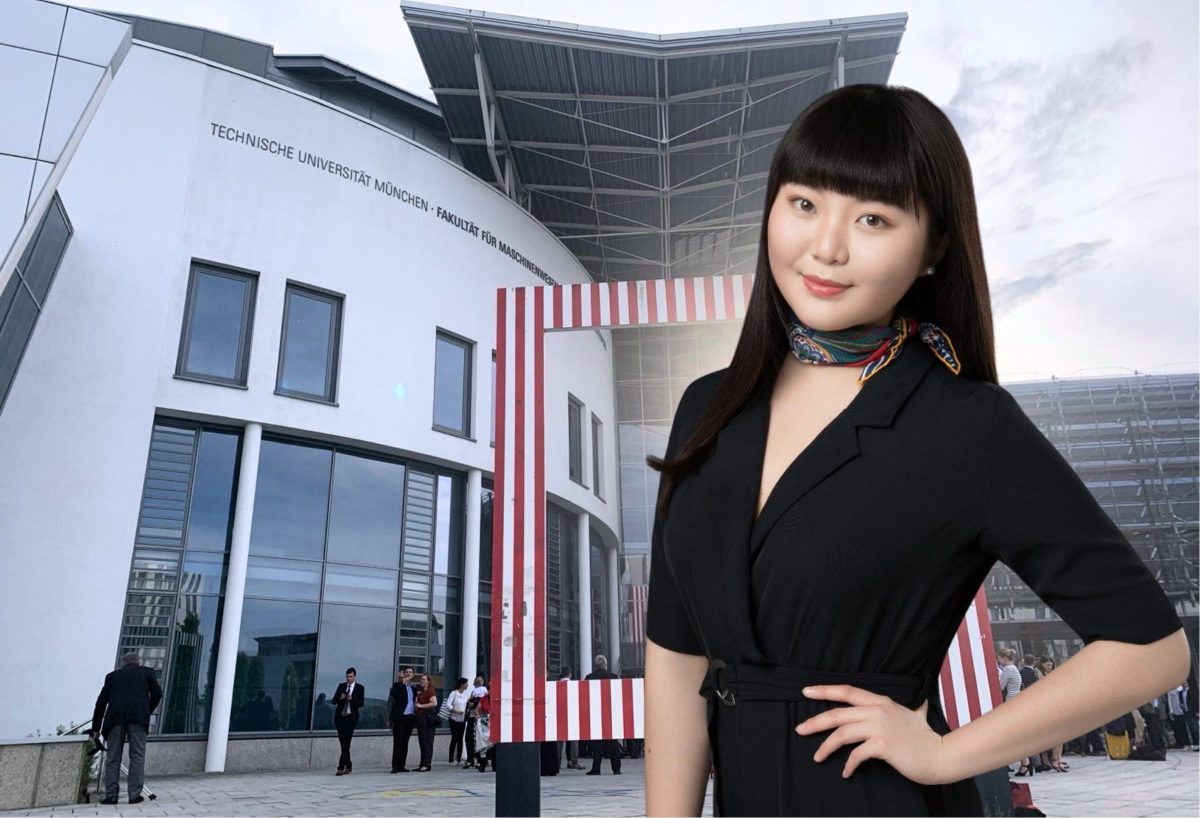
nBallgaze interview:The Munich startup Ballgaze helps companies identify technical missteps early, before risks, complexity, and technical debt explode. Emerging from TUM research, the deeptech startup shows where systems break down before they do, and how teams measurably increase quality and efficiency. Founder Fandi Hartl systematically analyzed “technical debt” – the future costs and extra effort that result from fast but poor-quality development decisions – and turned her insights into a business model. (Photo: Ballgaze)n
n
nnnnn
More like this
Related Articles to Read Next
Ecosystem
German Startup Monitor 2026: More Capital, More Unicorns, More AI
01.10.26
3 Min.
Ecosystem
Naxon Robotics Wins Munich Startup Special Prize
30.09.26
2 Min.
Ecosystem
Munich Startup Recap 39/26
27.09.26
2 Min.
Ecosystem
European Founder Report: Europe’s Startup Boom Has a Funding Problem
25.09.26
4 Min.
Ecosystem
17 Munich Institutions Found Women Entrepreneurs Alliance
25.09.26
3 Min.
Ecosystem
Bits & Pretzels 2026: The Most Exciting Side Events
23.09.26
3 Min.
Ecosystem
Aftermovie: That Was the Munich Startup Festival 2026
23.09.26
Ecosystem
Munich Startup Recap 38/26
20.09.26
2 Min.
Ecosystem
Impact Needs Growth: The SFT Festival Brings the Impact Scene Together
16.09.26
2 Min.
Ecosystem
Proxima Fusion Wins German Founder Award 2026
15.09.26
4 Min.
Ecosystem
Munich Startup Recap 37/26
13.09.26
3 Min.
Ecosystem
First Into the Ocean, Now Into Space: Isar Aerospace Achieves a Breakthrough