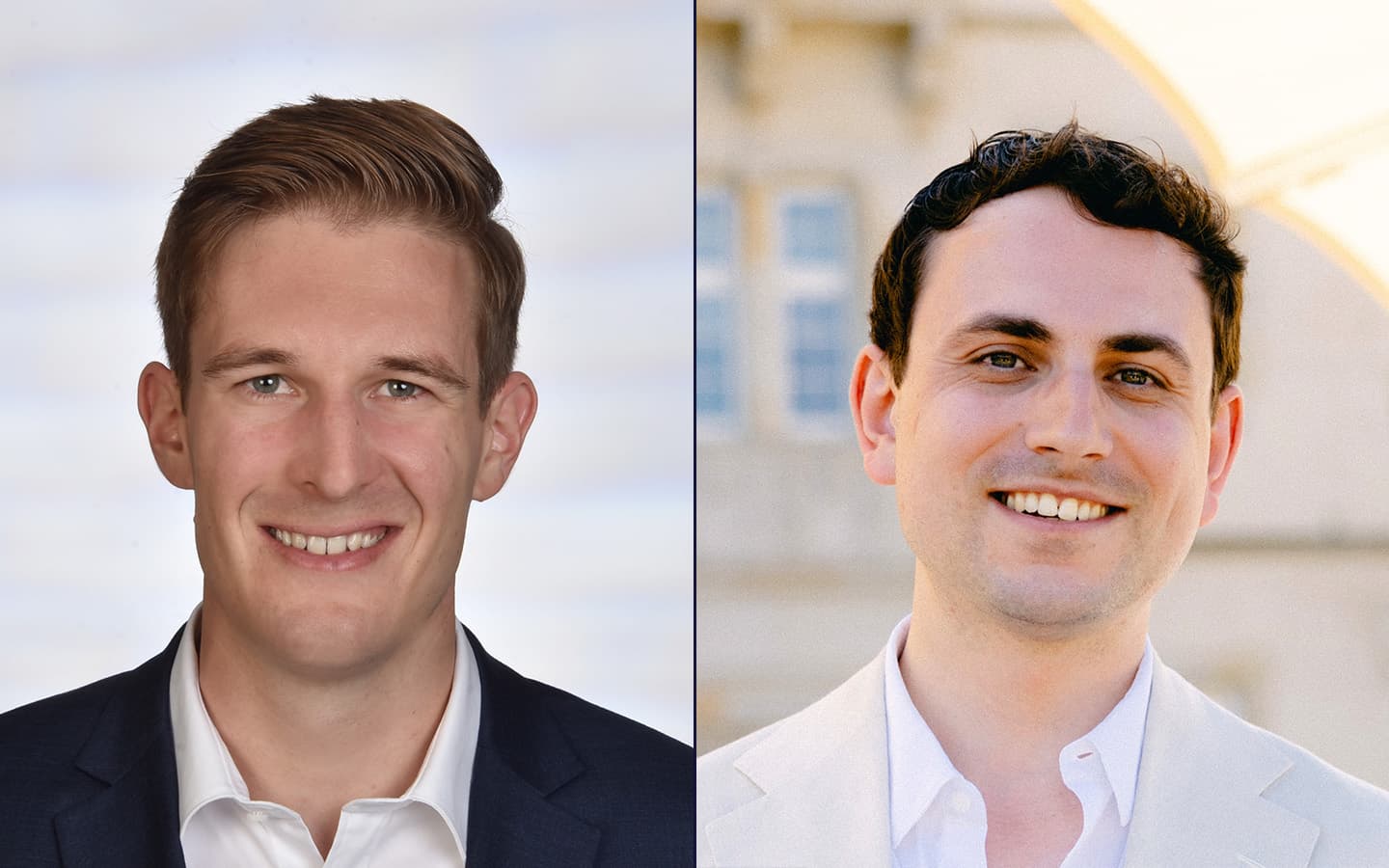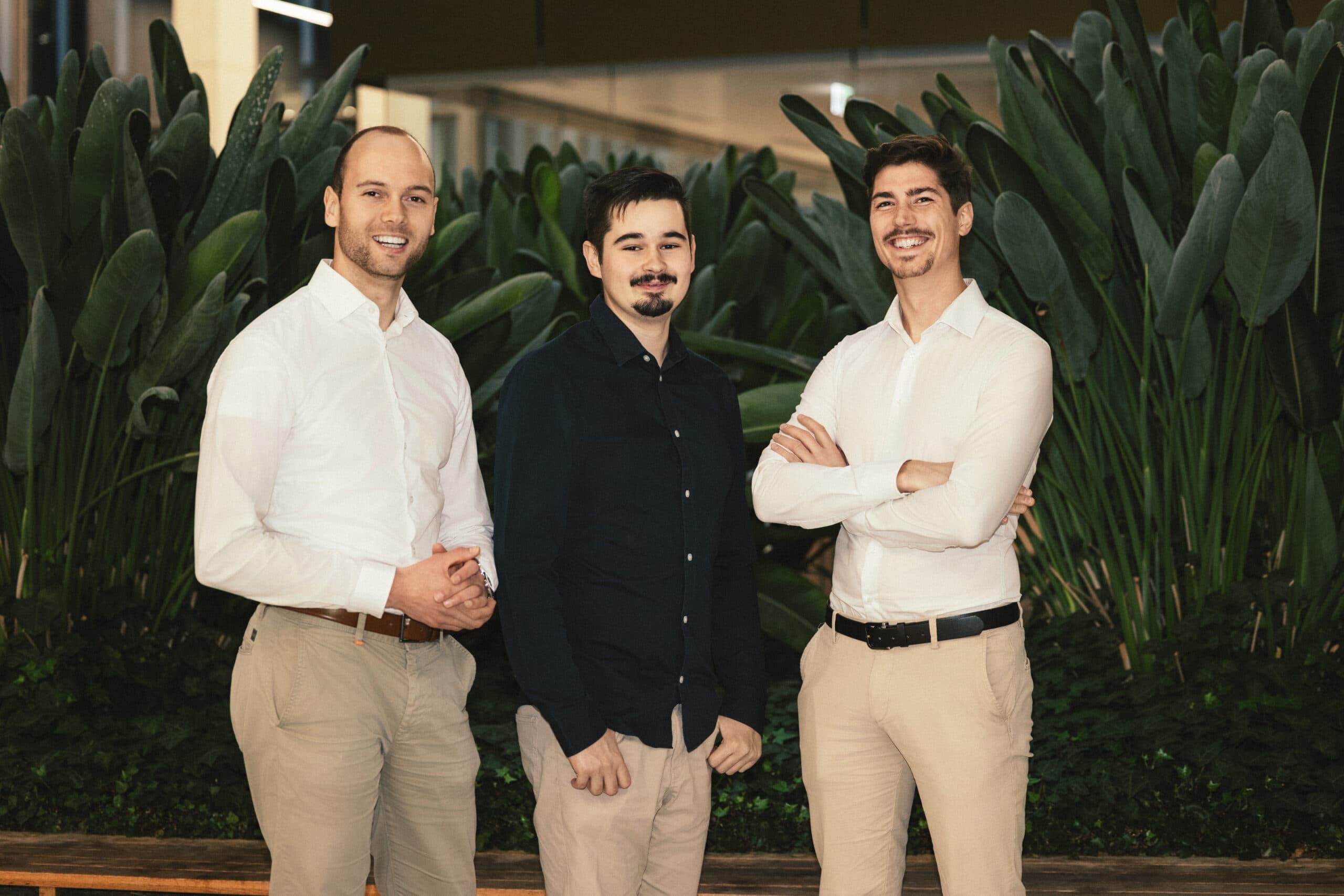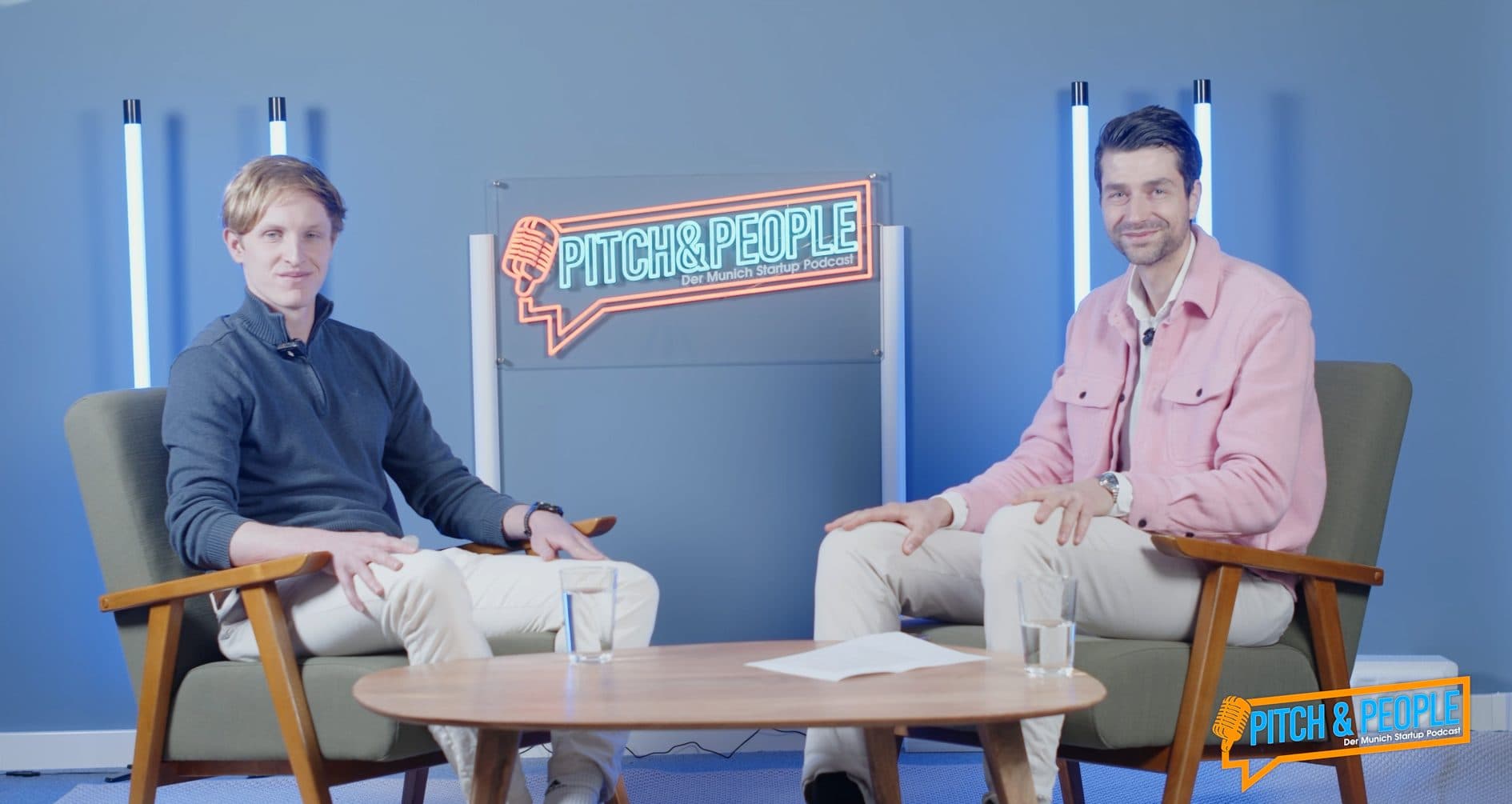

Being reachable by phone, coordinating appointments, transmitting lab results – for many doctor’s offices this is daily routine. This is exactly where Sinalis comes in. The Munich early-stage startup is developing an AI that automates patient communication, especially over the phone. In the videocast Pitch & People, co-founder Paul Sachse explains how a hackathon idea became a healthtech startup that wants to save practices time.
“We take over communication with patients on the phone. The AI accompanies patients along their entire journey: from first contact through appointment preparation to follow-up care. Calls are filtered, relevant information is collected in advance, and routine calls, such as transmitting lab values, are automated. The goal is to significantly relieve medical staff and better prepare doctors for their short appointments.”
Born from a hackathon – without healthcare background
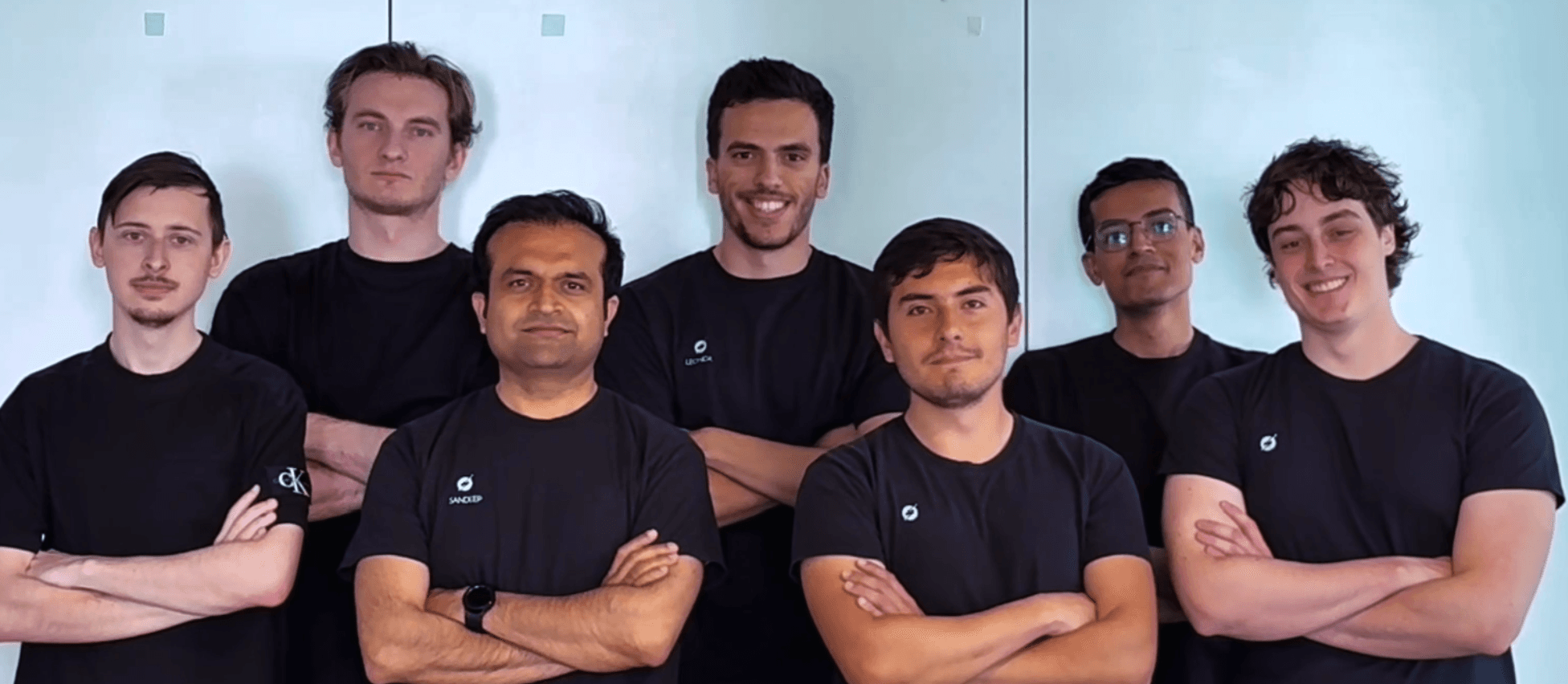
Sinalis was founded following a hackathon by TUM.ai, the student AI umbrella organization of the Technical University of Munich. Team members got to know each other quickly via Discord, met in person for the first time on the day of the hackathon, and decided after intensive discussions to focus on the healthcare sector. None of the founders originally came from the healthcare field. The deciding factor was the desire to develop a product with real impact. First user interviews with doctors followed that same evening.
Multilingual, natural, (almost) human
A central unique selling point of the Sinalis AI is its linguistic diversity. It communicates in over 70 languages, including Turkish, Arabic, Ukrainian, and Russian – an important point for practices that regularly face language barriers. According to interviews with doctors, this affects around ten percent of patients. Feedback from initial tests: surprisingly positive. Some patients didn’t even notice they were talking to an AI, while others curiously asked about the voice’s origin.
Technically, the system is based on a combination of different language models for speech-to-text and text-to-speech. However, the real strength lies in fine-tuning: tone, response length, and empathy can be adjusted. Because while some patients prefer brief communication, others want more empathy. The team is currently experimenting intensively with this.
Between data protection and practice reality
Sinalis is still in the pilot phase. Alongside product development, the team is working on data protection and regulatory questions – a “jungle”, as Sachse describes it. All services used must run on EU servers, and it must be clearly defined when a product qualifies as a medical device. For now, Sinalis is deliberately focusing on organizational processes and refraining from medical recommendations.
A clear goal: more time for patients
Long-term, Sinalis wants to do much more than just automate phone calls. The vision: a central communication interface for doctor’s offices and later hospitals too. Applications in telemedicine or the integration of external devices are conceivable. In the short term, however, it’s about a very concrete problem: lack of time. Medical staff have on average only a few minutes per patient – too little for comprehensive treatment. Better preparation and follow-up care should change that.
The startup has been financed so far from the 10,000 euro prize money from the TUM.ai hackathon. Currently, Sachse and his colleagues are applying for funding programs and preparing for investor pitches. But regardless of financing, one thing is clear for Sachse: personal motivation is the impact.
“When I think of my grandmother, I realize how little care she receives in the medical system.”
This is exactly where Sinalis wants to step in – with technology that works in the background so that people in the foreground have more time for each other again.