
Munich Startup: What motivated you to start the company?
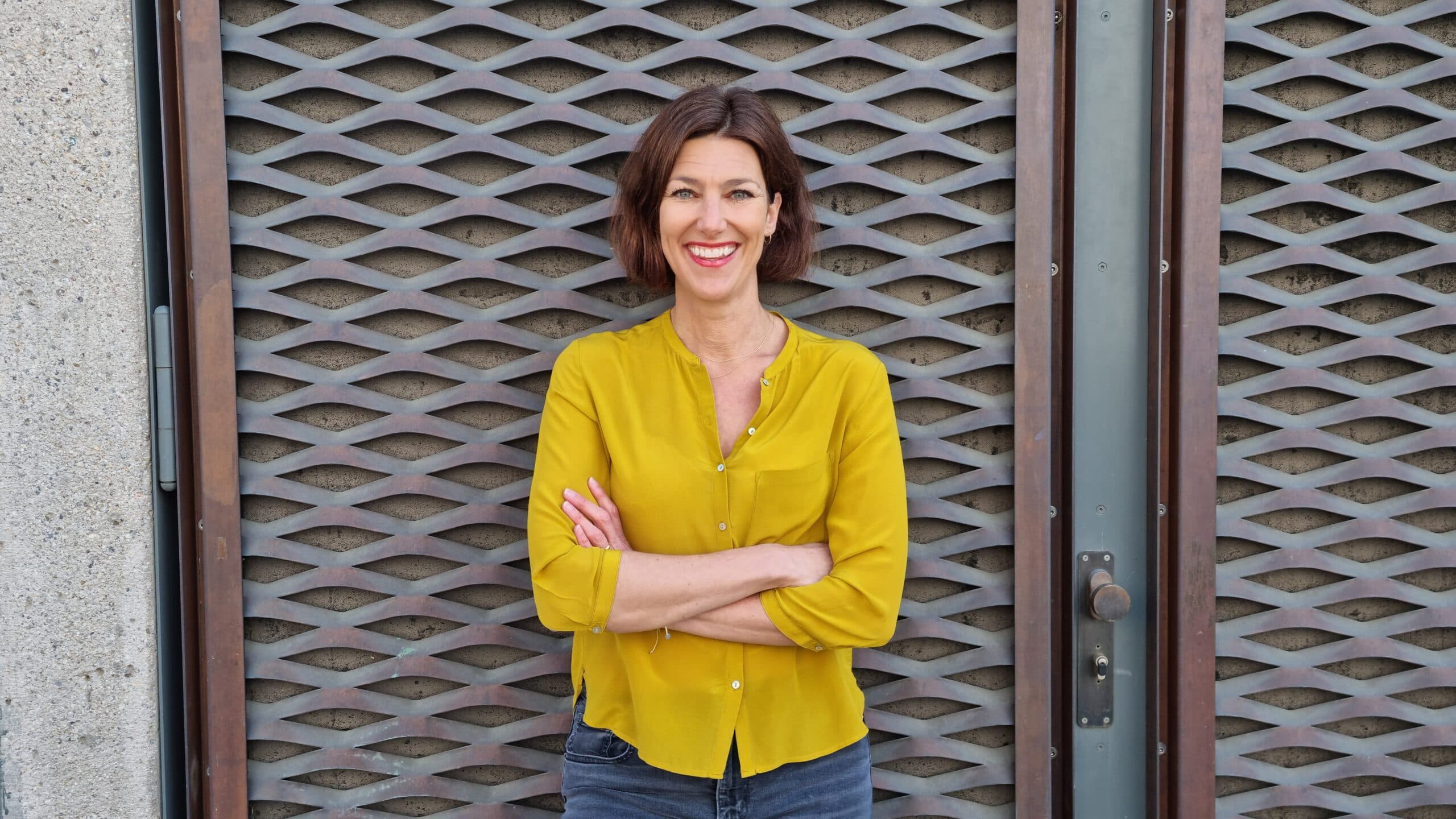
Doris Diebold: In 2019, I really wanted to create a positive impact with my work. As a mother of two, I ordered a lot online and was annoyed every time that packaging, which was actually high quality, ended up in the trash after a single delivery route. There simply was no sustainable shipping solution. From my 14 years in the corporate world, I knew how much economic viability ultimately drives such decisions. I wanted to leverage precisely that to show that reusable shipping packaging works both ecologically and economically. So I left my secure job and founded Hey Circle.
Munich Startup: What do you wish you had known before starting your first company?
Doris Diebold: How long it takes to change established logistics and retail processes. Markets that have been optimized for single-use packaging for decades don’t turn around overnight. And that as a founder, you don’t have to be an expert in everything. In the beginning, I thought I had to have every answer ready. Today I know: It’s much more important to ask the right questions and get honest feedback from people who know the market.
Munich Startup: How has your company been financed so far?
Doris Diebold: In the early days, we managed a lot under our own steam and through initial revenue. At the end of 2023, we closed a €1.5 million seed round and increased it to €2.2 million in 2024 with business angels and impact-oriented investors who align with our vision. On top of that, our growing customer business is sustaining us step by step.
Ideas strike on the move or in conversation
Munich Startup: When and where do you get your best ideas?
Doris Diebold: Rarely at my desk. My best thoughts come to me on the move—working out in the morning and out in the fresh air—and in direct conversation: with our customers, when I see where the real pain points lie in their daily shipping operations, and in exchanges with the team.
Munich Startup: What are your top 3 work tools?
Doris Diebold: Our CRM for everything customer- and sales-related (Pipedrive), AI tools to quickly answer questions and build calculation models, and actually simply pen and paper to sort out my thoughts.
Munich Startup: Your top tip when it comes to pitching?
Doris Diebold: Know your numbers and be honest and authentic. A pitch convinces through a clear problem, a credible solution, and solid numbers. Share your vision and get people excited about it, but back it up with real proof.
“Innovation is needed at all times”
Munich Startup: Does right now seem like a good time to start a company to you? Why?
Doris Diebold: Yes, because innovation is needed at all times. In the circular economy and sustainability space, the EU Packaging and Packaging Waste Regulation (PPWR) is turning a “nice to have” into a necessity: binding reusable packaging targets will take effect starting in 2030, and the pressure on single-use items is mounting. Anyone building workable solutions right now is tapping into an opening market. I actually see the fact that capital is more selective than a few years ago as an advantage: it forces focus and profitability, and that builds healthier companies.
Munich Startup: Which technology or industry would you bet on for your next startup?
Doris Diebold: I’m biased here: circular economy. I find everything that closes loops using data particularly exciting: digital product passports, track-and-trace for reusable items, smart reverse logistics. I would probably focus again on the intersection of sustainability, logistics, and digitalization.
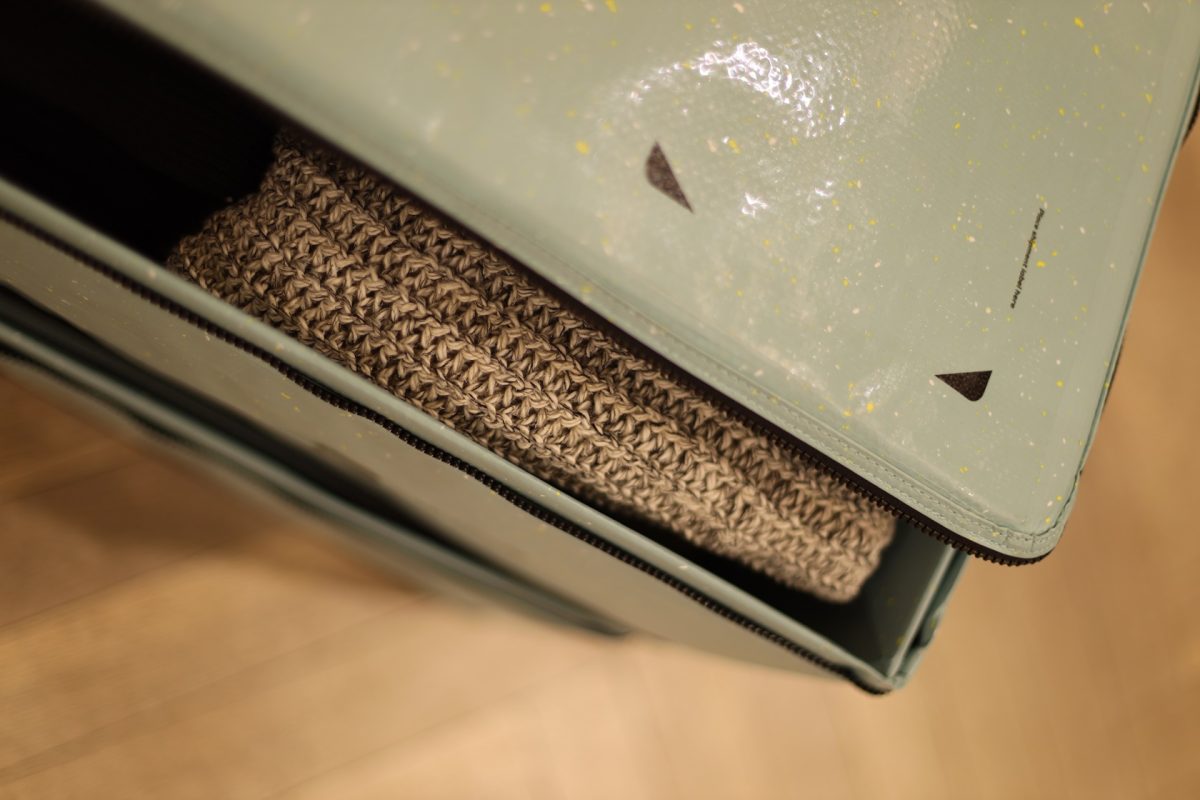
Hey Circle develops reusable shipping boxes and bags for e-commerce and B2B shipping.
On average, the reusable packaging replaces around 50 single-use cardboard boxes and, according to the company, cuts waste by up to 94 percent and CO2 by 76 percent. After use, they can be returned and reintegrated into the shipping cycle.
Guided by the motto “choose reuse”, the startup founded in 2021 aims to establish reusable packaging as an economical alternative to single-use packaging.
Munich Startup: In your view, what could still be improved in Munich as a startup hub?
Doris Diebold: Munich has strong networks, plenty of talent, and good investors, but the location is expensive—both for office space and cost of living. More affordable space for young teams, faster and less bureaucratic funding processes, and even closer bridges between major industrial and retail corporations and the startup scene would help tremendously.
Munich Startup: Which founder would you love to meet in person? And what would you ask them?
Doris Diebold: I would love to meet someone who has consistently turned sustainability into a business model, for example Yvon Chouinard, the founder of Patagonia. My question would be: Over decades, how do you balance genuine environmental commitment with commercial growth without one devouring the other?