
Munich Startup: What motivated you to start a company?
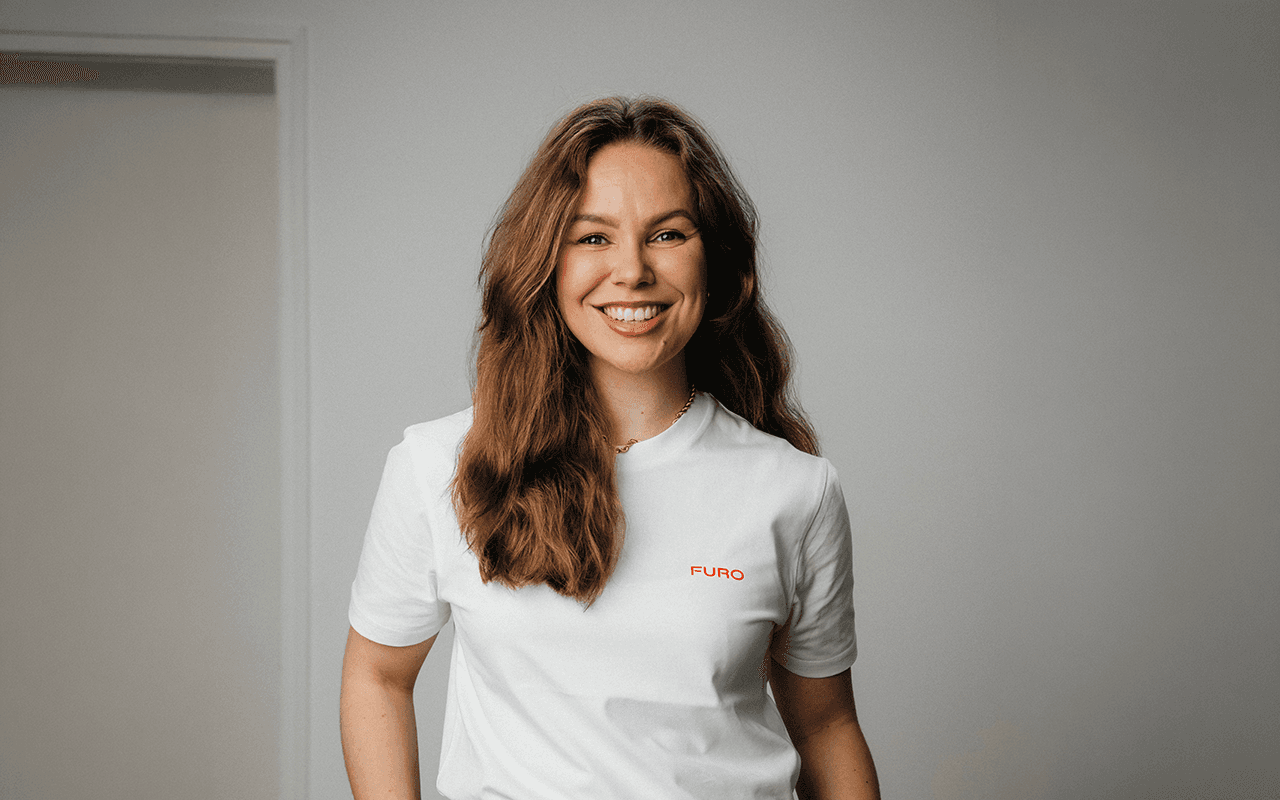
Leonie Wagner: My background is in physics, and through robotics and machine learning, I ended up working on forecasting models. At Stanford, I conducted research on NeuralProphet, focusing on time series forecasting and making those predictions explainable. Today, that is precisely the core of our product, because battery storage is only as good as the electricity price, load, and weather forecasts it operates on. After Stanford, I very deliberately returned to Munich because energy is the more pressing issue in Europe: high prices, extreme volatility, and an industry under pressure. And then we saw companies purchasing storage systems without knowing afterwards whether the investment would pay off. Planning is done in Excel, operations follow rigid rules, and power is not marketed at all. The problem was so tangible and immense that it was no longer a question of whether someone would solve it, but who.
Munich Startup: What do you wish you had known before founding your first startup?
Leonie Wagner: How many people support you along such a journey. You constantly need something: an intro to someone, advice on how to implement something in practice, a good word in the right place. And almost always, someone simply steps up to help. Old friends, new faces, people you only met two weeks ago. Experiencing so many people invest their trust and time is the best part of founding a company. What I’ve learned: just ask. Most people say yes.
Munich Startup: How has your company been financed so far?
Leonie Wagner: We started with the Exist startup grant through TU München and had paying customers from the very beginning—now over a hundred. In October 2025, the first funding round followed after we completed the Neo accelerator in San Francisco.
“Feedback is a gift”
Munich Startup: When and where do you get your best ideas?
Leonie Wagner: Almost never at my desk. Usually on the tennis court, while swimming in the water, or on my bike ride to the office. And the best product ideas don’t come from internal workshops anyway, but from customer conversations. Feedback is a gift, and it’s the greatest gift when it comes from customers.
Munich Startup: What are your 3 favorite work tools?
Leonie Wagner: Claude, Codex, and Superset in that exact combination of three, because it lets us get things done in minutes that would otherwise have taken us days, while also giving us a good overview of all agents.
Munich Startup: What is your top pitching tip?
Leonie Wagner: The first sentence is absolutely crucial. Just memorize that one—and only that one. No matter how nervous you are or what the audience is like, that first impression will land. The second sentence is the second most important: in the first 30 seconds, the problem needs to be clear enough for someone who has never had anything to do with battery storage to understand.
Munich Startup: Does right now feel like a good time to start a company? Why?
Leonie Wagner: For energy, definitely. Electricity prices are high and volatile, storage expansion is growing massively, and regulations are just opening up for smaller systems. At the same time, with AI tools, a team of five can build today what would have taken twenty people three years ago.
Munich Startup: Which technology or industry would you bet on for your next startup?
Leonie Wagner: Once again, where software meets physical infrastructure: the grid, heating, industrial processes. These areas are considered slow and highly regulated, and that’s precisely why they’re interesting, because the competitive edge there is defensible. Pure software layers without hardware integration are copied in just a few weeks these days.
More non-competitive events
Munich Startup: In your view, what could still be improved in Munich as a startup hub?
Leonie Wagner: More formats for genuinely technical people, and without any competitive pressure. There are plenty of hackathons and pitch events, but few places where you simply get together to talk tech without having to win something by the end of the evening. That’s exactly why we organized Demo Night together with Marble Cognition in August: anyone who had built something could show it, but didn’t have to. No jury, no prize, no polished pitch—just bugs. Evenings like that spark conversations that later lead to hires, collaborations, and great ideas. Munich could definitely use a lot more of that.
Munich Startup: Which founder would you love to meet in person? And what would you ask them?
Leonie Wagner: So far, almost all my role models have come from my own circle: friends who founded companies before me, former managers, people I work with every day. But if I could pick anyone to have coffee with, it would be Mira Murati. What I find impressive is not so much the technology as the role itself: as CTO of OpenAI, she helped build one of the world’s best-known tech companies in an executive team that consisted almost entirely of men. I would ask her how she found her own leadership style in such an environment and which decisions were the decisive ones in her career.