
PITCH & PEOPLE Folge 18: InPlanet - Exklusiv nur als Podcastfolge verfügbar
What if climate protection doesn’t mean sacrifice, but growth? What if CO2 removal doesn’t happen in a laboratory, but on vast fields in the middle of Brazil? Felix Harteneck, founder and CEO of Inplanet, pursues exactly this approach. In the Pitch & People video podcast, he talks about a technology that is as old as the Earth itself and yet has the potential to address one of the greatest challenges of our time.


When Felix Harteneck, later co-founder of Inplanet, wanted to offset CO2 emissions for his previous company, he realized there was no scalable, safe, and permanently effective way to remove unavoidable emissions from the atmosphere. At the same time, it was clear: prevention alone won’t be enough. In our Pitch & People video podcast, Harteneck explains:
“We will have millions of companies that will have excess CO2, even with the greatest effort. One solution for this is enhanced rock weathering, accelerated rock weathering.”
A natural process – radically accelerated
Rock weathering is the Earth’s largest natural CO2 storage process. Rainwater absorbs CO2, reacts with minerals in rock, the CO2 is chemically bound and ultimately stored permanently via soils, rivers, and oceans – for hundreds of thousands of years. The problem: in nature, this process takes millennia.
Inplanet has shortened it to under two years. To do this, finely ground rock is spread on agricultural land. The result: CO2 is quickly and measurably removed from the air while creating a fertilizer substitute.
Why Brazil is the key
The fact that Inplanet is now strongly active in Brazil has clear reasons. The soils there are severely mineral-poor – ideal for accelerated weathering. Add to that climate and agriculture: lots of rain, vast areas, high openness to new methods. Harteneck adds:
“The process runs about 20 times faster in Brazil than in Europe, for example. By now we’re managing over 15,000 hectares of agricultural land – with measurable effects.”
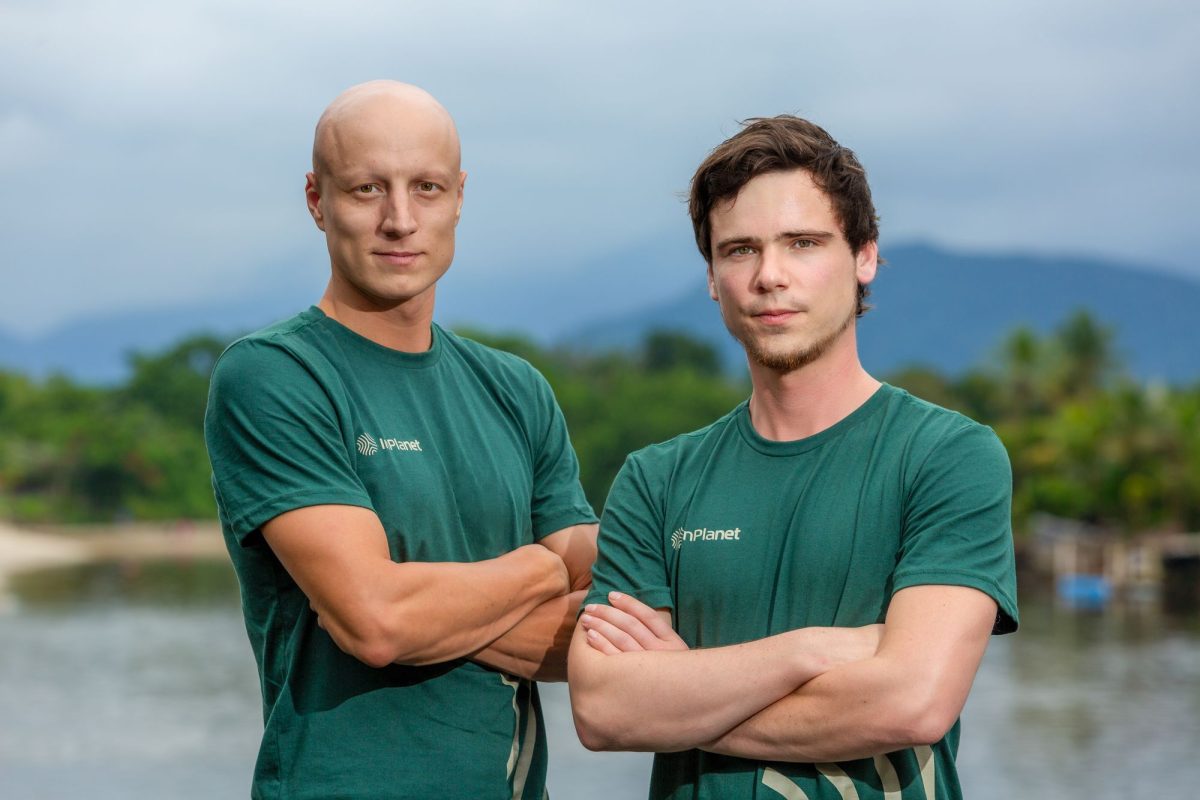
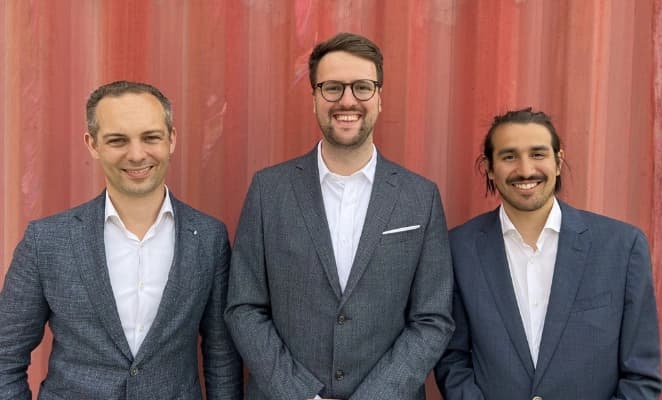
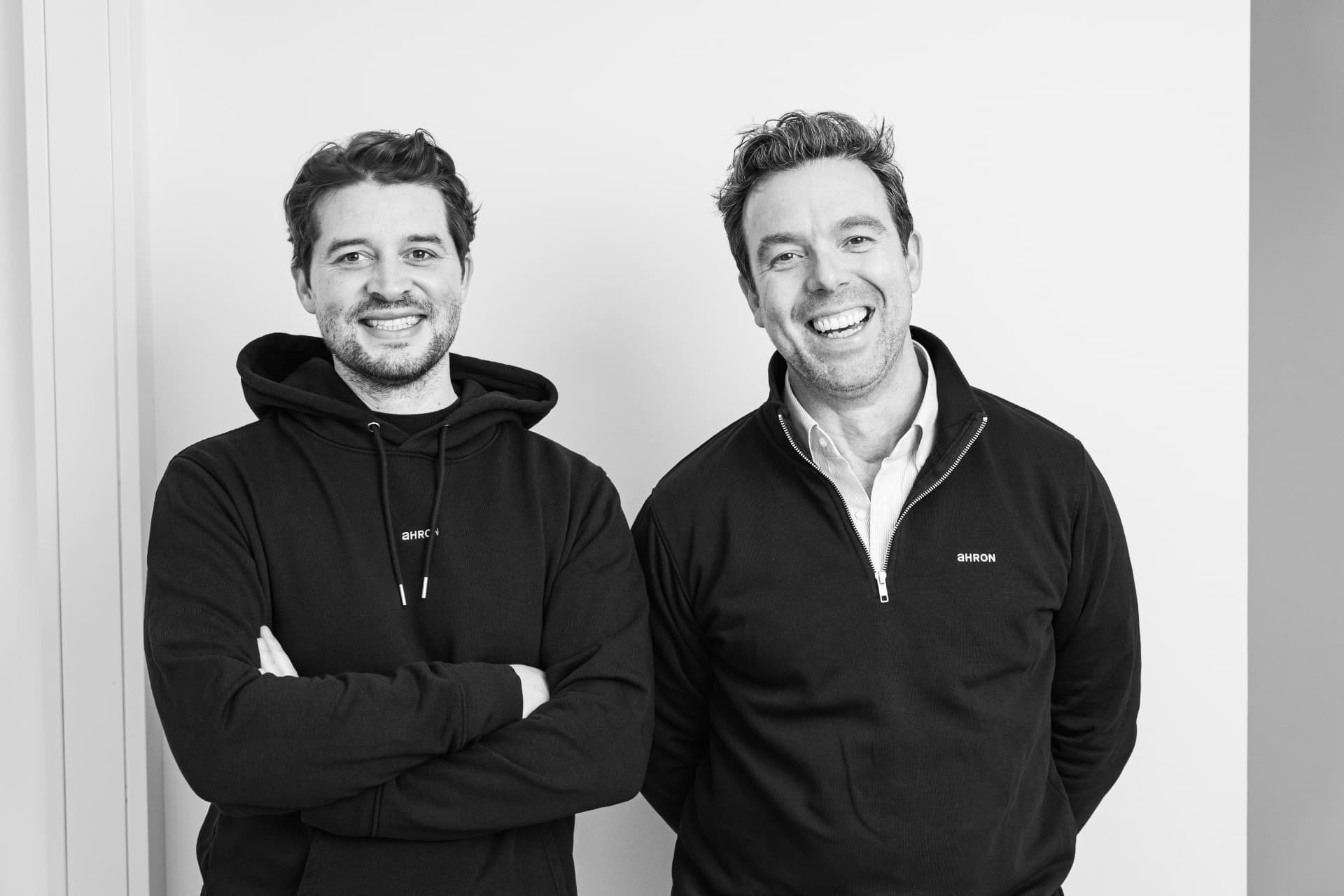
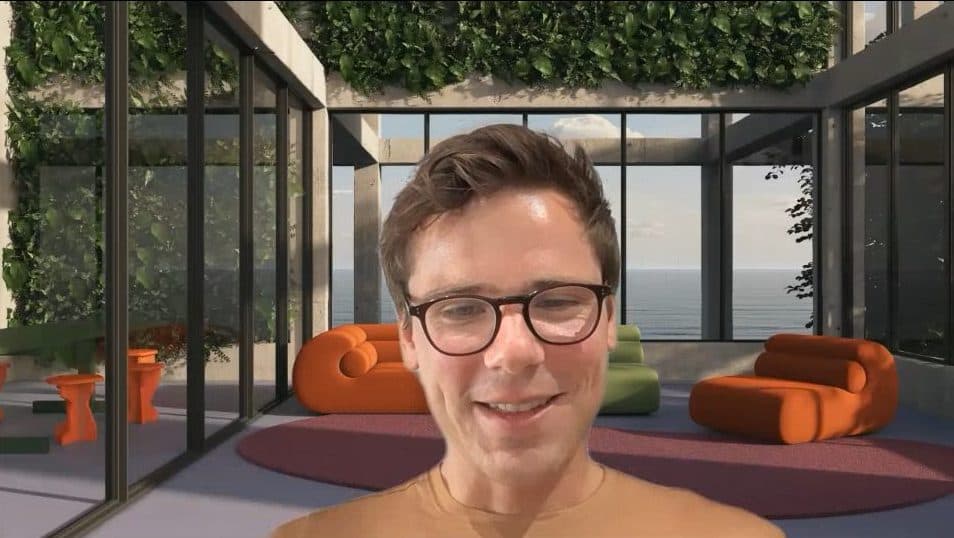
Felix Harteneck is co-founder and CEO of InPlanet. The serial entrepreneur has been working on entrepreneurial solutions for climate protection and CO2 reduction for many years. The idea for Inplanet emerged from his own experience that there was no truly scalable and safe solution for CO2 removal from unavoidable emissions.
Niklas Kluger, co-founder and COO of Inplanet, brings a highly practice-oriented background. He studied environmental and resource management, has experience in tropical agriculture, and worked with NGOs in Brazil, among other things. At Inplanet, he is responsible for operational processes on the ground, collaboration with farmers, and monitoring and verification processes. Kluger speaks Portuguese fluently and is considered a key bridge builder between technology, agriculture, and regional implementation.
Higher yields, less chemicals
The approach is convincing not only from a climate perspective. In studies on large sugarcane areas, Inplanet was able to demonstrate yield increases of over 20 percent. At the same time, the use of chemical fertilizers can be significantly reduced – in some cases by up to 50 percent.

For farmers, this is a tangible advantage: stable costs, lower dependence on imports, and better yields. The fact that Brazil imports around 70 percent of its fertilizers amplifies this effect further.
CO2 certificates as a breakthrough
A central obstacle for enhanced rock weathering was long the lack of measurability. Without reliable data, no certificates and no market.
Inplanet solved this problem: through the combination of scientific expertise and entrepreneurial speed, the team brought the world’s first certificates for this technology to the market at the end of 2024.
Today, the climatetech startup, founded in 2022 by Felix Harteneck and Niklas Kluger, has around 65 employees, is internationally established, and has raised approximately ten million euros in venture capital.
Between megatons and reality
The goal is clear: Inplanet is working toward the first megaton of actively removed CO2. At the same time, Harteneck knows how large the dimensions really are. Even optimistic scenarios assume that in the future, ten to 15 billion tons of CO2 per year will be unavoidable. Enhanced rock weathering could cover a significant portion of this, but only as part of a global technology mix.
Agriculture as part of the solution
For Harteneck, his perspective on climate protection has changed. Agriculture is not only affected by climate change, but also a central lever to reduce emissions, bind CO2, and at the same time strengthen food security.