
PITCH & PEOPLE Folge 31: Ottobahn
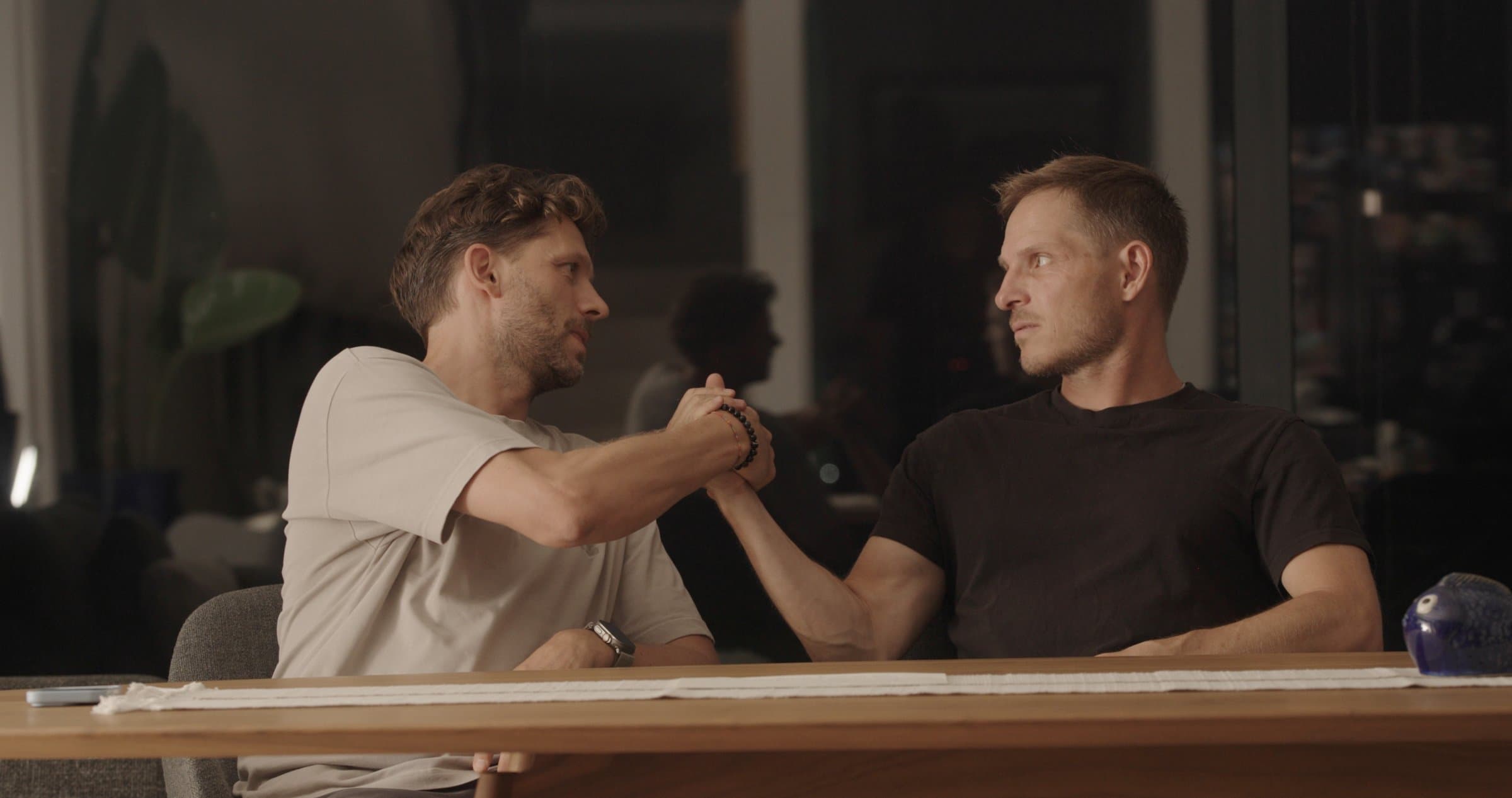
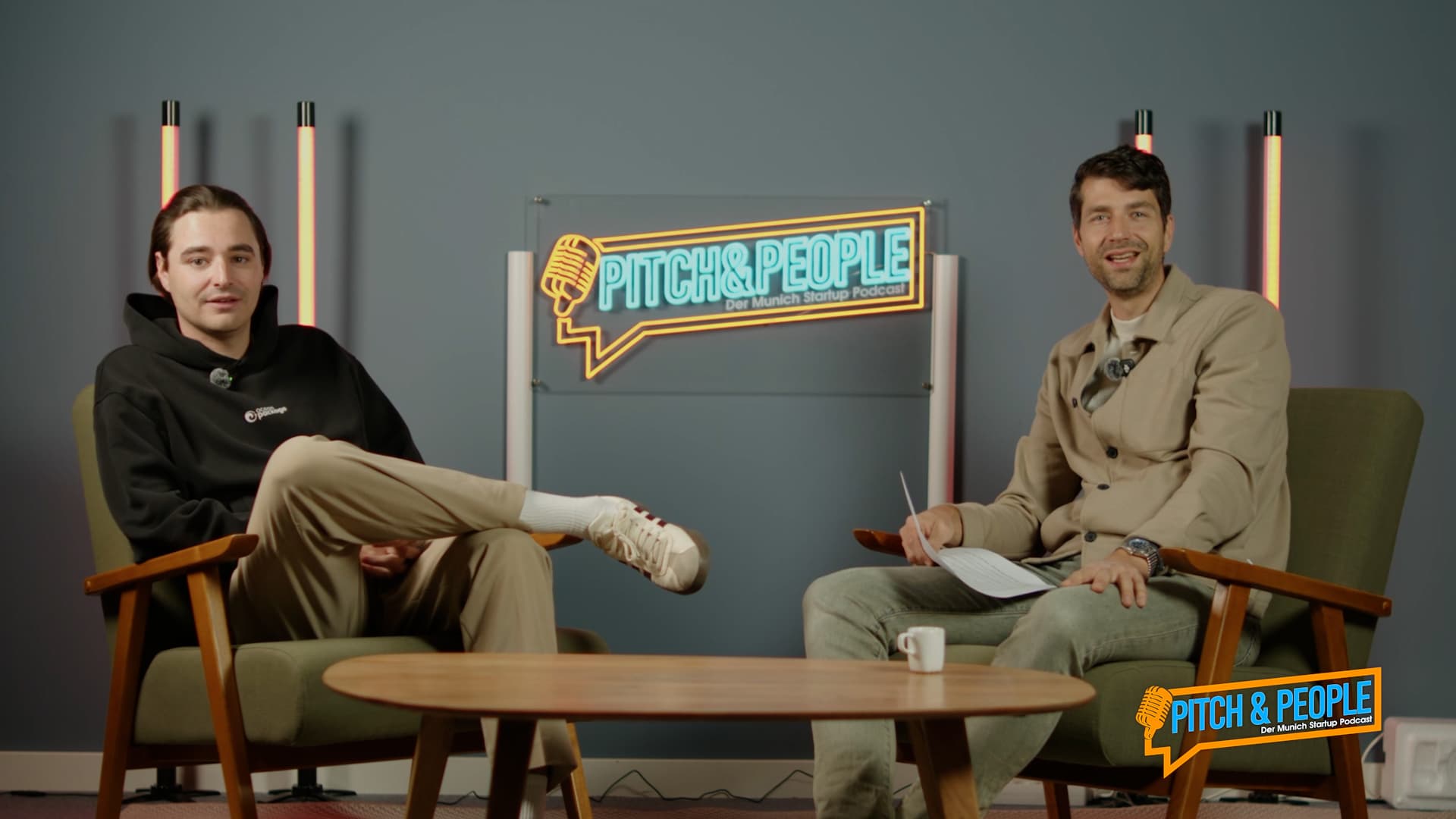
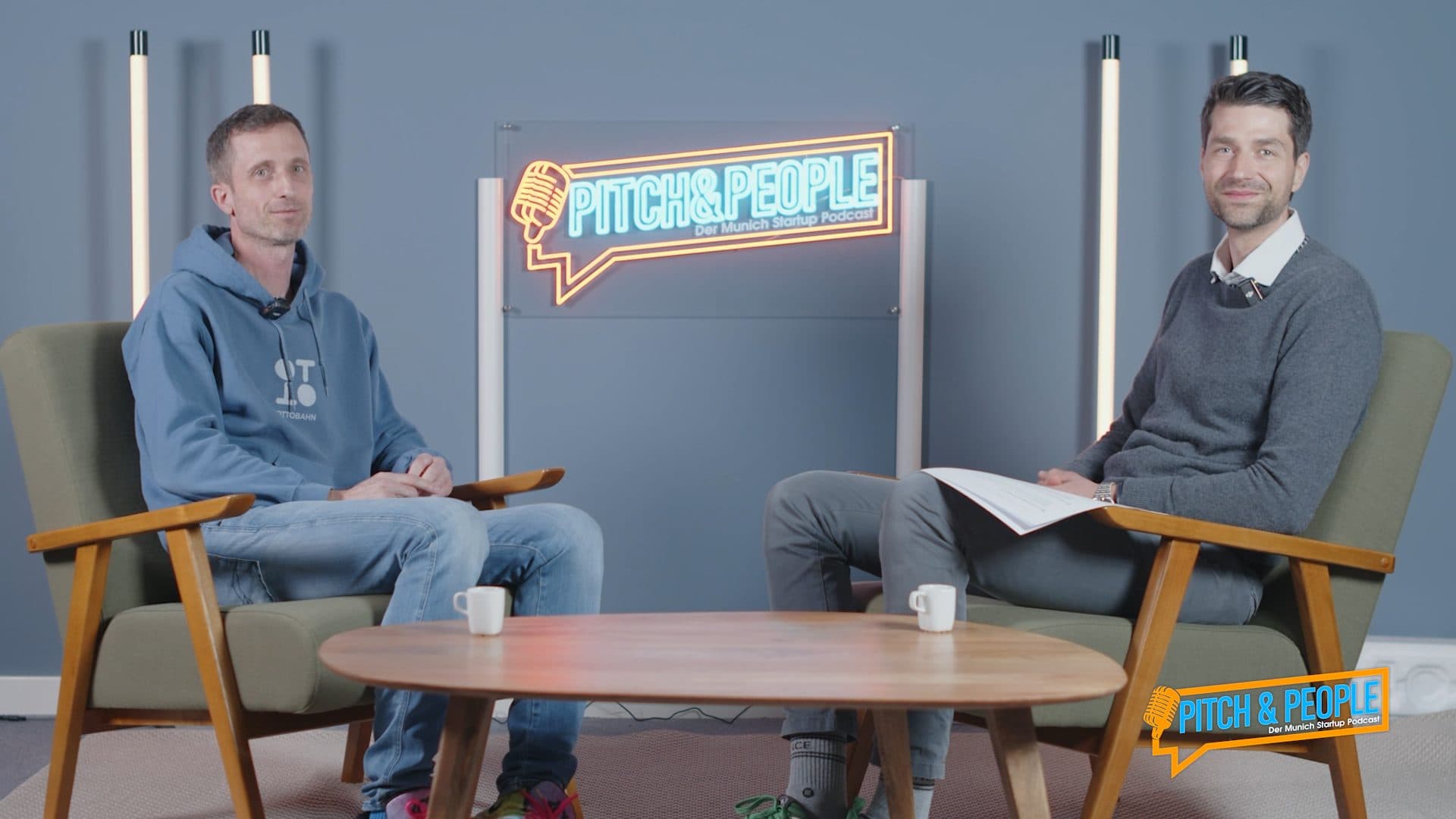
The Munich startup Ottobahn pursues an ambitious vision: autonomous gondolas that travel above streets and transport people and goods. Interest in it is high – both nationally and internationally. Yet despite numerous conversations and concrete projects, a crucial milestone is still outstanding: the first deal. We spoke with Ottobahn founder Marc Schindler about the large-scale project in our Pitch & People videocast.


It’s a challenging market that Ottobahn founder Marc Schindler has chosen. This is mainly due to the scale of the project. Ottobahn is not building a classic product, but a complete infrastructure system. Correspondingly complex are the decision-making processes on the customer side, as Schindler explains in the Pitch & People videocast:
“They’re big projects, multiple-million-euro projects. A long sales cycle comes with it.”
For the startup, this means: a lot of approval, but no closure so far. While software startups can quickly win their first customers, Ottobahn requires time, trust, and major investment decisions – often from public authorities or large corporations.
High interest – but too little courage
In fact, there is no shortage of interest. In conversations with cities or potential partners, the idea often meets with enthusiasm. But at exactly the point where vision would need to become reality, many hesitate.
“There’s definitely euphoria, and people certainly fantasize about how nice it would be if we had such systems in the city. But when it comes to implementation and being the first to build such a system, we’re missing a bit of courage.”
This very hesitation slows progress. Because without a first customer, the system remains an exciting idea for many – but still not a proven model.
“This dry spell hurts”
For the team, this phase is challenging. Ottobahn is technologically advanced, first systems at smaller scales already exist. And yet the step into reality is missing.
“This dry spell, if you will, even though we could really have started building long ago, hurts. Also in the head.”
The first revenue would therefore be more than just a financial milestone. It would validate the entire model.
“The first revenue will be an absolute game changer for us. It goes hand in hand with building the first system and shows new customers that the system really works.”

Marc Schindler is founder and CEO of Ottobahn GmbH, a Munich-based startup that has been working on a new urban transport system since 2019. The business engineer previously spent several years in strategic consulting and in a management position at Audi before switching to the startup world. With Ottobahn, he is advancing the development of autonomous, electrically powered transport capsules that operate above streets and are intended to relieve cities. His vision: an additional mobility level that makes traffic more efficient while creating new free spaces in urban areas.
Climate-friendly and efficient thinking
In addition to its vision of a new transport system, Ottobahn also clearly focuses on sustainability. The system is electrically powered and produces no emissions during operation. At the same time, the startup plans to make the infrastructure itself an energy source: the track supports will be equipped with solar panels to generate much of the energy needed themselves – potentially even more than is required for operation.
There is another advantage: Ottobahn requires hardly any additional land. Instead of expanding roads further or creating underground infrastructure, the system relocates traffic upward. The narrow masts seal only minimal ground, while urban life can continue below.
Setbacks and new hope
That the path there is not easy, the team has already experienced. There have been critical phases in the past. “Money ran out and no prospect of getting new money,” Schindler describes one such situation.
Nevertheless, Ottobahn continues to work on implementation. Discussions about concrete projects are ongoing, also internationally. Schindler sees particular openness to new solutions and faster decision-making especially in Asia.
Ultimately, success is decided at one point: the first realized project. Only when the first route is built should the vision become a viable business model. Until then, Ottobahn remains a million-euro project without closure and a startup in search of its first deal.