Munich Startup
Epiqmax GmbH

Epiqmax GmbH

Epiqmax is a spin-off from the LMU München. We at EpiQMAx measure so-called epigenetic modifications. These modifications are located in the cell nucleus of our body cells and can be altered by environmental influences. Likewise,...

Founded2026
Business Model-
IndustryBioTech
This content was machine translated.

About Epiqmax GmbH

Epiqmax is a spin-off from the LMU München. We at EpiQMAx measure so-called epigenetic modifications. These modifications are located in the cell nucleus of our body cells and can be altered by environmental influences. Likewise, these modifications influence a variety of diseases, so with our measurement we can establish a direct connection between previous lifestyle and possible diseases.

More like this

Discover relevant articles, startups, and events from the ecosystem
EpiCure

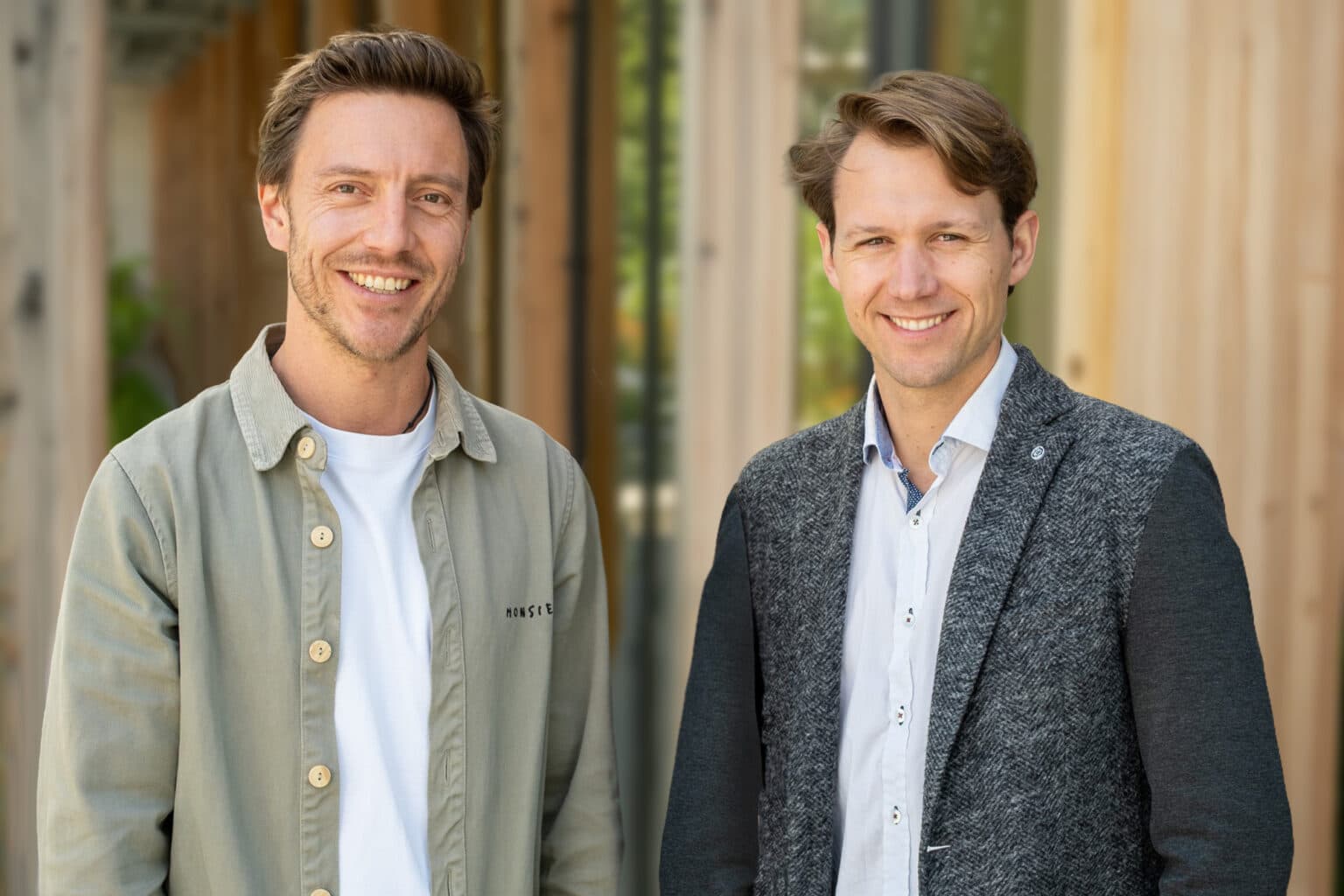
EpiCure is a research project of Ludwig Maximilians University Munich and is scheduled to be incorporated as an independent biotech company in 2026/2027. The focus is on epigenetic therapies, a mechanism of action that still holds considerable untapped potential in oncology. The lead compound is Carbacitabin (CAB), a drug molecule rationally designed on the basis of epigenetic expertise for blood cancer diseases, primarily positioned for high-risk patients with acute myeloid leukemia (AML) and myelodysplastic syndrome (MDS). CAB was specifically developed to address the weaknesses of clinically used standard therapeutics, and achieves approximately 100-fold reduced toxicity in patient-derived tumor models while simultaneously demonstrating superior efficacy. The regulatory foundation is in place: The BfArM has confirmed the preclinical development program in Scientific Advice. The first clinical trial is planned for 2027/28.

B2BBioTech

2026Founded
-Team size
Seed stage

ProviGenAI

ProviGenAI develops a software platform for automated experiments and data-driven process optimization. Many laboratories and biotechnology development environments already have extensive automation in place, yet the planning, evaluation, and adaptation of experiments continues to be done manually. Our platform combines automated laboratory workflows with AI-based optimization. It translates experimental protocols into executable workflows, orchestrates experiments on existing automation systems, and analyzes the resulting data to continuously improve parameters. This creates closed learning loops between experiment, analysis, and decision-making. Teams can optimize biotechnological processes—such as fermentation, screening, or bioprocess development—significantly faster and more efficiently.

B2BBioTech

2026Founded
-Team size
Seed stage