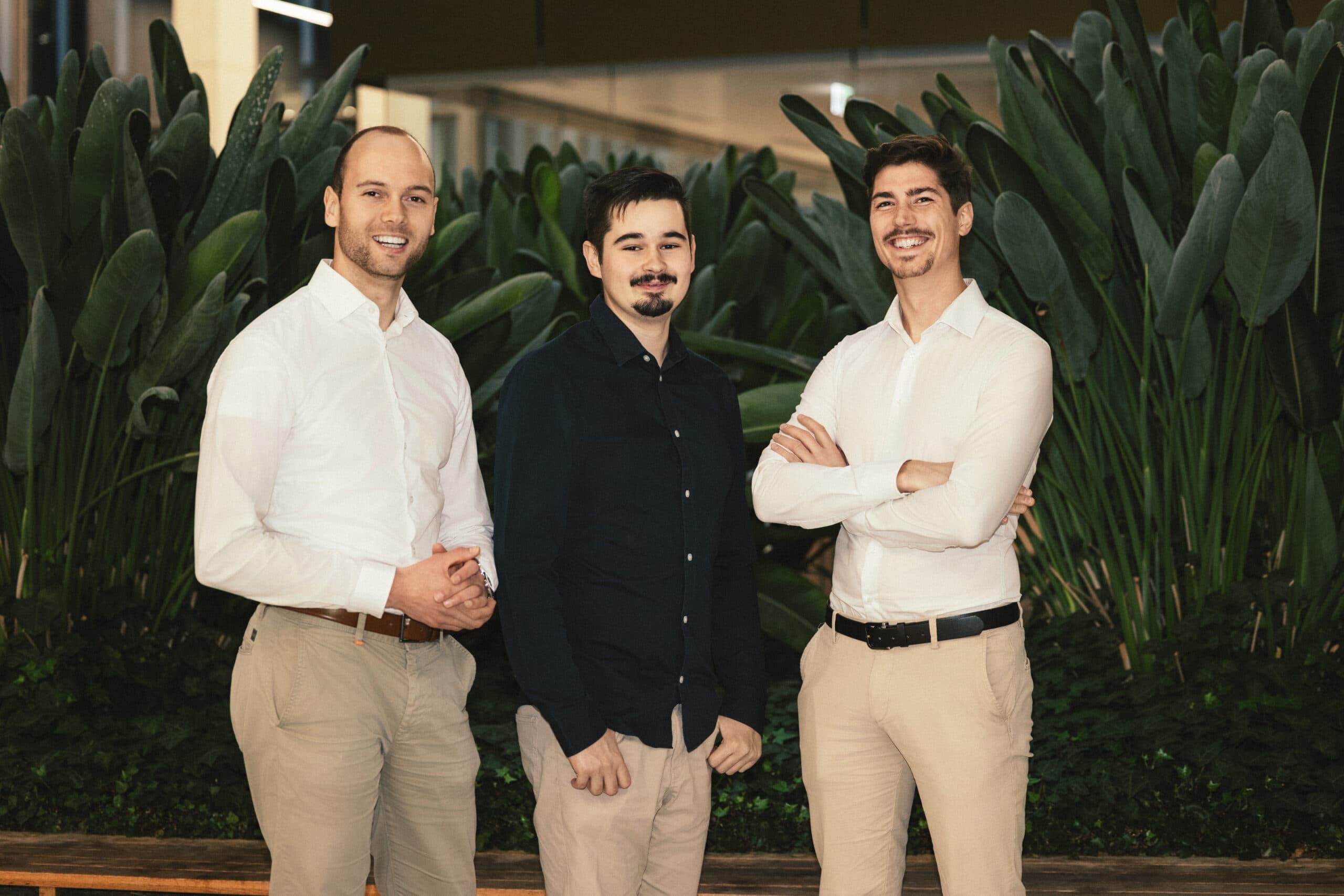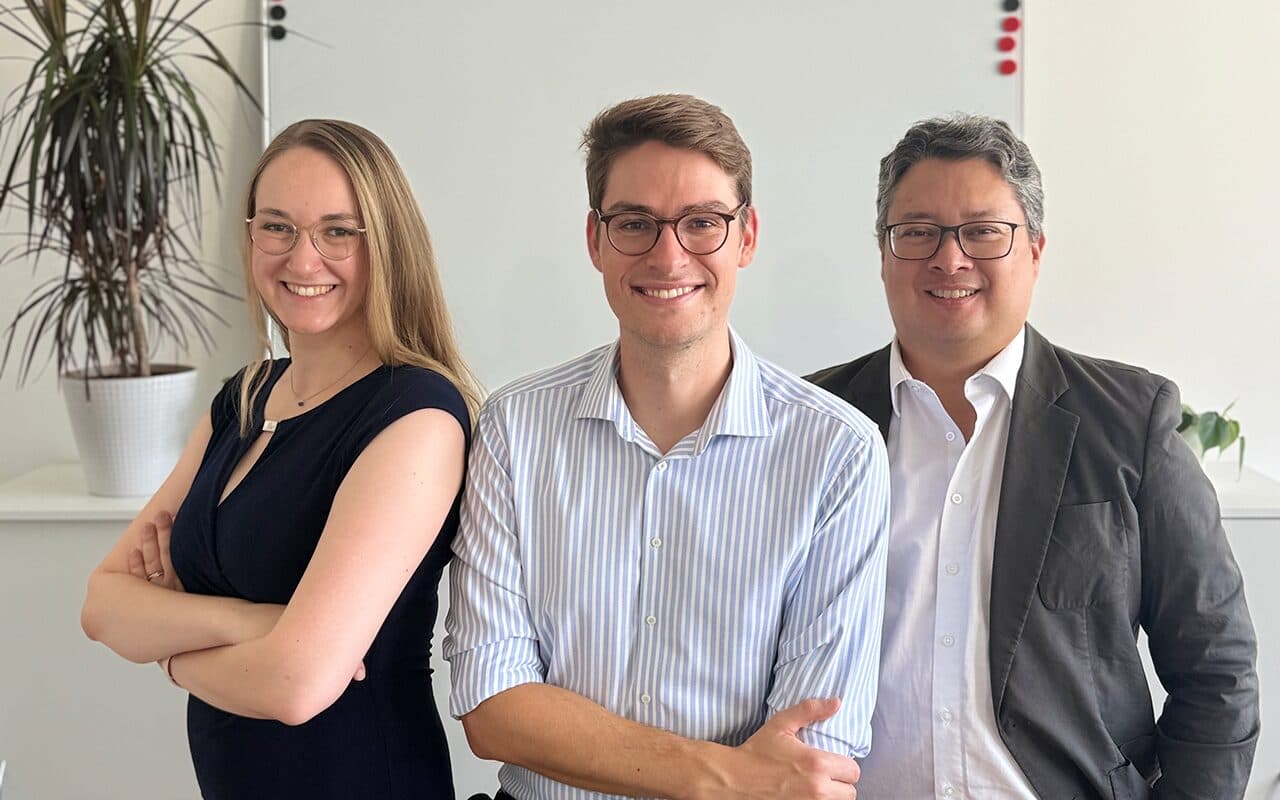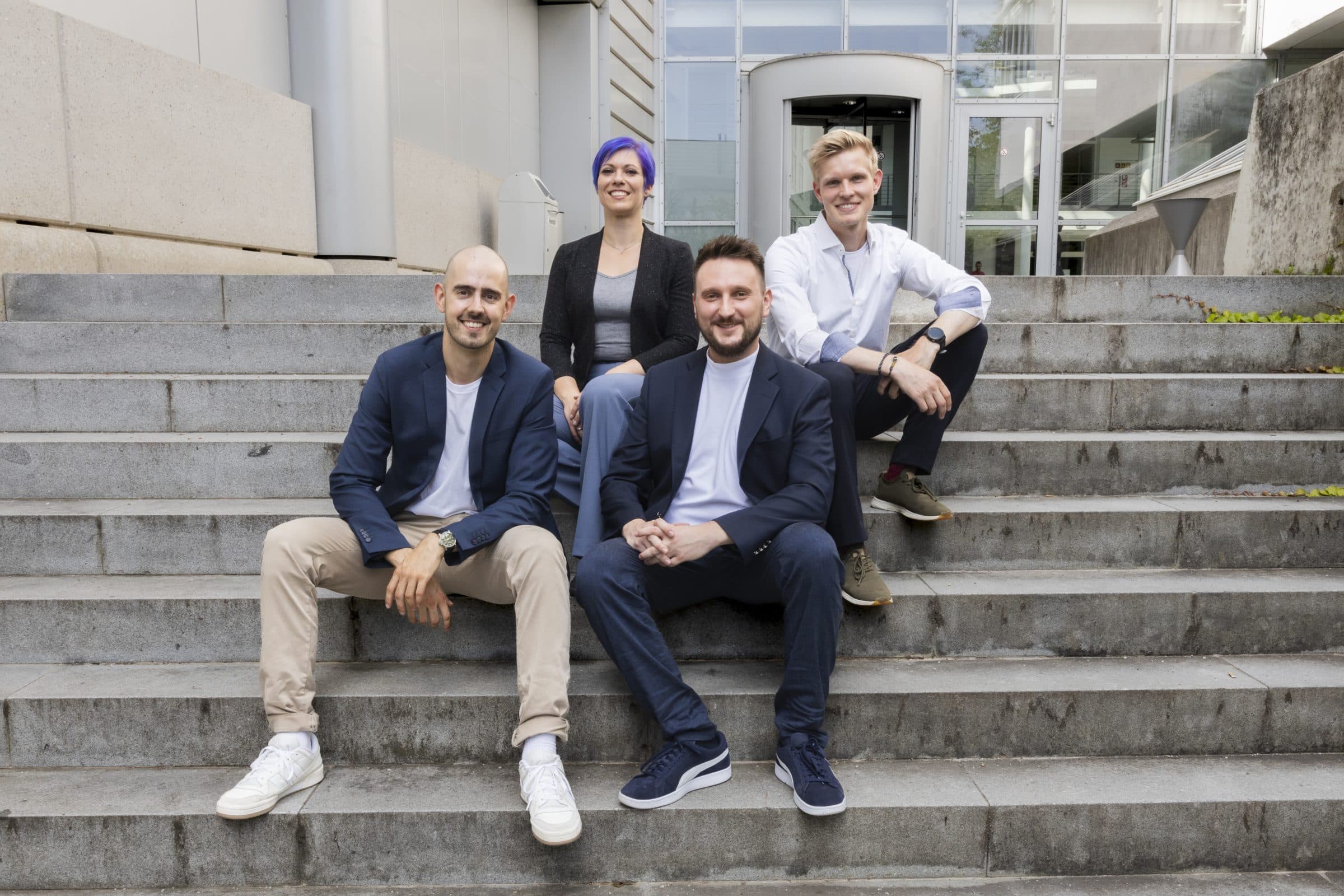

Munich Startup: What does Ease do? What problem are you solving?
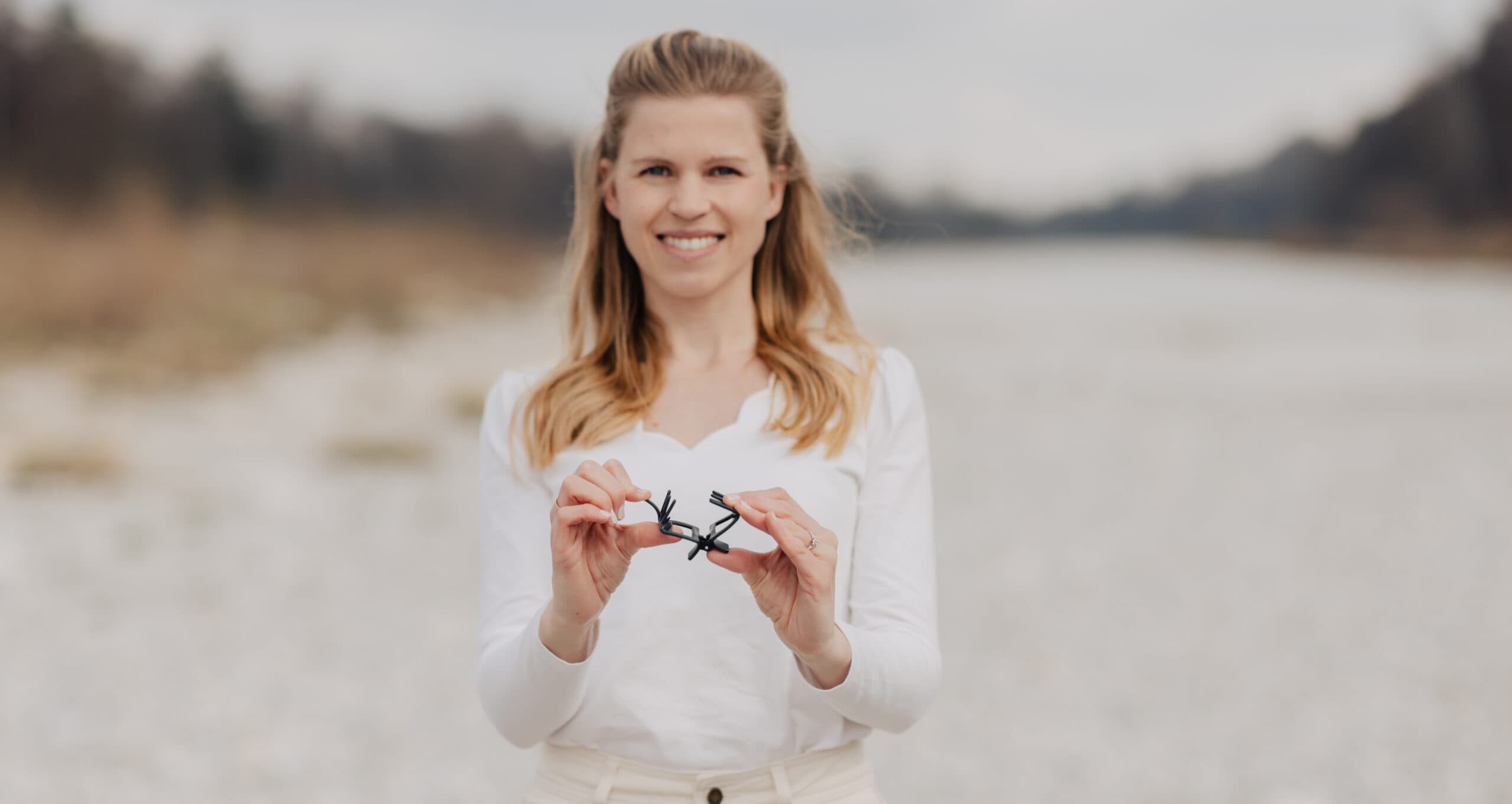
Christina Harbauer: We offer a solution for manual workplaces that cannot be automated and will continue to depend on human flexibility in the future. With our unique exoskeleton, we support workers in logistics and production. For our customers, this means: higher productivity, a healthier workforce, and a better working environment overall. This saves costs and increases productivity thanks to fatigue-free work!
Munich Startup: But that’s been around for a long time!
Christina Harbauer: We’re addressing exactly where other exoskeletons fall short. Our exoskeletons are specifically tailored to the needs of workplaces and people. To do this, we analyzed hundreds of workplaces, spoke with the people who work there, and even worked there ourselves for extended periods. This allowed us to develop a system that supports lifting and carrying loads in a way like no other. Our end users confirm this as well. Our system supports both the back and arms – the body parts that appear most frequently in sick leave statistics at relevant workplaces.
Additionally, we use intention recognition – artificial intelligence (AI) that reacts lightning-fast to user needs and adjusts support accordingly. This allows workers to focus entirely on their work and hardly notice they’re wearing an exoskeleton. In this way, our exoskeleton bridges the gap between humans and human-centric Industry 5.0. Practically a complete all-in-one package for everyone who knows that human flexibility will continue to play an important role in our value creation in the future.
Ease: From research into practice
Munich Startup: What’s your founding story?
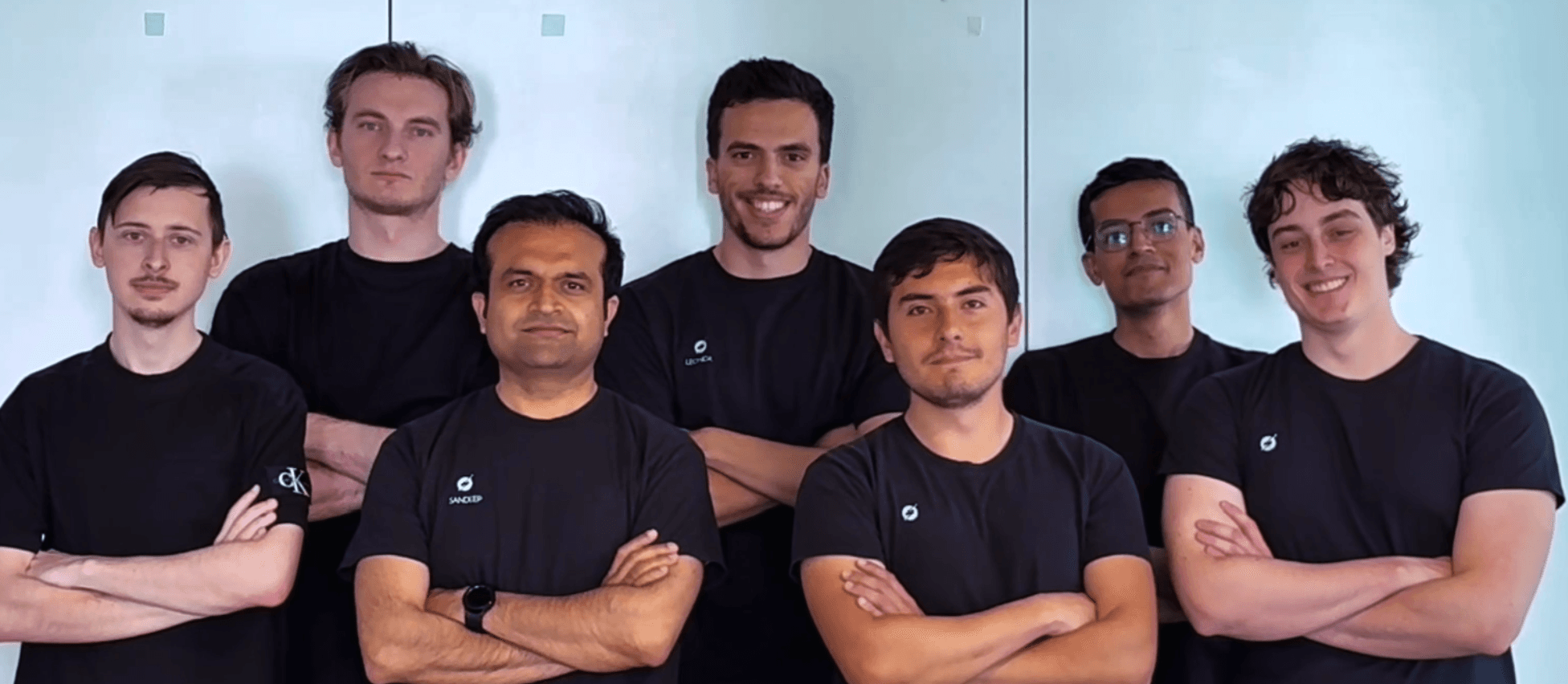
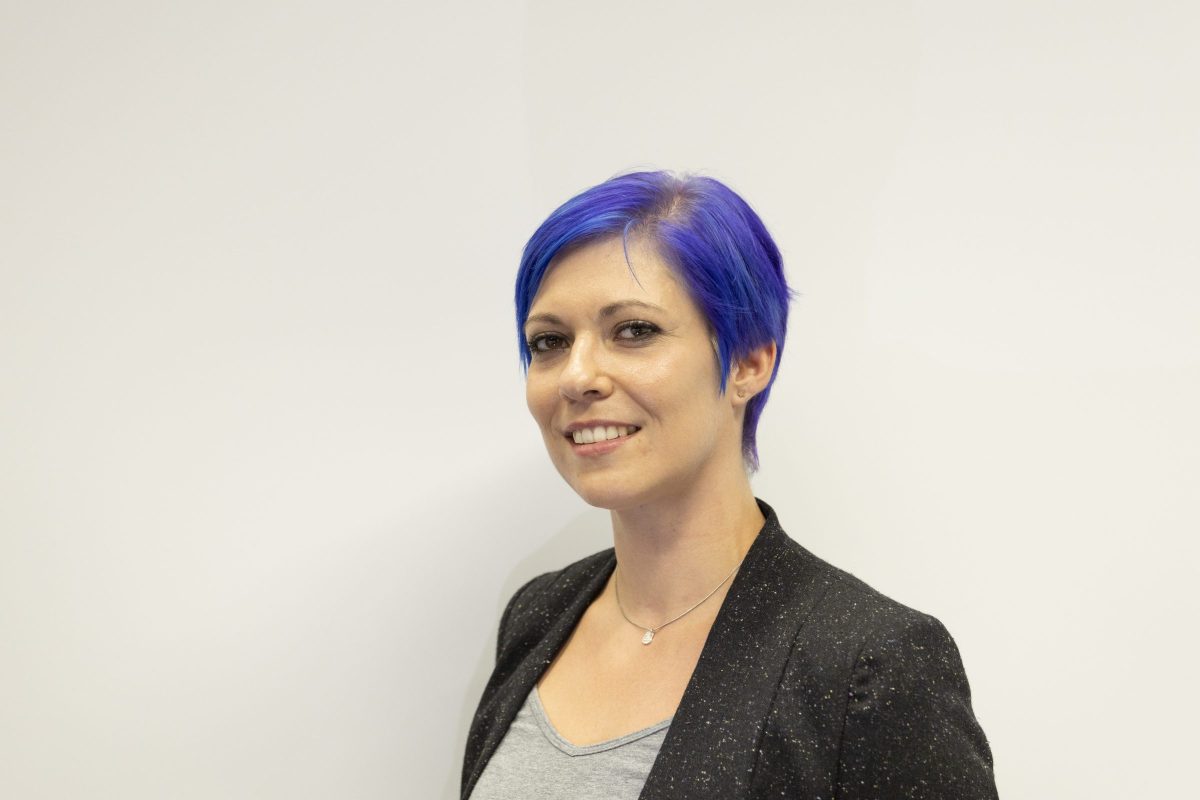
Christina Harbauer: Since 2017, I have been researching exoskeletons for industrial use at the Chair of Ergonomics at TUM. Initially as a pure research platform, I developed a laboratory prototype with my then-colleague and now co-founder Martin that completely focuses on the needs of people in the workplace. During this time, our co-founders Peter and Noah also joined the project as students.
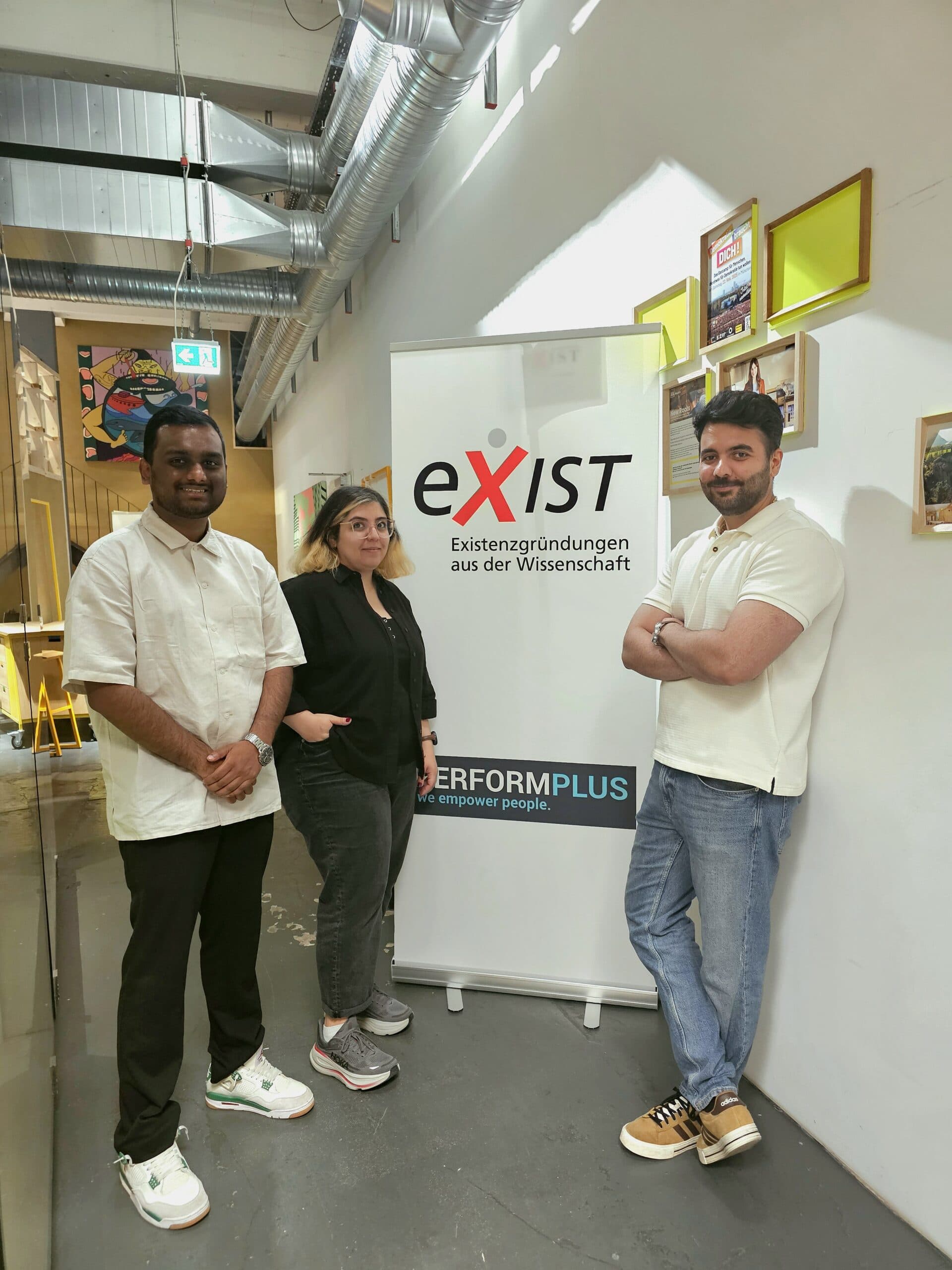
In analyses with experts from industry, we received very positive feedback and were even asked: “When can we finally buy this?” This led us to decide to turn this side project into a startup and bring the research into real-world application. The letters of intent (LoIs) from potential users and a successful application for EXIST research transfer funding confirmed that this is a product truly needed in the market.
Munich Startup: What have been your biggest challenges so far?
Christina Harbauer: User acceptance is a major issue with exoskeletons, but the users are not the ones buying exoskeletons. Pilots are initiated by a company’s management. However, in the end, it’s the workers on the shop floor who decide whether an exoskeleton becomes established in a company or not. Companies need to develop this awareness, which makes it a very sales-heavy topic. Expectation management and process integration must be right.
Failed attempts in the past can lead to a “scorched earth” situation with both customers and investors. But thanks to our ergonomics research, we have extensive experience with user acceptance issues in exoskeletons. With this expertise, we can individually support our customers in introducing this new technology into their processes and workforce and ensure successful implementation in their companies.
Munich Startup: Where do you want to be in one year, and where in five years?
Christina Harbauer: Recently, we successfully completed extended field tests with our first companies and received very positive feedback. With this, we’ve achieved our proof of concept. Building on this, we’re currently negotiating our first paid pilots for next year. In these, companies will use our exoskeletons for several months, and we’ll develop the systems further together with them until they’re ready for market and certified. For co-financing the pilot project, we’re currently seeking to raise a seed round of €500,000 and additional public funding. To tackle the upcoming challenges, we also need team support, which is why we want to hire our first two key employees in sales and tech.
In five years, we’ll have scaled our production significantly and will be distributing our exoskeleton and customized services internationally through a dealer network. To do this, we’ll establish our IoT interface and offer real-time data analytics as standard, specifically tailored to our customers’ needs.
Munich as a deeptech hub with momentum
Munich Startup: How have you experienced Munich as a startup location so far?
Christina Harbauer: As a startup, we experience Munich as one of the best places to found a company. The support here is excellent – from professional coaching to modern prototyping options to many affordable office spaces. The network is broad-based and very active: you quickly find access to experienced mentors, dedicated coaches, and other founders. Proximity to the Technical University of Munich (TUM) brings additional expertise and access to talent. Particularly noteworthy are the targeted support for female founders and the diversity of topic-specific networks. Munich thus offers a strong, open, and supportive ecosystem for startups.
Munich Startup: Hidden champion or shooting star?
Christina Harbauer: Hidden champion. We improve the lives of people who work behind the scenes keeping our society running: in logistics, production, and in the future also in areas like healthcare and skilled trades.