
Munich Startup: Wer seid Ihr und was macht Dcubed? Stellt Euch bitte kurz vor!
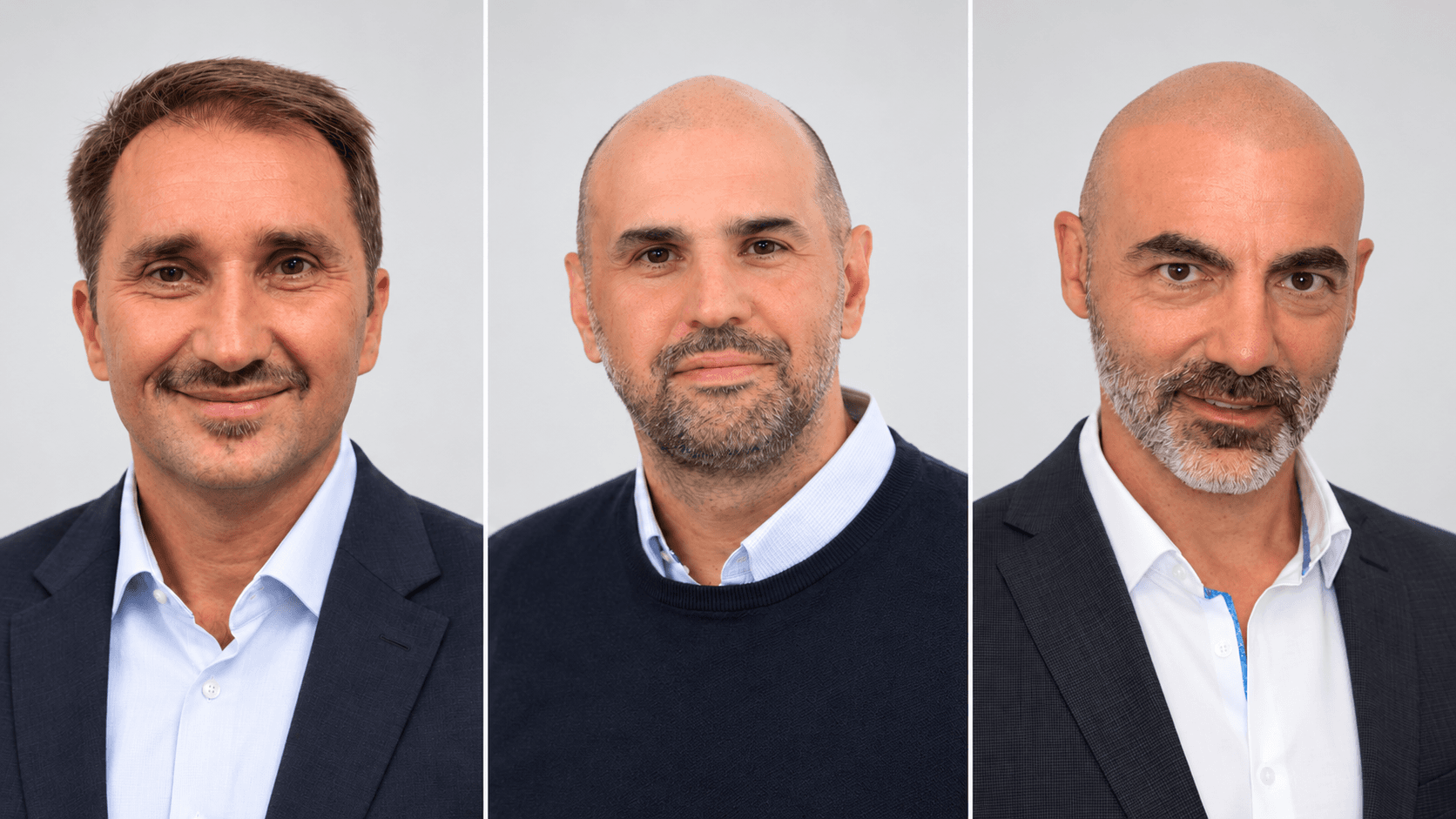
Thomas Sinn: Wir sind Dcubed – die Deployables Cubed GmbH – und haben unser Büro und Labor in Gilching und Germering in der Nähe Münchens. Dcubed entstand aus der Idee, dass vor allem für kleine Satelliten keine kostengünstigen und schnell verfügbaren Auslöse-Mechanismen in Europa zu finden waren. Das Gründerteam besteht aus Thomas Lund, Alexander Titz und Joram Gruber und mir, Thomas Sinn. Wir sind alle Experten aus der Luft- und Raumfahrt.
Dank Dcubed bald weniger Weltraumschrott im All?
Munich Startup: Welches Problem löst Euer Startup?
Thomas Sinn: In der Raumfahrt geht es hin zu immer leistungsstärkeren Anwendungen auf immer kleiner werdenden Satelliten, die zu Hunderten in das All geschossen werden. Diese Satelliten sind standardisiert, damit viele in die Rakete passen. Aber für die leistungsstarken Anwendungen im Weltall werden große Strukturen benötigt. Also beispielsweise Solar-Paneele für mehr Energie, große Antennen, um die Daten zu übertragen und Weltraumsegel, um Weltraumschrott zu entfernen. Diese passen aber nicht in ihrer Größe in die Rakete.
Deswegen ist die Idee, diese entfaltbar zu machen – quasi klein in der Rakete und groß im All. Auf genau diese Entwicklung konzentrieren wir uns bei Dcubed, auf entfaltbare Strukturen für diese Klein- und Kleinstsatelliten. Man kann sich diese ein bisschen wie einen Regenschirm vorstellen, der zuerst zusammengefaltet ist und sich dann, wenn er benötigt wird, auffaltet. Unser erstes Produkt, der Aktuator ist quasi der Knopf, der diese Entfaltung auslöst.
Munich Startup: Aber das gibt’s doch schon längst!
Thomas Sinn: Nicht wirklich hier in Europa. Die in Europa verfügbaren Raumfahrt-Mechanismen sind doch eher ausgelegt für große und teure Satelliten und nicht wirklich für die New Space Klein- und Kleinstsatelliten-Anwendungen. Die Konkurrenzprodukte aus Amerika sind eigentlich fast immer mit Exportlimitationen wie ITAR und EAR belegt. (Anm. d. Red.: ITAR= US-Regelungen des internationalen Waffenhandels; EAR = US-Exportverwaltungsverordnung).
Munich Startup: Was waren bisher Eure drei größten Herausforderungen?
Thomas Sinn: Gute Frage, es waren viele Herausforderungen alleine im letzten Jahr. Ich würde die folgenden drei Herausforderungen nennen:
- Umstellung des Marketings von physischen Konferenzen und Messen zu virtuellen Events
- Sicherung der weiteren Finanzierung über Investments und Förderungen
- Startup-Leben in Covid-19-Zeiten und das Feiern der erreichten Meilensteine
„Mit dem Investment können wir immens beschleunigen“
Munich Startup: Wie laufen die Geschäfte?
Thomas Sinn: Mit dem Seed-Investment von HTGF und ILV können wir die Entwicklung und die Weltraum-Qualifizierung unserer Produkte immens beschleunigen. Bis zum Ende dieses Jahres wollen wir dies abgeschlossen haben und auch schon ein bis zwei Mal unsere Produkte im Weltall geflogen haben. In fünf Jahren wollen wir der Marktführer auf dem Gebiet der Aktuatoren und der entfaltbaren Strukturen für Klein- und Kleinstsatelliten sein.
Munich Startup: Wie schätzt Ihr den Startup-Standort München ein?
Thomas Sinn: Wir schätzen den Startup-Standort München sehr. Die Möglichkeiten zum Vernetzen, Weiterbildung und Unterstützung haben uns in den letzten zwei Jahren sehr geholfen. Auch im Hinblick auf die Raumfahrt ist München ein idealer Standort mit den Standorten Garching, Oberpfaffenhofen und Ottobrunn. Auch ‚New Space‘ wird in München groß geschrieben.
Munich Startup: Hidden Champion oder Shooting Star?
Thomas Sinn: Hidden Champion!