
Munich Startup: What problem do you solve?
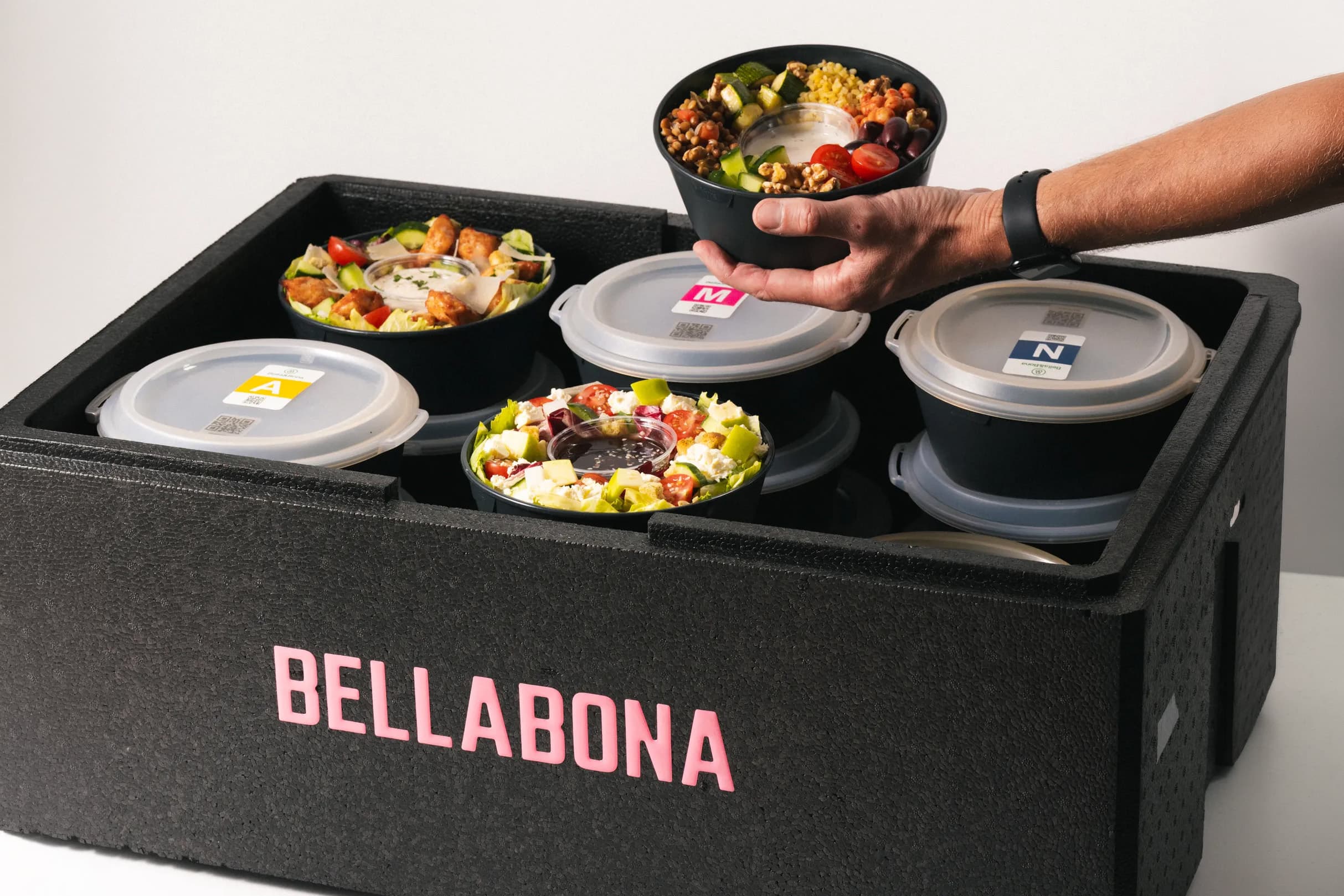
Niccolò Lapini, CEO and co-founder: Lunch at the office, in companies without a canteen. For employees today, that means: waiting in line, too expensive, limited selection. Hardly anything is left of a half-hour break. For the company, it means: a benefit everyone wants, but no one wants to organize – orders, budgets, allergens, invoices.
We solve both. Employees order individually via our app, we cook fresh in our own kitchens and deliver directly to the office. Participation, budgets, reporting, and billing all come together in one place, tax-optimized through the meal allowance.
Munich Startup: What can only you do as of today?
Niccolò Lapini: We do all three parts ourselves: kitchen, logistics, and software. Most players in the market do just one of them. Marketplaces have the technology, but no control over quality and margin. Caterers have the kitchen, but no platform.
That is the reason why we have been profitable since 2024 – an exception in the food delivery market – and why we have a 4.9 out of 5 rating from over 50,000 reviews and a 99 percent on-time delivery rate. Having control over our own kitchen is not an ideology; it is the margin.
Munich Startup: What triggered the founding?
Niccolò Lapini: My own lunch break. In 2017, I was working at a tech startup in Munich. A half-hour break, every restaurant nearby over ten euros, two-thirds of the time spent waiting in line and one-third eating. That wasn’t an unusual day—that was every day. If this is my problem, I thought, it’s the problem of millions of office workers.
Technology platform emerged during the Covid break
Munich Startup: Was there a moment when you thought about giving up?
Niccolò Lapini: Spring 2020. We had grown from zero to one million euros in ARR in eleven months and had just launched in a new city. A week later, Covid hit. The offices were empty and our revenue dropped to zero. Not to half—to zero.
We had to downsize a strong team. Those were the hardest decisions we have made so far. Still, we didn’t give up. We cut every expense and used those two years to build the technology platform that there would never have been time for during normal operations. Without those two years, we wouldn’t be where we are today.
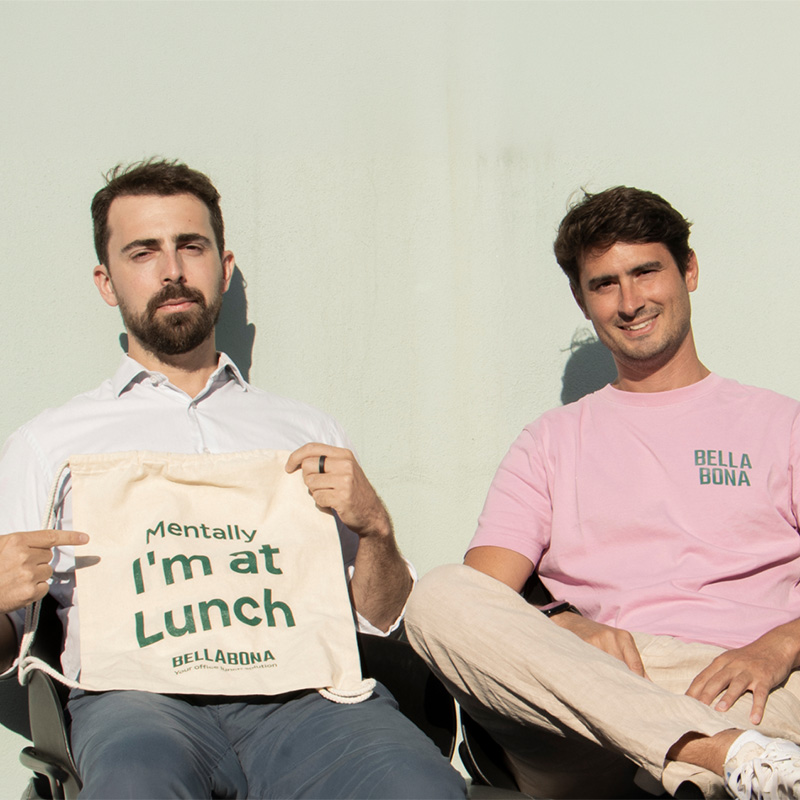
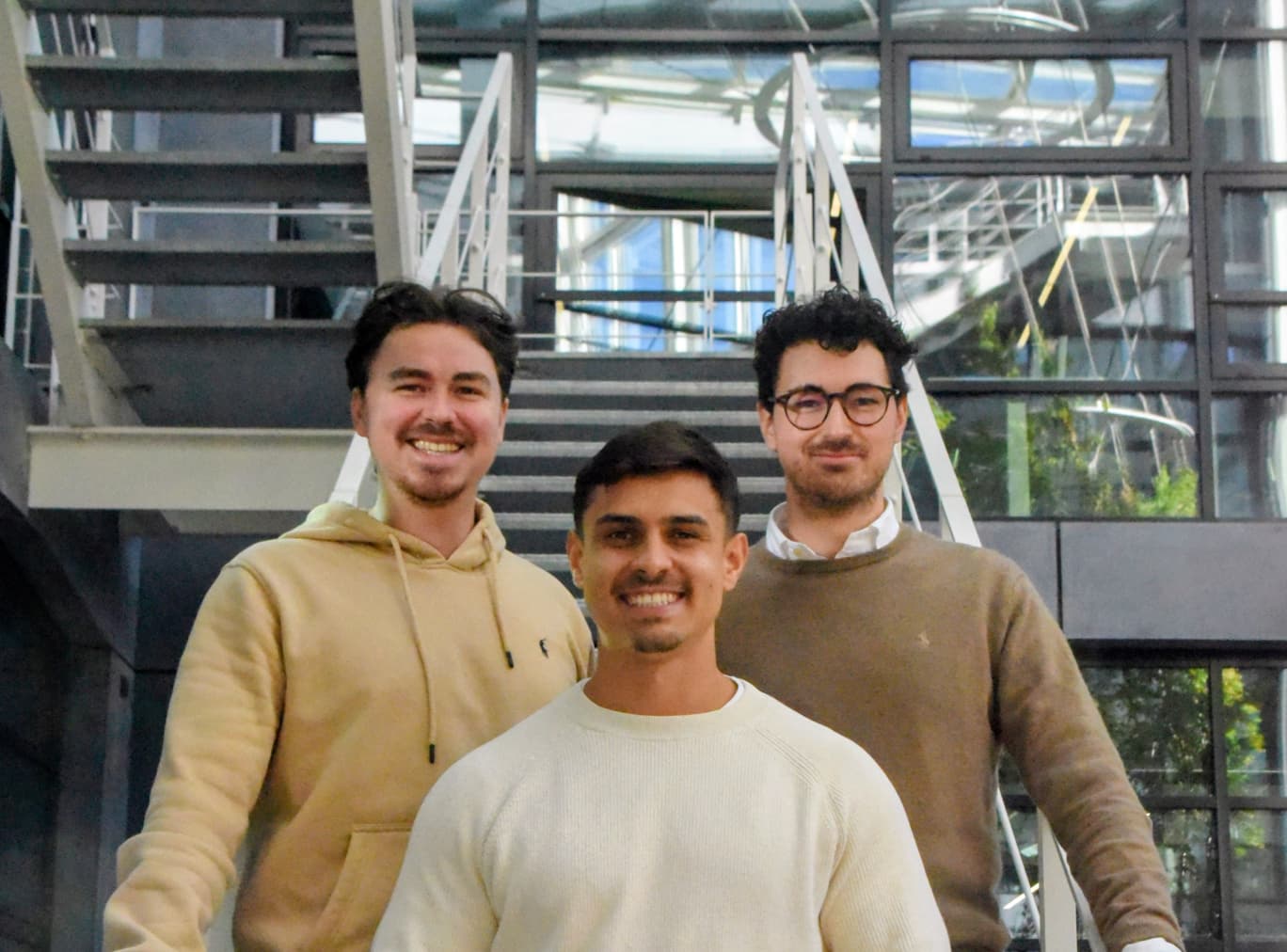
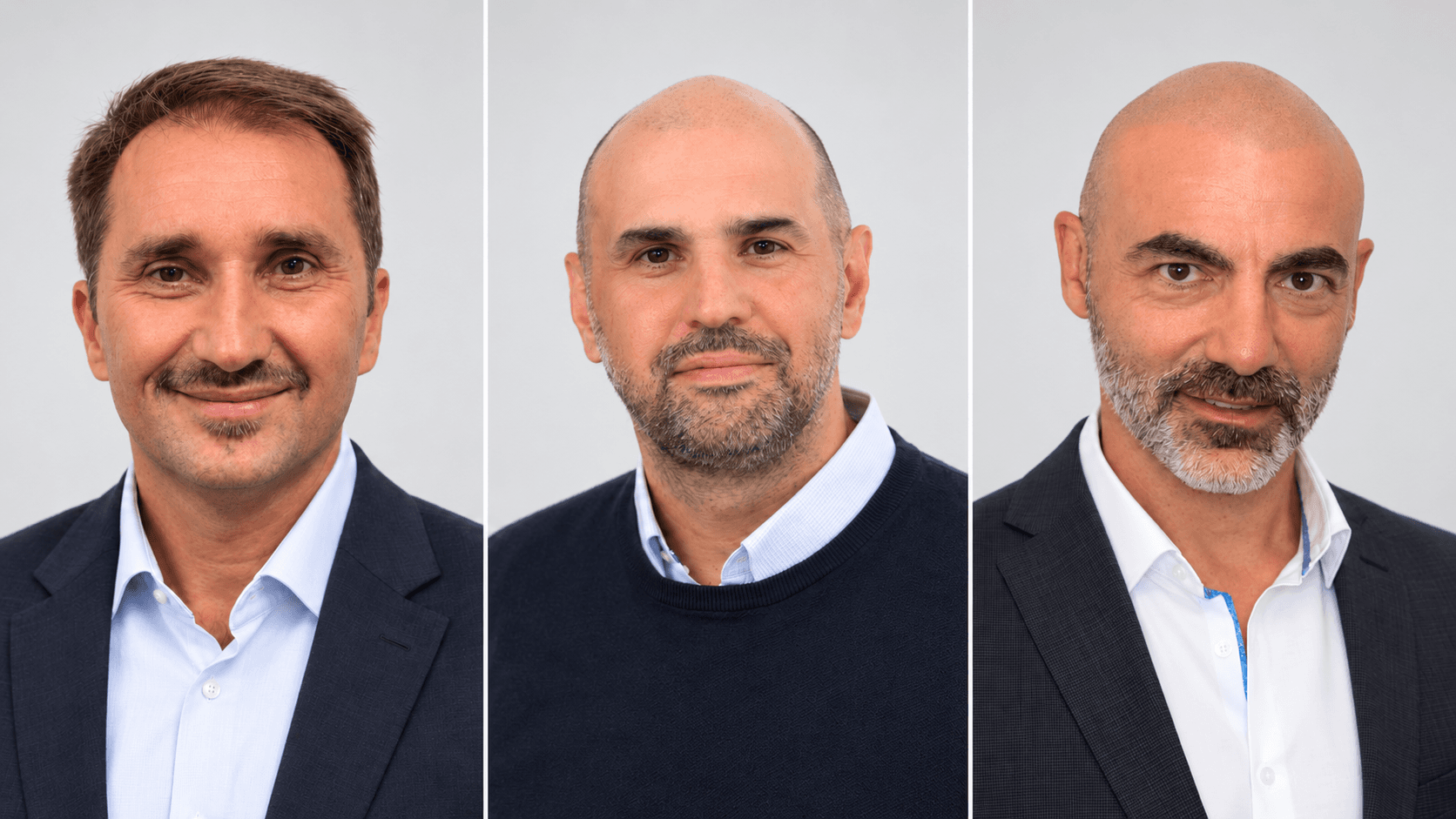
Bella & Bona was founded in Munich in 2019 by Niccolò Lapini, Matteo Cricco, and Niccolò Ferragamo. The three know each other from Florence and had previously co-founded companies together.
Lapini completed a Master in Management at EBS Universität für Wirtschaft und Recht and built the companies Kiwi Local and Outcage in Florence. After stints at Unicredit and GE, he worked in business development at Navvis in Munich from 2017 to 2019. He has led Bella & Bona as CEO since March 2019.
Munich Startup: How would you know in a year that you’re on the right track?
Niccolò Lapini: If North Rhine-Westphalia runs just like Munich and Berlin. Not because NRW is a more important market, but because it proves that we can launch a city using a repeatable model: our own kitchen, our own logistics, our own sales, right from day one. Specifically: four self-sustaining cities and 10 million euros ARR in the first quarter of 2027. Hamburg after that.
Munich forces maximum cost efficiency
Munich Startup: Would you found in Munich again, and why?
Niccolò Lapini: Yes. The problem we’re solving is one I experienced myself right here. Munich has a high density of companies without a cafeteria—meaning our exact target customers, right on our doorstep. And it has people who excel at both technology and operational business. For a company with its own kitchen and logistics, that’s more critical than pure software expertise. Munich is expensive. That forced us from day one to keep a close eye on costs and margins. In retrospect, that wasn’t a disadvantage.
Munich Startup: Focus or diversification?
Niccolò Lapini: Focus. We do B2B, and exclusively B2B. We’re regularly asked whether we might open up our offering to private customers. That was true in the past and remains true today. The answer is always the same: no. Our kitchens, our logistics, and our software are tailored for companies: predictable volumes, fixed delivery addresses, budgets, and billing via the employer. B2C would be an entirely different product with different margins. We’d have to build everything a second time. We offer breadth inside the office: daily lunch, event catering, breakfast, pantry, fruit. One customer type, one sales channel, one kitchen, one platform.