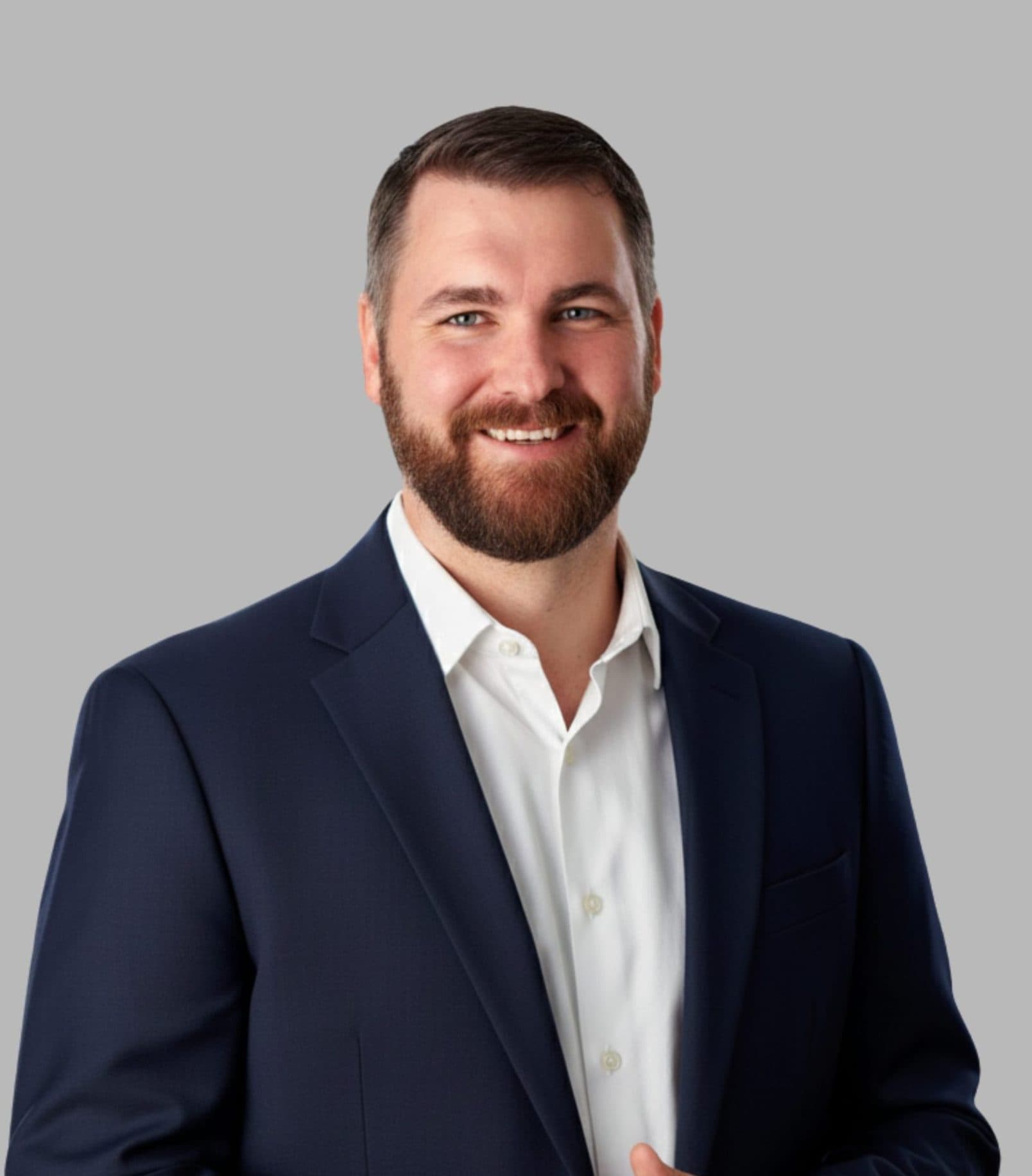

Munich Startup: When we last spoke, you still had a different company name and wanted to solve EMC problems in the design phase using AI. What has happened since then?
Reinhard Neureiter, CEO of Denpaflux: Startups thrive on experiments and adaptability. While we initially focused on AI-powered EMC expertise, customer feedback brought us a crucial insight: companies facing EMC challenges primarily need immediate, high-quality support. The technology isn’t yet ready to deliver AI-driven accuracy at the level our customers require. We’ve learned to solve real customer problems today while continuing to develop AI capabilities for tomorrow. This shift to expert-driven consulting enables us to deliver solutions within three business days – and more importantly, to accompany the entire implementation as an EMC buddy. That’s exactly what the market needs.
Branding creates recognition
Munich Startup: What challenges did you face in the transition from Mitai to Denpaflux?
Reinhard Neureiter: Developing a brand while keeping an eye on global market opportunities is hard and demanding. We had to secure trademark protection across multiple markets; a process that required significant time, resources, and legal investment. At the same time, we moved away from a brand that had already gained recognition at trade shows to start fresh with Denpaflux. That meant updating everything: existing customer communications, outreach materials, legal templates – the entire foundation of the business.
And here’s the paradox: while we prove our concept in focused markets, we must think globally about trademark protection from day one. Markets never sleep and competitors don’t wait. The most important insight? Branding creates the awareness and recognition that matters when customers face EMC challenges – they need to remember who can help them. We want to achieve a shift: away from reactive testing toward proactive integration in early phases (left-shift). A strong, globally protected brand ensures we’re present at the decisive moment. Building this foundation correctly required more effort than originally anticipated, but it’s essential for this industry transformation.
Munich Startup: How have your products, solutions, or services evolved?
Reinhard Neureiter: We’ve established a sales-led growth model where customer feedback directly drives product development. Our customer-facing teams are the keepers of the “voice of truth” – every piece of feedback is collected, evaluated, and integrated into our roadmap. This approach led us to develop expert-driven EMC consulting services focused on speed and convenience. The result? We solve our customers’ EMC challenges within three business days and offer continuous implementation support via chat, meetings, emails, and phone calls.
“We’ve learned what true flexibility means”
Munich Startup: How are you doing financially?
Reinhard Neureiter: As a corporate startup backed by TDK, we have the privilege of focusing on what matters: building an outstanding product and driving growth. This partnership gives us the freedom to solve difficult technical problems without constantly worrying about fundraising.
Munich Startup: What lessons has your founding team learned so far?
Reinhard Neureiter: Fast experimentation and honest learning are essential. The founding team must continuously consolidate insights and adapt both business model and product based on what actually works in the market. We’ve learned what true flexibility means – not changing direction randomly, but systematically figuring out where to deploy limited resources for maximum impact. The hardest skill? Knowing what to stop doing.
The next milestone
Munich Startup: What role has the Munich ecosystem played in your journey?
Reinhard Neureiter: Honestly? We’re in Munich because of our proximity to shareholder TDK. But we’ve intentionally built a local team. People are social beings and teams perform better when they work together in the same building. Munich offers incredible young talent and a vibrant startup scene, but we’re barely scratching the surface. For the future, we want to develop deeper connections with organizations like Bayern Innovative and more face-to-face customer interactions. The opportunity is there, we just need to seize it more strategically.
Munich Startup: What milestones do you want to achieve next?
Reinhard Neureiter: We currently support over 60 customers and our next milestone is reaching 100. That will confirm we’re on the right path: eliminating EMC challenges earlier in the development process and getting electronic products to market faster. Each customer means hardware teams avoiding costly redesigns and project delays – that’s what we want to scale.