
Munich Startup: What does your startup do? What problem are you solving?
nnnnJoshua Gawlitza, InformMe: I think everyone knows this: when you go to the doctor or to a clinic, you’re first handed a stack of papers – admission and medical history forms, data protection notices and the like. That’s anything but environmentally conscious and it’s also a real cost factor. Besides, handing out these clipboards isn’t hygienic and the workflow – distributing, filling out, waiting, submitting – is very inefficient.
nnnnWith InformMe, we want to digitalize this entire patient communication. What makes it special: we do it on the patient’s own smartphone, which they’re already familiar with. It starts with things like patient education, but it can be expanded much further, for example to patient flow management. Currently, patients sit in the waiting room and are called by a doctor or medical professional. But with the current shortage of staff, even that is already problematic. All of this can be wonderfully digitalized and automated. And that’s where we come in.
nnnn“Our system is flexible and open”
nnnnMunich Startup: But that already exists!
nnnnJoshua Gawlitza: Yes, but most of our competitors have solutions that rely on their own devices in the practice or clinic. So they have four or five tablets lying around running the programs. That’s really just a kind of better paper. But the workflow and hygiene problems persist just as much.
nnnnAnother problem with existing systems is that they’re usually very rigid. InformMe, on the other hand, offers a content management system where users can enter their own content. That makes our system very flexible and open for further applications, such as clinical trials. Today it’s still the case that, for example, as a patient in a phase three study you receive letters to fill out sent to your home.
nnnnMunich Startup: What’s your founding story?
nnnnJoshua Gawlitza: It all started with my former colleague and doctoral supervisor, Prof. Thomas Henzler. We stayed in touch even after we both left the university clinic in Mannheim. He moved to a large practice and then reached out to me again last July – this time with the idea of improving patient education. He basically wanted me to write some code because he knew I could code a bit.
nnnnInformMe emerged as an idea from medical professionals
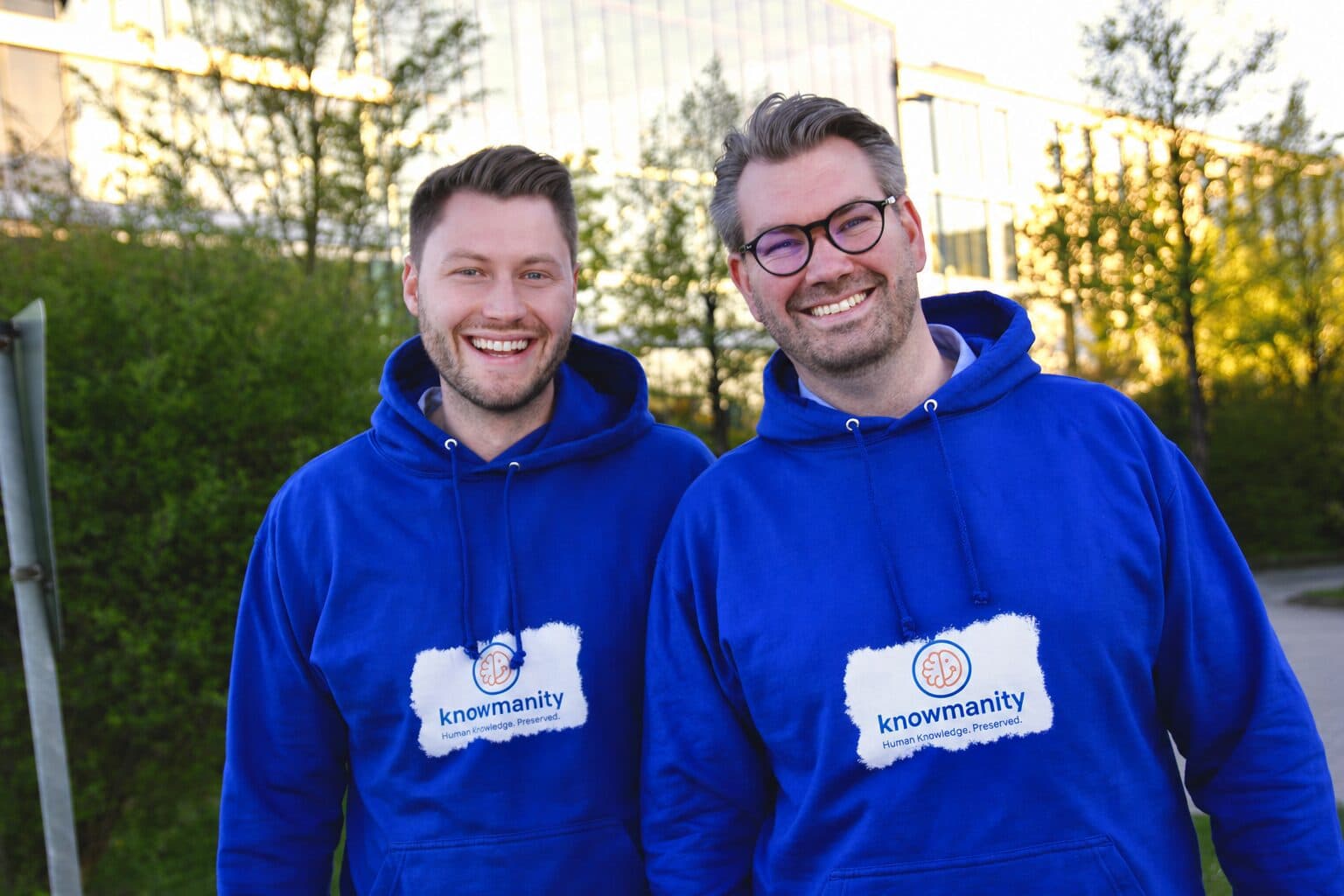
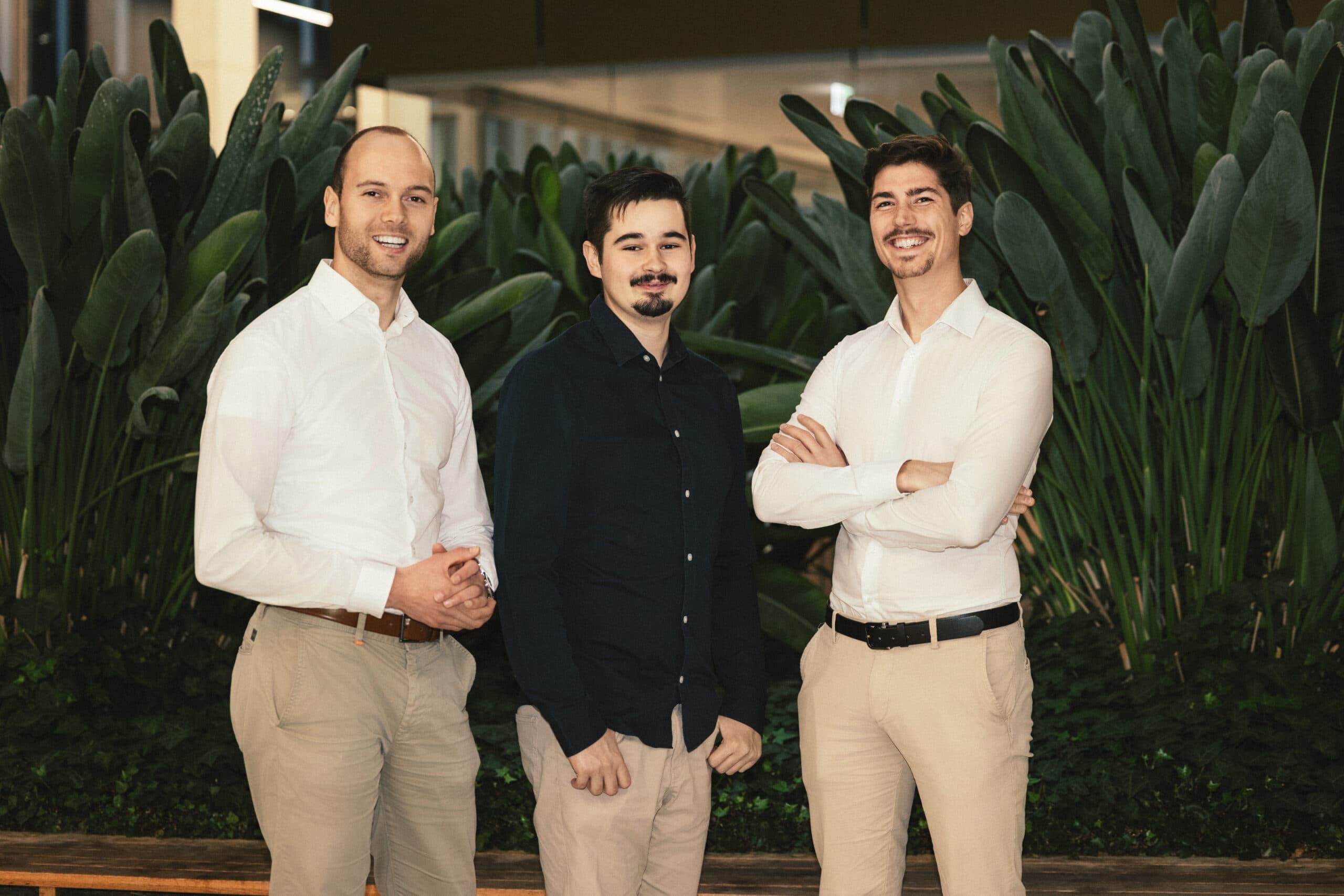
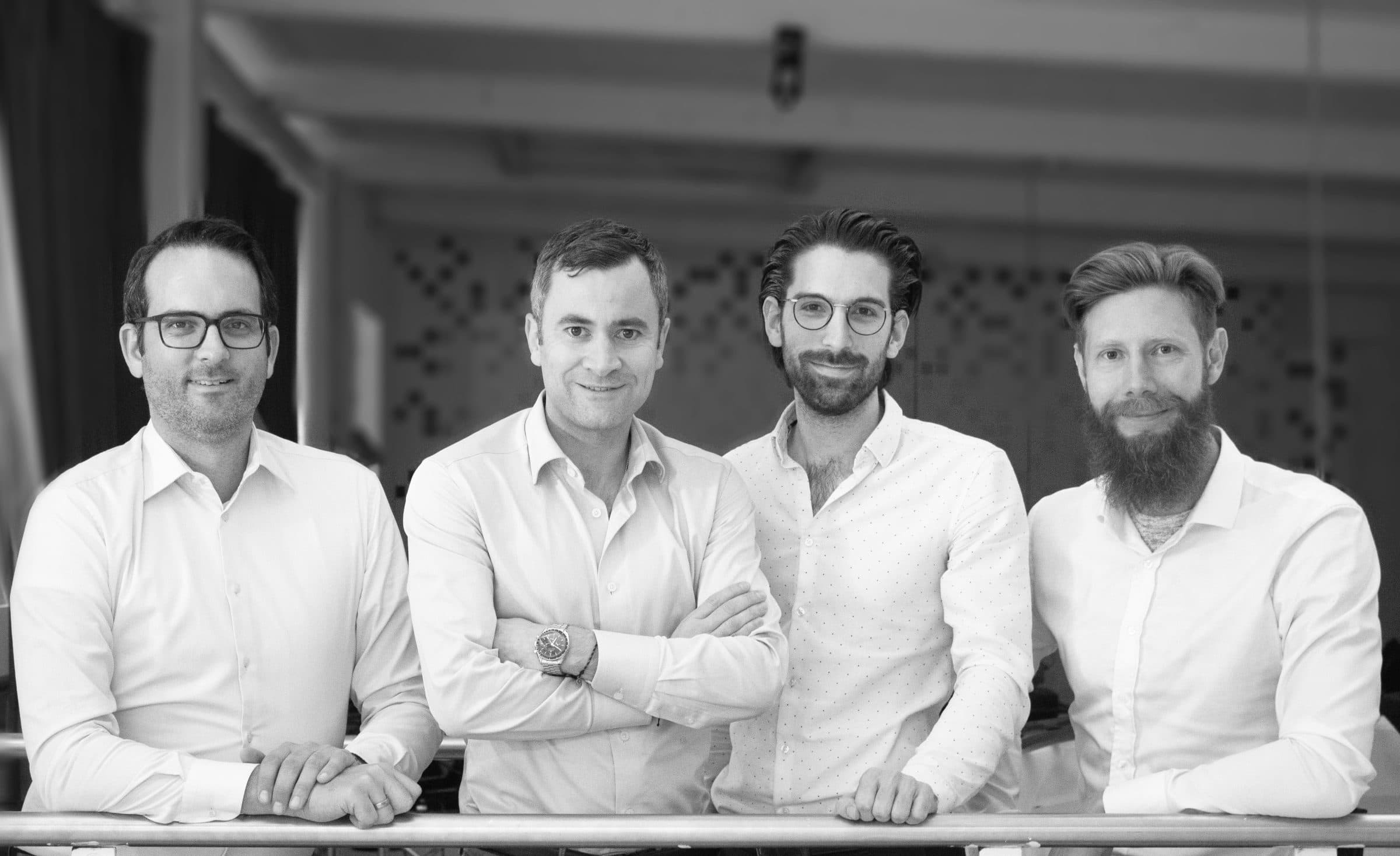
nnnnBut my modest coding skills were nowhere near sufficient for that. Fortunately, I had a friend in Munich who had the expertise. Jonas Eicher is actually a physicist, but worked as a freelance coder until we brought him into the founding team. The fourth member was Sebastian Dieterle, who worked with Thomas at the practice. He’s a business administration graduate with a focus on medicine and provided the business expertise that we were all lacking.
nnnnSo we came together and started development, initially in the background. We founded InformMe in December 2021, and then applied relatively quickly to, for example, Start?Zuschuss! And fortunately we got it, as well as an office here at Werk1.
nnnnMunich Startup: What have been your biggest challenges so far?
nnnnJoshua Gawlitza: Our biggest challenge is still ongoing. As a proprietary system, InformMe depends on being connected to clinic and practice systems. The main problem is that there’s an archiving requirement for medical documents, between ten and 20 years, depending on the document. The digital interfaces in medicine worldwide have been standardized for this. The leading standard when it comes to communication is HL7. But it was introduced back in 1997, is still in use today and can do almost nothing.
nnnnFor example, if you send a message to this system, it says the message arrived – or it stays silent. But if it doesn’t say anything, the system doesn’t send back an error code because it can’t send a message back. So now we’re in contact with the major manufacturers in Germany and Europe to develop modern interfaces. We’ve been well received by some of them and have developed a modern interface with two of the five major providers in Germany. We hope we can do the same with the rest. But until then we have to use the old systems.
nnnn“In a year we want to be integrated into all German systems”
nnnnMunich Startup: Where do you want to be in a year, where in five years?
nnnnJoshua Gawlitza: In a year we want to be integrated into all German systems. Also, because we have two radiologists on the team, we want to be quite well established in radiology, meaning having 100 customers or more. But we’ll already have the first other medical specialties on board as well.
nnnnAnd in five years we definitely want to have a pan-European and significant market share. Maybe already with a major strategic partner.
nnnnMunich Startup: How have you experienced Munich as a startup location so far?
nnnnJoshua Gawlitza: I’ve known Werk1 for a very long time, I was here for the first time eight years ago. An acquaintance of mine had his game studio in here, and ever since I visited him back then, I knew I wanted to work in an office like this. And now we’re here and benefit from the exchange with other startups, Auvisus for example. They make a recognition system for cafeteria food for self-checkout, so something completely different – but they have the same interface problem as us, just with cafeteria checkout systems. It’s great that you can exchange ideas here.
nnnnMunich Startup: Quick exit or long haul?
nnnnJoshua Gawlitza: I really don’t see a quick exit. We still have so many cool things planned that provide great added value to our customers and currently aren’t offered by anyone else – if we didn’t bring them to market ourselves, that would be a real shame.
n