
Munich Startup: What does your startup do? What problem do you solve?
Kyon Energy: Kyon Energy develops, plans, and operates grid-connected battery storage systems. These stabilize the power grid and enable clean, sustainable, and socially responsible energy supply from renewable sources. They store electricity at times when excess energy is not needed and feed it back into the grid during periods of high demand. This reduces bottlenecks in the grid and significant fluctuations in electricity prices. Overall, this makes it possible to expand renewable energy capacity further.
And this is enormously important because Germany has set itself ambitious goals: by 2030, 80 percent of electricity consumption should come from renewable sources, and conventional, dispatchable energy sources should be gradually switched off. At the same time, recent events show that our power grid must become more independent. Expanding renewable energy is a central prerequisite for the energy transition, but our electricity infrastructure is not designed for the high volatility. Grid instability, high electricity prices, and increased overloads are the consequences.
Currently, these volatilities combined with missing storage capacity are leading to renewable energy systems having to be shut down again and again. In 2021 alone, this resulted in the loss of 5.82 TWh of electricity. This would have been enough to supply over 2 million households for a year.
This is where we at Kyon Energy come in. Through our battery storage systems, we make an active contribution to the energy transition and enable stable electricity infrastructure.
Kyon Energy uses storage systems in the two- to three-digit megawatt range
Munich Startup: But that’s already been around for ages!
Kyon Energy: Actually, not really. Battery storage systems currently exist mainly on a smaller scale, for example for home storage in connection with PV systems or for commercial operations. We scale significantly larger: our storage systems have capacities in the two- to three-digit megawatt range and are connected directly at grid node points. This contributes to grid stabilization across network boundaries. This market for large-scale battery storage is still very young and extremely dynamic. We established Kyon Energy as one of the market leaders in Germany in a very short time. In 2022 alone, we were responsible for approximately 20 percent of the addition of roughly 500 MW of storage capacity across the entire market.
Munich Startup: What’s your founding story?
Kyon Energy: The motivation behind Kyon Energy was from the start to drive forward the energy transition. It’s hard for us to understand why so little has happened here in recent years. Current political developments clearly show how important it is to be able to rely on stable, independent, and cost-effective energy supply. Ultimately, this is also the reason why we founded Kyon.
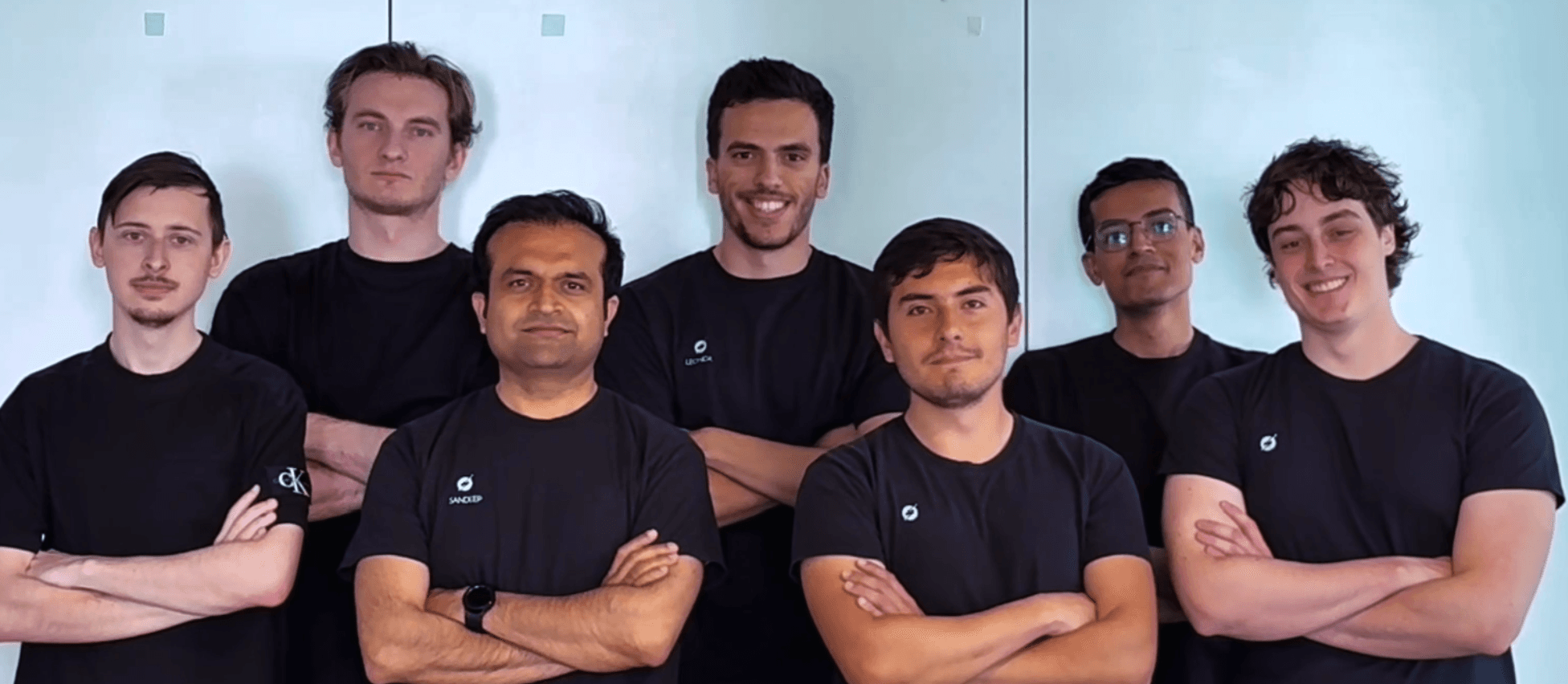
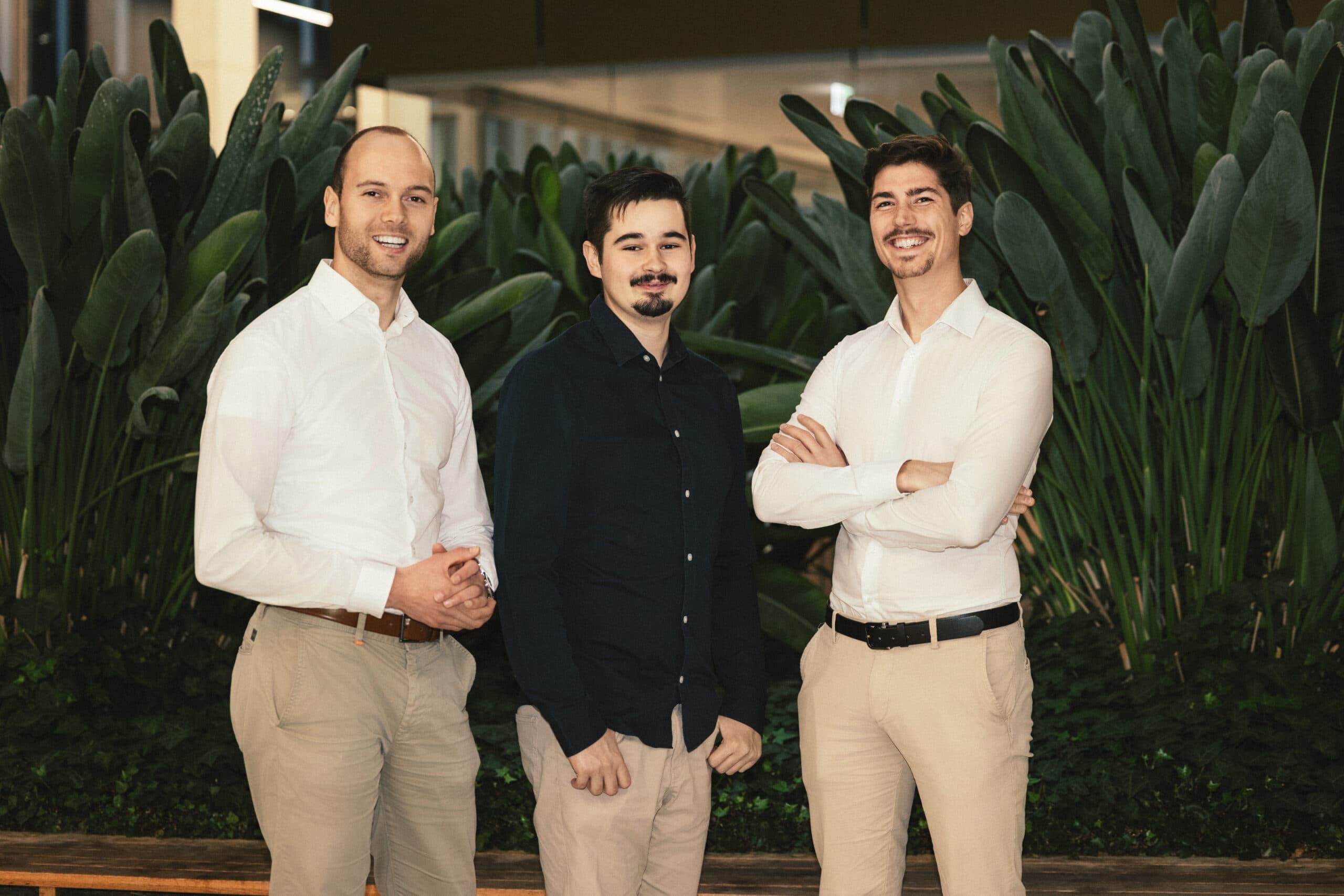
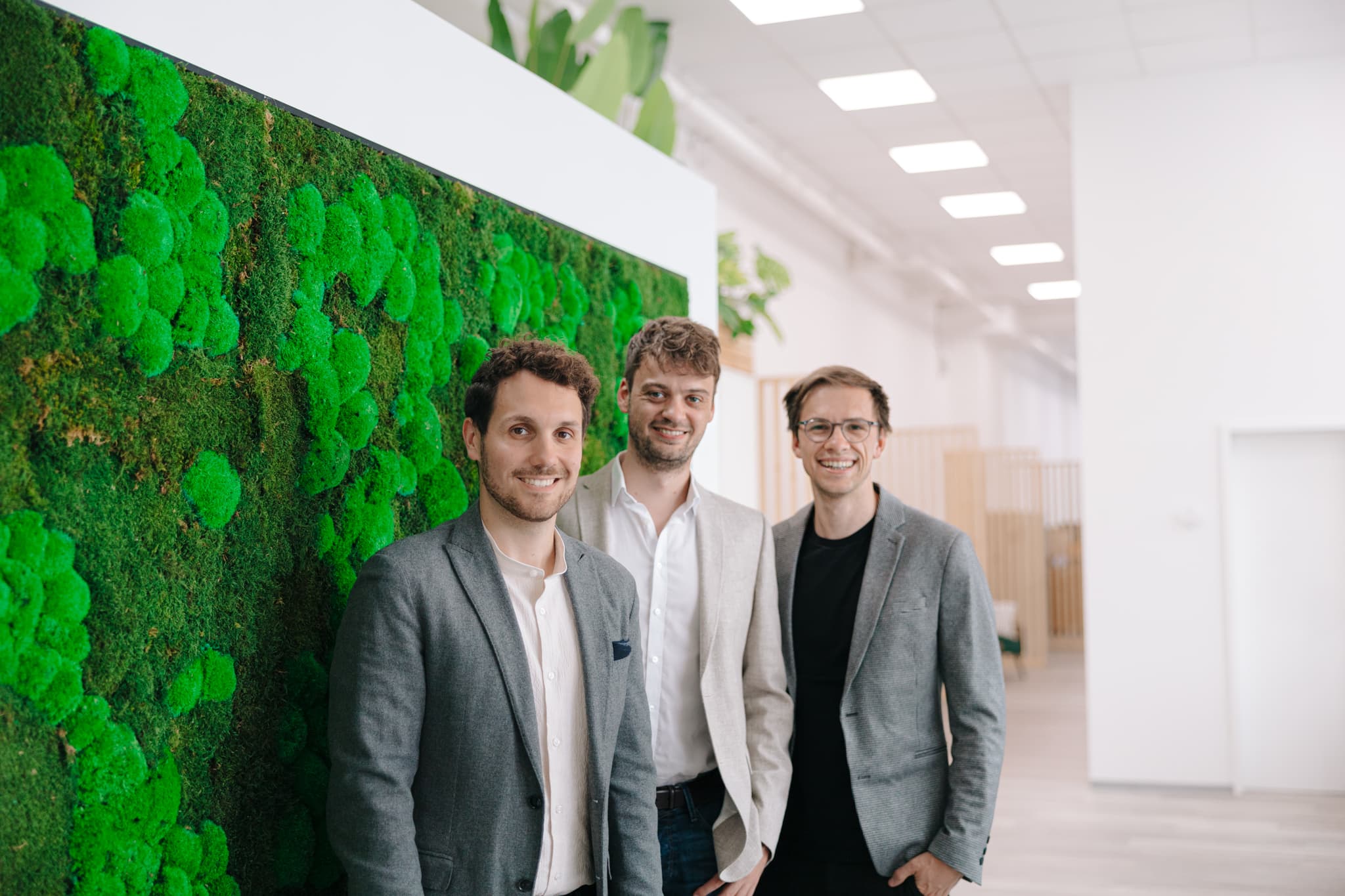
The founding team behind Kyon Energy consists of energy industry expert Florian Antwerpen and serial entrepreneurs Philipp Merk and Adrian Kapsalis. Before Kyon Energy, Philipp and Adrian founded the VC-financed startup Loewi and sold it successfully.
“The most economical option to quickly bring the urgently needed flexibility into the grids”
Munich Startup: What have been your biggest challenges so far?
Kyon Energy: A major challenge lies in the regulation of the electricity market, which is currently not designed for the massive expansion of renewable energy and storage. However, battery storage is currently the most economical option for quickly bringing the urgently needed flexibility into the grids. But market participants face regulatory obstacles in being able to offer this flexibility to local grids.
Munich Startup: Where do you want to be in one year, and where in five years?
Kyon Energy: For the coming year, we are aiming for European expansion. In five years, we are the European market leader in the development of large-scale battery storage and have thus had significant impact on the expansion and utilization of renewable energy.
Munich Startup: How have you experienced Munich as a startup location so far?
Kyon Energy: We are big fans of the Munich startup scene. There is hardly another location in Europe where access to talent and capital is leveraged as effectively as in Munich. Through top universities, UnternehmerTUM, and initiatives like Manage&More or CDTM, entrepreneurial thinking and action are often already part of studies. This leads to new startups on one hand, but also helps existing startups find good people and creates a unique network. At the same time, there are few cities with a higher quality of life – the combination of startup culture, nature, and beer gardens is truly one of a kind.
Munich Startup: Quick exit or long game?
Kyon Energy: Long game. It doesn’t work any other way. In our opinion, building a sustainably functioning company is only possible with a long-term perspective.