The Strascheg Center for Entrepreneurship (SCE) is the entrepreneurship center of Hochschule München, founded in 2002 by Falk Strascheg. Over the years, the SCE has built a multi-stage system that accompanies founding teams from the initial idea to financing, with the Precelerator, Incubator, and Freiraum Ventures at its core.
Precelerator and Incubator
The Precelerator is an open community space for aspiring founders at a very early stage, regardless of whether a concept or company already exists. The focus is on workstations, prototyping, and exchange with other teams in the building, often serving as the first point of contact before more structured formats like the incubator.
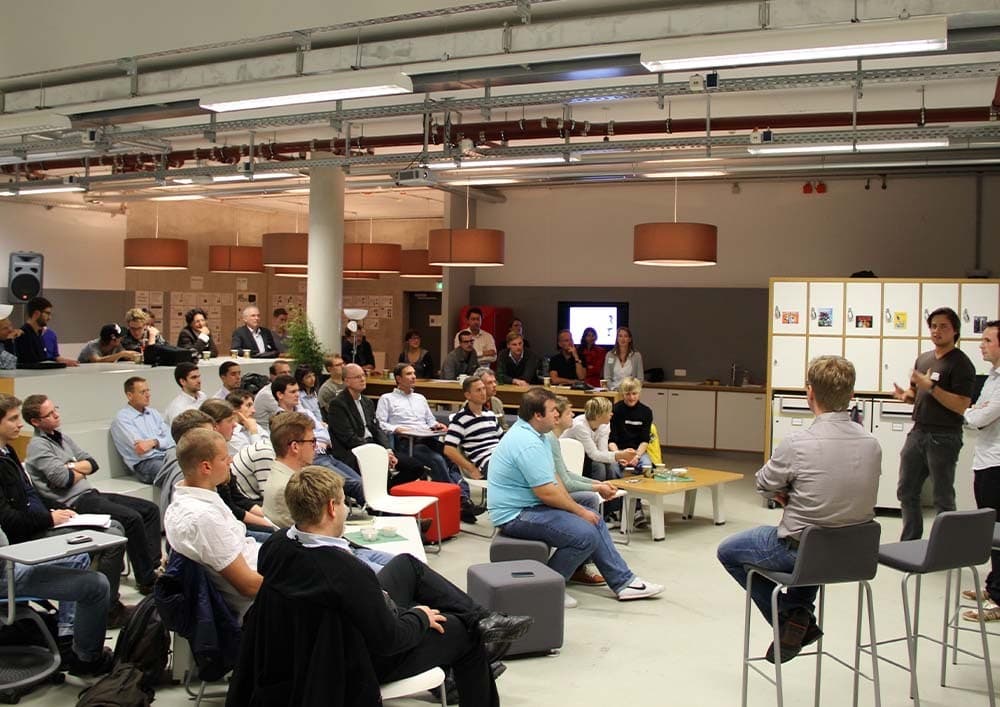
Teams with a more viable idea apply for the incubator, which operates in fixed batches. The core of the program is individual coaching by startup advisors and the bi-weekly meetings: every two weeks, the teams in a batch discuss their progress and challenges, such as customer validation or team building.
Freiraum Ventures: Follow-on financing
For teams that have completed the setup phase, Freiraum Ventures, an early-stage fund closely linked to the SCE ecosystem, offers follow-on opportunities when seeking capital. Instead of releasing teams without a clear next step, direct contact for initial financial support is established. In addition, the SCE provides support with the federal EXIST startup grant, from assessing eligibility to submitting the application.
Success stories
Various examples demonstrate that support from the SCE can give rise to successful companies. One of the best known is Freeletics. The Munich startup registered its company directly at the SCE in 2013 and subsequently developed into an internationally renowned provider of digital fitness training. The story shows what kind of growth can emerge from founding a company in a university and startup environment.
A more recent example is Omegga. The startup went through the “Strascheg Award” and subsequently took the next big step in its development: Most recently, the company secured 10 million euros in seed funding.
Both examples represent different phases and pathways supported by the SCE. What is crucial here is not so much an individual program, but rather the interplay of the various offerings: In the Precelerator, initial ideas can turn into concrete startup projects, while business models are further developed and teams receive intensive support in the incubator. When it comes to growth and capital afterwards, offerings such as Freiraum Ventures as well as support for funding programs like the EXIST Business Start-up Grant come into play.
It is precisely this continuous support that makes the SCE’s approach special: founders should not suddenly be left on their own after a program ends. Instead, they can take each next step within the ecosystem, from the initial idea and company foundation to financing and further scaling.
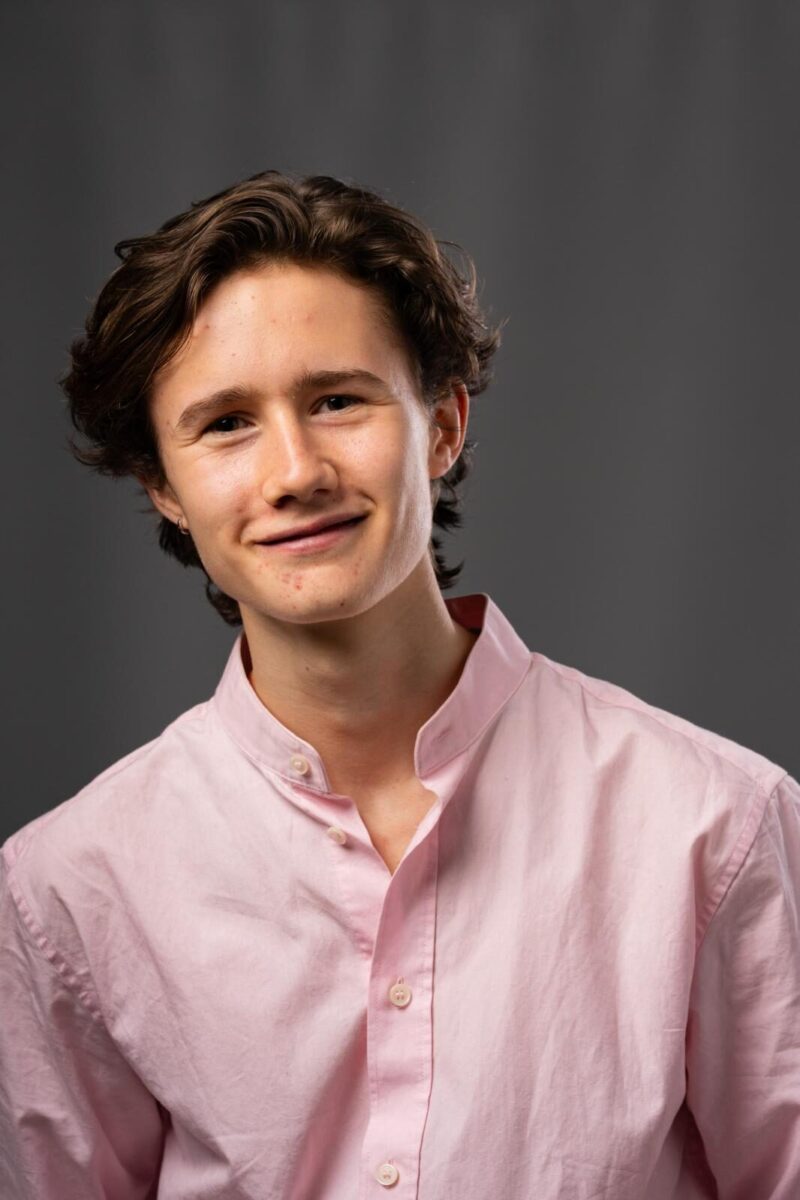
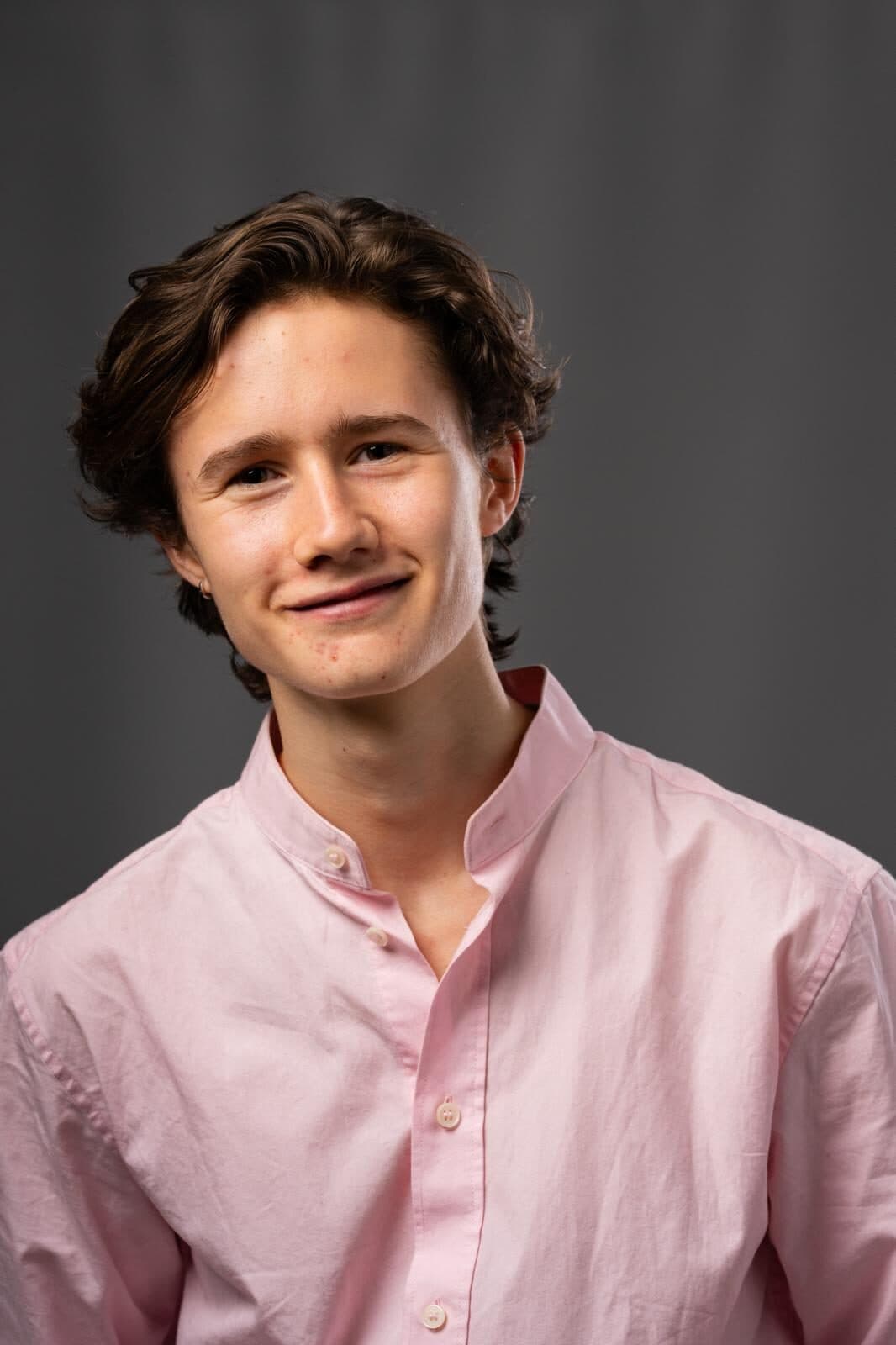
About the author: Liam Brömer is completing a six-month internship at Strascheg Center for Entrepreneurship, while concurrently working at Social Entrepreneurship Akademie. This provides him with first-hand insights into the depths of the Munich startup ecosystem. He is 17 years old and attends the 12th grade of a Fachoberschule for business and administration.
In our videocast Pitch & People, we spoke with SCE CEO Klaus Sailer about why uncertainty is a competitive advantage, what Europe’s startup ecosystem is still missing, and why the continent urgently needs to find its own entrepreneurial USP. Click here to listen to the episode.